



Mini-Split Installation and Replacement in Aurora
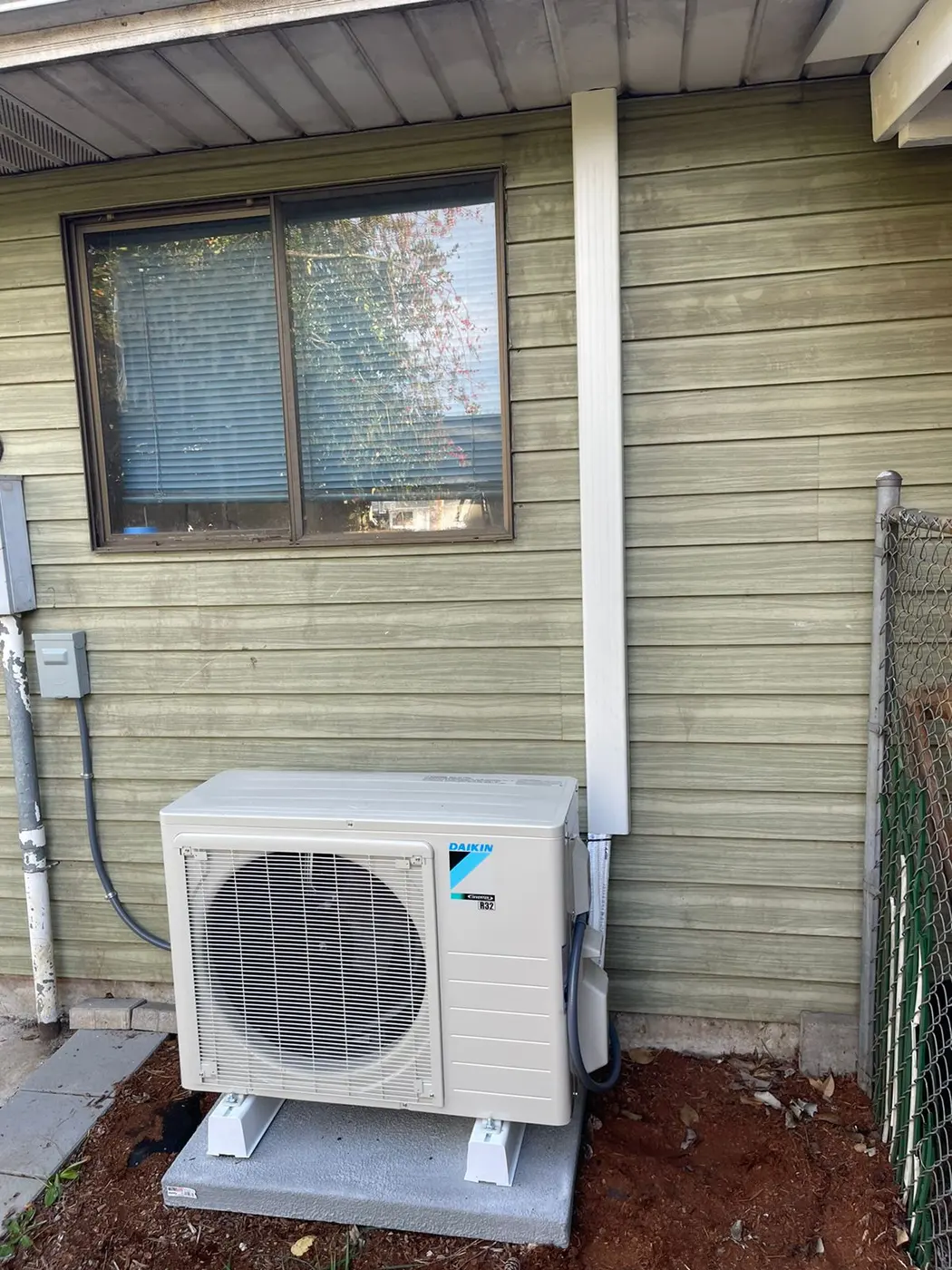
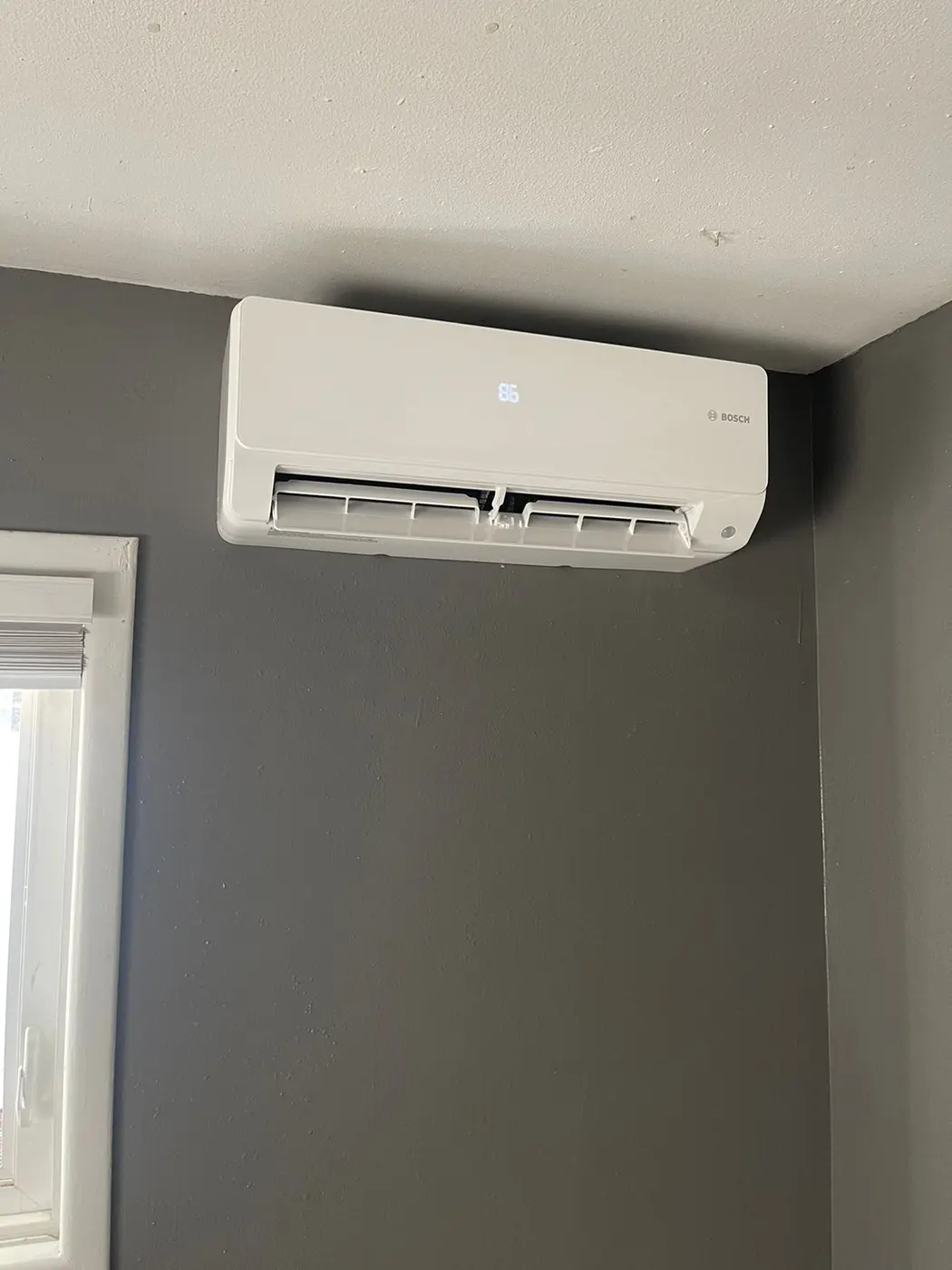
HVAC & Appliance Repair Guys provides mini-split installation and replacement in Aurora, OR, with a free on-site estimator visit. Define the rooms that need heating or cooling before choosing a single-zone system or several indoor units sharing outdoor equipment. For replacement, the review also needs to establish which existing heads, controls and connections can remain.
Our mini-split installation service covers new and replacement projects. For an existing system, begin with the components you have and the functions they provide. A useful proposal explains which items change, which can stay and how the finished combination serves the intended rooms.
Existing Heads, Outdoor Equipment and Controls
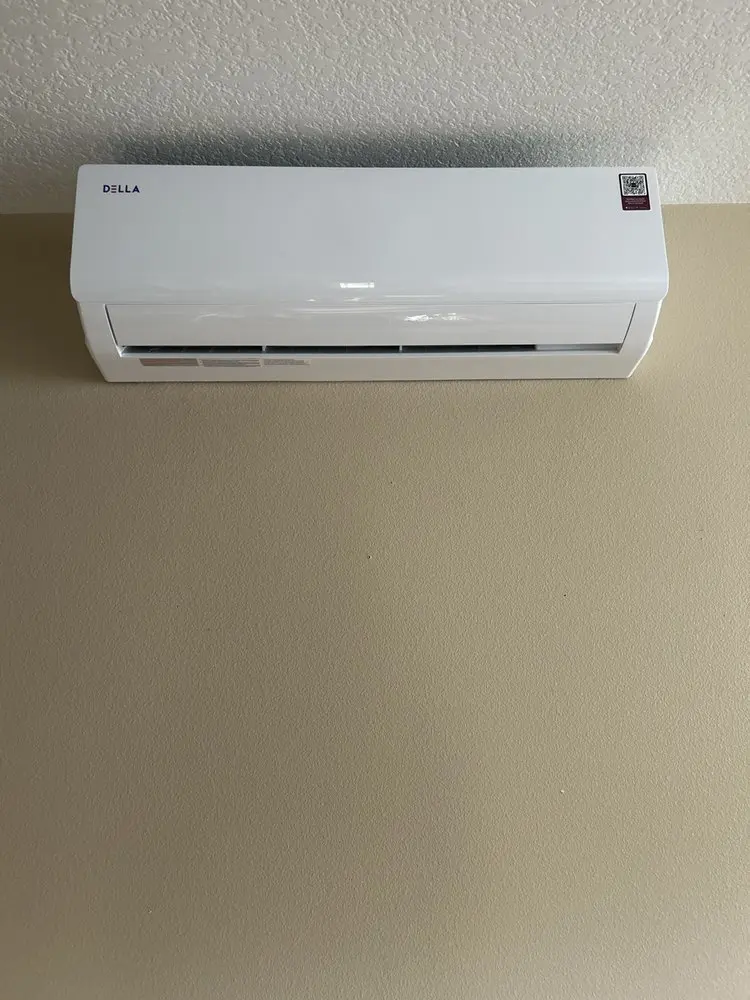
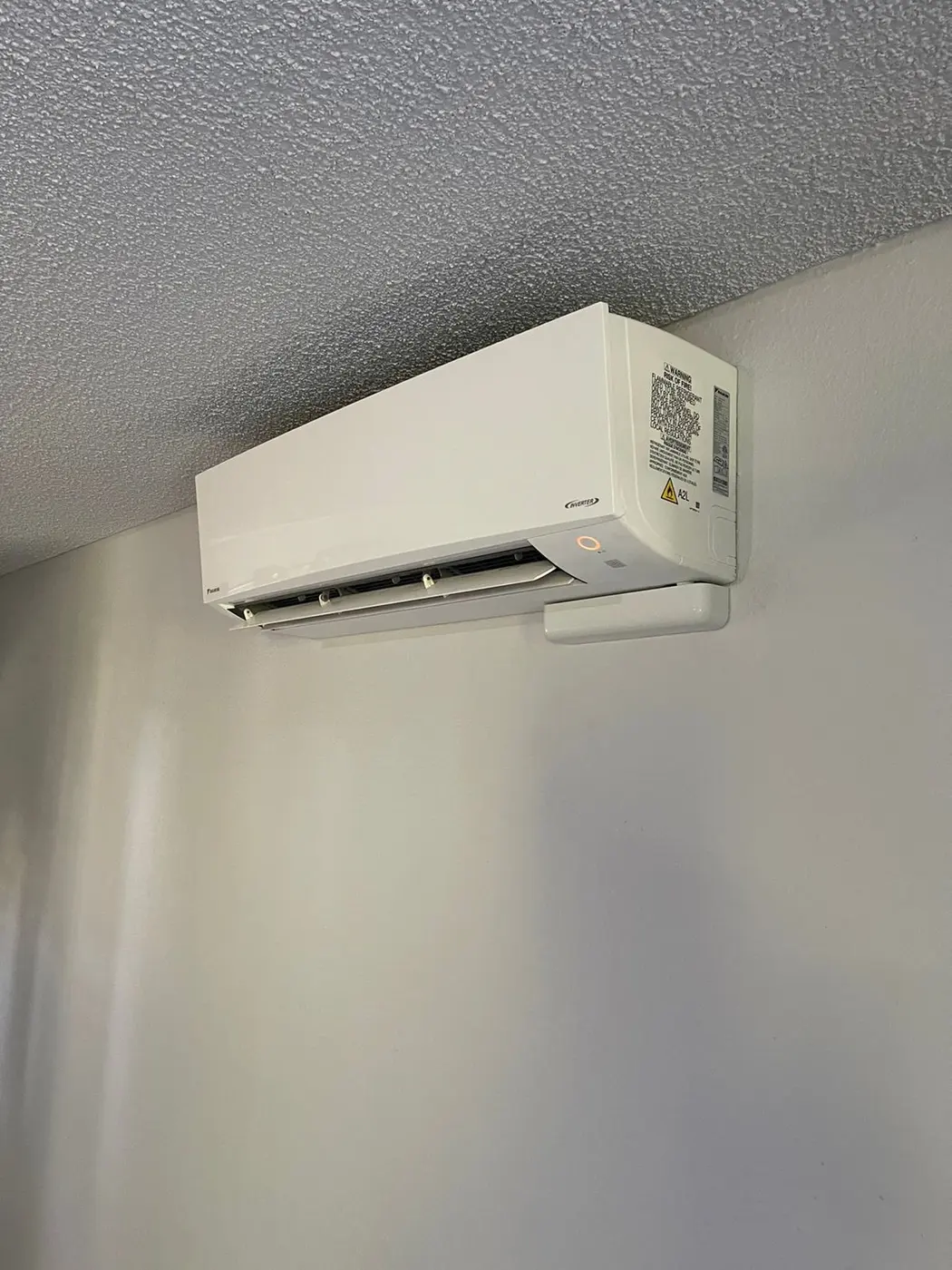
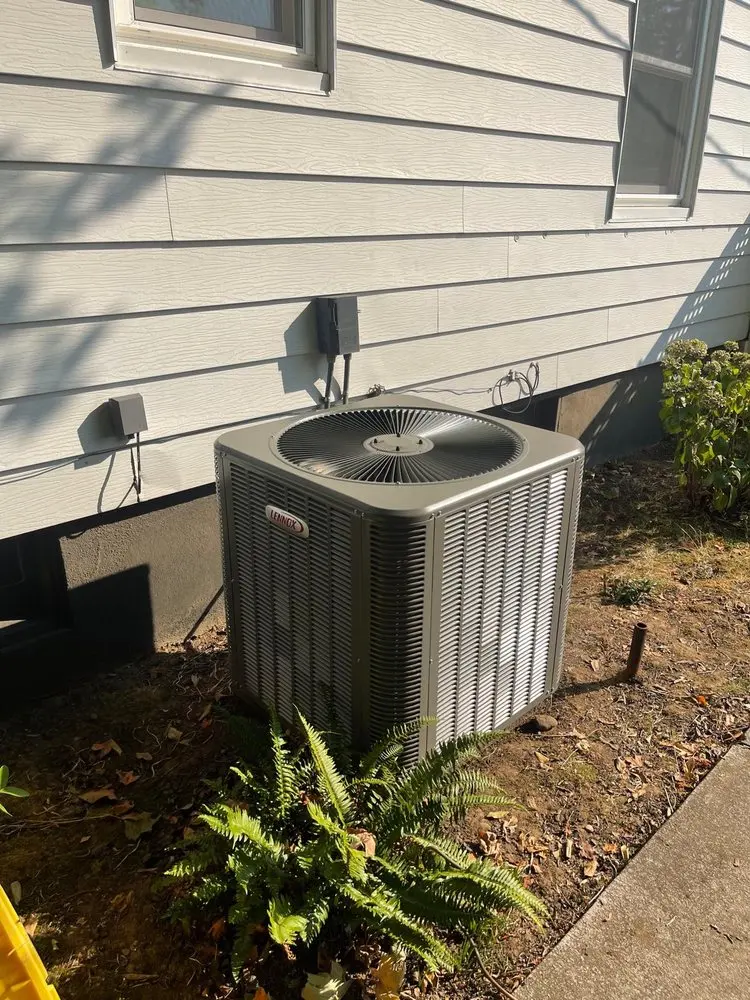
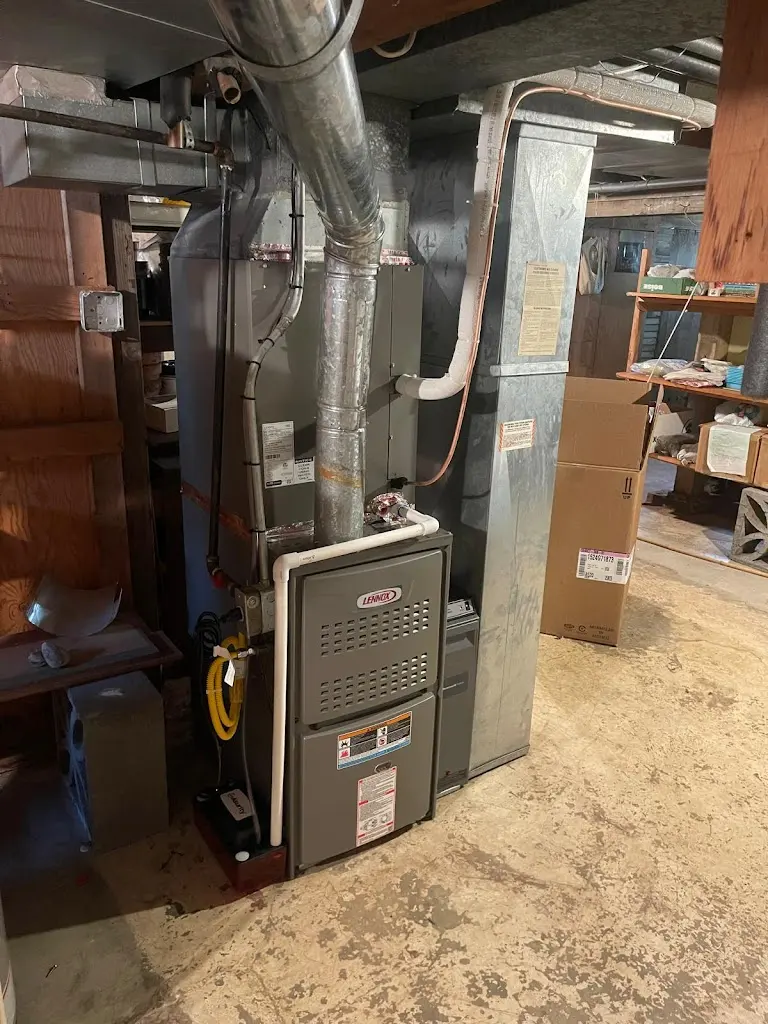
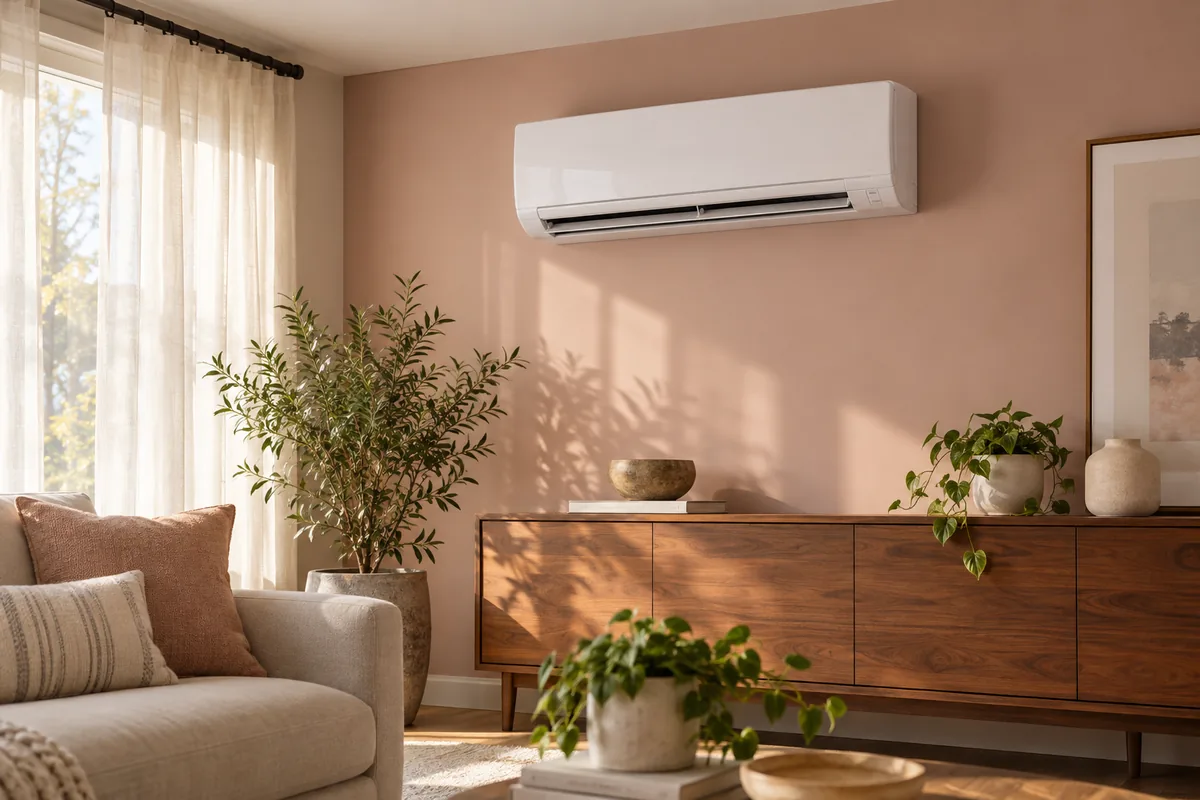
Share available model details for the indoor and outdoor equipment. Include the normal controls and any record of later additions or replacements. One label may identify a head without describing the complete system. If a record names several units, explain which room contains the equipment you want to replace.
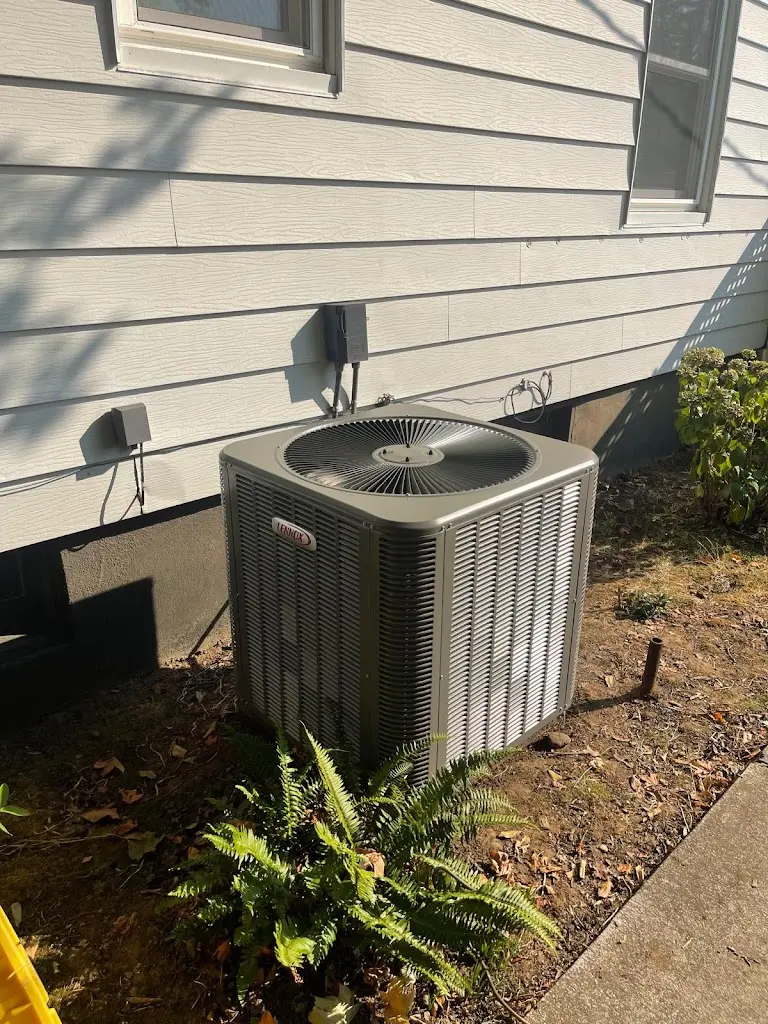
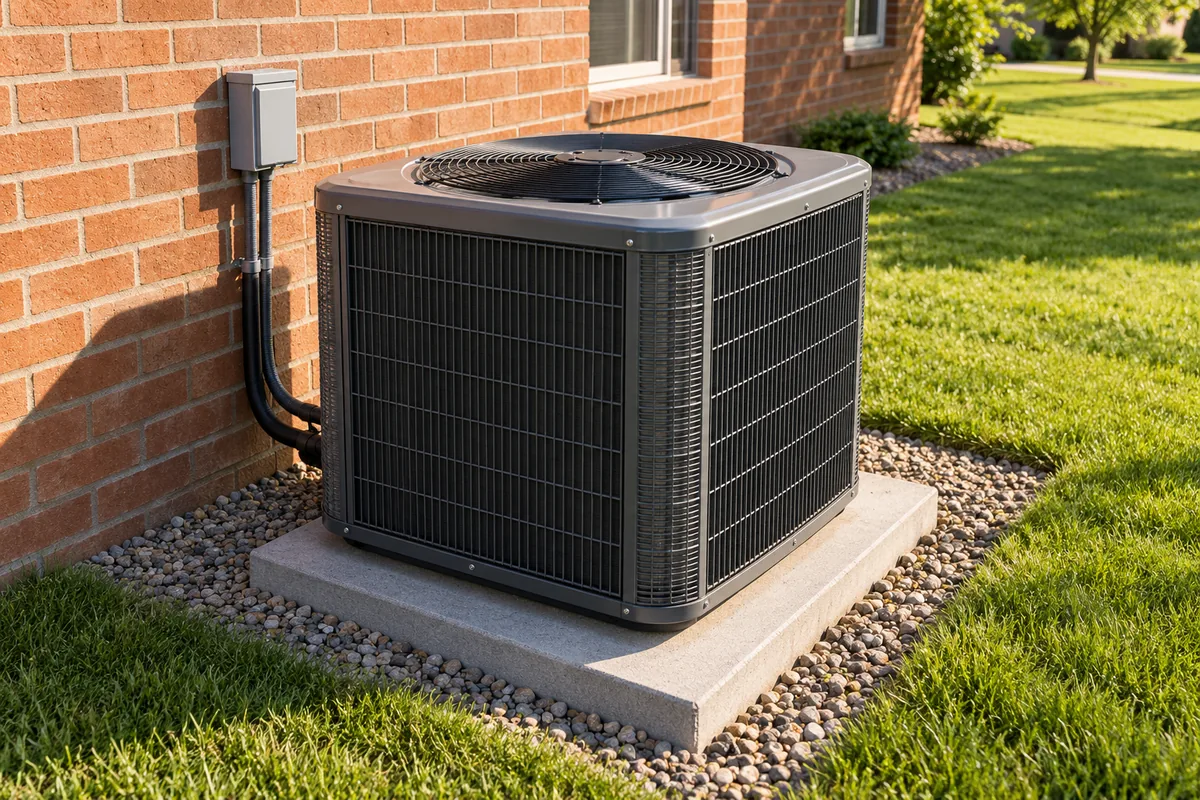
State whether other indoor heads share the outdoor unit, if you know. Their role matters when a project changes only part of a connected setup. Do not assume a working head can stay with every proposed outdoor replacement. The estimate needs to review the supported combination rather than judge the connection by appearance.
It is fine to begin with incomplete records. Tell us what you know and which connections remain unclear. You do not need to remove covers or follow concealed lines to build an equipment list. The on-site visit can establish the relevant arrangement before the proposal treats retained components as confirmed.
Compatible Indoor and Outdoor Models
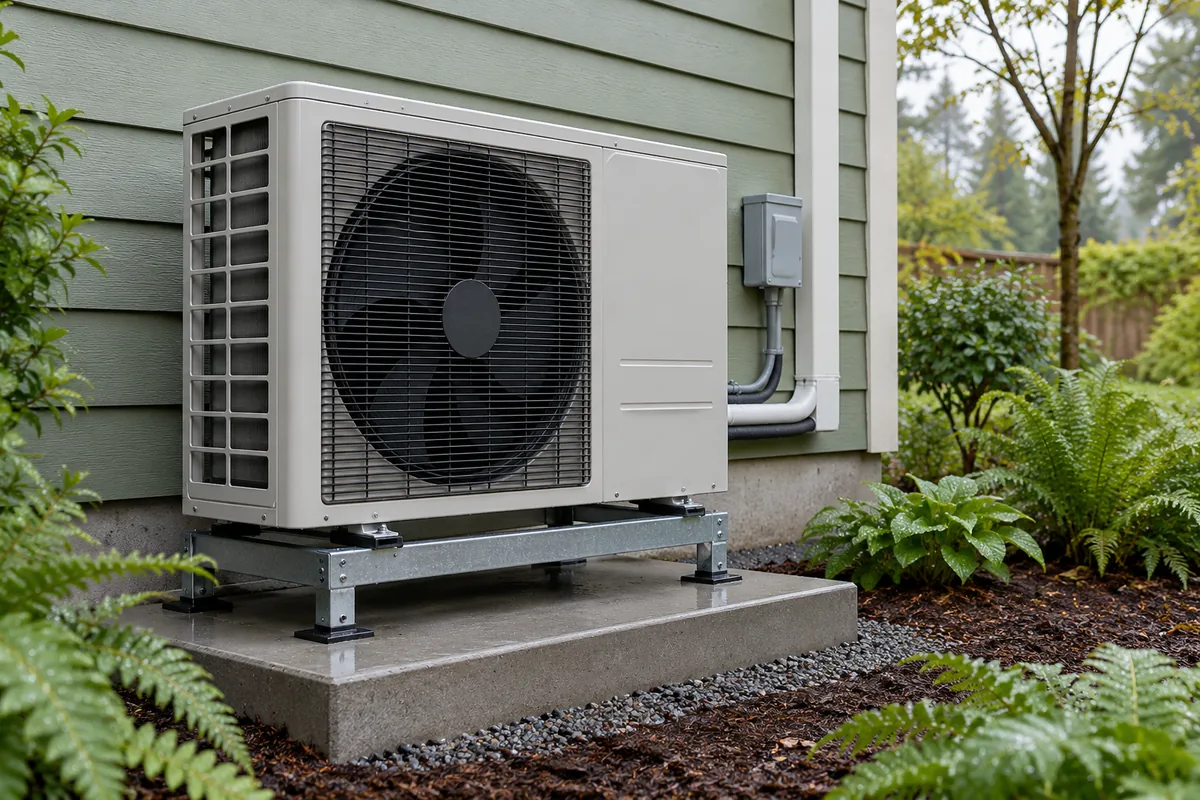
Review whether the selected models can work together. A shared brand name or similar cabinet does not establish compatibility. Ask the estimator to identify the proposed indoor and outdoor equipment and explain which existing components can remain.
A request to replace one head may lead to a different scope from replacing a complete system. Review both options during the assessment before deciding on the scope. Tell the estimator whether limiting the change is a preference or a firm project constraint. That allows the options to show what each supported approach requires.
Keep the reason for replacement visible. A present fault, a missing function and a planned room change are different reasons for discussing new equipment. The free estimator visit addresses installation or replacement planning. A diagnosis of an active fault is a separate service, even when both discussions concern the same head.
Existing Connections and Possible Reuse
The location of old lines and connections can inform the plan, but it does not confirm that each item suits the selected equipment. Ask which existing parts the proposal expects to retain. Separate confirmed reuse from an allowance that depends on further checks. That distinction can affect both the work and the final scope.
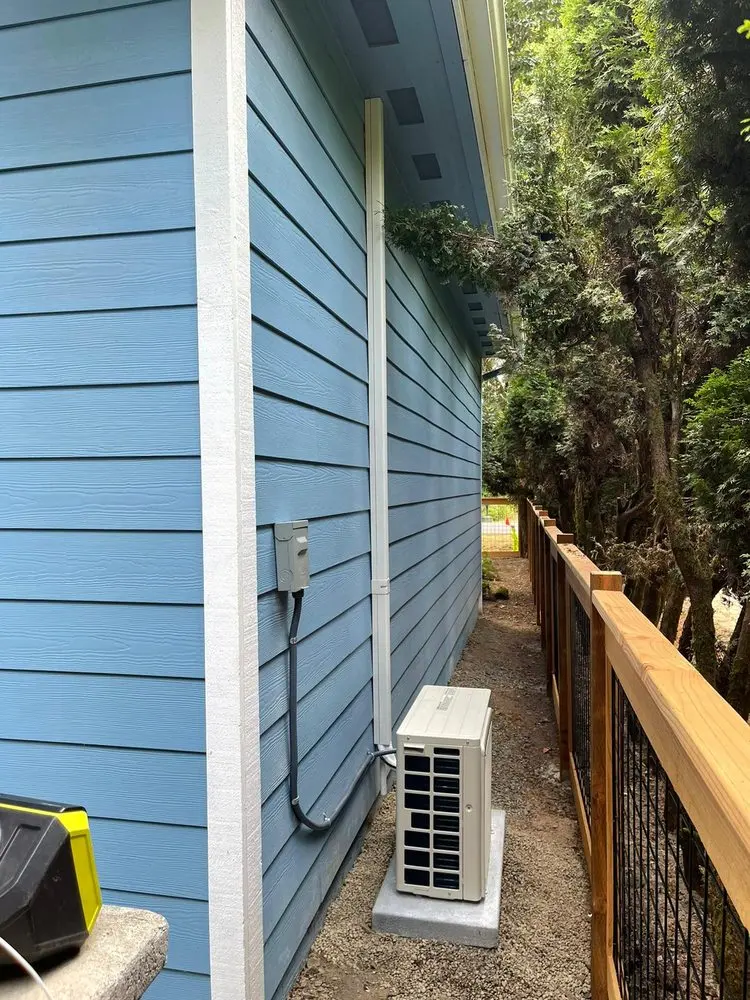
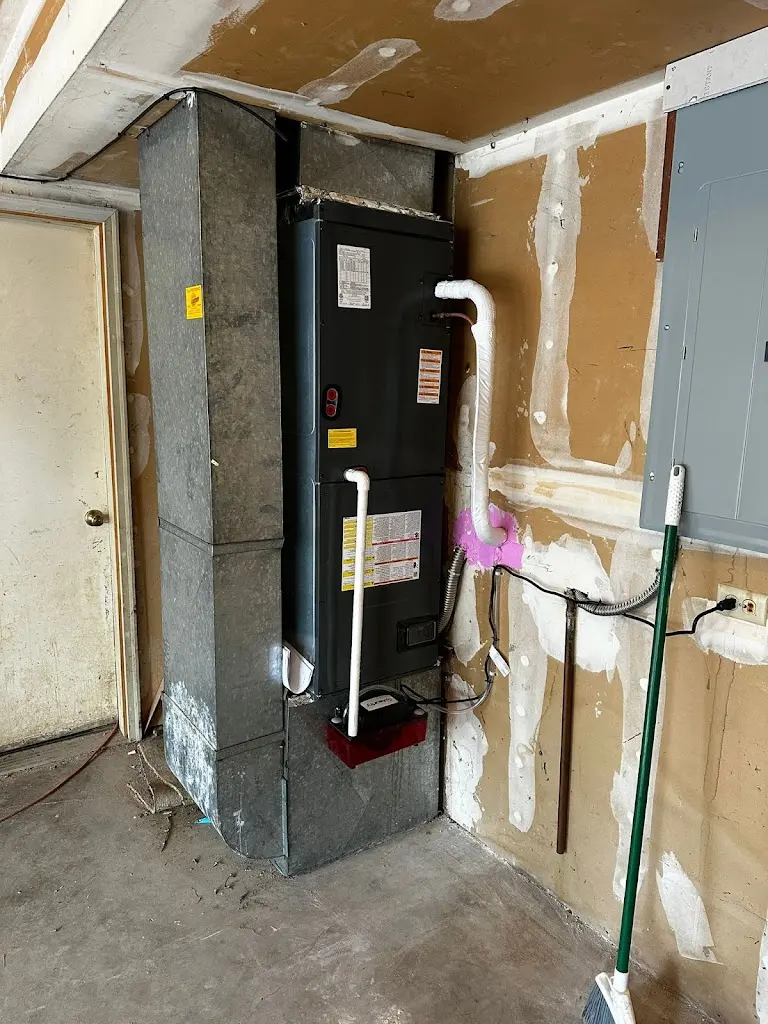
Include condensate drainage in the discussion. A replacement indoor unit still needs an appropriate way to handle water produced during cooling. The route and equipment arrangement belong in the installation plan. Do not assume that an old hose, pipe or visible outlet establishes the right drainage setup for a different head.
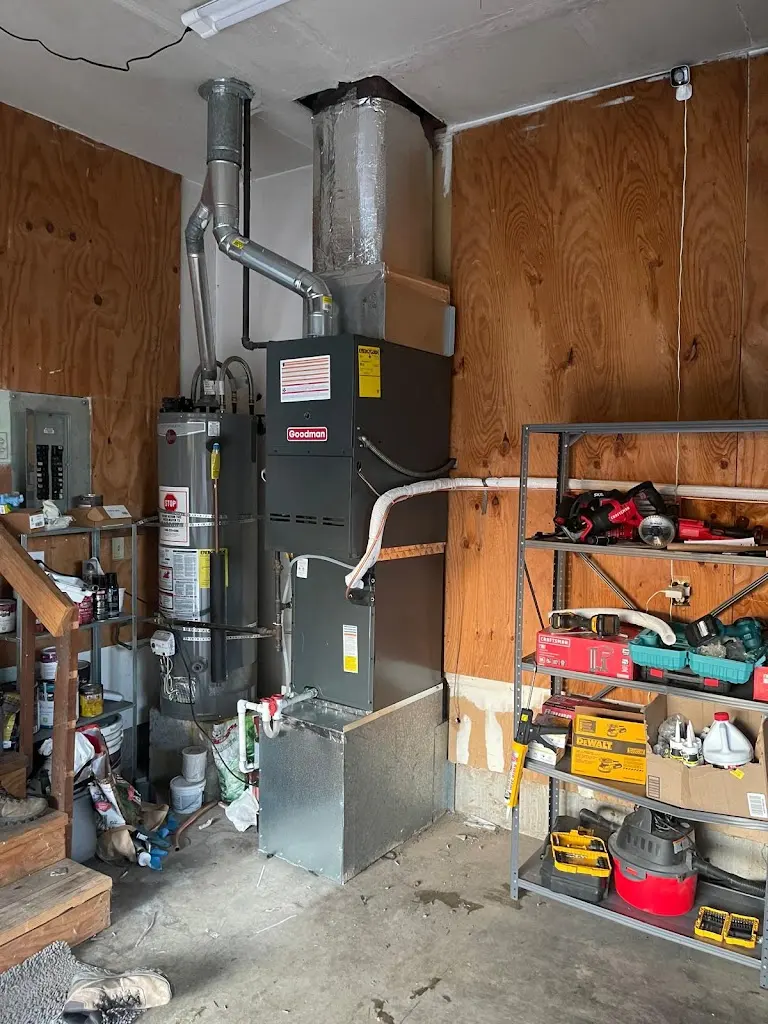
Power and controls also belong in the review. A new unit may need different connections and controls. The proposal should identify required work without treating an existing outlet or unchanged location as proof of readiness. Leave electrical checks and changes to the installation team.
Room Coverage and Capacity
Explain which rooms the finished system should serve and how you use them. Normal door use and room divisions affect the air path; a new head does not automatically provide even comfort in an adjoining closed room. Distinguish a room that worked well before a recent fault from one that has never felt comfortable.
Capacity should reflect the served spaces, windows, insulation and other load conditions. The old equipment size or current fault cannot decide that selection alone. If you want another head or different room coverage, review the supported model combination, capacity and routes. Keep possible later expansion separate from the current scope.
Partial Replacement and Complete System Options
Compare the equipment and work together, identifying both new and retained parts. Confirm removal, disposal, connection changes and controls, along with any condition still needing inspection. Ask which tasks account for the difference between a partial replacement and a complete system change.
Discuss the visible finish where equipment moves or comes off the wall. Old openings, brackets and line covers may need separate decisions, so the proposal should state which removal and finish tasks it includes. The selected equipment does not guarantee a particular result in every room or a fixed reduction in bills.
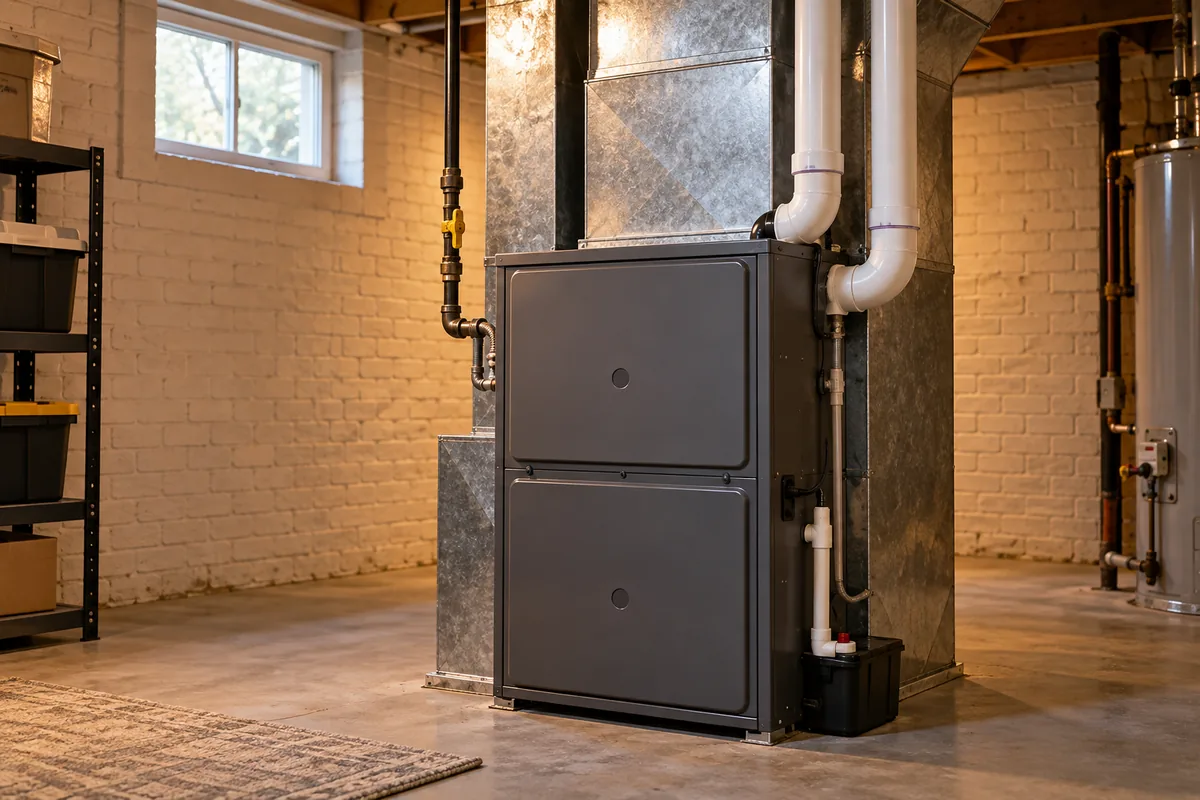
Our HVAC installation service in Aurora covers a broader change to heating and cooling equipment. Use that wider scope when the project also involves another system, identifying its retained and changed components.
Installation Access and Changeover
Agree on the work sequence and expected interruption to the affected rooms. Confirm access to indoor and outdoor equipment, and describe any change after the estimate. Move ordinary belongings where safe, leaving equipment and connections intact for the team.
If the selected models or room plan change, review the proposal before proceeding. Retaining old parts may depend on the original model choice. Keep the final equipment list and work description aligned with the system to be installed.
Installed Equipment and Operating Guidance
At handover, identify the indoor heads, outdoor equipment and controls as one system. Review the rooms each head serves, normal settings and filter access. Ask which heating and cooling checks were completed and record any limitation or agreed follow-up.
Keep the final models, retained components and approved revisions with the completed scope. That record should describe the installed combination rather than an earlier equipment option. Leave installer settings to the team when learning ordinary operation. Contact HVAC & Appliance Repair Guys to request a free on-site estimate for mini-split installation or replacement in Aurora.
Frequently Asked Questions
Can I replace just the indoor head and keep the outdoor unit?
That requires review of the actual equipment and supported combinations. Share the models and the reason for the change. The plan should confirm whether a partial replacement suits the system. Do not assume the outdoor unit can stay.
Does the same brand guarantee that a new head will work with the old system?
No. Brand identity alone does not establish that the selected components form a supported combination. Ask for the proposed model details and an explanation of retained equipment. The installation plan should follow that combination rather than a familiar name on the cabinet.
Is the on-site estimate free when I am replacing an existing mini-split?
Yes. We provide a free on-site estimator visit for installation or replacement planning. Explain the current equipment and your project goals when arranging it. Diagnosis of an active operating fault has a separate scope from the replacement estimate.
Will all the other connected rooms lose service during replacement?
Clarify the work sequence for the actual system. The answer depends on which equipment the project changes and how the heads connect. Ask which rooms the work will affect and what to expect during the change. Do not assume the schedule from the number of heads alone.
Request Mini-Split Installation in Aurora, OR
For mini-split installation in Aurora, OR, call HVAC & Appliance Repair Guys or submit a service request through the form on this page.