



Mini-Split Maintenance in Aurora
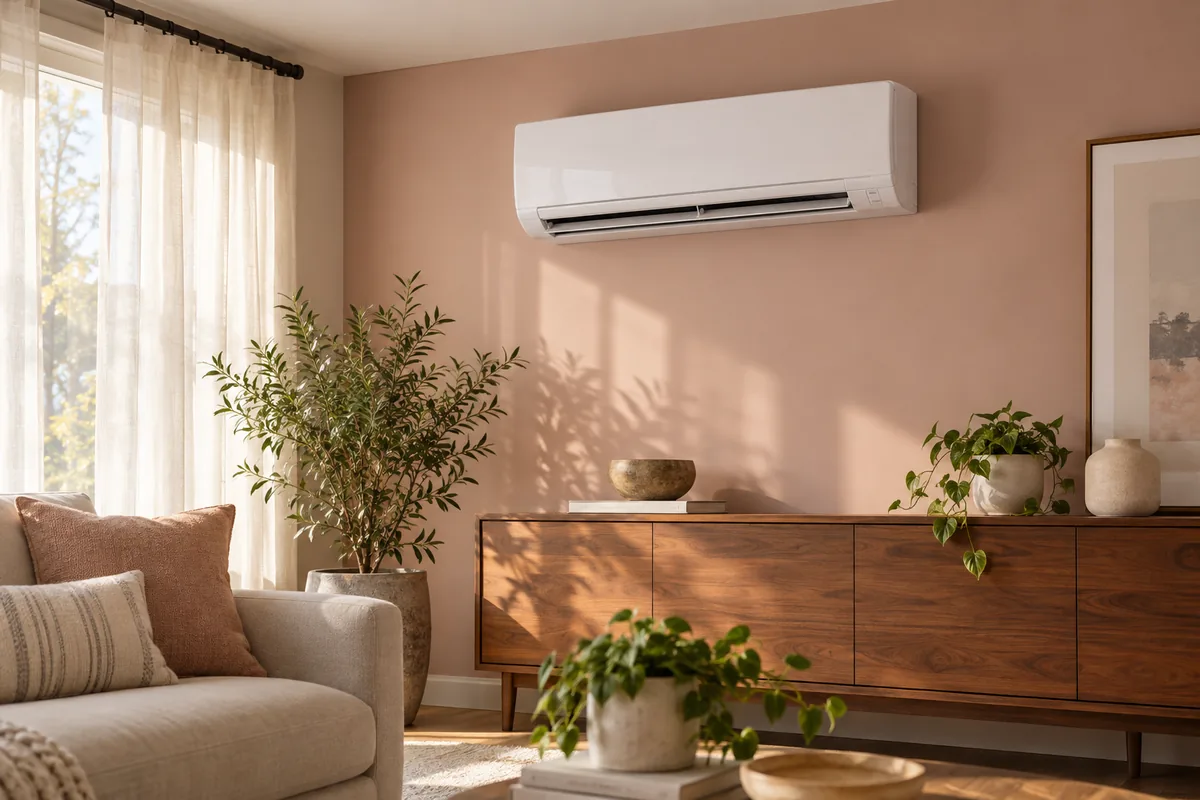
HVAC & Appliance Repair Guys provides mini-split maintenance in Aurora, OR. Filters, indoor coils, air-moving parts, drainage and connected outdoor equipment may need care suited to their condition. Include a rarely used head when planning that work. Returning a room to regular use is a useful time to review its needs, but inactivity alone does not establish which tasks are due.
Our mini-split maintenance service covers care for working equipment, including units with a gap in their service record. Explain how long the room has seen little use and what you know about the head. Time off is useful context. It does not, on its own, prove that a part has failed or that the unit needs the same work as another head.
Explain the room’s intended use and current equipment state. Daily use and occasional use provide different context without requiring you to test unfamiliar equipment.
Unused Equipment and Previously Reported Faults
Tell us whether you left the unit off by choice or stopped using it because of a problem. Those are different histories. A head that leaked, displayed a fault or stopped providing comfort still has an active concern to report. A period of disuse does not turn that concern into ordinary maintenance.
If the equipment worked when you last used it, say when that was and what function you used. Keep heating and cooling history distinct when you only know one of them. You do not need to guess how it would perform today. Unknown current operation can remain a question for the visit.
Identify any care during the quiet period by task and unit. Filter work in one room or service of shared outdoor equipment does not establish everything inside the unused head.
Leave uncertain internal conditions for assessment. There is no need to open the case, inspect hidden connections or restart suspect equipment to fill a gap in the record. Explain what you can see from a normal position. The technician can decide what checks the installed setup and reported history require.
Care Needs When Room Use Changes
Describe how often you expect to use the room and which comfort functions matter. A change from occasional visits to daily use belongs in the care discussion. It does not establish a fixed service interval for every model. The plan should use the actual equipment guidance, condition and expected use.
Include other indoor heads connected to the same outdoor equipment if you know the arrangement. State which ones remained in regular use. Their history can help define the overall setup, while the returning room still needs its own place in the scope. Confirm which heads the appointment will include.
Confirm included heads, tasks and price. Review additional cleaning or corrective work before approval; uncertain history does not justify an undefined package.
Indoor Unit Access, Controls and Outdoor Entry
If the room has served as storage, describe what sits beneath or around the head. Clear ordinary items when safe and leave fixed furniture or equipment for discussion. Mention anything you cannot move.
Keep the normal control available and explain whether you know which unit it operates. A remote from another room is not automatically a suitable substitute. Existing model details or owner information can help. Do not change hidden settings to discover how the system connects.
Explain outdoor access and locked areas. If another person provides entry, share the included rooms and unresolved concerns.
Operating Checks, Repair Findings and Ongoing Care
Keep completed tasks, included heads and operating-check limits in the result. A successful check of one function does not establish every mode’s condition.
If the visit identifies an operating fault, our mini-split repair service in Aurora addresses that separate need. Review the evidence, proposed work and price before approving a repair. Ask for use guidance based on the actual condition. Do not assume that completed routine care clears every earlier fault.
For ongoing upkeep, use the instructions that belong to the installed model. Agree which ordinary tasks you can handle and which need service. Keep the care dates with the room name as it returns to regular use. Update that record if the routine changes again.
Request mini-split maintenance in Aurora from HVAC & Appliance Repair Guys through the service form below. Include rarely used heads, their last known operation and the room routine you are planning; report any earlier leak or fault separately.
Frequently Asked Questions
Does an unused indoor head still belong in a maintenance request?
Yes. Identify it and explain its use and care history. A quiet room can be easy to overlook when other heads run daily. The appointment scope should state whether it includes that unit rather than assume all heads received the same attention.
Should I run a long test before arranging the visit?
You do not need to create a test routine. Share what you already know from ordinary use and explain any uncertainty. Do not restart equipment with a known leak or fault simply to gather more detail.
Can I request care before changing how I use the room?
Yes. Describe the planned routine alongside the current equipment condition. The service discussion can address care needs and any open operating concern. Your intended start date does not confirm appointment availability.
Request Mini-Split Maintenance in Aurora, OR
For mini-split maintenance in Aurora, OR, call HVAC & Appliance Repair Guys or submit a service request through the form on this page.