



Mini-Split Maintenance in Salem
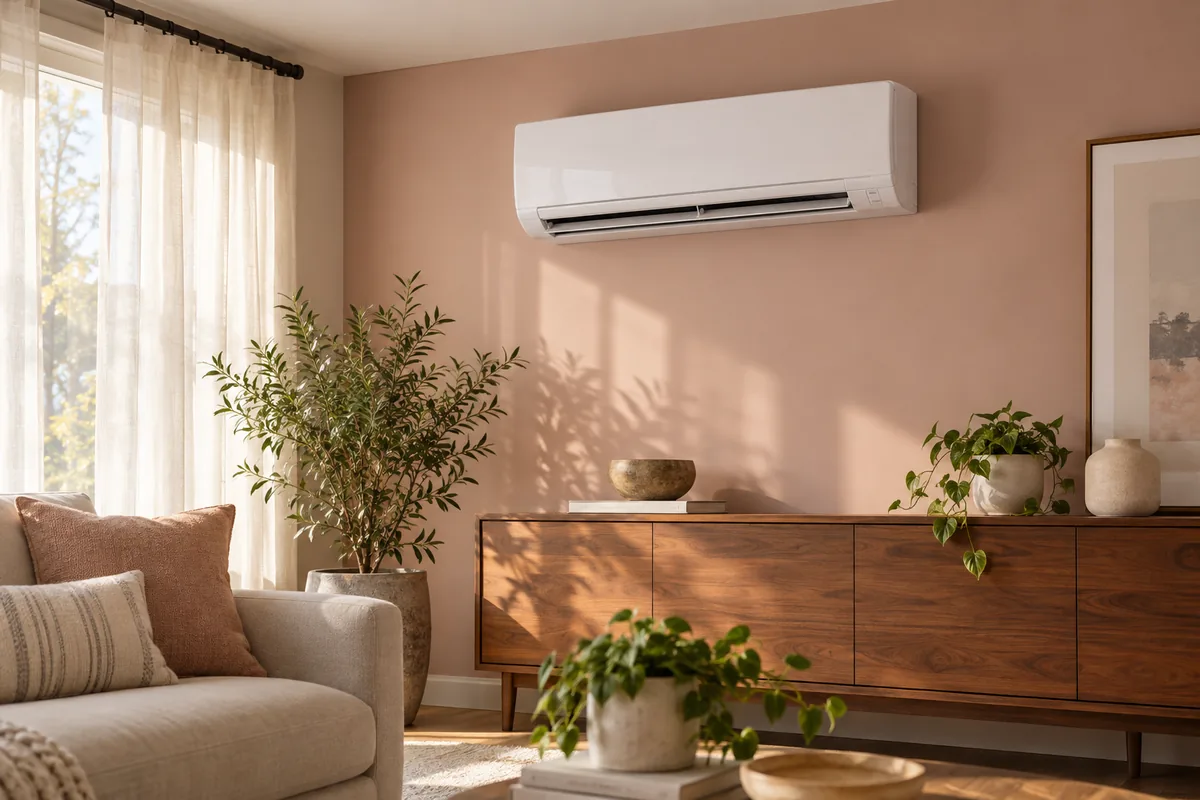
HVAC & Appliance Repair Guys provides mini-split maintenance in Salem, OR. Filters, coils, air-moving parts, drainage and connected outdoor equipment may need care according to their condition. Report an unfamiliar odor alongside that upkeep request instead of assuming cleaning will resolve it. If you notice a burning smell or another unsafe condition, stop using the system and keep clear. Do not operate it again to reproduce the smell or touch internal electrical parts. Report the concern when arranging an assessment.
Our mini-split maintenance service covers the agreed equipment-care work. Describe the symptom so the technician can assess the actual equipment; routine care alone does not identify the source of an odor or the work it needs.
Describe accompanying water, sound or lost output separately. They add observations without establishing a shared cause.
Odor Location, Timing and Operating Pattern
Identify the room and indoor head where you noticed the smell. Say whether it appeared at startup, later in ordinary use, or while the equipment was off. If you do not remember the timing, leave that detail open. You do not need to run the system again simply to make the account more precise.
Describe the odor in your own words. You do not need to identify a failed part or determine a health effect; findings must support the proposed equipment work.
Preserve different observers’ timing and location details, including whether the smell happened once or often. A demonstration or inspection of hidden surfaces is not needed.
Cleaning and Inspection of the Included Equipment
Ask which cleaning or inspection tasks the proposal includes and which units they cover. Care of an accessible filter differs from work elsewhere inside the equipment. A clean-looking outer case does not document either task. The work order should make the actual scope clear before you approve the price.
Share details of any recent care, including a product already used or a part already handled. Keep the date approximate if that is all you know. Do not add a fragrance or unfamiliar treatment to mask the symptom before the visit. The service conversation can use the existing account without a new cleaning experiment.
The planned method must fit the installed model and the part involved. A product or routine used on another unit does not establish the right approach here. Leave enclosed equipment and work beyond safe owner access for professional service. Discuss any task that falls outside the original proposal as a separate decision.
Persistent Odors and Other Faults
Our mini-split repair service in Salem addresses concerns that need a diagnostic assessment. If the smell persists or another operating fault is present, explain that directly. Completing a care task does not automatically identify or resolve the symptom. The proposed next step should follow the actual findings.
For repair, review the finding, concern addressed, price and any return-visit need before approval. Keep any other unanswered question clear.
Completed Care and Observed Results
Keep completed tasks and checked results, including whether the odor occurred during the appointment. Its absence then does not establish the earlier cause.
Tie follow-up to the affected head and current timing. A returning smell does not automatically establish the same cause.
Base future upkeep on the equipment guidance and findings. Cleaning does not guarantee removal of every smell or a health improvement. Review the next task you can safely handle and any professional work still needed.
Request mini-split maintenance in Salem from HVAC & Appliance Repair Guys. Describe any odor and its timing when arranging service so a separate diagnostic need can be discussed alongside routine care.
Frequently Asked Questions
Should I choose a cleaning treatment before the appointment?
Describe the concern first and review the proposed method for the installed equipment. Do not assume a stronger product provides a better result. Any added treatment needs a clear purpose within the agreed scope.
What if the smell disappears before the technician arrives?
Keep the original timing and room details available. Explain that the symptom is not present now. The technician can review the current condition while recording that limit on the assessment.
Does an odor mean the whole system needs replacement?
The odor alone does not establish that scope. The equipment findings should support any repair or separate replacement discussion. Ask how the proposal addresses the confirmed condition before deciding on the work.
Request Mini-Split Maintenance in Salem, OR
For mini-split maintenance in Salem, OR, call HVAC & Appliance Repair Guys or submit a service request through the form on this page.