



Mini-Split Repair in Brush Prairie
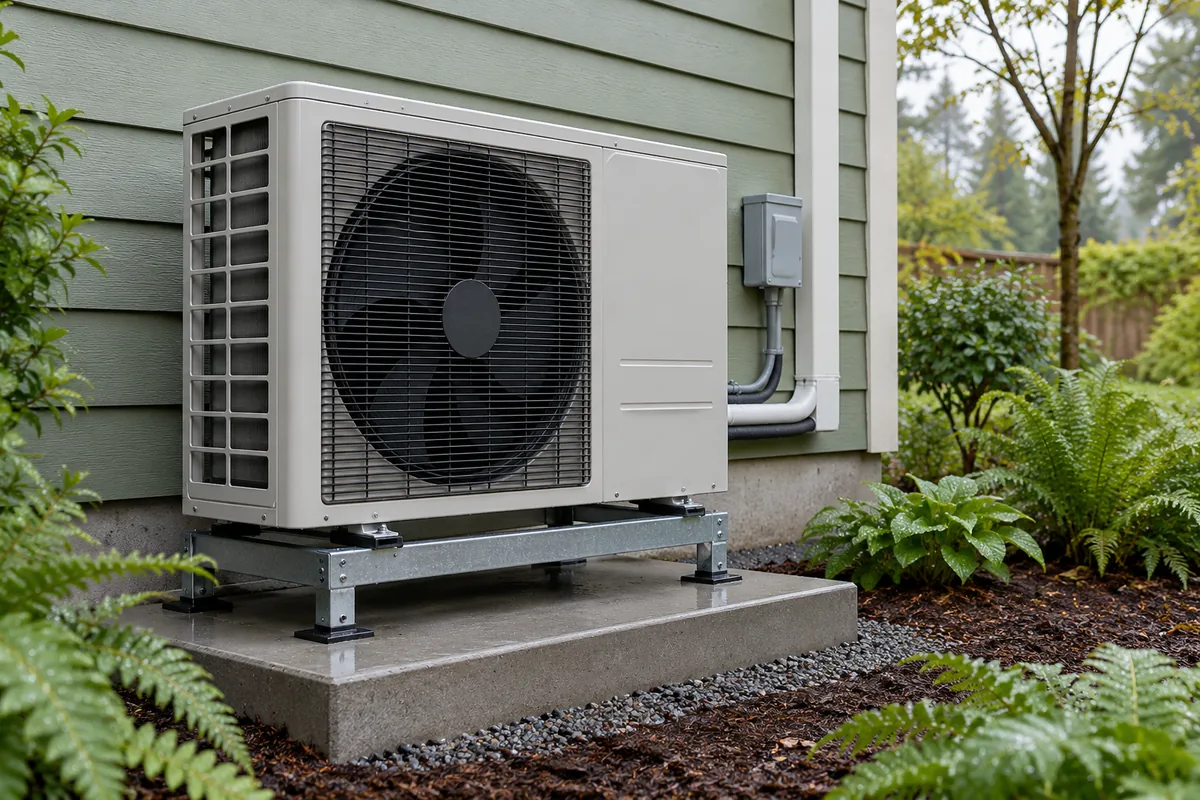
HVAC & Appliance Repair Guys provides mini-split repair in Brush Prairie, WA. Tell us which indoor unit has lost heating, cooling or normal airflow, or is leaking. If water returned after a drain-clearing visit, share what changed and how long the unit stayed dry so the assessment addresses the current source.
Our mini-split repair service covers indoor water complaints as well as operating faults. A previous drain clearing is part of the history; it does not establish the cause of every later leak. The assessment should connect the present findings to the proposed work. Repeating the earlier task needs its own supporting reason.
First Signs of Water and Operating Conditions
Start with the first place you notice moisture. Water at the bottom of the head, a wet wall below it and a damp patch beside a line cover describe different visible conditions. State what you saw before water spread. A later puddle may show the effect of a leak without showing where it began.
Keep the time and operating context with that observation. Note whether the unit was cooling, had recently stopped or stayed off. If you are unsure, say so. The team needs a reliable account of the event, not a guessed sequence that seems to fit the previous drain work.
Mention any other change that appeared at the same time, such as reduced air delivery or a displayed message. Record it separately from the water complaint. Two symptoms can help explain the condition without proving a common cause. Do not name a pump, drain fitting or refrigerant problem solely because the leak returned.
Earlier Drain Work and the Result
Share the earlier work description if available: a blockage cleared, drain section serviced, component replaced or general cleaning task. Explain when the exact scope is unknown.
Describe what changed immediately after that work. The unit may have operated without visible water for a period, or the leak may never have fully stopped.
Mention any later cleaning, cover movement or hose handling you know about. Those actions may affect the condition the technician finds without establishing who caused the leak.
Current Drainage Condition and Equipment Layout
Cooling can create condensate that must leave the indoor unit through its drainage path. Water escaping into the room means the present condition needs attention. A drain obstruction is one possible explanation. An earlier clearing does not prove that the whole water path now works correctly.
The equipment arrangement matters. A particular installation may use components or a drainage route that differ from another mini-split. Do not assume the unit has a condensate pump because another system does. The assessment needs to identify the actual setup before it assigns a fault to a component.
Ask which findings explain the place and timing of the leak, what work is proposed and whether another part of the water path still needs checking.
A dry surface during the appointment does not erase an earlier leak. Share the earlier observations and any clear photo you already have, with the time and room identified. There is no need to run the unit until it leaks again just to create evidence. Discuss further use with the team while the cause remains unresolved.
Equipment Repair, Water Damage and Safe Access
Tell us about both the equipment symptom and any visible effect on the surrounding space. A damp finish, wet furnishing or stained surface may need separate attention from the mini-split itself. Do not assume that repairing the water source also restores every affected surface. Clarify that boundary when you discuss the work.
Leave the head and drain intact. Avoid tools or guessed chemical treatments that repeat the earlier task.
Stop using an indoor unit that is leaking and arrange an assessment. Keep away from wet electrical parts. Do not run the unit to reproduce the leak or attempt a drainage test yourself.
Leave the surrounding area accessible when it is safe to do so. Mention any obstacle that limits a view of the head, the drain route or nearby equipment. If access requires more than moving ordinary belongings, explain that before arrival.
Proposed Repairs and Drainage Checks
If another clearing is proposed, ask which restriction was found. If a component is proposed, ask how it relates to the leak. Review the work and price using the current findings.
Discuss the drainage check after repair and any conditions that limit testing. A brief dry period alone may leave questions about the earlier leak unresolved.
Our HVAC repair service in Brush Prairie covers broader heating and cooling faults. Use that wider scope if another unit has a separate problem. Keep the repeat leak as a defined request so the team can distinguish it from unrelated comfort issues elsewhere.
Same-day service may be available. Parts or further checks can require another step before repair is complete; confirm the next appointment’s purpose if one is needed.
Recurring Moisture and Later Care
Keep the findings and completed task. If moisture returns, report where it first appears and the operating conditions, including any difference from the earlier event.
Discuss routine care separately once the active problem has a clear scope. Ask which ongoing tasks apply to this specific equipment and who should perform them. Do not assume that more frequent drain clearing is the right answer before the repeat leak has an explanation. Contact HVAC & Appliance Repair Guys to request mini-split repair in Brush Prairie.
Frequently Asked Questions
Does a returning leak prove the earlier drain clearing was incomplete?
No. It shows that a water problem remains or has returned. The earlier scope, the period between visits and the current findings need review before anyone can explain why. Describe the facts you know without assuming that the same cause applies.
Should I ask for a new condensate pump immediately?
First confirm whether the installed system uses a pump and whether the findings identify a problem with it. A recurring indoor leak alone does not prove that a pump exists or needs replacement. The repair scope should follow the actual equipment.
What should I report if the unit is dry when the technician arrives?
Explain where moisture first appeared, what the unit was doing and how long the event lasted. Include the earlier drain work and any safely obtained record of the leak. You do not need to make the unit leak again to describe a real problem.
Request Mini-Split Repair in Brush Prairie, WA
For mini-split repair in Brush Prairie, WA, call HVAC & Appliance Repair Guys or submit a service request through the form on this page.