



Mini-Split Repair in Camas
HVAC & Appliance Repair Guys provides mini-split repair in Camas, WA, for lost heating or cooling, weak airflow, indoor water and unresponsive room units. If comfort changed after a new layout or use of the room, describe both the room change and the equipment response. The timing alone does not establish that the unit is too small or needs relocation.
Our mini-split repair service covers changes in operation as well as a complete loss of heating or cooling. Describe changes to the room separately from changes in the unit’s operation.
Room Layout and Comfort Before and After
Describe new furniture positions, changes in room use and where people now notice the problem. Explain whether the unit previously kept that area comfortable or whether the result you need is new.
Use practical landmarks, such as a desk across the room, to locate the complaint. A newly uncomfortable seating area differs from the whole room losing heat or cooling.
Indoor Unit Operation and Control Response
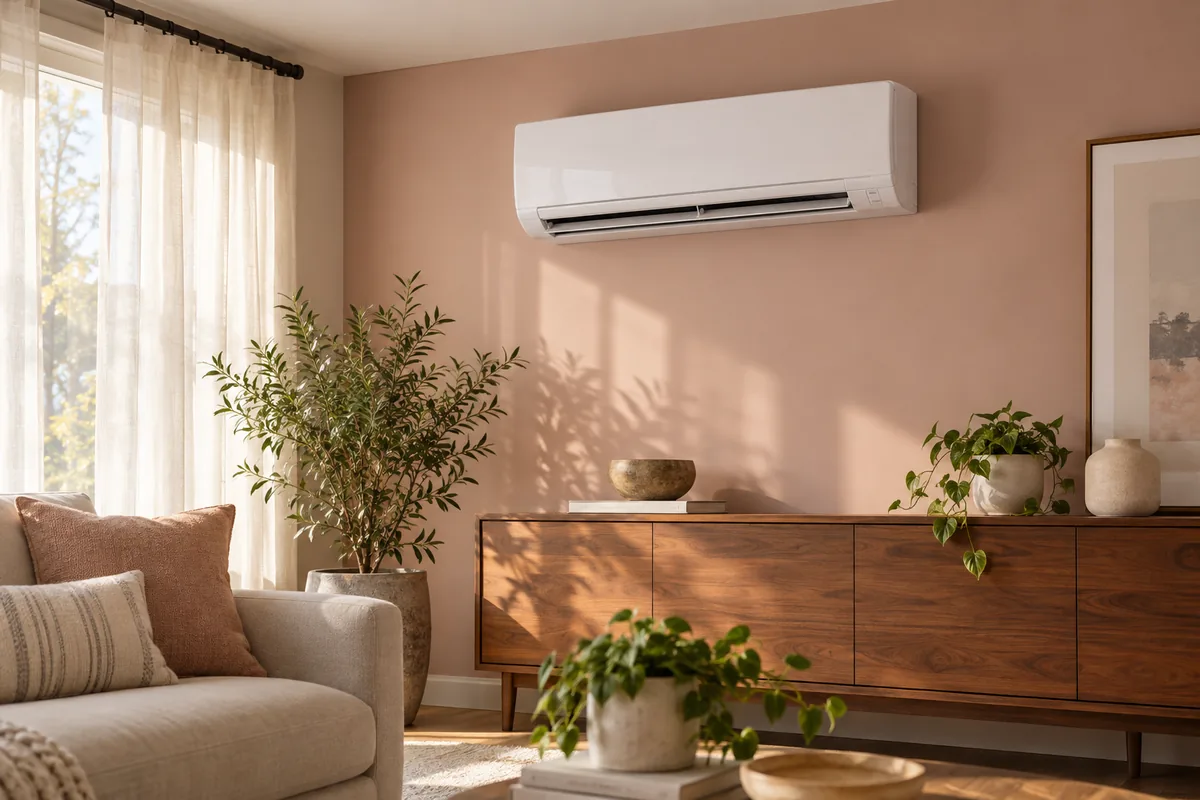
Next, describe what happens at the indoor head. Note whether it starts as usual, moves air in the expected direction and responds to its normal control. Mention any new sound, message or stop during operation. Those observations concern the equipment itself, even when the room layout has also changed.
Use the same operating context where you can. A comparison between cooling on one occasion and fan-only operation on another does not show the same request. Tell us which mode and setting led to the concerning result. If the earlier settings are unknown, leave that gap clear.
A visible control setting is not a measurement of comfort throughout the room. Explain the result where you actually use the space. Likewise, feeling air near the head does not establish how the rest of the room responds. Keeping these observations distinct gives the assessment a more useful picture of the complaint.
Air Paths and Service Access
Describe objects or changes close to the indoor unit without reaching into it. A nearby cabinet, a new partition or a changed furniture position can be relevant to understanding the room. Explain their position in plain language. The team can review the relationship between the visible arrangement and the reported comfort.
Do not treat that description as proof that moving one item will resolve the problem. An equipment fault can exist at the same time as a change in the space. The assessment should consider both facts without choosing a cause solely from their timing. This is especially useful when the head also shows a new message or a clear change in operation.
Keep access needs separate from air delivery. A unit may be easy to see but difficult to reach for service because of furniture or a built-in feature. Mention the access limit when arranging the visit. Do not dismantle fittings or move heavy items just to create a test before you know what the visit requires.
If the head’s visible vane position has changed, report that along with the selected settings. Use the normal control only as intended for your equipment. Avoid forcing movable parts by hand to aim the air toward a new seating area.
Equipment Repair and Room Redesign
Repair addresses an equipment fault. Moving a head, changing the system arrangement or choosing a larger unit requires a separate assessment. A room-layout change alone does not establish that any of those steps is needed.
Ask what the repair should restore and whether a separate comfort concern remains in the altered space. A repair finding does not define a full redesign or predict future energy use.
Visit Scope and Existing Faults
Make the normal control available and identify the area where you notice the comfort change. Explain whether the affected head shares equipment with other rooms, if you know. A changed request in one room may belong to a wider system, so uncertain connections should remain part of the visit’s questions.
Tell us about any fault that started before the layout changed, so an earlier message or cooling problem remains part of the assessment.
Our HVAC repair service in Camas covers separate heating and cooling equipment concerns. Identify each affected system when booking so the visit includes the work you need.
Same-day service is subject to availability. Parts or further assessment may require another step; confirm what the proposed work includes and when the next step can occur.
Equipment Response and Remaining Room Concerns
After repair, discuss the unit’s response and the result where comfort changed. Restored operation at the head may leave a separate room concern to assess.
Mention any room change that occurred before testing so the checked conditions are clear.
If trouble returns, report the current layout, settings and equipment response with the earlier findings. Contact HVAC & Appliance Repair Guys to request mini-split repair in Camas.
Frequently Asked Questions
Does a newly uncomfortable seating area mean the mini-split is undersized?
Not by itself. The new location, air delivery, equipment response and intended use need review. A comfort change raises a question about the setup. It does not prove a capacity problem or a need for a larger unit.
Should I request relocation before arranging repair?
Describe the problem first, including the room change. Relocation has a different scope from correcting an operating fault. The assessment should explain which issue exists before you decide whether a change to the system arrangement is appropriate.
Can a fault and a layout problem exist at the same time?
Yes, they are separate questions. Explain the known room changes and any new equipment behavior separately. Use the repair findings to establish what needs attention. One observation may not explain every part of the comfort complaint.
Request Mini-Split Repair in Camas, WA
For mini-split repair in Camas, WA, call HVAC & Appliance Repair Guys or submit a service request through the form on this page.