



Mini-Split Repair in Gervais
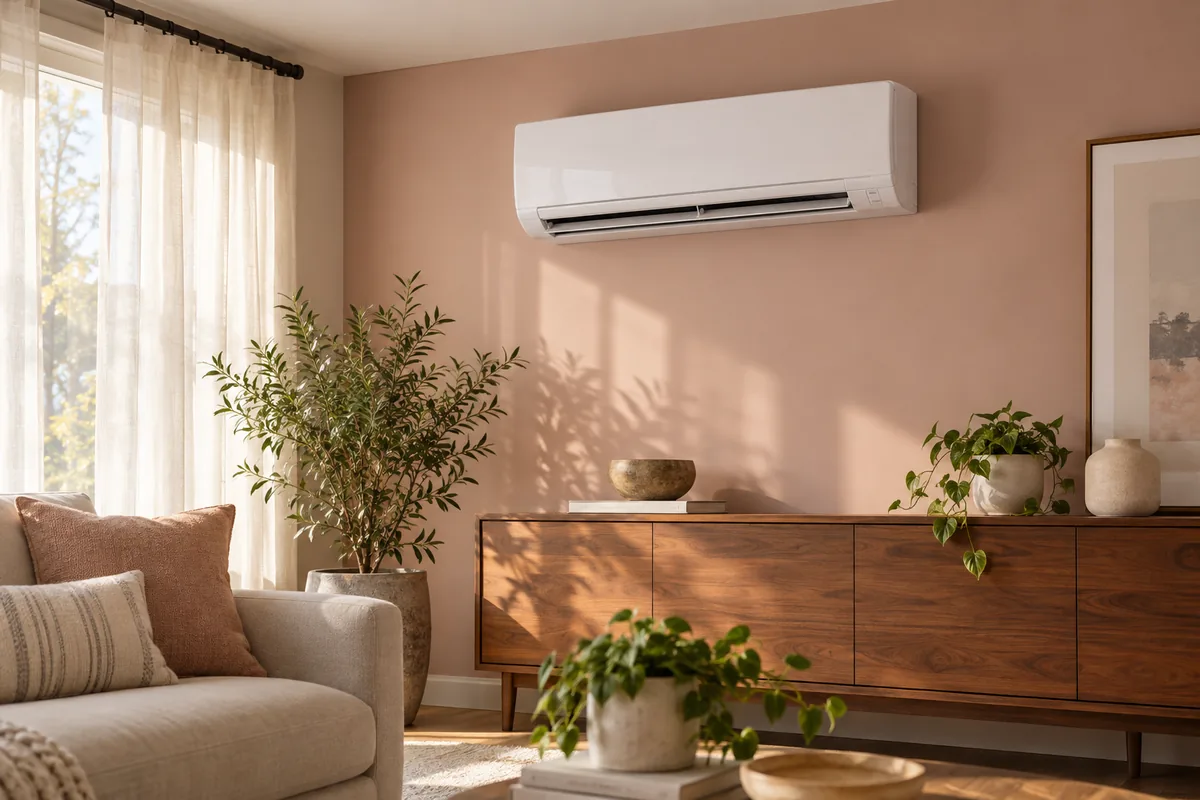
HVAC & Appliance Repair Guys provides mini-split repair in Gervais, OR, for heating or cooling loss, weak airflow, indoor water and control problems. If a changed odor is part of the concern, describe where and when it appears. You do not need to identify an internal part or type of growth before requesting service.
Our mini-split repair service starts with the equipment concern. Say whether the odor seems strongest near one head or throughout the room. Include whether other rooms have the same change. The location helps define the assessment, but smell alone does not prove that the head is the source.
Use ordinary words that make sense to you, then add the timing. An odor at startup and one that develops later are different observations. If you cannot describe it precisely, explain when you first noticed it. Avoid turning a rough description into a definite diagnosis of mold, a leak or a burned part.
Odor Timing and Other Operating Symptoms
Include the mode shown on the normal control and whether the unit still changes the room temperature. Mention any new water, noise or fault message you have already observed. These details can guide the equipment checks. They should stay separate so that one concern does not hide another.
Tell us whether the odor fades, stays steady or returns during ordinary use. Do not restart the unit repeatedly to produce it for the visit. If you notice it while the equipment is off, include that fact too. The timing alone cannot reliably identify or rule out every possible source.
Recent Care, Nearby Changes and Safety
Share any recent filter care or service at the head. State what work occurred, when it happened and whether the odor changed afterward. A brief improvement can be relevant without proving the full cause. An old invoice may help describe earlier work, but it cannot replace checks of the present condition.
Also mention a recent cleaning product, stored item or other change near the unit if you already know about it. That change provides context but does not establish the odor’s source. An odor moving through a room can be difficult to locate. The assessment needs to connect the complaint with evidence at the equipment.
Do not spray fragrance, disinfectant or cleaner into the unit. If you notice a burning smell, stop using the equipment and keep clear. If there is smoke or fire, leave the area and call 911 from a safe location. Arrange equipment service once the immediate danger has been addressed.
Equipment Assessment and Work Outside Its Scope
For the Gervais visit, identify the affected head and any access limits in the room. Explain where you noticed the odor without opening the case to search for it. Have the normal control and existing equipment details available. The technician can decide which internal checks the installed unit needs.
Ask what connects the odor to the equipment and whether a cleaning task, component repair or further check is proposed. Review the work, price and any return-visit needs before approval.
Equipment service does not automatically include testing concealed building materials or restoring walls and finishes. Keep those limits explicit if the concern extends beyond the head. An unconfirmed source should remain an open question. An odor alone does not establish a health condition or confirm that equipment service will remove a hazard.
Operating Checks and Persistent Odors
After work, discuss whether the original odor occurred during the operating check and any limits on that result. Ask what to report if the concern returns.
Planned mini-split maintenance covers ongoing care. Keep a persistent odor explicit when arranging service, with the earlier findings and completed work available.
If another person attends the appointment, share the original odor pattern and the questions you want resolved. Agree who can discuss proposed work. Contact HVAC & Appliance Repair Guys to request mini-split repair in Gervais.
Frequently Asked Questions
Can an odor identify mold inside the unit?
Smell alone cannot confirm a material or establish its source. Describe the odor and any visible condition from a safe position. Keep the equipment findings separate from assumptions about hidden growth or health effects.
What if the smell disappears before the appointment?
Keep the request tied to the earlier pattern and explain that it is absent now. Share when it last occurred and any work since then. The technician can explain what the current checks can establish.
Should I clean the head before the technician arrives?
Leave internal cleaning for the assessment. Report any care you have already completed and any product you used. Adding a new treatment can change the original condition without explaining its cause.
Request Mini-Split Repair in Gervais, OR
For mini-split repair in Gervais, OR, call HVAC & Appliance Repair Guys or submit a service request through the form on this page.