


Mini-Split Repair in Hillsboro
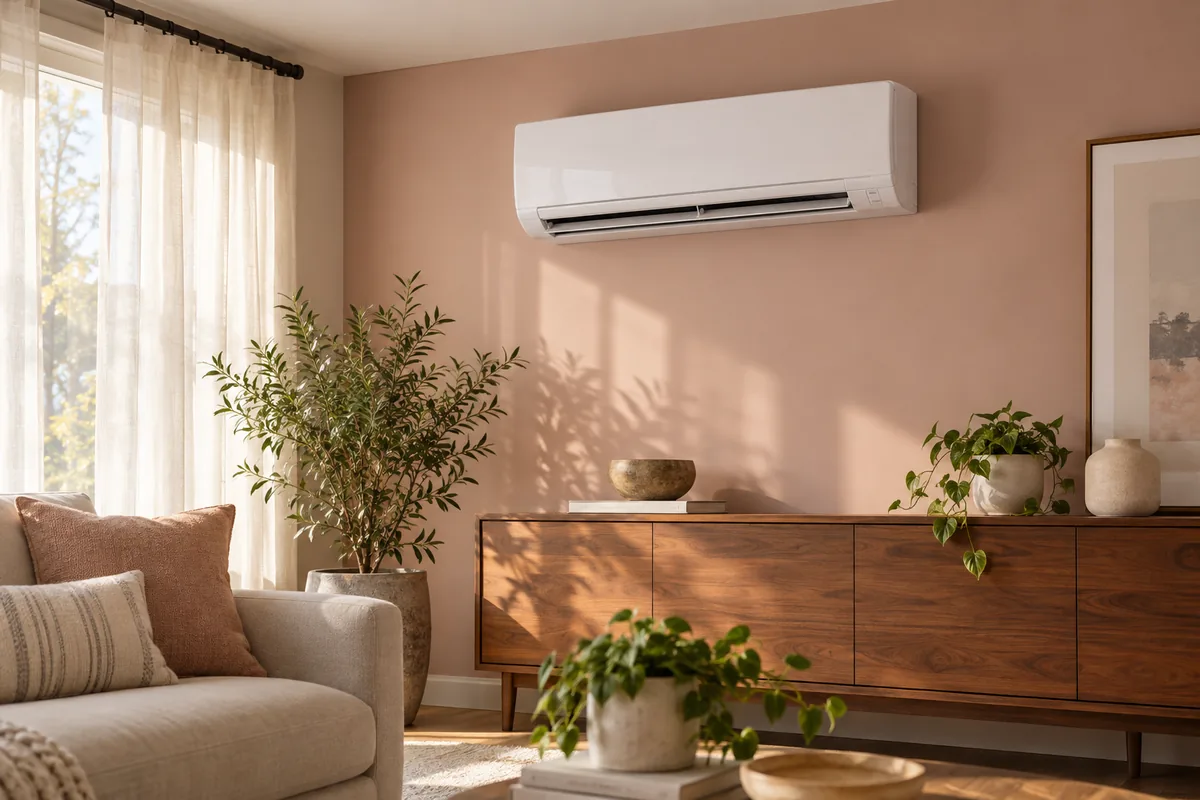
HVAC & Appliance Repair Guys provides mini-split repair in Hillsboro, OR. Tell us about lost heating or cooling, weak airflow, indoor water or a head that stops responding. If operation stops, distinguish a dark display, a stopped fan and loss of room comfort; they do not identify the same fault.
Our mini-split repair service starts with that equipment account. Identify the affected head and whether other indoor units stop at the same time. Include any outdoor response you already noticed from a safe position. Keep unknown connections open for the technician instead of assigning every head to one system.
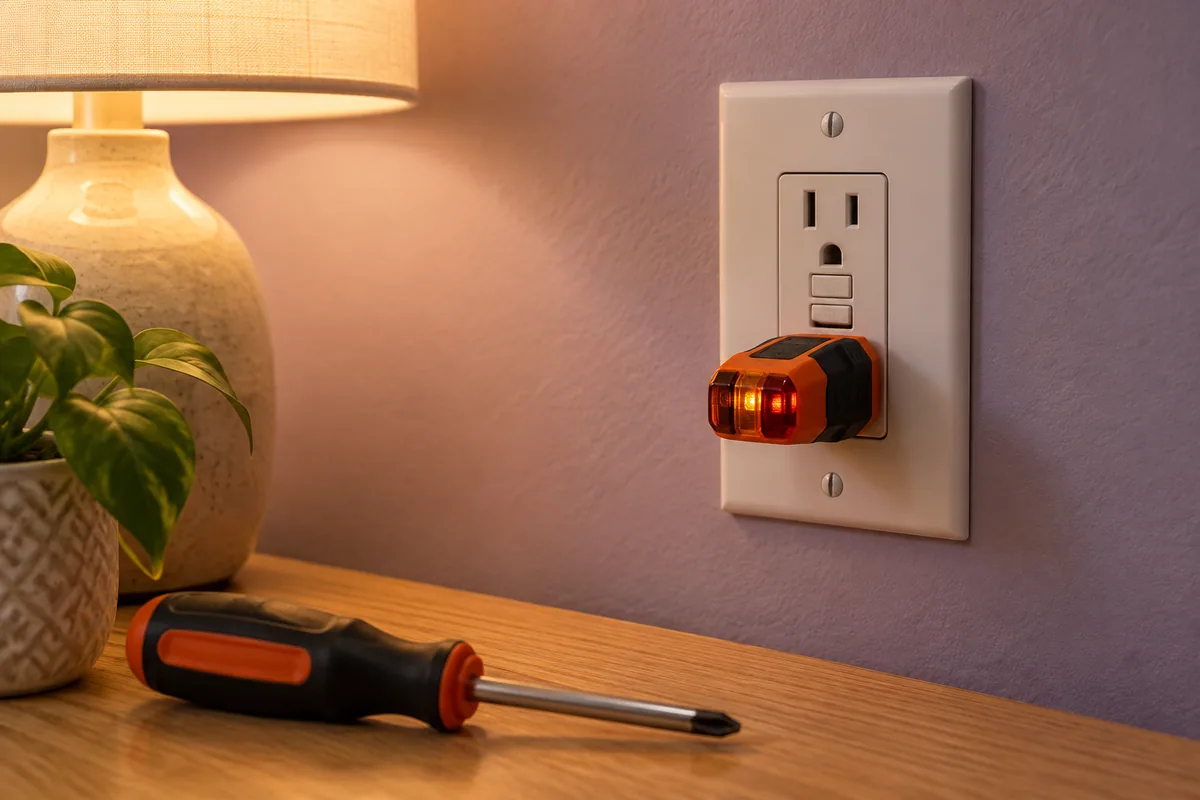
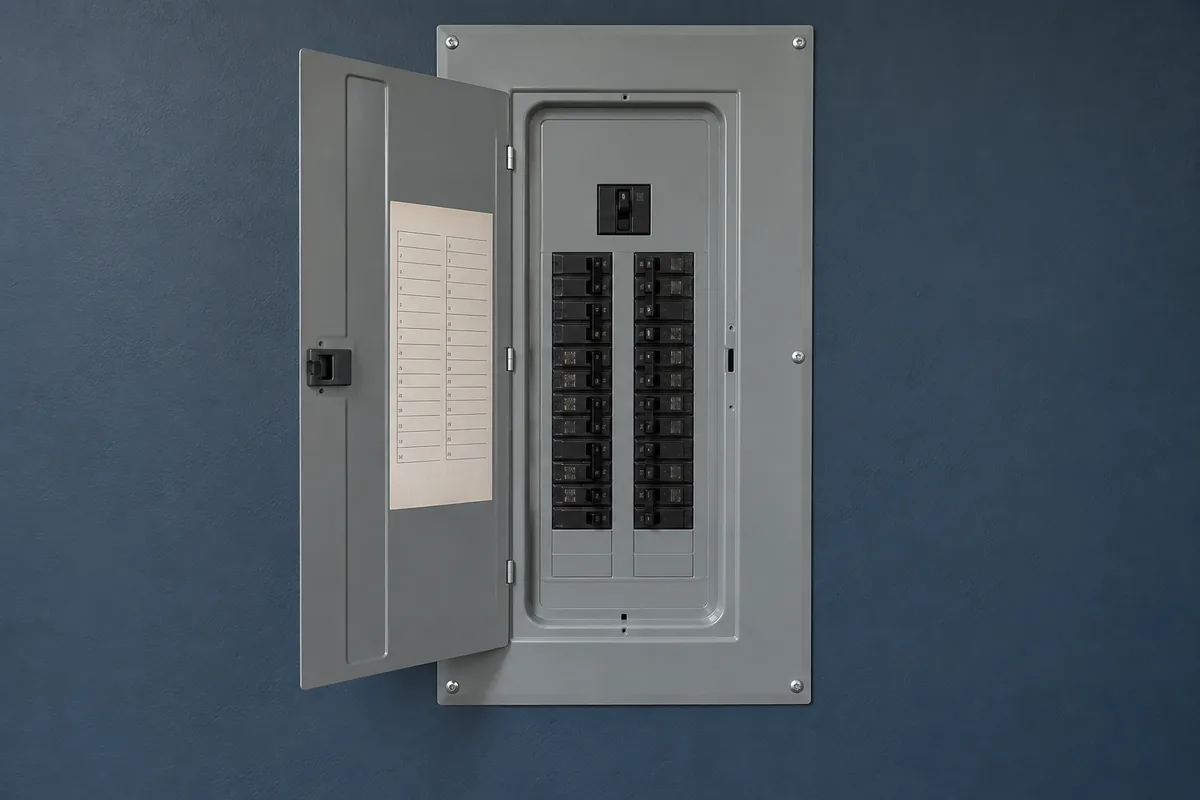
Report any breaker trip and what happened immediately before it. The event needs assessment of the relevant equipment and circuit conditions; it does not establish that the breaker itself has failed.
Breaker Trips and Electrical Safety
Do not repeatedly reset a tripping breaker or try to restart the unit. Leave the affected equipment off and arrange an assessment. The technician can explain the next step based on the equipment and reported event.
Leave panel covers, wiring and internal connections untouched. Do not bypass protective devices or use another power arrangement to keep the unit running. If you notice unusual heat or a burning smell, stop using the equipment and keep clear. If there is smoke or fire, leave the area and call 911 from a safe location. Do not reproduce the event for the appointment.
A unit that starts after an earlier reset has not necessarily resolved the reason it stopped. Include the reset in the history if it already happened. Explain how long the apparent recovery lasted and what returned, without performing another test.
Individual Heads and Connected Equipment
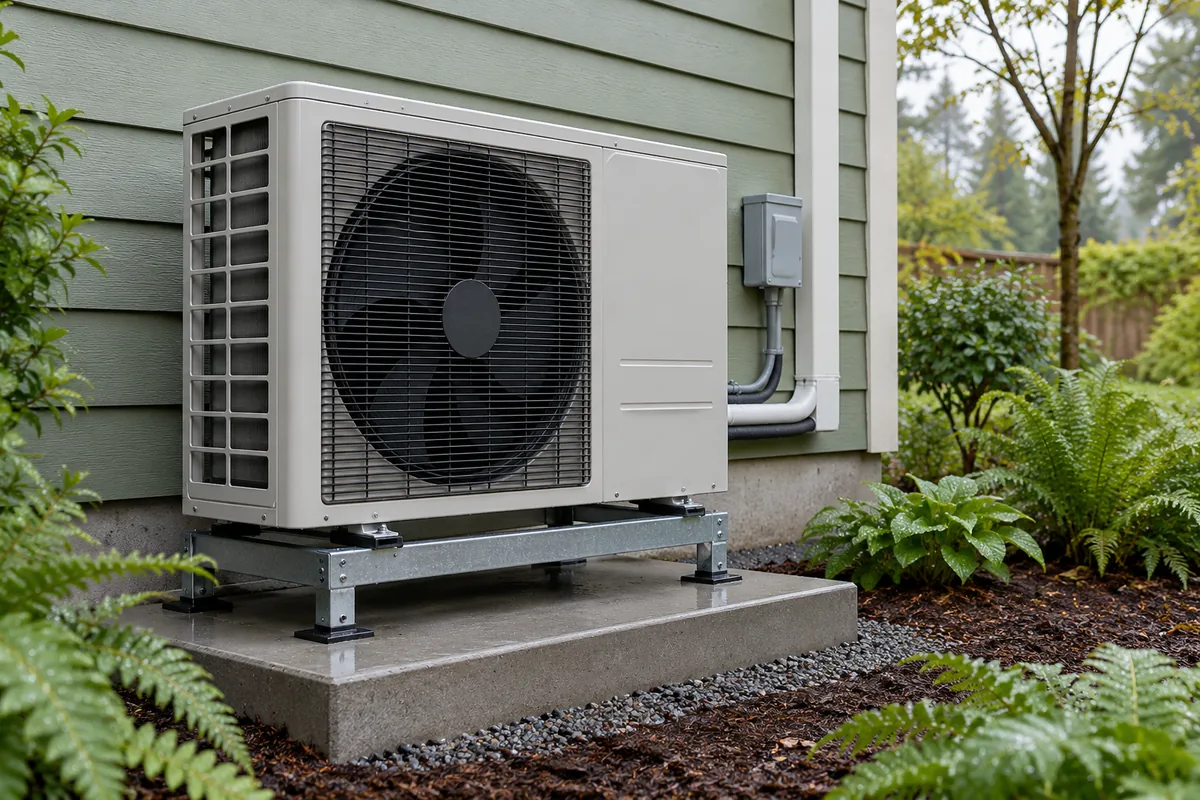
A property may have a single indoor head, several connected heads or more than one independent ductless system. The number of units you can see does not identify their electrical or equipment relationships. Existing installation records may help describe the setup. Leave tracing wires and hidden connections to the professional assessment.
If only one room loses operation, identify what the other heads do during normal use. A working display elsewhere adds context but does not prove that every shared part has normal power. If several heads stop together, preserve that timing. Neither pattern alone confirms a failed board, motor or another specific component.
Identify a separate central system if it also needs attention. Warmth or cooling from that equipment does not establish that the stopped mini-split has recovered.
Interruption Timing and Saved Fault Messages
Describe whether the interruption occurred at startup, after a period of operation or during a change you already observed. Include the selected mode and any normal schedule that was active. An approximate sequence is enough to begin the discussion. You do not need to run the system again to measure an exact interval.
If the head displayed a message before it stopped, keep the exact characters and identify where they appeared. An existing photo can preserve the event if the message later disappears. Do not clear records or alter hidden settings to obtain a different response. The message guides the assessment but does not replace checks of the equipment.
Mention whether the interruption happened once or recurred, and any work between events. Similar timing alone does not establish the same cause.
Recent Work and Equipment History
Share recent repairs, control changes or a wider power interruption if relevant to the timeline. The technician can compare that history with the present condition.
Use the earlier work record where available. Distinguish a suggested part from one actually replaced.
Missing records do not prevent a request. Describe the equipment and controls you recognize, leaving unknown model or history details for the assessment.
Safe Access for the Service Visit
For the Hillsboro appointment, explain where the affected head and outdoor unit are, if known. Mention gates, locked spaces or a high mounting position before arrival. Move ordinary stored items from the route only when safe. Leave equipment covers and electrical panels as they are for the professional checks.
Keep the normal control available. If someone else attends, share the event account and saved messages, and agree who can provide entry and approve work.
For additional equipment concerns, our HVAC repair service in Hillsboro covers the broader request. Identify each system when arranging the visit.
Equipment Findings and Further Assessment
Ask whether the checks confirmed an equipment fault or identified a need for further assessment. The proposed next step should explain what it will address.
Leave electrical and control checks to the technician. Symptoms alone cannot establish which capacitor, board or compressor the installed model needs.
A mini-split repair request does not automatically define separate circuit or panel work. Keep the confirmed equipment finding and any further need clear.
One confirmed fault may need repair before further operation can be checked. Ask what the first task will establish and which question remains.
Repair Approval and Return to Service
Review the work, price, parts and any return visit before approval. Same-day service depends on availability and does not guarantee that every needed part is ready that day.
After work, discuss which heads and modes were checked, how they responded and whether any testing limit remains. A lit display alone does not confirm restored heating or cooling.
Ask for guidance on using the actual system if work remains open. Do not assume that another head is safe to run just because its display still responds. Shared equipment may matter to that decision. The technician can explain the limits after assessment without asking you to test different combinations yourself.
If another interruption occurs, report the unit, message and timing with the completed repair details, then leave the equipment for assessment. Once the active fault is resolved, mini-split maintenance in Hillsboro covers planned care. Contact HVAC & Appliance Repair Guys to request mini-split repair in Hillsboro.
Frequently Asked Questions
Should I reset the breaker so the technician can see the trip?
No. Report the event you already observed and leave repeated resets out of the preparation. The technician can decide how to assess the equipment safely. A service request does not require you to reproduce a protective trip.
Does a tripped breaker prove that the breaker needs replacement?
No. It identifies an interruption that needs assessment, not a confirmed failed component. Describe the affected equipment and the timing. The findings should determine whether the cause lies within the repair scope.
What if the unit worked for a while after someone restarted it?
Include that temporary recovery and how the problem returned. Explain any work between the two events. A successful restart does not by itself establish that the original cause has ended.
Can service start when I do not know which units share power?
Yes. Identify the room units and controls you already know about. Share existing records if available and keep unknown connections clear. The technician can assess the relevant setup without you tracing wires or opening panels.
Request Mini-Split Repair in Hillsboro, OR
For mini-split repair in Hillsboro, OR, call HVAC & Appliance Repair Guys or submit a service request through the form on this page.