



Mini-Split Repair in Hubbard
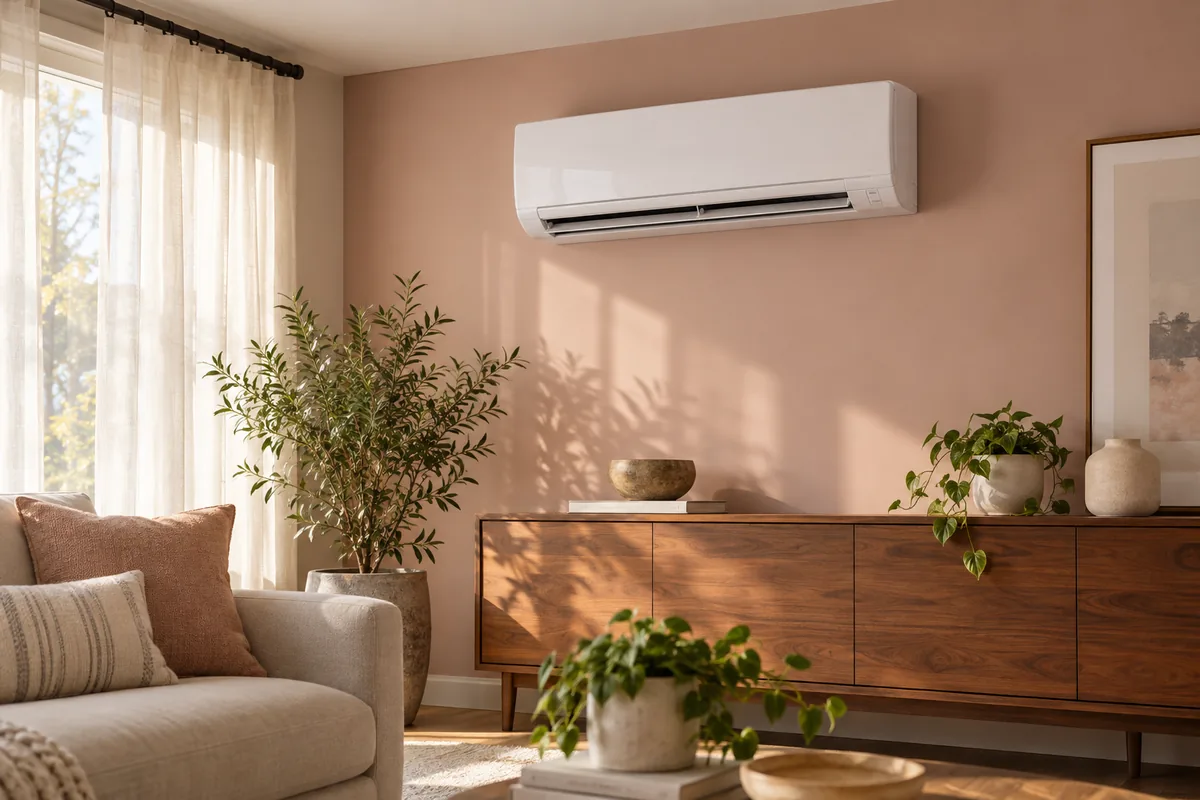
HVAC & Appliance Repair Guys provides mini-split repair in Hubbard, OR, for lost heating or cooling, weak airflow, indoor leaks and control concerns. Tell us what the head does and how the room feels. A cool stream at the outlet may still leave the occupied space damp or uncomfortable, so include that concern even when some cooling remains.
Our mini-split repair service addresses the equipment concern behind the request. Describe whether this is a new change or a condition you have noticed for some time. Keep the room location and normal operating mode with that account. The technician needs more than a general statement that cooling still works.
Visible Water and Damp-Room Conditions
During cooling, moisture can collect on the indoor coil and leave through the condensate drain. That process does not make every damp-room complaint a drain fault. Explain whether you actually see water near the head or only notice the room feeling damp. The distinction helps define the equipment checks.
If water escapes onto the wall or floor, report where and when you first saw it. Stop using leaking equipment and keep clear of wet electrical parts. Do not run it again to produce a drip for the visit. If no visible leak exists, keep that fact in the account without assuming the drain or every other part is sound.
An existing room reading can add context if you already have one. Include where and when you took it, rather than treating a single number as proof of a failed part. You do not need to buy a measuring device before requesting service. The visit can start with a clear description of the change.
Equipment Assessment and Building-Moisture Limits
For the Hubbard appointment, identify the affected head and explain whether other rooms feel different. Mention changes to the normal schedule, room use or nearby furnishings if relevant. These are observations for the assessment, not automatic causes. Avoid hidden control settings or repeated mode changes intended to force a result.
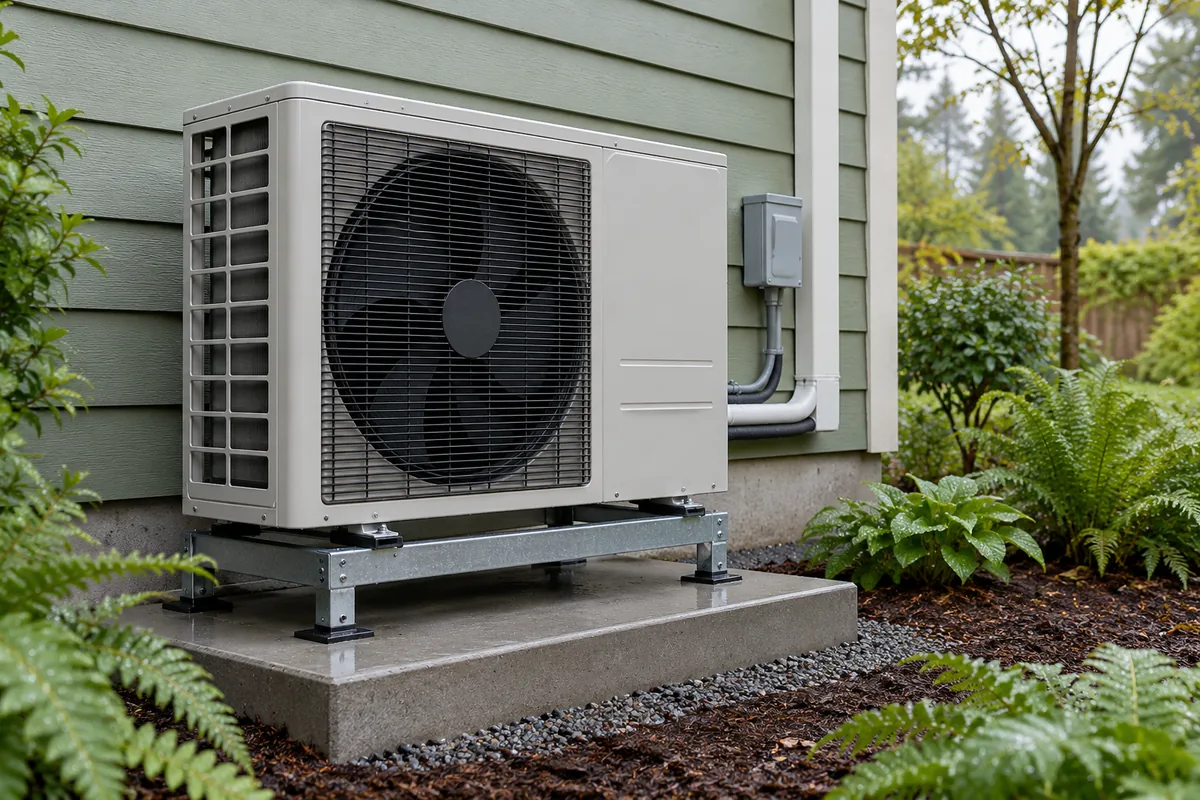
Have the normal control and earlier service notes available. Explain any access limit around the head or outdoor unit before arrival. The technician can assess how the equipment operates and which findings support repair. A room sensation alone does not justify a refrigerant task, a new control board or a replacement system.
Keep building moisture concerns separate from confirmed equipment work. A mini-split visit does not automatically include concealed-material testing or wall restoration. Ask what the assessment establishes and what remains outside its scope. Repair should address a confirmed equipment fault; it may not resolve every source of indoor moisture.
Repair Checks and Remaining Comfort Concerns
Review the work, price and any follow-up before approval. After the repair, ask which operating and drainage checks the technician completed. Keep any test limit with the result. A cooler stream of air should not erase the damp-room concern that originally prompted the visit.
Routine mini-split maintenance can support later equipment care. If the room remains uncomfortable, explain what improved and what did not. Keep those observations with the completed work and any open recommendation. Another cleaning task may not fully resolve the concern. Contact HVAC & Appliance Repair Guys to request mini-split repair in Hubbard.
Frequently Asked Questions
Does a damp feeling prove the head is leaking?
No. Distinguish visible water from the way the room feels. The technician needs to assess the equipment before identifying a drainage fault or another cause. Report either observation plainly.
Should I lower the setting to test the problem?
Describe the result at the settings you normally use. Repeated changes can make the original pattern harder to explain. Keep the existing observations for the assessment instead of trying to force a different response.
Can I request service without a humidity reading?
Yes. Explain the room condition, when it changed and what the head does. A reading you already have can add context, but you do not need one to begin the service request.
Request Mini-Split Repair in Hubbard, OR
For mini-split repair in Hubbard, OR, call HVAC & Appliance Repair Guys or submit a service request through the form on this page.