



Mini-Split Repair in Keizer
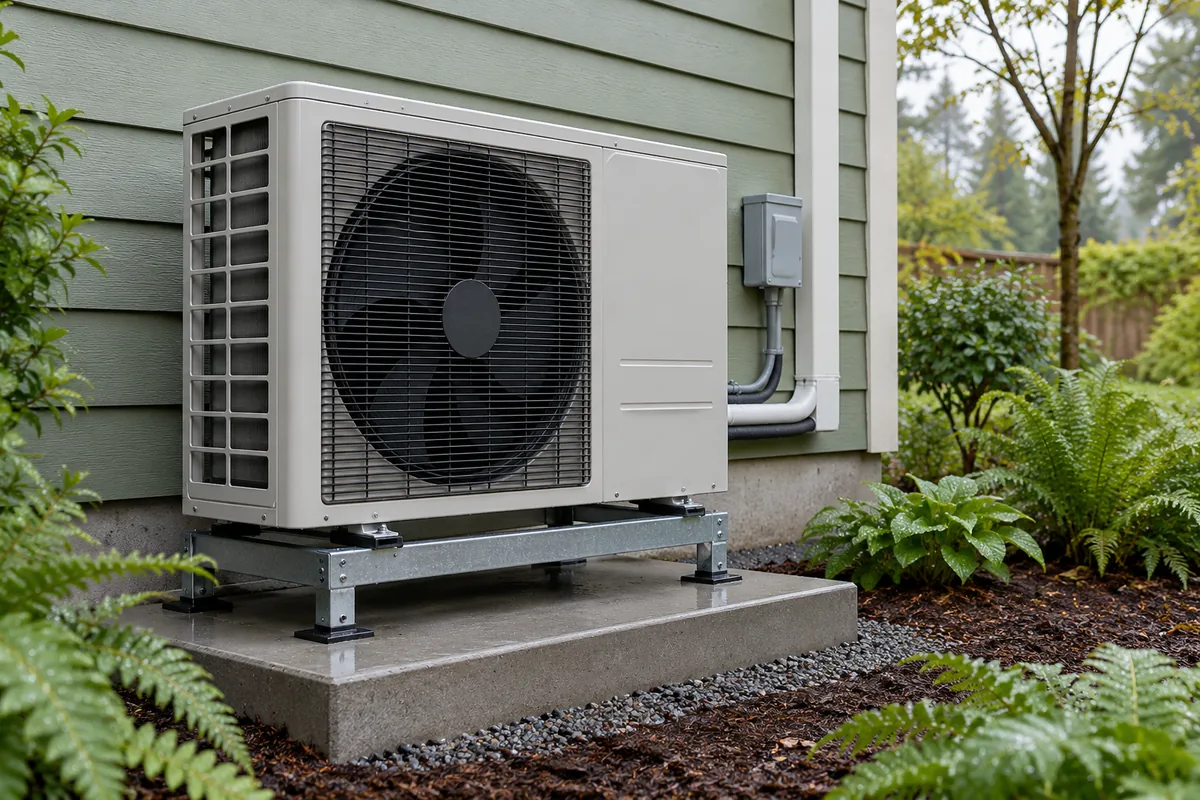
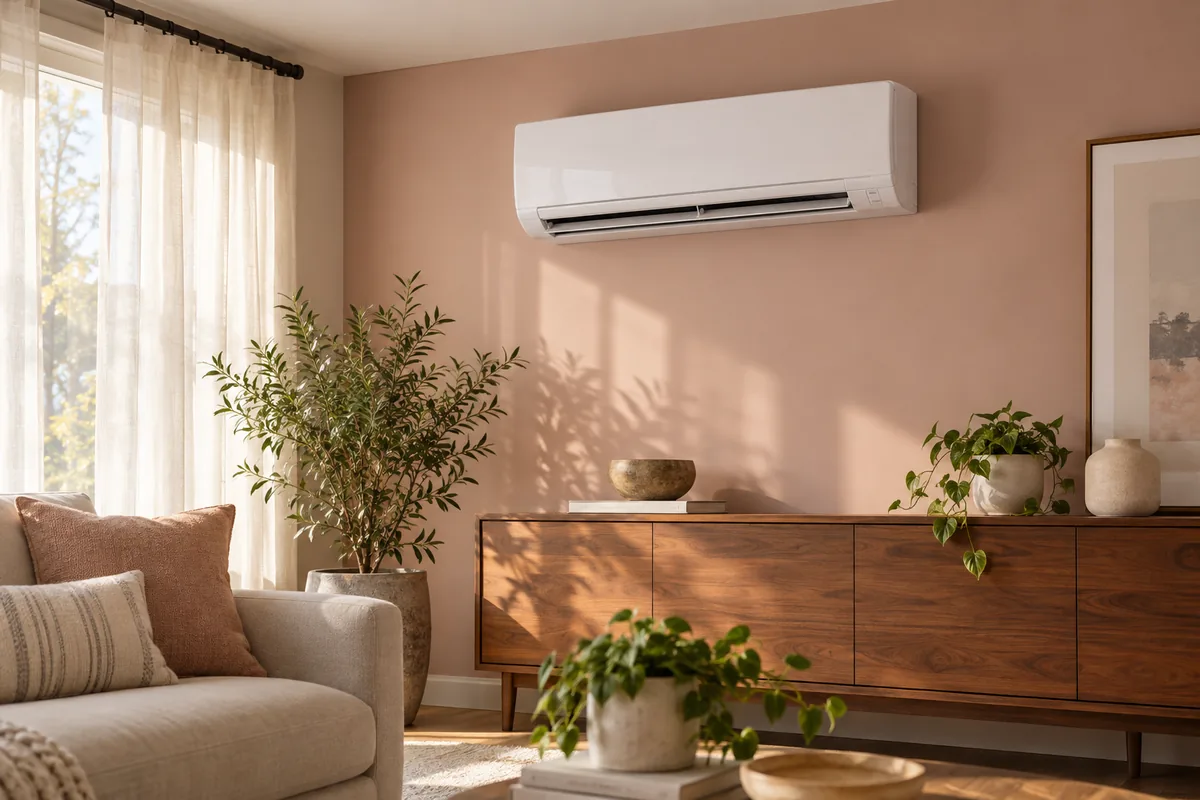
HVAC & Appliance Repair Guys provides mini-split repair in Keizer, OR. We assess lost heating or cooling, weak airflow, water and unresponsive units. When the control and room seem to disagree, identify whether the display shows a chosen setting or a room reading. A setting requests a temperature; it does not confirm the result throughout the room.
Our mini-split repair service connects the comfort concern with the installed system. Explain whether the room feels warmer or cooler than expected and whether this is a recent change. Include the normal mode and the head involved. Those details keep the request focused without choosing a sensor or control as the cause.
If you are unsure what a displayed number means, say so or share an existing screen photo. Leave hidden menus and internal adjustments unchanged for the assessment.
Room Readings, Locations and Timing
If you already use a separate room thermometer, describe where it sits and when you noticed the difference. Keep that reading separate from the control setting. A number from one point does not describe every occupied area. You do not need to buy a second device or move equipment to make a service request.
Explain whether the difference remains steady or changes during a normal run. The room may initially feel comfortable and later drift away from the expected result. It may also stay uncomfortable from startup. Keep the sequence you observed, without running repeated experiments to prove an exact number of degrees.
If more than one person uses the controls, clarify the settings each normally selects. An unknown setting change can make the history harder to explain, but it does not rule out a fault. The visit needs the actual room concern as well as the control information.
Airflow, Air Temperature and Room Comfort
At the affected head, say whether air moves strongly, weakly or not at all during ordinary use. Also explain whether that air feels warm or cool in the selected mode. These observations are distinct from a displayed number. They help the technician connect the room result with equipment operation.
If another indoor head serves a different room, describe its response without assuming both share every component. A comfortable second room adds context rather than proving the first head is sound. Identify any separate heating or cooling equipment that also serves the space. Its output should not count as the mini-split result.
Mention a recent change near the outlet or in how you use the room. Keep that context separate from a conclusion about the cause. The technician needs to assess the head and its supported controls. A new room arrangement does not automatically require a larger unit or a replacement control.
Control Assessment and Proposed Repairs
For the Keizer visit, have the normal control available and explain access to the head. Share model details from an existing record if you have them. Leave wiring, covers and internal adjustments untouched. The assessment should establish which control information matters to the installed equipment and the reported comfort problem.
Ask how the findings support the proposed repair and how it should address the room complaint. Review the work and price before choosing a sensor or control replacement.
If the unit behaves normally during the appointment, keep the earlier observations in the discussion. Ask what the current check establishes and what remains uncertain. A short period of normal output does not explain every recurring difference. Clarify any useful follow-up observation without taking on internal tests yourself.
Equipment Response and Comfort After Repair
After work, discuss the equipment response and room result, including any mode or access limit on testing. A changed display number alone does not establish restored comfort.
If separate equipment may be affecting the room, our HVAC repair service in Keizer covers a broader request. Identify that system and its own response while arranging service. Keep completed work and any remaining concern distinct. Contact HVAC & Appliance Repair Guys to request mini-split repair in Keizer.
Frequently Asked Questions
Does a different room reading prove that a sensor has failed?
No. Explain the readings, their locations and the equipment response. The technician needs to assess the installed setup before selecting a sensor repair. A difference alone does not establish the failed part.
Should I change an internal temperature offset before service?
Leave internal adjustments for the assessment. Report the normal settings and what the room feels like. Changing an unknown offset can alter the original condition without explaining why comfort changed.
Can I request repair without a separate thermometer?
Yes. Describe the room result and the response you observe during normal use. The service request does not depend on collecting a precise temperature comparison. Existing readings are context if you already have them.
Request Mini-Split Repair in Keizer, OR
For mini-split repair in Keizer, OR, call HVAC & Appliance Repair Guys or submit a service request through the form on this page.