



Mini-Split Repair in Troutdale
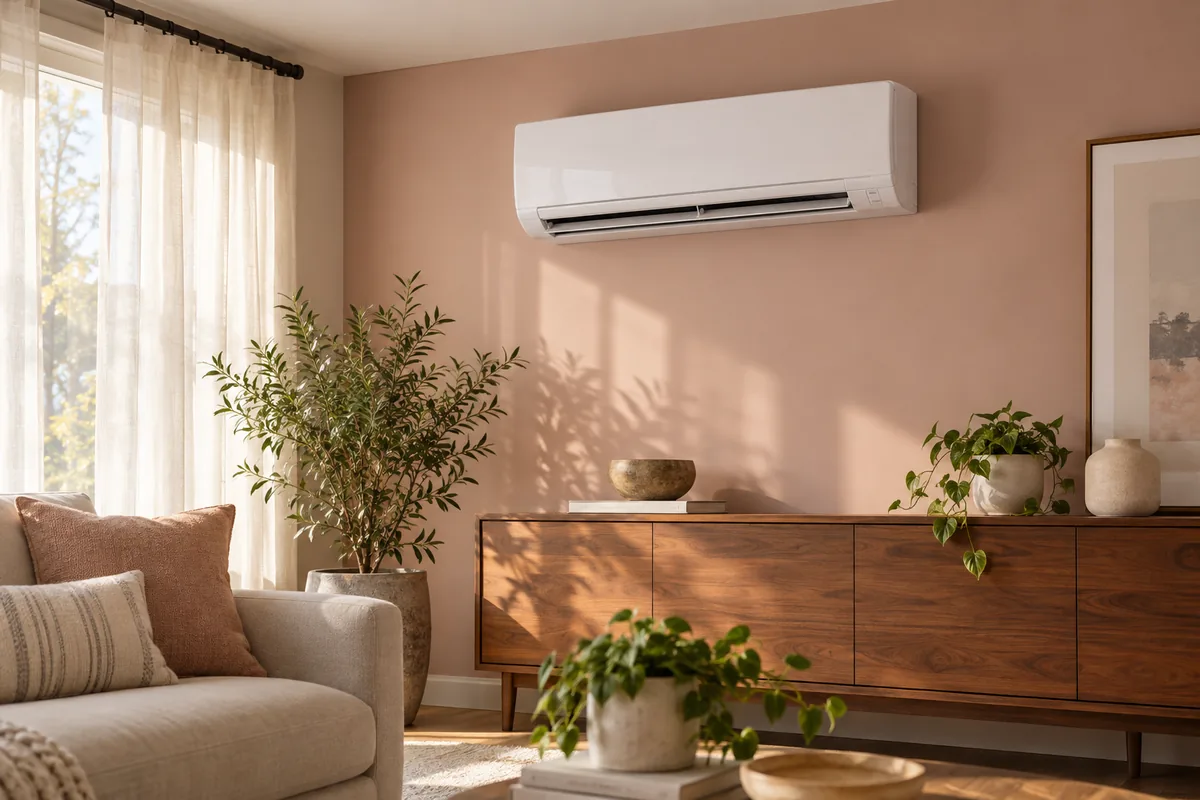
HVAC & Appliance Repair Guys provides mini-split repair in Troutdale, OR. Describe any change in heating, cooling, sound or controls and identify the affected unit. If you notice a cracked case, shifted cover or other visible damage, report its location and leave the equipment undisturbed for assessment.
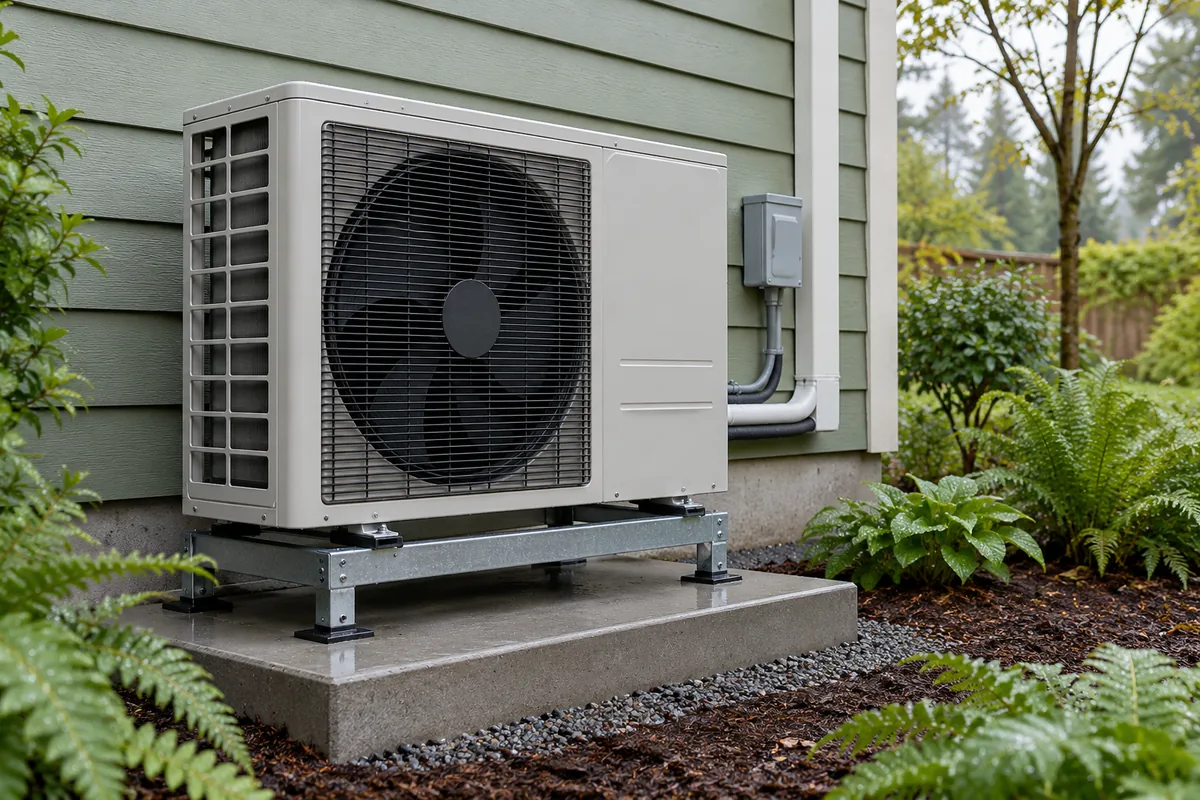
Our mini-split repair service assesses the installed equipment and the concern you report. Explain whether the change is at an indoor head, the outdoor cabinet or a visible line cover. These locations can involve different checks and work. A damaged outer surface does not by itself identify an internal fault or settle the repair scope.
For a comfort problem, distinguish weak airflow from a normal stream that fails to heat or cool the room. Mention the affected mode and whether one head or several changed. If visible damage is also present, include when you first noticed it without running the unit to test its response.
Visible Damage and Earlier Equipment Operation
Describe how the system operated before you stopped using it. Mention any loss of output, new sound, visible water or display message you already observed. Do not run damaged equipment to find out whether another symptom appears. The visit can use the existing account and a safe assessment of the current condition.
A head that still delivers air does not establish that the visible change is harmless. Likewise, a mark on a cover does not prove that every internal component has failed. Keep both the known response and the uncertainty clear. The findings should explain which parts of the reported concern need work.
If another head still runs normally, identify it without using its response to judge the damaged unit. The property may have shared equipment or separate systems. Leave the connections open if you do not know them. The technician can clarify which parts of the setup matter to the assessment.
Damaged Equipment Safety and Access
Do not push a shifted head back into position or pull off a damaged cover to look inside. Leave supports, electrical parts and line connections for the technician. A change in appearance after pressure does not establish a sound repair. Keep the equipment stopped when its condition appears unsafe.
If you already have a photo from a normal safe position, retain it for the service discussion. There is no need to climb, reach behind the outdoor unit or move it for a clearer image. Describe anything you cannot safely inspect. The team can clarify access needs while arranging the appointment.
For the Troutdale visit, explain the location and the route to the affected equipment. Mention a locked area, a high mounting position or a surface that is unsafe to approach. Move ordinary stored items only when safe. Preparing access should not involve changing the equipment or disturbing damaged parts.
Equipment Repairs and Surrounding Surface Work
Ask which findings support the proposed repair and what the task includes. A cover repair, an internal component repair and work on surrounding finishes are different scopes. Review the price, required parts and any later visit before approval. The proposal should identify the equipment work that addresses the confirmed condition.
Describe damage to the surrounding wall separately from the proposed equipment repair. Keep any separate question explicit. The technician can explain what the equipment assessment establishes and what it leaves open. Inspecting the head does not automatically include repairing surrounding surfaces.
Our HVAC repair service in Troutdale covers requests involving other heating or cooling equipment. Identify that unit and the condition you observed. A single visible event does not establish identical work on every system. The agreed scope should follow the actual equipment findings.
Operating Checks and Return-to-Use Guidance
After work, discuss the checks that relate to the visible damage and the original operating concern. Ask what the technician established and whether any task remains open. A repaired-looking cover does not describe every equipment function. Keep the operating result and any limit on testing with the work record.
Ask for guidance about using the installed system while any repair remains incomplete. Do not assume a partly restored unit is ready simply because its display responds. If you notice another change later, report the location and timing with the earlier findings. The follow-up discussion should use the new condition rather than assume the same damage explains it. Contact HVAC & Appliance Repair Guys to request mini-split repair in Troutdale.
Frequently Asked Questions
Does a damaged outer cover mean the whole unit needs replacement?
Not by itself. The technician needs to assess the equipment beneath the visible change. Ask which findings support repair or a separate replacement discussion. Appearance alone does not establish the full scope.
Should I remove a loose cover before the appointment?
Leave equipment parts and supports for the assessment. Describe the condition and any access concern when requesting service. Do not pull on the unit or expose internal parts to prepare.
Can I request an assessment without knowing how the damage happened?
Yes. Explain when you first noticed it and what the equipment did before you stopped use. Keep any uncertain history clear. The present condition can guide the assessment without a guessed cause.
Request Mini-Split Repair in Troutdale, OR
For mini-split repair in Troutdale, OR, call HVAC & Appliance Repair Guys or submit a service request through the form on this page.