



Mini-Split Repair in Washougal
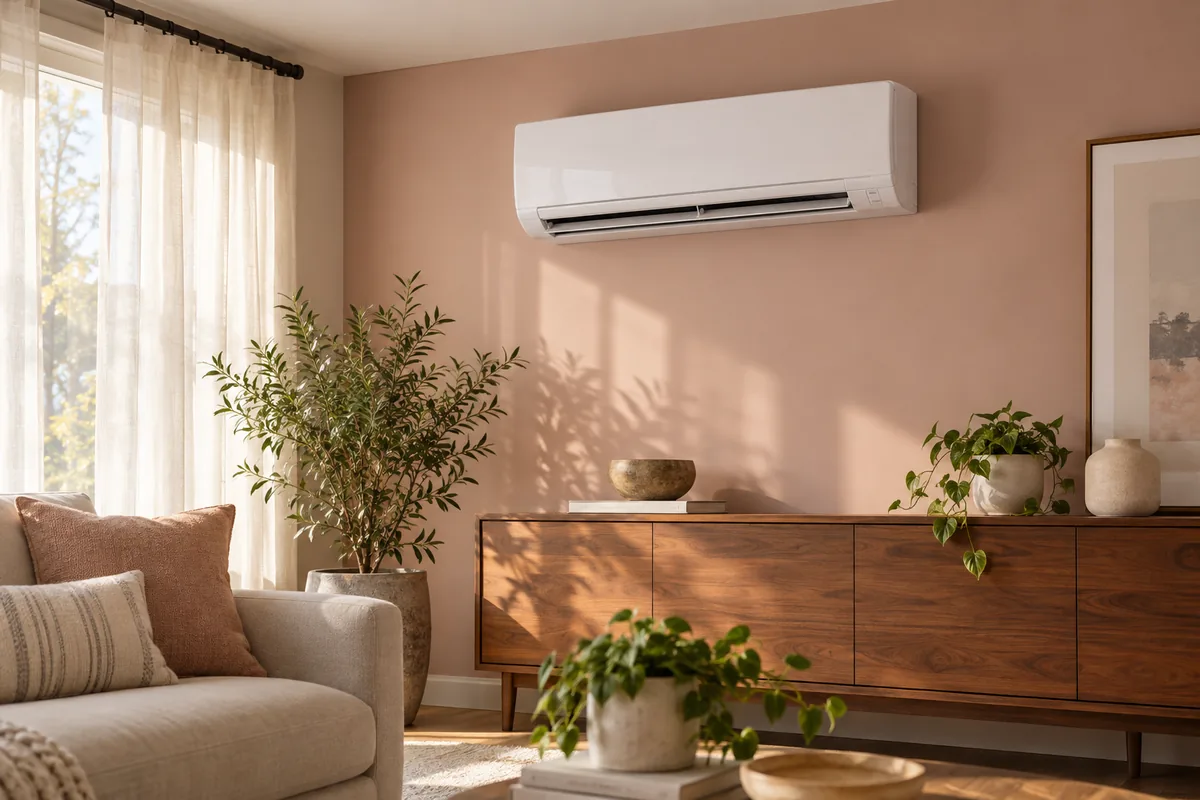
HVAC & Appliance Repair Guys provides mini-split repair in Washougal, WA. Describe the affected unit and any change in heating, cooling, airflow or controls. If you notice water, include its location, the operating mode and whether indoor comfort has changed.
Our mini-split repair service covers water concerns and changes in operation. A visible drain outlet, moisture below an outdoor unit and water on an indoor wall are different reports. The repair assessment needs to identify the relevant equipment and water path before it defines the work.
Water Location and Equipment Identity
Describe the first place you noticed water: a visible pipe end, below equipment or an unclear nearby source. You do not need to trace hidden lines or reach behind the outdoor unit.
A later puddle may not show where water began. Say when you did not see the initial source.
Also identify which outdoor unit you mean when more than one sits at the property. Share its connection to an indoor head only if you know it. A location label or existing record can help. Do not assume that the unit nearest a wet area serves the room that has a comfort complaint.
Cooling Condensate and Heating Defrost Moisture
During cooling, moisture can collect at the indoor coil and leave through a condensate drain. Water at a known drain outlet can therefore have a different meaning from water escaping at the indoor head. The location and installed drainage arrangement matter. The presence of water outside does not, by itself, prove a blocked drain or a failed component.
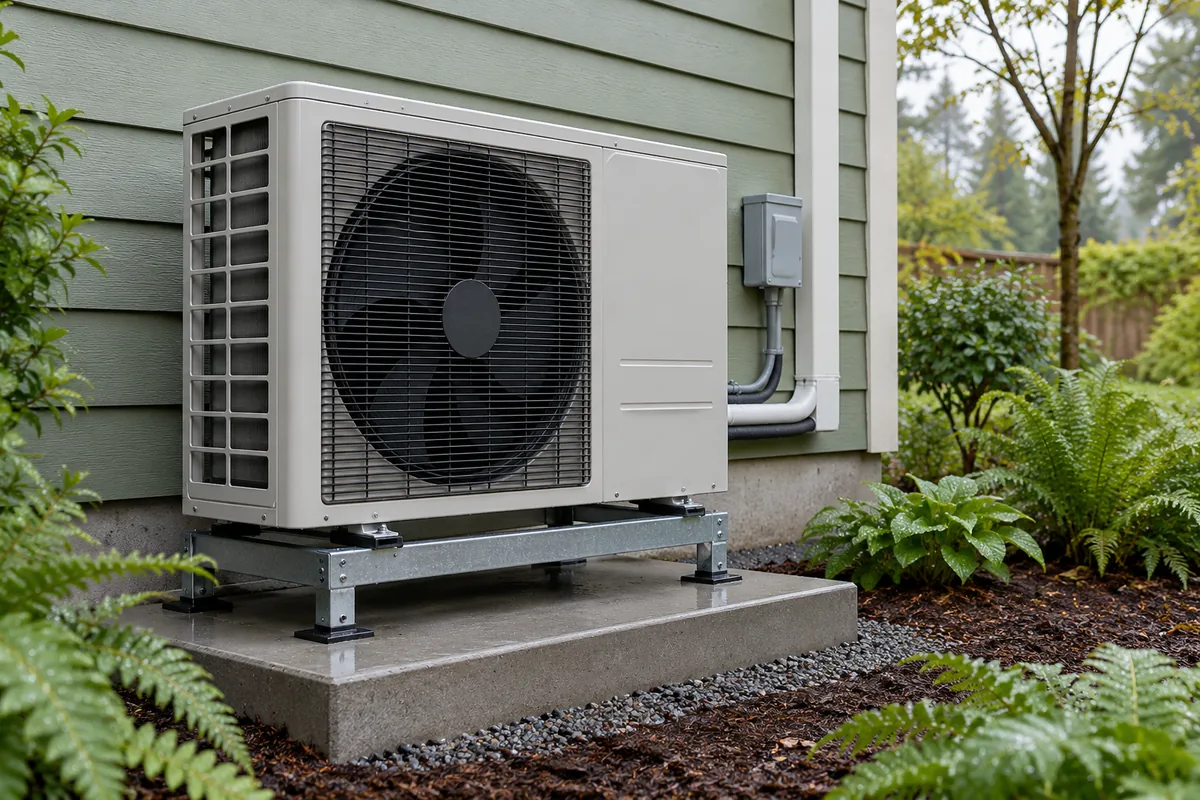
A mini-split configured as a heat pump can also produce outdoor moisture during heating. Its defrost process can melt frost at the outdoor equipment. That is a possible operating context, not a diagnosis of every wet patch. Persistent buildup, an unclear source or a loss of useful heating still deserves a specific account.
State the mode that was in use when you noticed the water. If you only saw the wet area later, explain that the mode at the time is unknown. Do not switch functions repeatedly to create a comparison. The technician can review the equipment and the observations you already have.
Indoor Leaks, Outdoor Water and Room Comfort
Tell us whether the room still receives expected heating or cooling. Outdoor water and poor comfort can occur together without sharing one cause; normal defrost moisture does not dismiss a separate comfort fault.
If water is leaking from the indoor unit onto the wall or floor, stop using the affected unit and report the location. Keep away from wet electrical parts. Describe outdoor water separately, even if you think the observations involve the same drain.
Include any visible ice or message without trying to remove the ice or interpret the code. Explain where it appears and whether operation has changed.
Water Timing and Earlier Service
Say whether water appears during or after operation. Make clear when you cannot connect its timing to the system.
If earlier service addressed water, keep that record with the current request. State which equipment and task the record identifies. Do not assume an earlier indoor drain repair explains a new wet area outside. The new event needs its own location and operating history.
A dry area during the appointment does not make your earlier report invalid. Share the details you observed and any clear record you already have. Avoid operating a unit with a known fault just to recreate the water. Ask the team about further use while the cause or significance remains unclear.
Repair Findings and Work Outside the Equipment
Ask whether the findings explain normal operation or a condition needing repair, using the water location, operating mode and room result.
Review the proposed work and price, including which part of the equipment or drain path it addresses and any further check needed.
Keep work on the equipment separate from changes to the surrounding area. A wet path, surface drainage concern or damaged finish may involve more than the mini-split itself. Explain the effect you see, then clarify what the equipment service includes. Do not assume that a repair also changes the surrounding paving, building finish or landscape.
Water near refrigerant lines does not let you identify the fluid or diagnose a refrigerant leak from appearance alone. Describe its location without handling a connection or opening equipment. Leave the internal checks to the technician.
Safe Access to Indoor and Outdoor Equipment
Explain how the team can reach the outdoor unit and the indoor head involved. Mention gates, locked areas and stored items that restrict access. Keep a safe route available where practical. You do not need to remove a cover, disconnect a hose or change the drain route before the visit.
Mention water or another access limit along the route. Do not walk through water or around moving equipment to collect more details.
Keep the normal control available and identify the affected room. Share known head-to-outdoor-unit connections and leave uncertain ones for the technician.
Our HVAC repair service in Washougal covers broader heating and cooling faults. Use that scope if a separate system also has trouble.
Water-Location Checks and Remaining Work
After work, discuss the check at the original water location and under the relevant operating conditions. Include the room result if lost comfort formed part of the complaint.
Record any limits on testing, including whether the earlier water event occurred during the visit. Ask what to report if it happens again.
Same-day service may be available. Parts or further checks can affect completion; confirm the remaining task and purpose of any return visit. Contact HVAC & Appliance Repair Guys to request mini-split repair in Washougal.
Frequently Asked Questions
Is water under the outdoor unit always a repair problem?
No universal conclusion follows from that location alone. A heat pump can produce outdoor moisture during heating and defrost, but the mode, source and operating result matter. Report persistent or changed conditions and any loss of comfort for assessment.
Does water from a drain outside mean the indoor head is leaking?
Not necessarily. A cooling system can discharge indoor condensate through its drain to the outside. Water escaping onto an indoor wall or floor is a separate concern. Identify both locations clearly if you notice both.
Should I redirect a drain myself to stop the wet area?
Do not change the route as a guessed repair. Explain where water collects and ask which findings support a change. The equipment arrangement and the proposed scope need review before altering a drain or surrounding area.
What if the room feels normal but the outdoor water pattern is new?
Describe the new pattern and state that room comfort appears unchanged. That distinction gives the assessment a precise question. A normal room result adds context, but it does not establish the source of every new outdoor water event.
Request Mini-Split Repair in Washougal, WA
For mini-split repair in Washougal, WA, call HVAC & Appliance Repair Guys or submit a service request through the form on this page.