


Repiping in Aloha
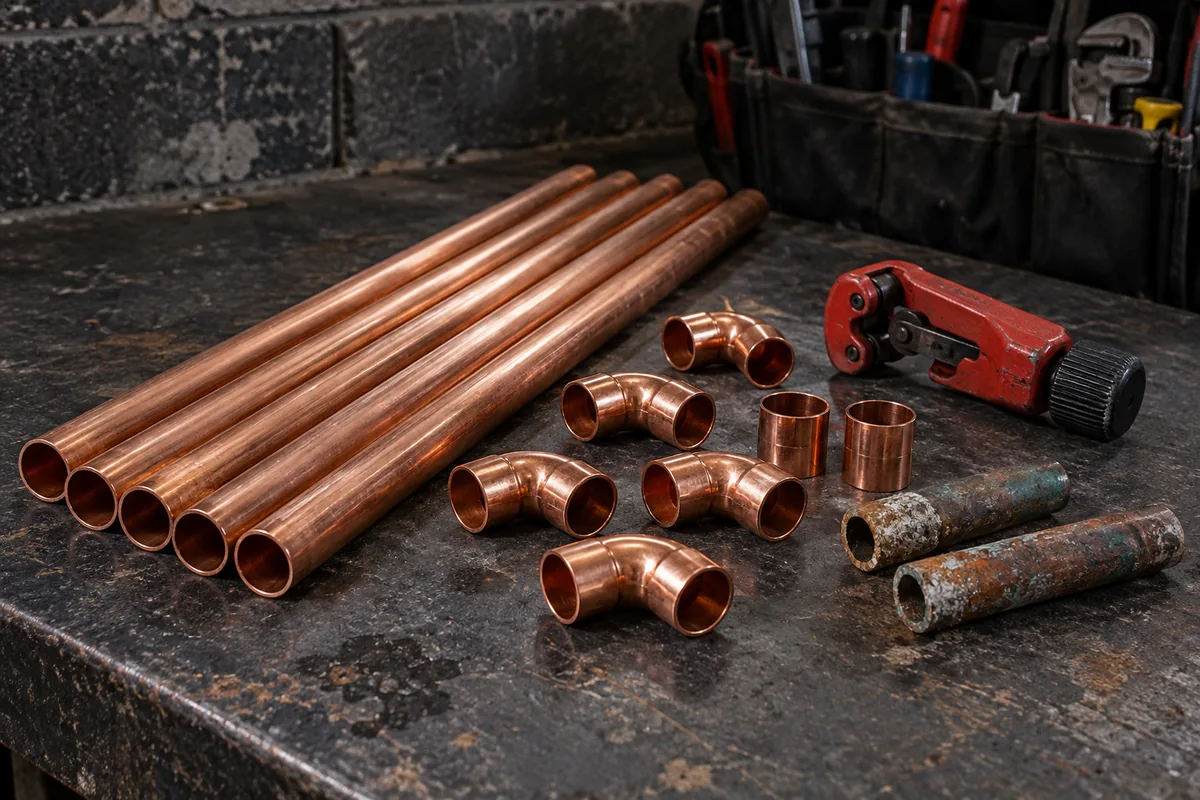
HVAC & Appliance Repair Guys provides repiping in Aloha, replacing agreed water-supply runs and their connections. Repeated leaks can support a broader replacement discussion, while their locations and the current pipe condition determine how much work is justified.
Confirm the selected runs, their endpoints and which piping will remain. Pipe repair in Aloha remains an option for a defined local fault.
Leak Locations and Repair History
Share repair records by section or connection. Repeated work at one point differs from verified leaks along several runs; include how long each repair restored normal use.
A water pressure or flow change adds another observation, not an automatic reason for a full repipe. Name the outlets and whether hot water, cold water or both have changed. The pattern helps frame the assessment. We do not promise that new piping will solve every pressure concern without understanding its cause.
New Supply Routes and Retained Connections
We discuss connection points, fixtures served and access for the replacement. A partial project should state which sections will stay. If an active leak has an uncertain source, leak detection can help locate it. That finding is separate from deciding how much supply piping to replace.
Hot-water and cold-water branches can follow different routes. A project may renew one area while other branches remain. We identify those paths and their transitions so the work has clear boundaries. The proposed material needs to fit the connections as well as the intended delivery route.
Access, Finish Restoration and Water-Supply Interruptions
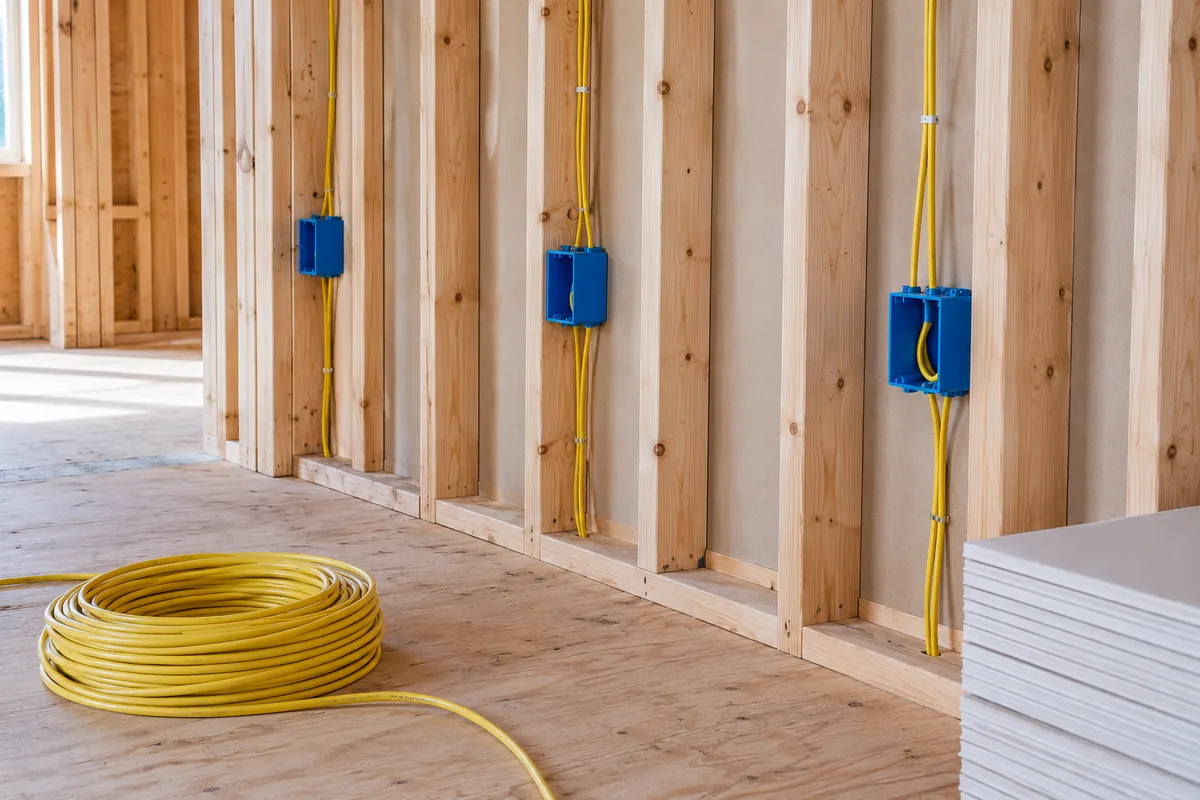
The new route can affect which rooms the work needs to reach. Describe enclosures, finished surfaces and known access limits. Any necessary opening should have a clear scope. Restoring a wall or cabinet finish may be a different task from replacing the pipe behind it.
We discuss the interruption to the affected water supply and the fixtures involved. Do not assume every outlet will stay usable throughout the work. Identify who can provide entry and approve any change. Those arrangements should follow the defined replacement route.
Repiping Costs and Completed Supply Checks
Review the runs, material, transitions, access and price before work. Any finding that changes the project needs an explained addition to the scope.
After the agreed repiping, we check the relevant connections and supply operation. Keep the work description with any useful route information. If a concern remains, report its outlet and timing. The result should relate to the scope, including which sections the project retained.
Request repiping in Aloha from HVAC & Appliance Repair Guys. Describe the leak or flow history, affected supply runs and known access limits so we can discuss the replacement project.
Frequently Asked Questions
Does the number of past repairs decide the project alone?
No. Their locations and the present condition matter to a proposed replacement scope.
Will the project need openings in walls or cabinets?
That depends on the route and existing access. The proposal should describe any openings and any included work to restore the surfaces.
Request Repiping in Aloha, OR
For repiping in Aloha, OR, call HVAC & Appliance Repair Guys or submit a service request through the form on this page.