



Repiping in Gresham
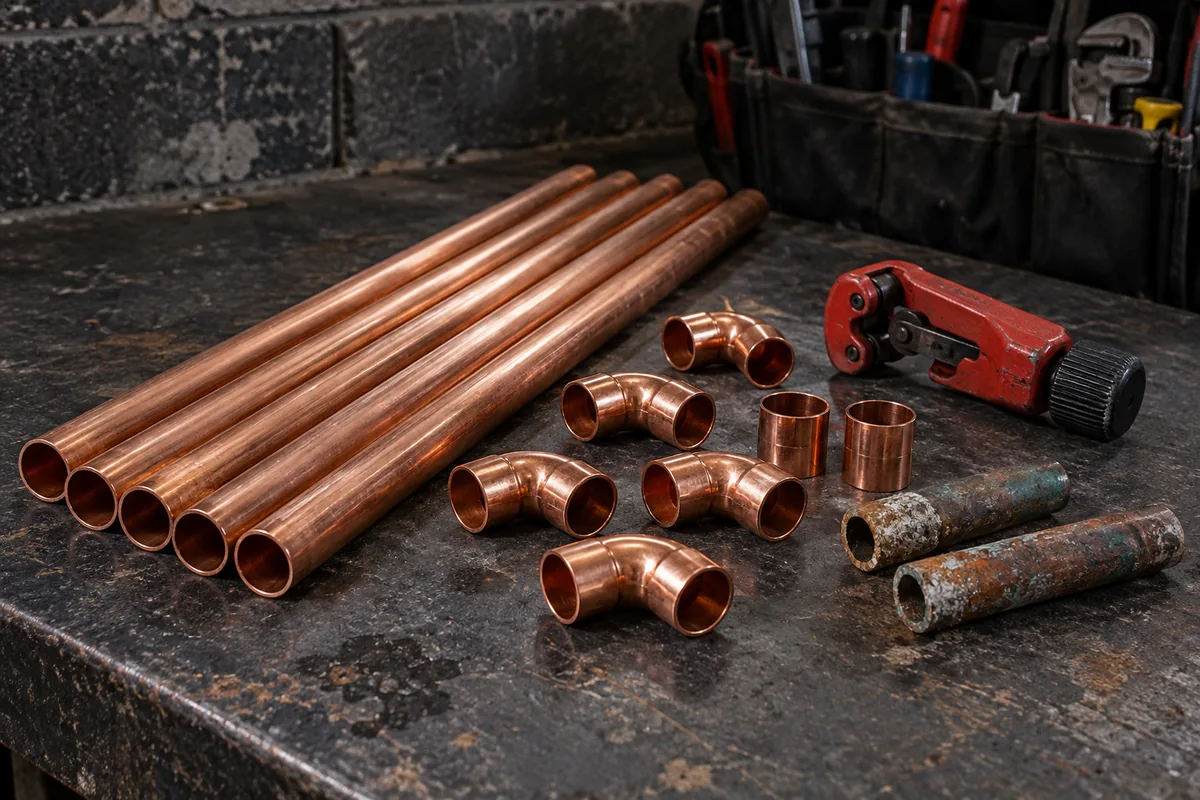
HVAC & Appliance Repair Guys provides repiping in Gresham for selected supply runs or a broader replacement. The findings should connect the project to the actual leakage or flow concern, with new routes and retained sections clearly defined.
If the source is unclear, leak detection addresses that question. Replacing a broad area is not a substitute for understanding an uncertain complaint. The findings should support the reason and extent of the new work.
Pressure, Flow and Leakage Concerns
A weak stream at one tap is not the same finding as poor flow throughout the home. Tell us whether both hot and cold water have changed and whether the problem appears only when several fixtures run. These details help us assess the supply before deciding that repiping is the right response. A faucet restriction or another local fault may call for a smaller task.
For an intermittent concern, record the timing and fixtures in use from ordinary observations. Do not open finished surfaces to trace hidden routes yourself.
Selected Supply Runs and Replacement Options
The proposal should identify the selected sections and fixtures they will serve. Pipe repair in Gresham may address a local fault with less extensive work. We explain why the condition supports a wider replacement when that option is relevant.
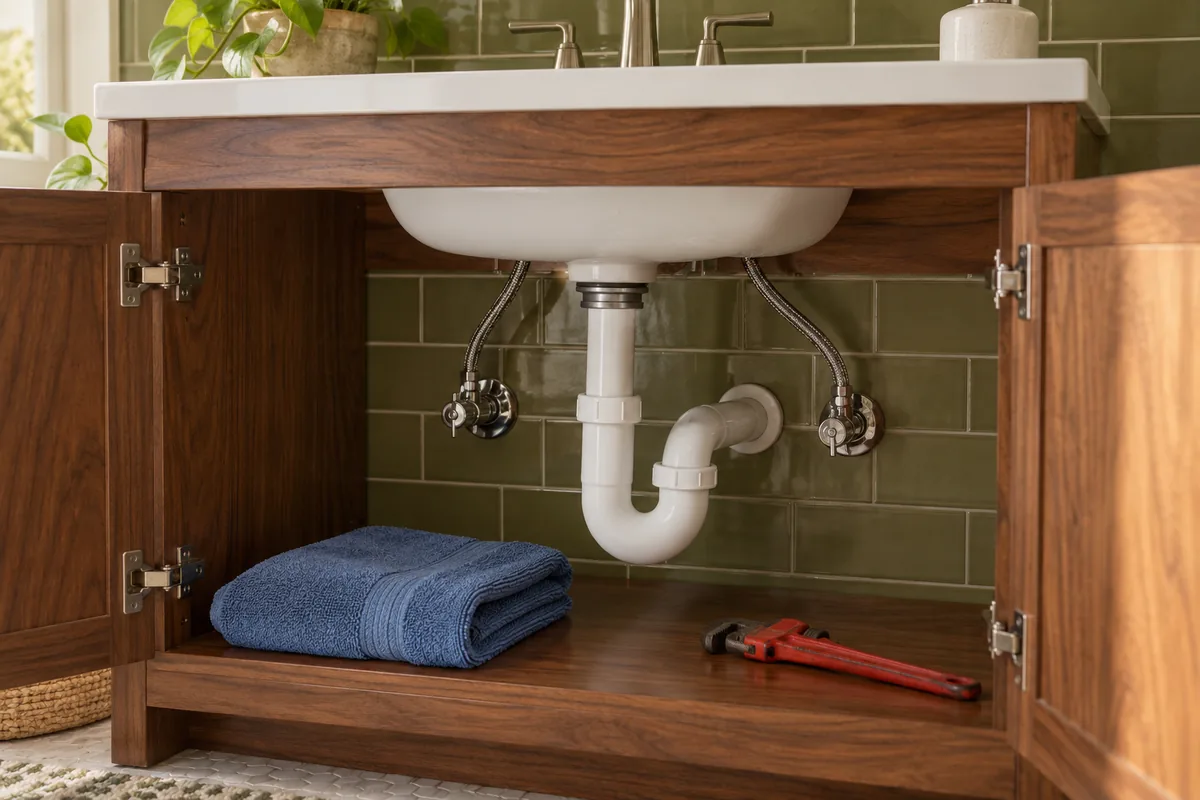
Hot-water and cold-water paths can follow different routes. A partial project may renew one path while retaining others. We discuss the material, transitions and interruption to the affected supply. The replacement boundary should remain clear even if the original symptom comes and goes.
Pipe Access, Restoration and Project Changes
Describe the visible concern and the spaces around the proposed route. Any necessary openings and included restoration should appear in the scope. Do not expose hidden piping just to make an estimate request.
Any added finding or price change should be explained before the project expands. Report intermittent symptoms before work so the completion review can address the same pattern.
New Supply Lines, Retained Piping and Completion Checks
Repiping concerns the supply lines covered by the proposal. It does not automatically include drains, sewer piping or new faucets.
The proposal should identify endpoints, materials and transitions to retained piping so partial and broader options can be compared.
After replacement, we check the new connections and supply at the included fixtures. Report any remaining symptom by outlet and timing; the result should address the stated task.
Request repiping in Gresham from HVAC & Appliance Repair Guys. Describe the affected outlets, whether the concern comes and goes, and any known access limits along the supply route.
Frequently Asked Questions
Does a symptom disappearing establish that hidden pipes are sound?
No. A symptom can stop temporarily even when a fault remains. The condition of concealed piping needs assessment; the absence of a visible symptom does not confirm that condition.
Request Repiping in Gresham, OR
For repiping in Gresham, OR, call HVAC & Appliance Repair Guys or submit a service request through the form on this page.