



Repiping in Portland
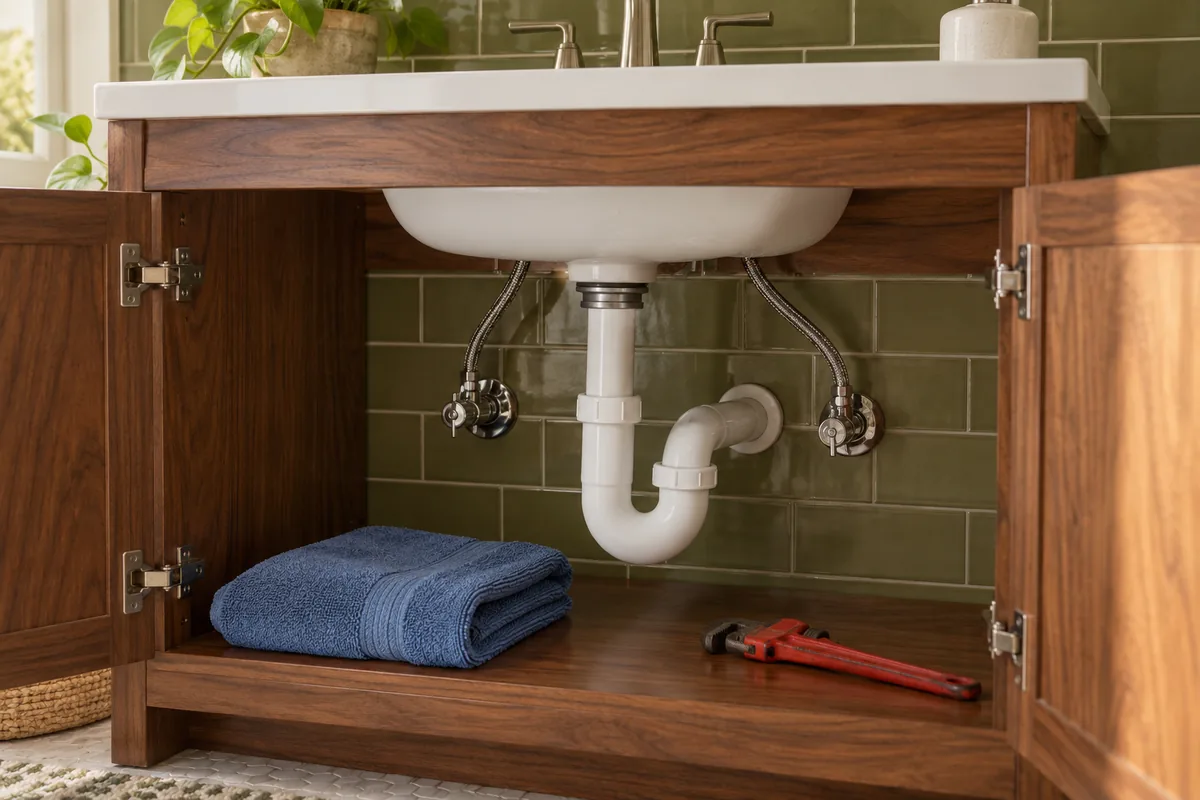
HVAC & Appliance Repair Guys provides repiping in Portland, replacing individual supply branches, shared runs or an agreed wider network. The project identifies the spaces and fixtures served, new endpoints and connected piping that will remain.
A common supply can serve more than one occupied area. Its replacement may affect people beyond the room where a leak was reported.
Flow and Leak Patterns Across the Affected Spaces
A dripping fixture is a different concern from weak flow across several rooms. Note which outlets share the issue and whether hot and cold water act differently. If the change occurs only during simultaneous use, that is useful context for the assessment.
Weak flow at one outlet can have a local cause. Findings about the actual supply should support a broader replacement rather than treating every flow complaint as the same fault.
Keep occupant observations tied to locations and dates. A current leak and an older remembered repair may describe different conditions.
If you notice a wet area, describe its location without guessing the hidden route. The source can lie away from the visible sign. Finding an unclear source is a distinct task from defining how much supply piping a replacement project should change.
Individual Branches and Shared Supply Runs
A localized Portland pipe repair addresses a defined fault. A repiping project changes a longer run or wider network. Compare the purpose of the additional work before assuming that the broadest option provides the best fit.
Replacing a common run does not automatically renew every connected branch. The proposal should show those relationships and the sections retained.
Mention confirmed layout changes separately from tentative plans. Additional branches or fixture work belong in the project only when expressly included.
Pipe Materials and Connection Methods
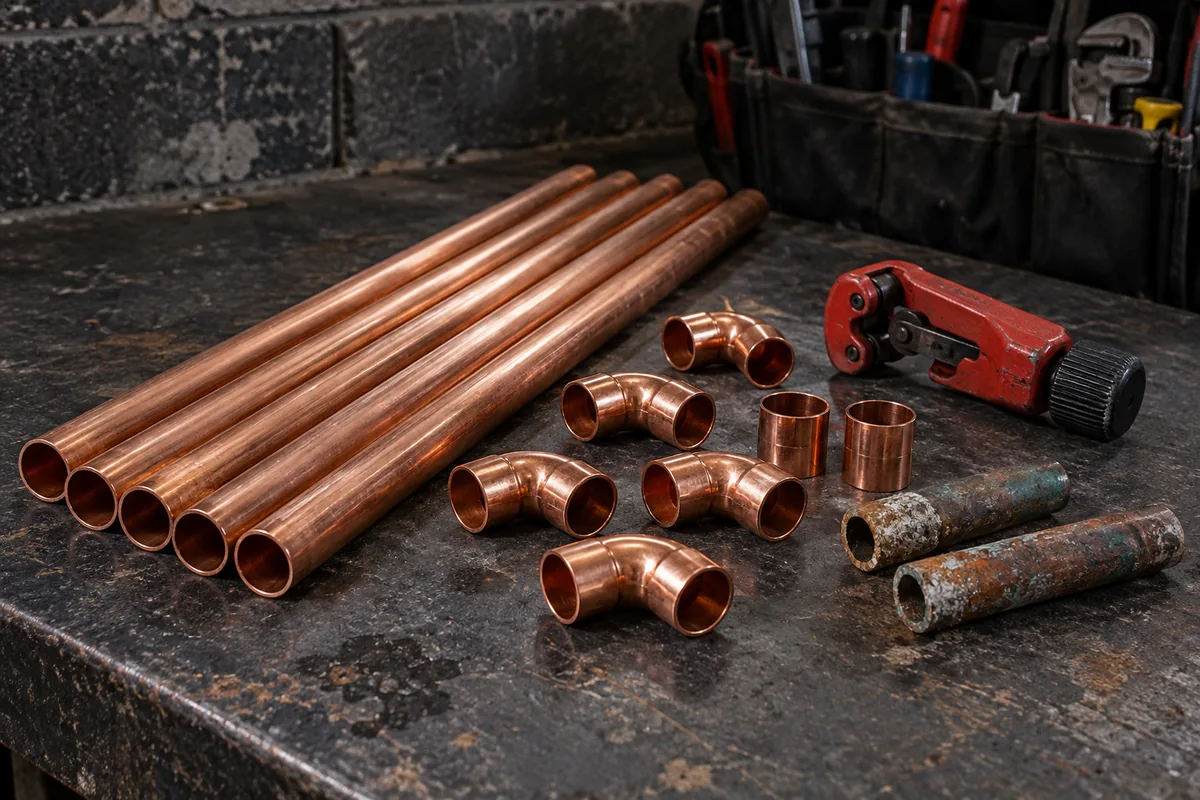
The pipe materials and connection methods need to fit the proposed route. We discuss them with the existing sections that remain in service. A name such as PEX describes a material choice; it does not define the entire scope or every transition.
A record naming galvanized steel may identify only one previous repair section. Other materials or later changes can remain elsewhere.
Likewise, the age of a building does not prove the condition of its water lines. We assess the actual concern and available evidence. We do not promise a universal life span, water-pressure gain or water-quality change from replacing pipes alone.
Access, Water Interruptions and Finish Restoration
Identify access contacts and restrictions for each area on the route, including who can approve added work.
The affected supply needs an interruption during replacement. A common feed may interrupt fixtures beyond the immediate work area. Describe how people use those fixtures so we can discuss the sequence. Do not assume continuous water at every outlet.
Check which openings and wall, cabinet or surface restoration are included. A supply replacement does not automatically refinish nearby rooms.
Confirm the schedule against the agreed scope, materials and access. An expanded project may need a different sequence.
Planned Repiping Estimates and Completed Work
For planned replacement, we offer a free estimate visit. Investigating an unknown fault is a separate service need. Describe both an active concern and a future replacement question if they apply, so the visit has a clear purpose.
Review the new runs, retained branches, materials, connections and access with the decision-maker before work begins.
Keep the completed runs identifiable in the service record. Supply replacement does not imply that untouched drains, fixtures or lines are new.
Request a free estimate visit for planned repiping in Portland from HVAC & Appliance Repair Guys. Describe the affected supply areas, occupied spaces and access contacts, and report any unknown fault that needs separate investigation.
Frequently Asked Questions
Does repiping also replace the drain lines?
Supply piping carries water to fixtures. Drains carry used water away. A drainage concern needs its own assessment and any work needs a separate scope.
What if occupants report different plumbing problems?
Report each location, timing and hot or cold side separately. Those differences help distinguish fixture concerns from a shared-supply issue.
Request Repiping in Portland, OR
For repiping in Portland, OR, call HVAC & Appliance Repair Guys or submit a service request through the form on this page.