



Repiping in Salem for Water-Supply Lines
HVAC & Appliance Repair Guys provides repiping in Salem, replacing agreed water-supply runs and connecting them to retained sections. Current findings and the intended result determine the project extent, rather than how long a complaint has been present.
Report an active leak, reduced flow or repeated faults by location. An immediate repair need can remain separate from a longer-term replacement plan.
Tell us if water is currently escaping or conditions changed after an earlier visit. A planned repipe should not leave that active concern unexplained.
Leak Detection, Local Repair and Repiping
A visible wet area may not reveal the source behind it. Leak detection in Salem addresses an unclear source. Those findings can inform a replacement discussion. A stain alone does not establish which pipes need renewal.
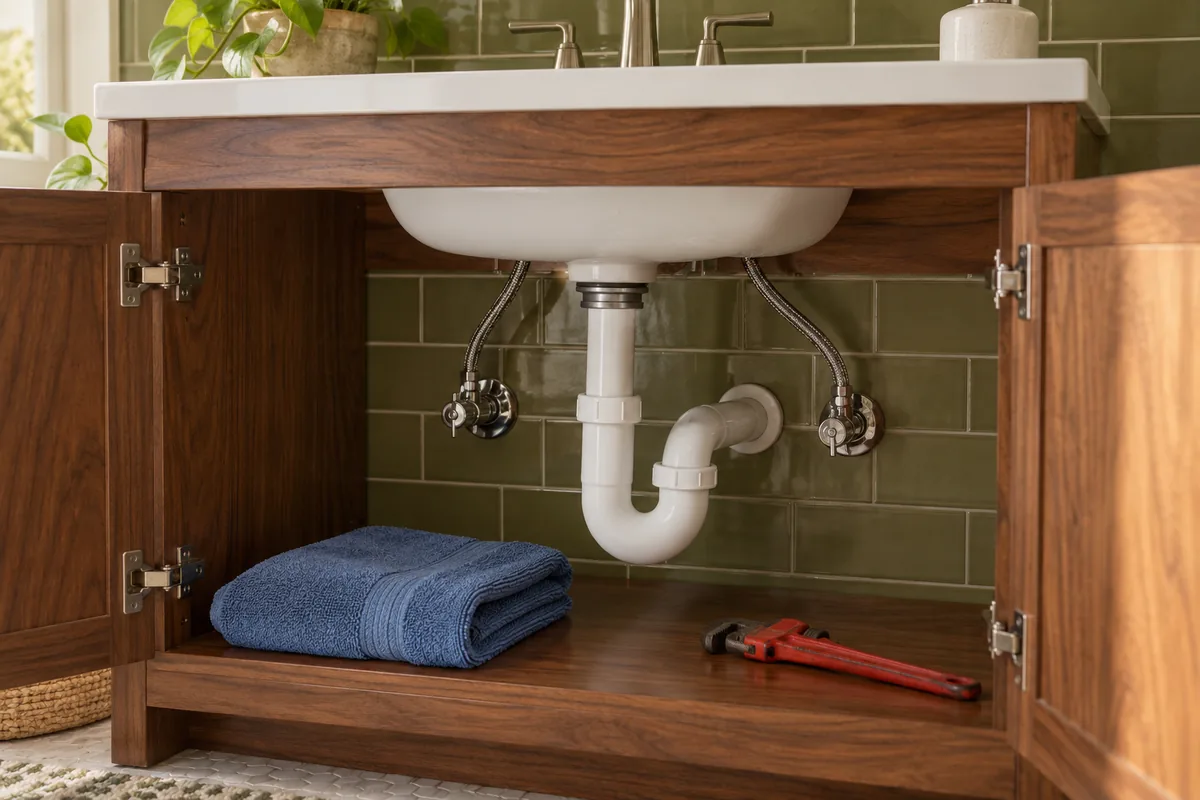
An immediate repair of a leaking supply pipe in Salem may address a defined local fault. Approving that repair does not automatically approve a broader replacement or its access work; those need a separate scope.
What Previous Pipe Repairs Can Show
Several verified leaks along a run raise a different question from one damaged joint. Identify locations and whether earlier work replaced a fitting, branch or shared section.
Keep dates with earlier invoices or photos, and identify their limits. A record of one repair cannot show the present condition of every retained line.
Weak Flow and Its Possible Causes
For weak flow, name the outlets, hot or cold side and whether it occurs during simultaneous use.
A local outlet restriction and a shared supply fault can need different work. Replacement should follow a supported cause; replacing supply pipes does not necessarily resolve every flow complaint.
If a symptom comes and goes, explain when you have seen it. A clear account of normal and changed behavior is useful even without a technical diagnosis. You do not need to dismantle a fixture or expose a line to make the request specific.
New Supply Runs and Retained Connections
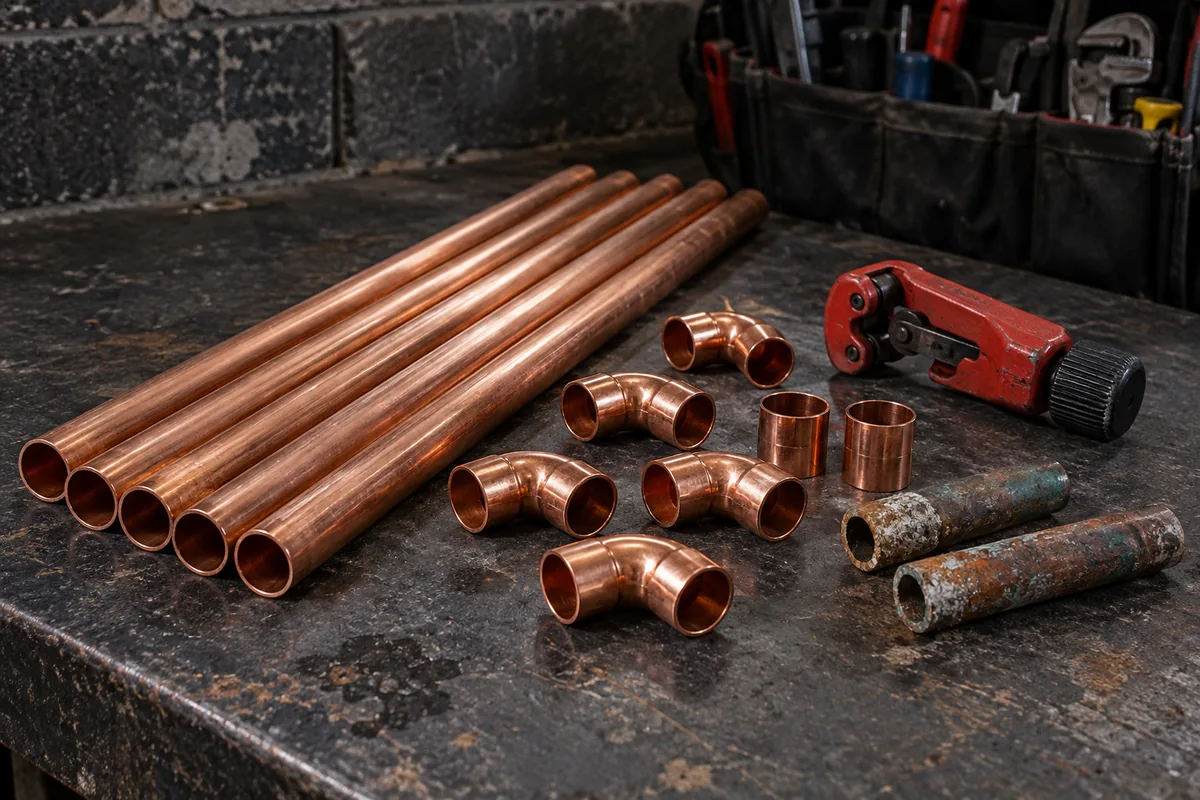
The repiping proposal should show where new work starts and ends. It may renew hot-water branches, cold-water feeds or both. It should identify the fixtures those lines serve and the existing sections that stay.
Materials and transitions must suit the route and retained system. A partial replacement can be appropriate without renewing every line.
Compare broader options by the additional branches changed, their purpose and the effect on access and water use.
Access, Finish Work and Water Interruption
The route may extend beyond the original symptom room. Describe entry arrangements and known access limits.
Check which openings and finish work are included. Pipe replacement does not automatically cover wall patching, painting or cabinet restoration.
The affected water supply needs an interruption during replacement. A shared line may affect several fixtures at once. Explain how people use those rooms so we can discuss the sequence. Do not assume continuous water in a room outside the immediate work area.
Confirm the schedule against the chosen work and access. A changed fault or added branch may alter the sequence.
Planned Repiping Estimates and Completion Checks
We provide a free estimate visit for planned replacement. Diagnosis of an unknown problem is separate. Describe an active concern and a future project as distinct needs when arranging the visit, so the purpose is clear.
After replacement, we check completed connections and supply delivery at included fixtures. Keep the new runs and retained sections in the record.
Contact HVAC & Appliance Repair Guys to request a free estimate visit for planned repiping in Salem, and mention any active leak or unknown fault separately.
Frequently Asked Questions
What if the concern changes before the planned work?
Tell us what changed, where it happens and whether it affects current use. New findings may require a separate assessment or scope discussion.
Request Repiping in Salem, OR
For repiping in Salem, OR, call HVAC & Appliance Repair Guys or submit a service request through the form on this page.