

Repiping in West Linn
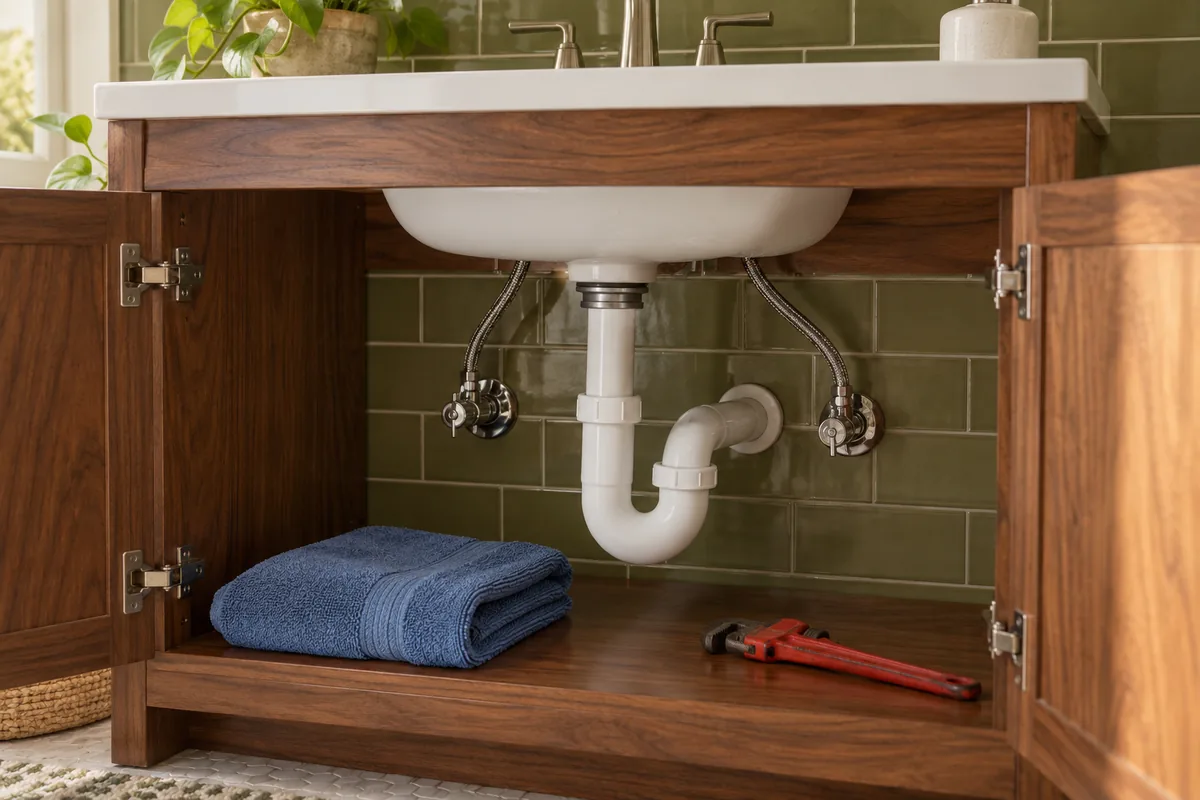
HVAC & Appliance Repair Guys provides repiping in West Linn, replacing agreed water-supply runs and their connections. Each option identifies the lines changed, endpoints and fixtures served so you can compare actual replacement work.
Each proposal should identify retained connections, the additional supply lines to be replaced and any exceptions to whole-property replacement.
Partial and Broader Supply Replacement
One option might replace a hot-water branch while another renews both hot and cold lines to the same bathroom. They serve the same room but change different supply paths. Compare the problem each option addresses instead of treating the room name as a complete description.
A smaller pipe repair in West Linn can address a defined local fault. Broader replacement changes more of the supply network. The two are not equivalent projects merely because they relate to the same leak history.
Keep unrelated tasks separate. New supply piping does not clear a slow drain or automatically renew a faucet. Any fixture or drainage work should have its own description if it belongs in the agreement.
Pipe Materials, Access and Restoration
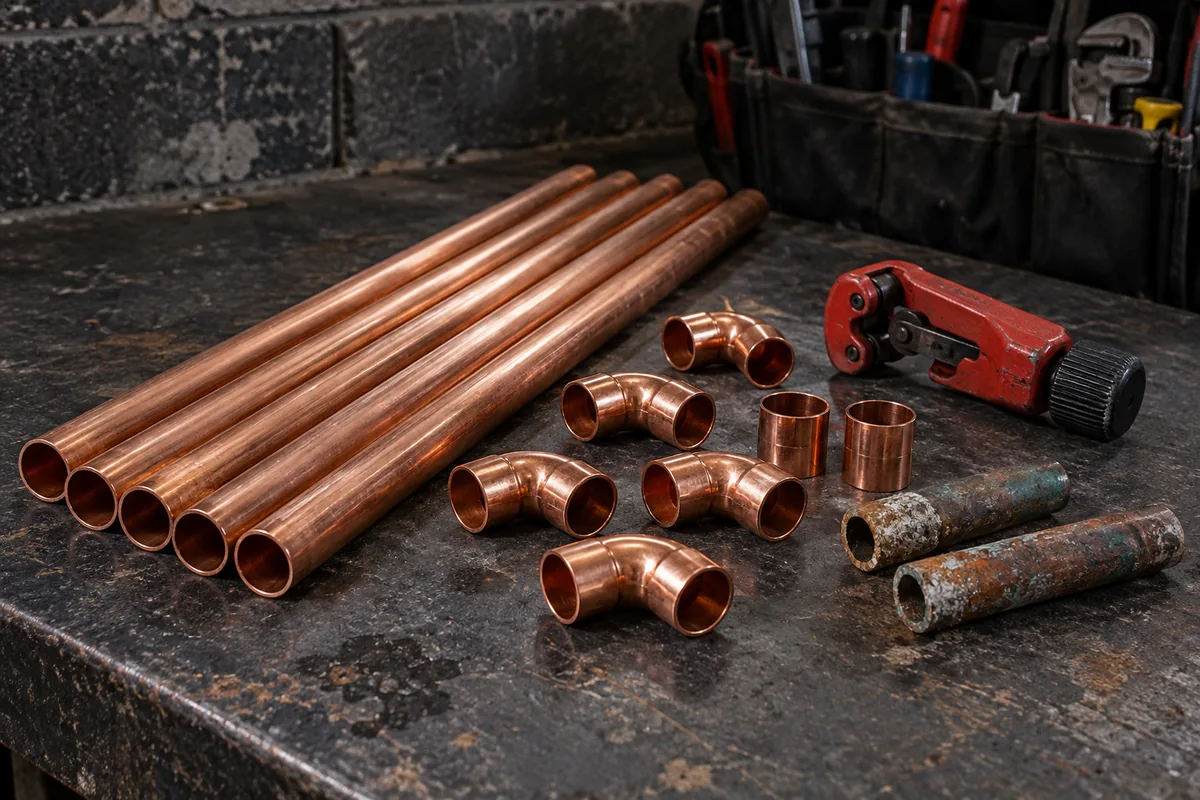
The proposed material and its connections affect the resulting arrangement. Compare where new piping joins the retained system in each option. A material name alone does not show all transition points or establish that every existing line will change.
Access can also differ. A concealed route may require openings that an accessible route does not. Identify the spaces involved and the work needed to reach the pipes. Pipe length by itself may leave out a meaningful part of the comparison.
Finish restoration should appear clearly where it forms part of the project. Wall patching, cabinet work and painting do not automatically follow from a supply-replacement estimate. Compare what each proposal includes and who handles any remaining finish tasks.
Water Interruption and Project Changes
Affected fixtures will need a supply interruption during the work. A broader option may involve different rooms or shared feeds. Describe how people use those spaces so we can discuss the sequence. Do not assume normal water service in every other room.
Keep selected work distinct from alternatives. An added branch needs an explained change in access, cost and timing before the project expands.
Retain the completed lines and unchanged sections in the service record for future planning.
Contact HVAC & Appliance Repair Guys to request repiping in West Linn and discuss which water-supply lines your project needs to address.
Frequently Asked Questions
What should whole-property replacement mean in an estimate?
A clear description of the included supply system and any retained exceptions. The label alone is not enough.
Request Repiping in West Linn, OR
For repiping in West Linn, OR, call HVAC & Appliance Repair Guys or submit a service request through the form on this page.