



Sewer Line Repair in Forest Grove
HVAC & Appliance Repair Guys provides sewer line repair in Forest Grove. If a concern returns after earlier work, share what was cleared, inspected or repaired and how drainage changed afterward. Each task provides different information for the next assessment.
Share any record of the previous section, connection points or entry point and the date of the work. A partial repair leaves other piping in service.
Drainage Problems After Previous Sewer Work
Describe which fixtures react now and how that compares with the last event. A similar backup can come from a different location or cause. The current assessment should connect the symptom to the findings before treating the new work as an extension of the old repair.
A repaired connection may still function while a restriction develops elsewhere in the retained line. A return near the same area may instead raise a question about that earlier work. Neither possibility should become a conclusion from the symptom alone.
If you have old footage or an inspection report, include its known coverage. It records an earlier view of the line. Later work or a new event can change the condition. Sections outside the original view may remain unknown.
Drain Clearing, Local Repair and Wider Replacement
Drain cleaning in Forest Grove addresses flow restrictions. It does not rebuild a damaged section. A structural repair needs findings tied to the work area. Those findings should explain why the chosen task fits the concern.
A limited repair and a wider replacement may change different parts of the route. Compare their endpoints and the line each option leaves in use. A new problem does not automatically justify replacing everything beyond the earlier section.
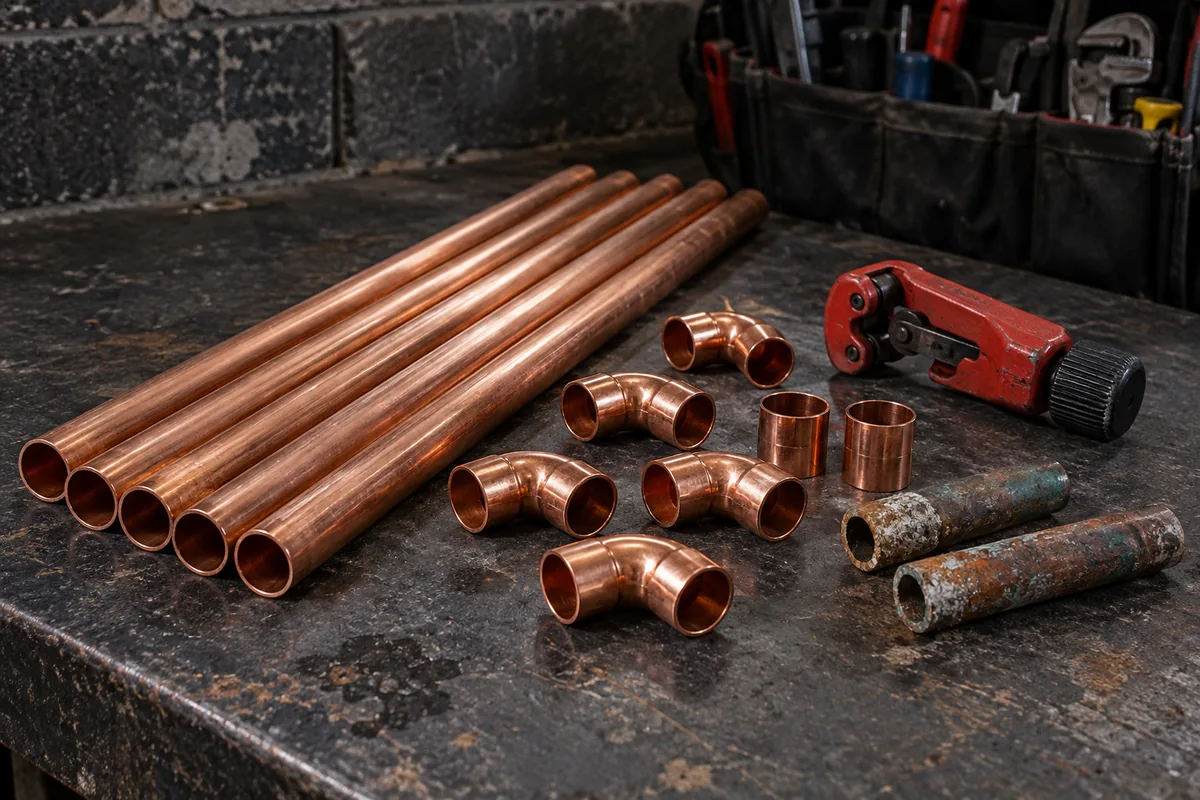
The new connections also matter. A partial job joins repaired or new piping to the existing system. Reliable records can help describe that arrangement. A material name from one old job does not identify every hidden run.
Repair Access, Surface Restoration and Drainage Use
The work area for the next repair may differ from the earlier one. Discuss the proposed route, entry limits and any required openings. Past access does not guarantee that a different section needs the same approach.
Confirm which surface restoration the estimate includes. The repair price does not automatically cover every nearby surface, and a wider replacement may affect more areas.
Work on the affected line can limit use of connected fixtures. Explain the relevant use of the space so we can discuss the sequence. Keep the final scope with the older records to show which sections each separate project changed.
Contact HVAC & Appliance Repair Guys to request sewer line repair in Forest Grove. Describe the current symptoms and any earlier clearing, inspection or repair.
Frequently Asked Questions
Should old repair records identify the section involved?
Yes. Endpoints and locations help distinguish repaired piping from the parts that remained in service.
Does a former inspection prove the line has not changed?
No. It records the earlier observation and its coverage, not a guarantee of the present condition.
Must the next repair replace all piping beyond the old section?
No. The current findings need to support the new endpoints. Any added length needs a clear purpose.
Request Sewer Line Repair & Replacement in Forest Grove, OR
For sewer line repair & replacement in Forest Grove, OR, call HVAC & Appliance Repair Guys or submit a service request through the form on this page.