



Sewer Line Repair in Gervais
HVAC & Appliance Repair Guys provides sewer line repair in Gervais. The pipe condition and the access needed to reach it must guide the proposed method. An entry point that works for clearing may not meet the needs of repairing a damaged section.
Share any record of the entry point used during earlier work. It can help identify what was accessed, but it does not establish the defect location or the excavation a repair may require.
Drain-Cleaning Access and Damaged-Pipe Repair
An entry used for drain cleaning in Gervais can let tools work inside the line. That task addresses flow. Repairing a damaged pipe may need a different way to reach the affected part, even when both tasks relate to the same backup.
A cleanout is an access point, not proof of the route or state of every branch beyond it. Note its known location if you have that information. Leave other details open if you are unsure; you do not need to open it or trace the line yourself.
Clearing may restore use while leaving the pipe itself unchanged. A repair needs findings about the part that has damage. The fact that tools can enter at one point does not prove that a certain repair method will work along the whole line.
Sewer Backups and Recurring Drainage Problems
Explain what prompted the repair question. A single slow drain, several fixtures backing up and a return after prior clearing can raise different issues. Note where wastewater appeared and which fixture reacted first. Those facts help frame the check without deciding its result.
Tell us whether the line now drains normally, remains slow or has stopped again. If clearing helped only for a short time, describe that interval. A quick return is useful history, but it does not prove one particular defect or select the length of pipe to change.
Use observations, notes and photos you already have. Do not flush again or run more water to demonstrate an active backup. Tell us if the condition changes before the visit.
Buried Pipe Location and Site Access
Describe the surfaces and spaces you know about near the work area. These may include a paved path, planting area or a structure. State what is visible rather than drawing a hidden route from the location of the first symptom. The line may not follow that guess.
The depth and location of the affected section matter to access planning. They need a basis in the actual site and findings. Do not assume the pipe runs at one depth throughout the route just because one part is visible.
Leave hard surfaces, soil and landscaping in place while arranging the assessment. You do not need to dig or remove paving; any opening should relate to the actual section that needs inspection or repair.
Repair Connections and Retained Sewer Piping
A limited repair joins new work to pipe that remains in use. The plan should identify both ends of the chosen section and the work at those connections. A length on its own does not explain the whole task or show that the adjoining pipe can support the proposed approach.
A longer replacement may change more of the route. It still needs clear start and end points and a reason for that extent. Compare what each option addresses, rather than assume more new pipe always means the right fit for the present concern.
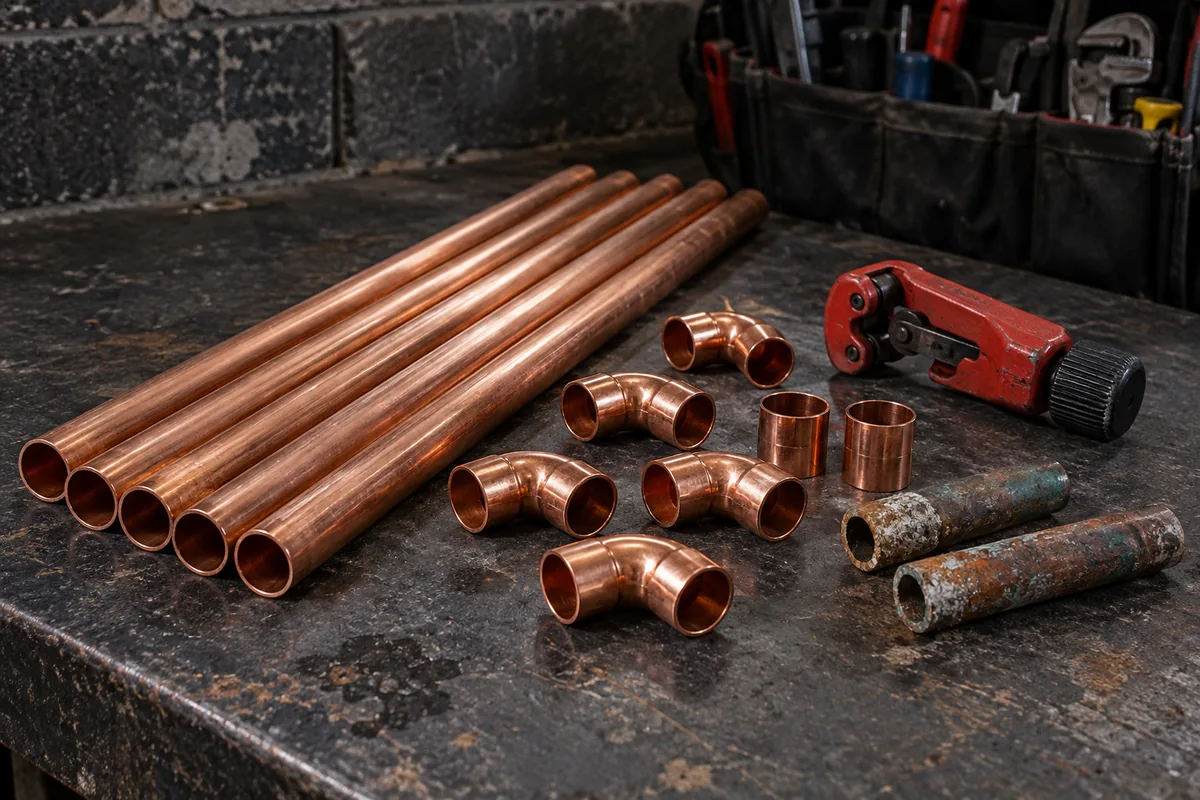
Earlier repairs may have introduced different pipe materials. Use records and current findings for each connection, and identify any material that remains unknown.
Repairing a shared run does not renew every connected branch. The proposal should identify the included route and retained piping.
Repair Methods for the Actual Pipe Condition
The pipe condition and route determine the repair options. We discuss the work needed for the actual defect, which may affect one section or a longer run.
A repair may require openings at its connections or along the route. Ask which access areas the proposed method needs; no approach can promise that every surface will remain untouched.
If new findings change the repair section, method or access, review the revised work and estimate before approval.
Surface Restoration in the Repair Estimate
The estimate should identify any openings and included surface restoration; pipe work does not automatically cover every nearby path, planting area or finish. Compare the work areas and surface tasks for each option alongside the pipe section, because a price difference may reflect different work.
Replacement Estimates, Scheduling and Drainage Use
Work on the affected sewer line may limit use of connected fixtures. Those fixtures can lie outside the immediate work area. Describe how people use the space so we can discuss the sequence. Do not assume another room will keep normal drainage just because its floor stays untouched.
Confirm the requested date against the actual work and access. Report any changed entry limit or occupancy need, since it may affect the sequence.
We offer a free estimate visit for planned replacement. Finding the cause of an unknown backup is a separate service need. Explain both if you want to discuss the active problem and a future replacement, so the purpose of the visit is clear.
Keep the final description of the changed section, retained piping and included surface work. These details give future service a clear record of what was completed.
Contact HVAC & Appliance Repair Guys to request sewer line repair in Gervais. Describe the drainage problem and the access points or site details you already know.
Frequently Asked Questions
Does an accessible drain entry guarantee access for repair?
No. Clearing works inside a line, while a repair may need access to the damaged pipe itself. The plan must fit the actual task.
Should I open a paved or planted area before the assessment?
No. Describe the known access and surfaces first. Any opening needs a clear purpose tied to the actual line and work.
Is surface restoration always part of the pipe repair price?
Do not assume that. The agreement should state the included surface work and any separate responsibility.
Can a short repair need a different work area from a long one?
Yes. The defect location and chosen endpoints affect access. Length alone does not describe every practical task.
What if new findings change the access plan?
Review the added or changed work before approval. It may affect the scope, estimate or sequence.
Request Sewer Line Repair & Replacement in Gervais, OR
For sewer line repair & replacement in Gervais, OR, call HVAC & Appliance Repair Guys or submit a service request through the form on this page.