



Sewer Line Repair in Keizer
HVAC & Appliance Repair Guys provides sewer line repair in Keizer. We assess the pipe condition and explain the affected section, proposed work and intended result.
Begin with the concern that affects use. It may involve slow drains, gurgling sounds or wastewater returning through an opening. Note the location and timing, including whether several fixtures react together. Those observations help frame the assessment without deciding the repair before the pipe condition is clear.
Share any earlier repair records or clearing results and identify details you do not know. The current problem may have a different cause or location.
Drain Cleaning and Damaged-Pipe Repair
Drain cleaning in Keizer addresses an obstruction to flow. Removing buildup can make room for wastewater to pass without replacing the pipe itself. That is a different result from rebuilding a damaged connection or renewing a defined line section.
If normal use returns after clearing, the result does not prove every pipe is free of damage. The pipe condition needs its own basis when repair is under discussion. Conversely, one blockage does not establish that all connected drains need replacement.
Tree roots can obstruct flow where they enter a line. Removing them does not rebuild damaged piping; any repair needs to address the observed condition of the affected section.
Pipe Inspection and Repair Options
A camera inspection may show accessible interior piping, subject to access and visibility limits. A clear image of one section does not establish the condition of branches outside the view.
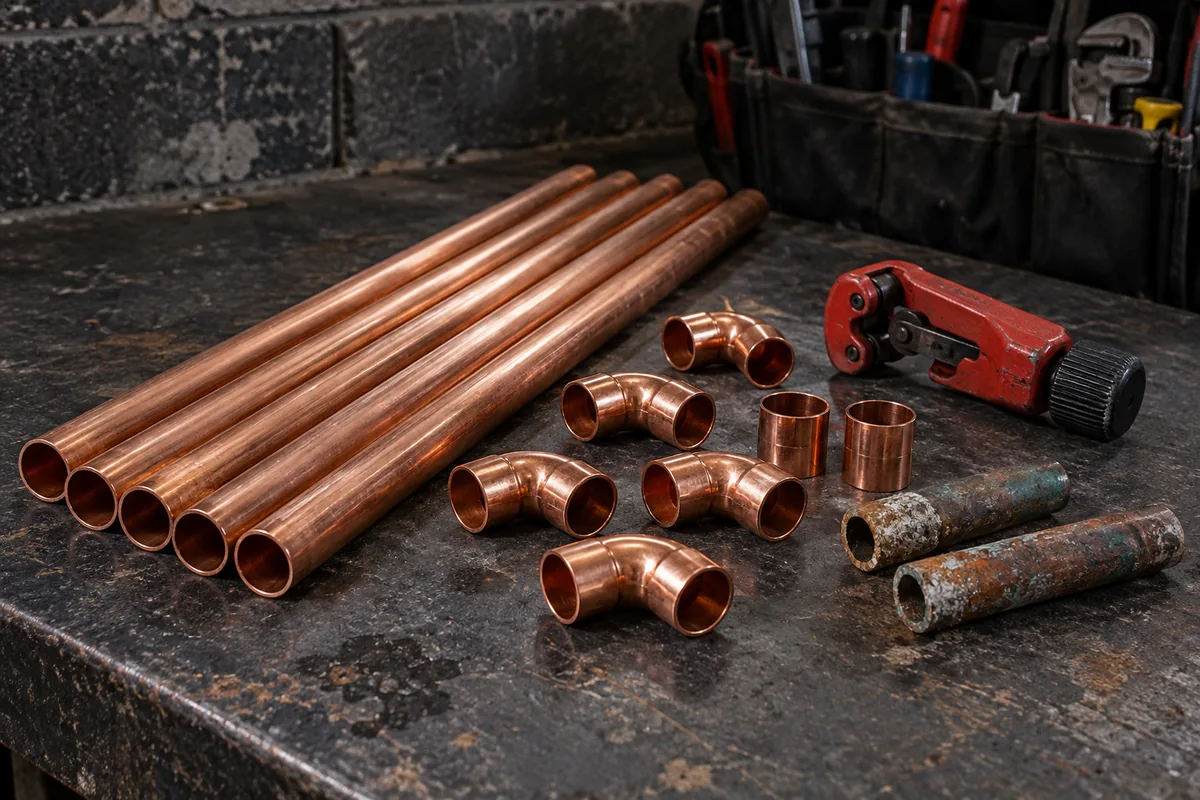
The proposal should explain what the repair aims to correct. A damaged joint and a longer damaged run can call for different work. Compare the finding with the included section. The number of symptoms does not set the length to replace.
A limited repair changes less of the line than a broader replacement. Compare what each option addresses and which piping it leaves in service.
New Sewer Sections and Retained Drains
Replacing one sewer section does not renew every connected fixture branch. The proposal should identify the new work and where retained piping continues.
The new section also needs suitable connections to the line that remains. Earlier alterations may mean the route contains different materials or joints. Use reliable records and current findings for those details instead of guessing from the age of the property.
Report any separate fixture or water-supply problem when booking. If it also needs work, the proposal should identify that task separately from the sewer repair.
Repair Access and Surface Restoration
The repair method needs to suit the defect, route and practical access. A short section in one location can involve different tasks from a longer accessible run. We discuss those conditions before treating one approach as suitable for every property.
Any surface restoration needs a clear place in the agreement. Pipe work does not automatically include all nearby landscaping or finished areas. Compare the included surface tasks and the work on connections alongside the proposed pipe section.
If a new finding changes an endpoint or work area, review its effect on the repair method and estimate before approving added work.
Connected Fixture Use During Sewer Repair
Before choosing an option, discuss how its work affects normal use. Fixtures can share a drainage route even when they sit in different rooms. The sequence should reflect the selected section and the spaces people need to use.
Keep the completed scope with the service history, including the repaired section, connections and retained piping. These details help assess any later concern.
Contact HVAC & Appliance Repair Guys to request sewer line repair in Keizer. Describe the drainage problem and any earlier clearing or repair results.
Frequently Asked Questions
Will a new sewer section renew all connected drains?
No. Connected branches remain outside the work unless the agreed scope includes them.
Can I compare repair with a larger replacement?
Yes. Compare the finding each option addresses, its included section, method, connections and access work.
Does the project prove every unseen pipe is sound?
No. The findings and work have defined limits. Sections outside the assessment remain outside those conclusions.
Should I recreate a backup to explain the expected result?
No. Describe the ordinary-use events already observed and how they affect the property. Do not cause another overflow for the assessment.
Request Sewer Line Repair & Replacement in Keizer, OR
For sewer line repair & replacement in Keizer, OR, call HVAC & Appliance Repair Guys or submit a service request through the form on this page.