



Toilet Repair in Happy Valley
HVAC & Appliance Repair Guys provides toilet repair in Happy Valley for running tanks, flush problems and leaks. We identify the fault and the access needed for that repair before proposing work. Tell us about locked rooms or tight space, but leave the fixture in place; a repair request does not automatically require removal.
A tank part may need different access from the outlet or base connection. Describe what happens during filling, flushing and drainage, along with any outside water. Those observations help frame the task. Do not disconnect the supply or move the fixture as an assumed preparation step.
Leak and Fault Diagnosis Before Fixture Removal
Water near the base may have traveled from higher on the fixture or nearby piping. Its final location does not automatically identify the useful access point. Leak detection in Happy Valley can address an origin that remains uncertain. The repair plan should follow the actual finding before choosing removal or component work.
For running water inside the tank, describe when the sound occurs. If the bowl rises, stop repeated flushing and describe the drainage behavior. These faults may need different repairs and access.
Toilet Removal for Repair or Replacement
Removal may be needed to reach a connection or repair area. It does not automatically require a new toilet. Confirm whether the proposal retains or replaces the fixture and the reason for that choice.
Review which parts and joints will remain and any additional work the findings require. Work on one component does not establish the condition of every nearby joint.
Connected Pipe Repairs and Finish Restoration
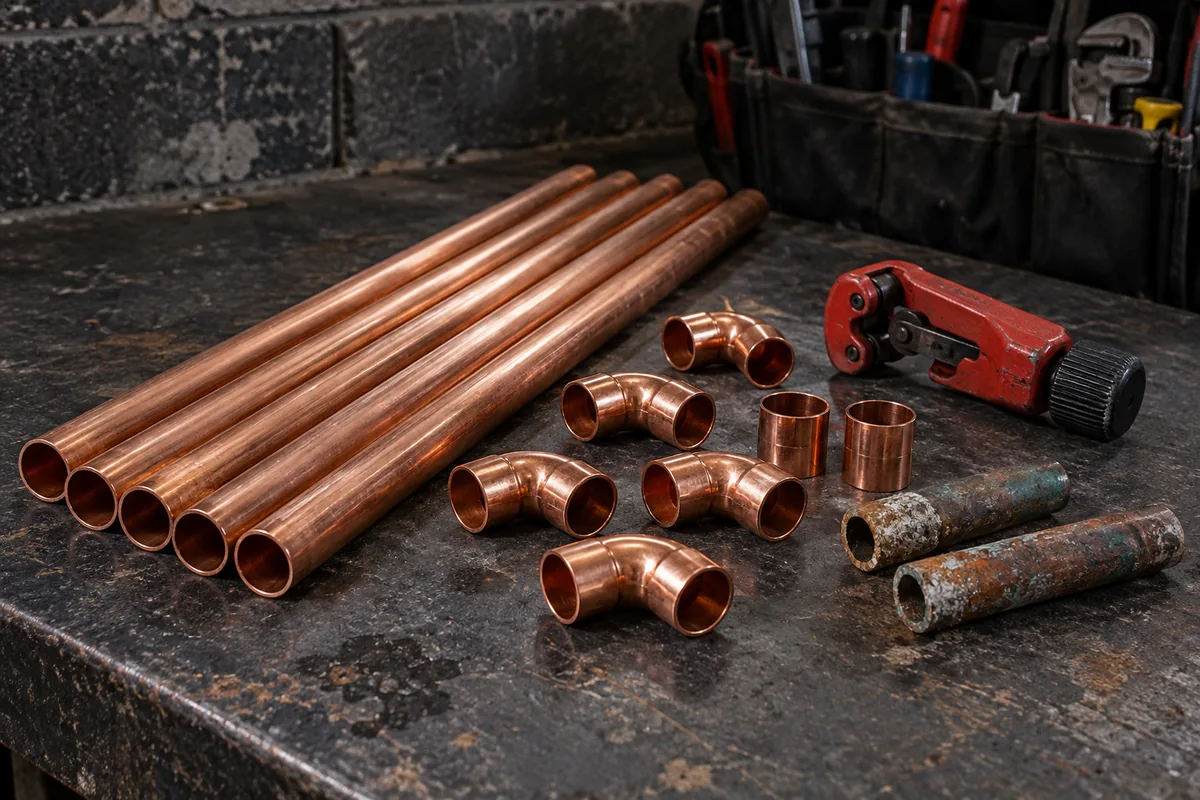
Pipe repair in Happy Valley addresses damaged water lines or other connected piping. It may require different access and checks from a tank-component repair. The proposal should identify any included pipe work and the finding it addresses.
Confirm any access and finish restoration included in the agreement. Removing or repairing a toilet does not automatically restore every surface that became wet.
Bathroom Availability and Visit Access
Before the visit, mention whether the affected toilet is the only one available to the household. Also explain any limits on when the bathroom can be out of use. These details help plan the work, but they do not set a fixed repair time. The source, right parts and access guide the steps of the job.
If someone else will provide entry, share the symptom history with them and identify who can approve additional work. Keep that contact available during the visit.
Checks After Repair and Remaining Restoration
After the selected work, keep the area accessible for checks suited to the repaired fixture or connection. Ask what the plumber checked and whether any separate concern remains. A working tank does not prove that every drain or supply connection is sound. The result should relate to the repair that actually took place.
Review the repaired component and any access or finish work still needed before planning normal bathroom use and restoration.
Contact HVAC & Appliance Repair Guys to request toilet repair in Happy Valley. Describe the fault, available access and any limit on bathroom use.
Frequently Asked Questions
Should I mention that this is the only usable toilet?
Yes. It is useful planning information. The actual task still determines what interruption the visit requires.
Request Toilet Repair in Happy Valley, OR
For toilet repair in Happy Valley, OR, call HVAC & Appliance Repair Guys or submit a service request through the form on this page.