


Walk-in freezer repair for intermittent faults in Vancouver, WA
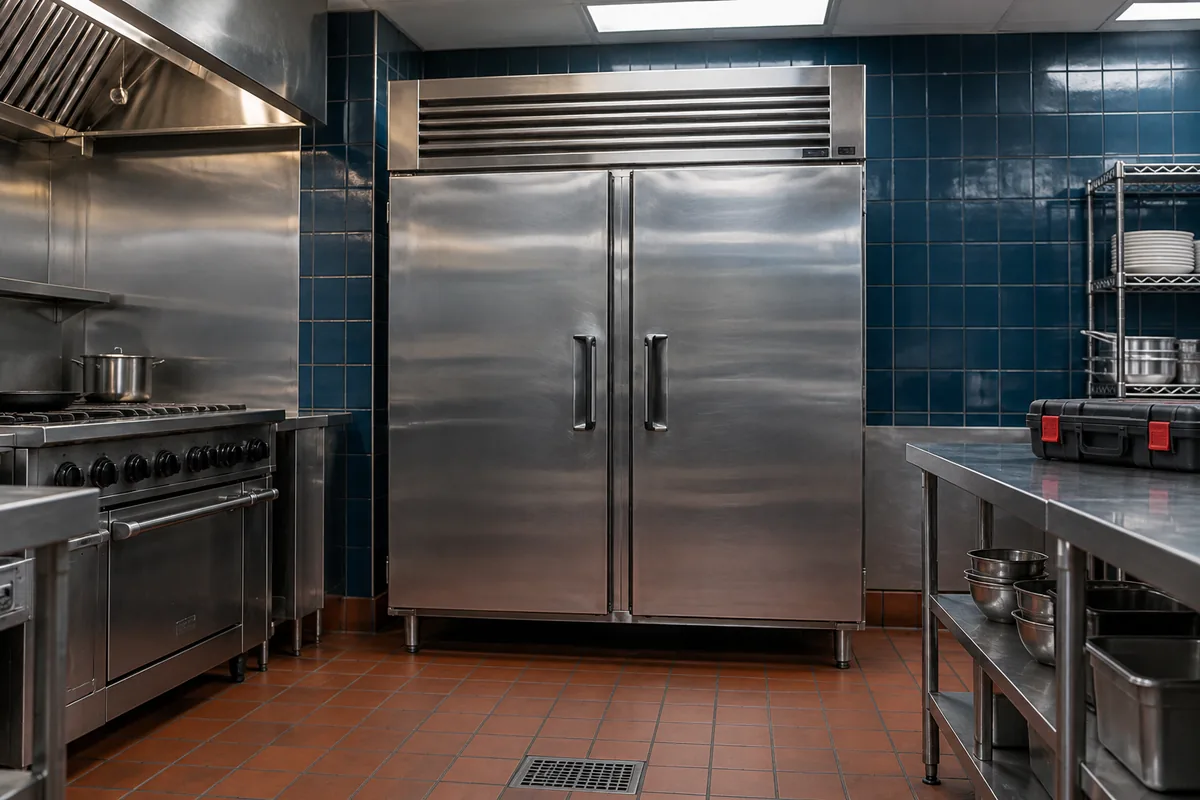
A freezer that warms, sounds quiet and later starts again can be difficult to describe after the event. For a Vancouver walk-in freezer request, keep the sequence: when the alarm appeared, which equipment seemed to stop and whether the room recovered. HVAC & Appliance Repair Guys confirms the equipment, reported fault and site requirements before planning service for a supported system.
A stopped fan or compressor does not identify a failed part on its own. Defrost, fan-delay controls and protective shutdowns can affect operation, depending on the installed design. A fault is another possibility. Describe observations and any existing alarm record without repeatedly resetting the equipment or forcing a cycle to reproduce the symptom.
Operation has to be read in the system context
Freezer controls coordinate refrigeration and defrost in different ways. The assessment needs the equipment identity and symptom history to interpret a pause, restart or temperature change. These areas can help explain the sequence when relevant to the installed system:
- Temperature and alarm history before, during and after the event
- Evaporator-fan operation in relation to defrost and any fan delay
- Door closure and periods of extended door use before warming
- Drainage, recurring ice and drain heaters where fitted
- Condensing-unit behavior and possible control or protective shutdowns
- Airflow through the evaporator and around the stored stock
Record what happens between normal operation and the fault
An intermittent problem may leave little to see when service is arranged. Existing logs, alarm messages and earlier repair records can preserve useful context. A return to the usual display reading is part of the history; it does not explain why the earlier interruption happened or establish the condition of the stock.
- The temperature rises, then recovers without a clear explanation
- The same alarm returns at particular times during normal use
- Fans appear to pause or restart while the room is warming
- Frost develops on the coil or ice returns near the drain or doorway
- The condensing unit repeatedly starts and stops, or remains stopped
- The door catches or leaves a visible gap alongside a change in temperature
Identify the system before assuming the repair
Send model information for the accessible room and refrigeration components, plus any recent service record. Note which label belongs to each part of the setup and where that equipment is located. Leave inaccessible labels in place and explain the access limit. A model-specific assessment can distinguish expected control behavior from a fault needing repair.
How the reported sequence informs the repair plan
Warming, stopped equipment and ice can occur together for several reasons. Coil ice can restrict airflow; doorway ice and drain ice may involve different conditions. Defrost type, fan timing and any installed heaters need to be identified before their operation can be assessed. The symptoms guide that work without proving that the compressor or defrost system has failed.
- Confirm the supported equipment, event sequence, current condition and access needs.
- Relate the temperature change to fan behavior, visible ice and room conditions.
- Assess the relevant refrigeration and control functions against the installed design.
- Explain the finding, proposed work and required parts before you approve the repair.
Use the fault history when comparing options
One intermittent fault does not automatically justify replacing an entire walk-in. Consider the diagnosed cause, earlier failures, parts support and the condition of the insulated room. If the storage use or workload has changed, include that information before comparing a focused repair with a wider equipment decision.
A refrigeration repair, replacement of cooling equipment and work on the room enclosure are separate scopes. Ask what the estimate covers and whether further work or another visit may be needed. Provide a site contact, access window and any stock or ice obstruction. Manage frozen stock through existing business procedures while the fault is unresolved.
Related commercial repair services
A walk-in freezer request should identify the room used for frozen storage. If the reported problem belongs to a chilled room or a stand-alone cabinet, specify that setup so the assessment is planned for the correct equipment.
Frequently Asked Questions
What should I do before requesting service?
Note the equipment type, brand and model if available, the exact symptom, when it happens, and whether the unit is still safe or usable. Photos of the data plate and visible issue can help.
Can multiple units be checked in one visit?
Often, yes. List each unit and symptom in the request so the appointment can be routed with the right expectations and enough diagnostic context.
Do you recommend repair or replacement?
The technician explains the likely repair path and flags replacement when age, condition, repeated failures or parts availability make repair a poor business decision.
Can service be scheduled around business hours?
Provide access windows, peak service times, loading instructions and property rules. That helps reduce wasted time and keeps the visit aligned with business operations.
Request Walk-In Freezer Repair in Vancouver, WA
For walk-in freezer repair in Vancouver, WA, call HVAC & Appliance Repair Guys or submit a service request through the form on this page.