



Water Heater Installation in Gresham
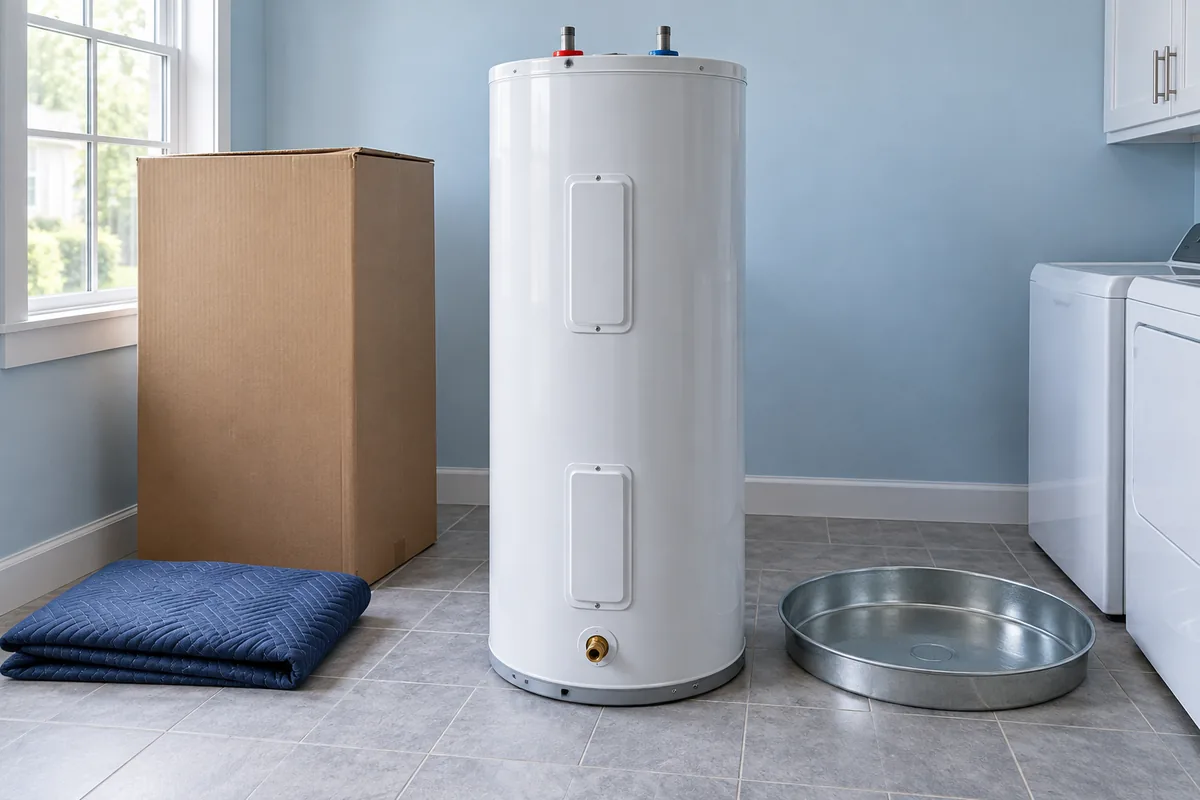
HVAC & Appliance Repair Guys provides water heater installation in Gresham. Plan the unit, capacity, location and connections around your hot-water needs. An intermittent fault may prompt the request, but the new installation scope remains separate from establishing the cause of an unclear symptom.
If your first question is why the present unit changes behavior, water heater repair in Gresham addresses that assessment. An installation estimate describes a proposed new setup. It does not prove that replacement will resolve a separate fixture or piping concern.
Intermittent Hot-Water Faults Before Replacement
For an intermittent problem, tell us when it occurs, how long it lasts and which outlets are affected or still work normally. Normal operation on one occasion does not explain a fault on another.
Cold water from the start differs from water that turns cool after several uses. Note whether your routine has changed along with the performance. Increased demand and a new fault call for different questions. A replacement discussion should not treat either description as a complete diagnosis.
A display message or visible moisture can provide other useful details. Keep them separate from the temperature account. You do not need to force the fault to recur or open equipment before arranging service. We discuss the checks that fit the current concern.
Storage and Tankless Capacity, Connections and Fit
Describe the busiest hot-water period and any firm plans to change that routine. For storage equipment, capacity and recovery rate together affect supply after a large draw. Copying the old tank size may miss current demand, so compare output with actual use as well as the installation space.
Tankless equipment needs its own output and site review. Its simultaneous-flow capability depends partly on the temperature rise it must provide. A smaller cabinet does not mean the same connections or a simpler installation, and it does not promise unlimited hot water at every outlet.
If the project changes the energy source or venting type, we review the existing connections against the selected model. Similar capacity does not establish compatibility with the old setup. If gas-supply piping work is needed, discuss gas line services and confirm whether it is included in the installation proposal.
Installation Estimates and Repair Alternatives
A planned installation estimate is free and identifies the selected equipment, removal, placement and connections. Fault diagnosis or testing of existing equipment is a separate service.
If you are deciding whether to repair or replace, ask what finding supports each option. A repair may address a specific component or connection. Replacement changes the equipment within the defined scope. Neither description alone proves that all other parts of the water supply system will receive work.
Relocation, changed piping routes and fixture repairs may add work to the installation. We explain those tasks before including them in the agreed project.
Replacement Goals and Model Requirements
Say what you expect the new unit to improve. Restoring earlier performance, supporting greater demand and moving equipment are different goals. A new model can also change site needs despite a similar capacity label. We connect the equipment choice to its intended use, not just removal of the old heater.
Installation Access and Start-Up Checks
We discuss access, the work area and the interruption the installation needs. Identify who can provide entry and who can approve changes. Leave the existing equipment intact while arranging the visit. The preparation should follow the actual project rather than an assumed direct swap.
After installation, we check the relevant operation and connections and explain basic use and care. Report the timing and location of any intermittent concern that remains; a separate fixture or pipe fault may need further assessment.
Contact HVAC & Appliance Repair Guys to request a free planned water heater installation estimate in Gresham. Describe the hot-water result you need and any intermittent problem with the current setup.
Frequently Asked Questions
Can I request an installation estimate while considering repair?
Yes. Treat the two as separate options with their own purposes.
Will new equipment guarantee every intermittent fixture issue disappears?
No. A separate fixture or distribution problem needs its own assessment.
Is the planned installation estimate free?
Yes. A separate request to diagnose or test the existing equipment has a different scope. Clarify which service you need when arranging the visit.
Request Water Heater Installation in Gresham, OR
For water heater installation in Gresham, OR, call HVAC & Appliance Repair Guys or submit a service request through the form on this page.