


Water Heater Repair for a Loss of Hot Water in Aurora
HVAC & Appliance Repair Guys provides water heater repair in Aurora for lost or reduced hot water and related equipment faults. Tell us whether the change affects every outlet or only one tap. We use that pattern, the model and current condition to determine which equipment or fixture checks are needed.
We explain the fault and the work that can address it. Loss of hot water alone does not establish a need for replacement; the findings may point to a component repair, fixture work or a new unit.
Describe whether the change was sudden or developed over several uses. Include any normal hot-water use that remains elsewhere. Those observations can help even when you do not know the heater’s age or service history. You do not need to identify an internal part to request help.
One Cold Outlet or a Heater Fault
If one tap stays cool while others work normally, identify the fixtures and what happened. This helps us choose the relevant checks without assuming the cause.
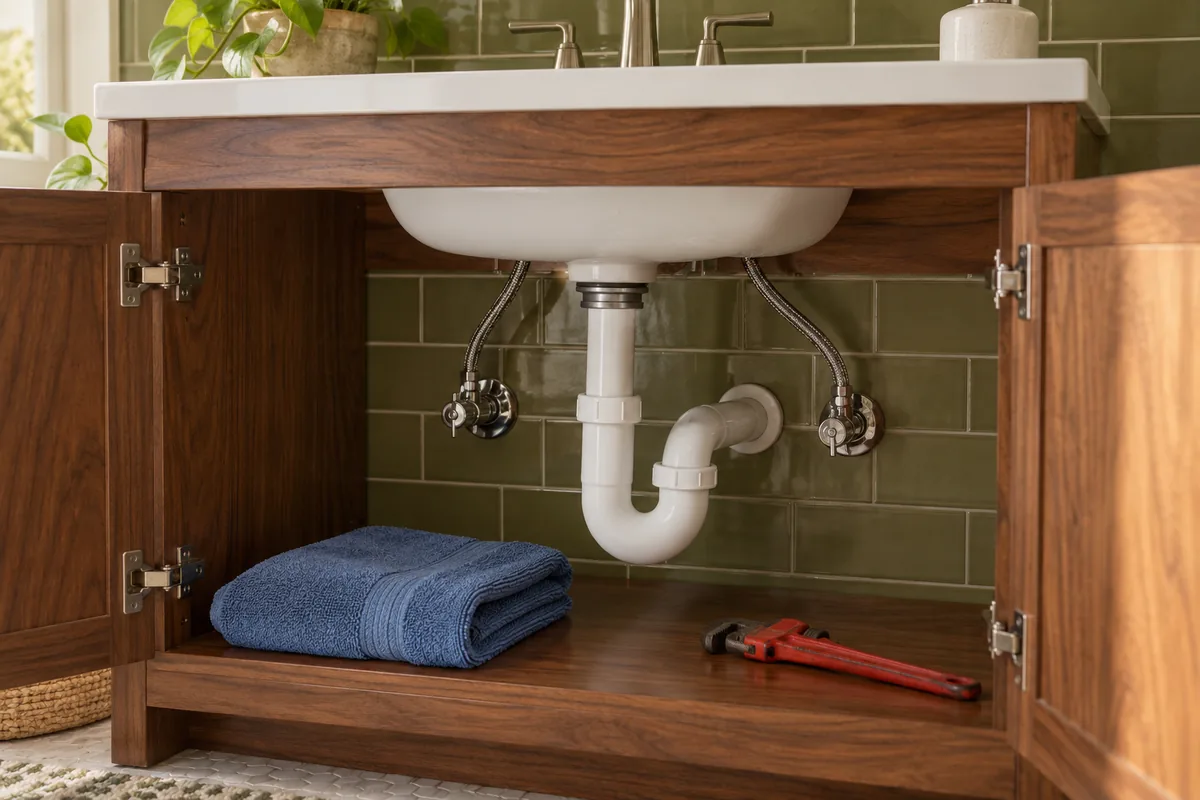
A fault at the tap may call for faucet repair. That is separate from replacing the heater. We explain which finding supports work on the fixture and whether the equipment also needs a check. Similar symptoms do not mean the same repair fits every outlet.
If several rooms have lost hot water, identify the affected outlets and whether water is entirely cold or cooler than usual. Mention weak flow separately because it may need different checks.
Model Details, Display Messages and Leaks
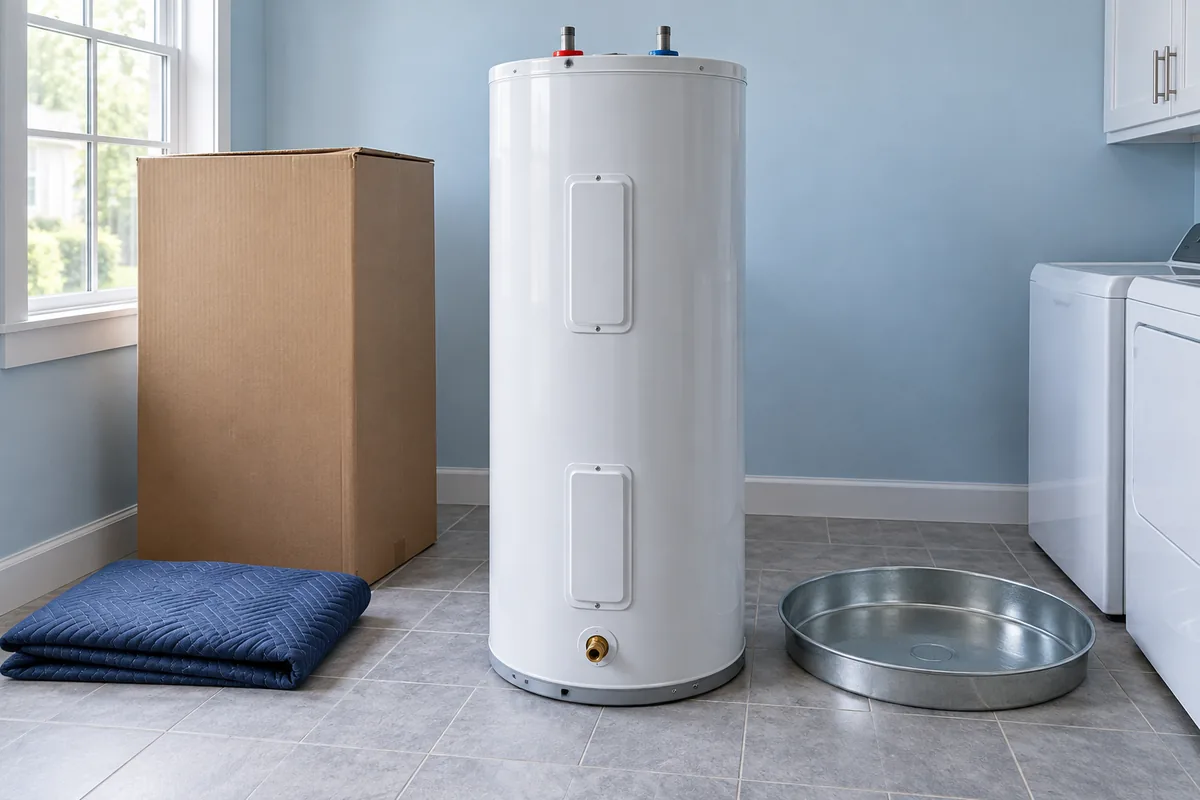
Provide the model and energy source if those details are already available. The installed design affects the heating parts and controls we assess. For tankless water heaters, mention that type along with any visible display message. We can then confirm the relevant service scope for the unit.
Record a message exactly as it appears rather than turning it into a diagnosis. Codes and indicators have meaning in the context of the model. They do not replace checks of the equipment. You should not have to remove covers or expose wiring to begin a repair request.
Tell us about visible moisture near the heater as a separate concern. A unit can have a water connection issue as well as a heating complaint. If you cannot identify the source, leak detection in Aurora may help establish the next task. We distinguish finding a source from repairing it.
Repair Findings, Parts and Replacement Options
We explain the findings, proposed parts, work and price. If another check or more access is needed, we explain what it would establish before proceeding.
Past maintenance does not rule out a new operating fault. Equally, missing maintenance notes do not prove that the unit needs replacement. Share what you know without filling gaps with guesses. The present condition guides the repair options.
The findings or your plans may make a new unit worth considering. Water heater installation in Aurora is a separate choice. Its scope includes the selected equipment and connections. A repair request does not automatically approve that purchase or installation.
Property Access and Repair Completion Checks
Describe access to both the heater and affected fixtures, including locked spaces. Identify who can provide entry and approve the work.
After the agreed work, we check the relevant operation and connections. Tell us whether the original outlets still have trouble and describe any new symptoms separately.
Contact HVAC & Appliance Repair Guys to request water heater repair in Aurora. Tell us where hot water is missing or reduced and share any available model details or visible error message.
Frequently Asked Questions
Should I repeatedly run taps before arranging service?
No. Describe what you noticed during ordinary use. You do not need to recreate the fault or keep drawing water to make the request.
Will routine maintenance resolve every no-hot-water problem?
No. A maintenance task and an operating fault can involve different needs. The assessment should establish which work addresses the actual loss of heating.
Request Water Heater Repair in Aurora, OR
For water heater repair in Aurora, OR, call HVAC & Appliance Repair Guys or submit a service request through the form on this page.