


Bryant Furnace Repair in Portland Metro
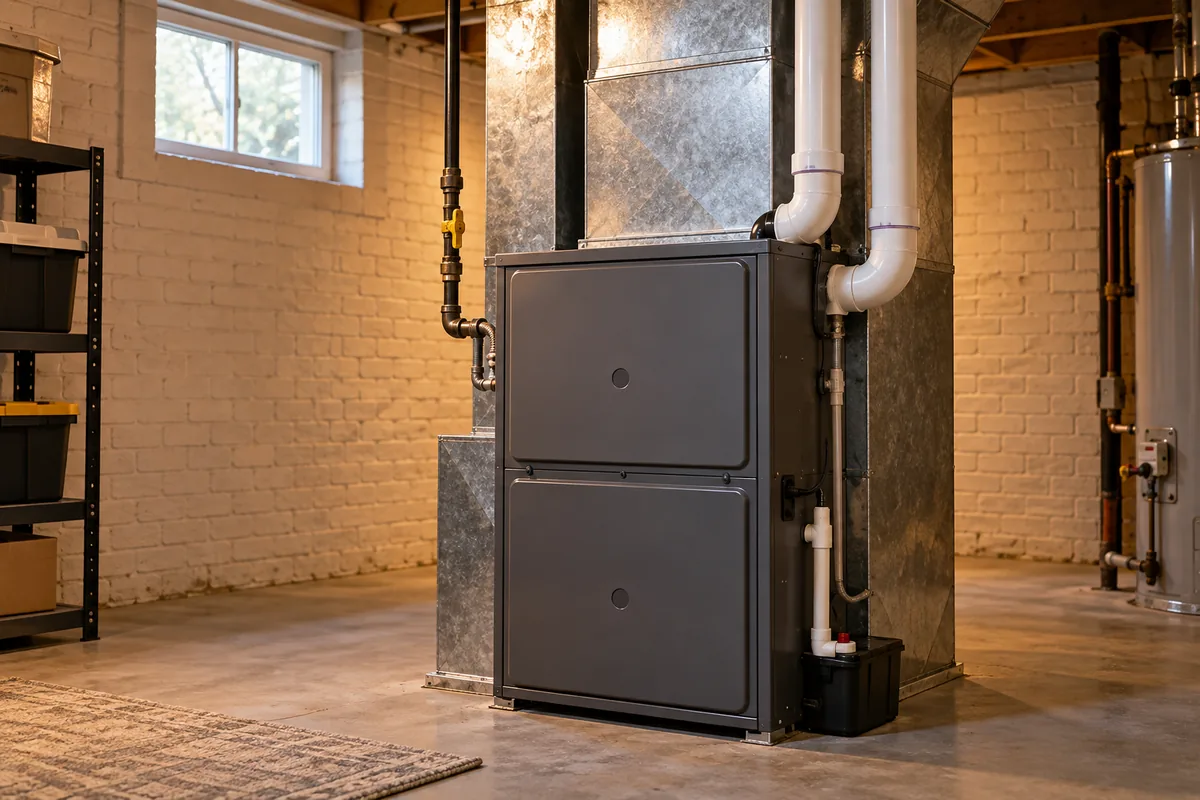
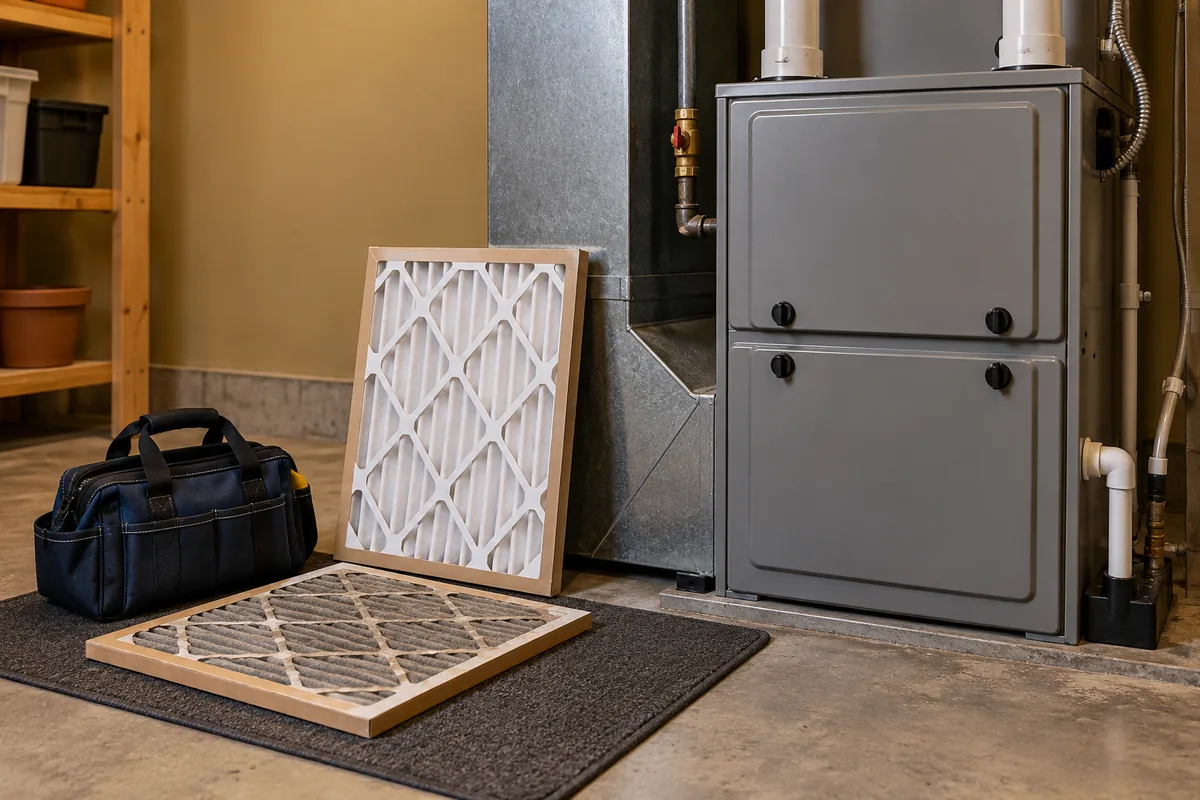
HVAC & Appliance Repair Guys provides Bryant furnace repair in Portland Metro. We assess no heat, repeated shutdowns, weak airflow and changes in the way the furnace responds to its controls. The work starts with the installed equipment and the problem you experience in the home.
Our furnace repair service explains the general service. For a Bryant furnace, the exact model and control arrangement matter too. Evolution, Preferred and Legacy names provide useful context. A family name alone does not identify every component or explain the fault.
No Heat, Reduced Heat or an Uneven Room
Describe whether the furnace produces no heat at all or heats without keeping the home comfortable. Those are different complaints. A unit that stays idle needs a different assessment from one that runs but fails to warm the rooms as it did before.
A single cold room can differ from a whole-home heating problem. Tell us whether that room has always lagged behind or changed with the current fault. We assess an older airflow concern separately from a new breakdown.
Evolution Equipment and the Installed Controls
Selected Bryant systems use Evolution Connex controls and communicating equipment. The Evolution 987M is an example of a modulating furnace with a variable-speed blower. That does not make every Bryant furnace a communicating or modulating system. We identify the actual equipment before applying those expectations.
Heating output and blower speed describe different functions. A change in one does not prove a fault in the other. We assess the control request and the furnace response together. A quiet fan, longer run or changing sound does not name the failed component.
What a Wall-Control Alert Can Tell Us
If the wall control shows a message, share the wording that is already visible. Also tell us whether heating stopped or continued with the alert. This gives the message useful context. You do not need to enter service menus, open the furnace or gather a detailed technical history.
An alert is a starting point for assessment, not a parts list. The cause may involve the installed control relationship or the furnace’s operation. We explain what the findings support before recommending a repair. A familiar error phrase alone is not enough to order the same part used on another system.
Short Runs and Repeated Stops
A furnace that starts, warms briefly and stops has a different pattern from one that never responds. Describe what you noticed during ordinary use. Include whether the home cooled down despite repeated starts or whether the problem appeared only once and has not returned.
Do not keep resetting the furnace or force extra cycles to demonstrate the issue. A brief return of heat does not identify why the earlier stop occurred. We assess the reported pattern with the equipment. We explain any further checks before treating the cause as settled.
Blower Changes and Weak Airflow
Tell us whether airflow weakened throughout the home or only at certain rooms. It is also useful to know whether the fan continues after useful heat stops. These observations help describe the symptom. You do not need to decide whether the blower, controls or another part caused it.
A variable-speed blower can behave differently from an older single-speed setup on supported models. That difference does not by itself explain a new loss of warmth. Tell us if the home now falls behind when it used to keep warm so we can assess the actual equipment and heating result.
A Fault That Does Not Happen Every Time
Intermittent problems can be difficult to describe because the furnace may run normally again before the visit. Share the pattern you already know: when you first noticed it, whether heat returned and any message that appeared. You do not need an elaborate log or a recording from inside the cabinet.
Mention a recent repair, control change or power interruption and what happened afterward. The sequence helps guide diagnosis without establishing the cause.
Repair and Planned Care Have Different Purposes
A loss of heat or recurring stop calls for fault assessment. Our furnace maintenance service covers planned care as a separate service. Describe the active symptom when arranging help.
We explain the diagnosed fault and proposed work, including any separate care or room-comfort concern.
Comparing a Repair With New Equipment
The repair decision depends on the finding and the actual furnace. Parts support, the proposed work and the history of repeated problems can all matter. We explain those factors without treating the brand or age as the whole reason to choose replacement.
Our Bryant furnace installation covers a planned equipment change when you want that comparison. Its estimate addresses new equipment and site work, separately from diagnosis and repair of the present heating fault.
Model Details, Access and Repair Checks
Share the model if you already know it or can read it without opening equipment. A photo of a visible wall-control message can help, but it is not a requirement to obtain service. Describe access limits near the furnace and leave connected parts in place for the visit.
Before approval, we explain the repair, any further testing and model-specific parts needs. After the work, the relevant heating operation is checked against the reported complaint.
Frequently Asked Questions
Does every Bryant furnace need Evolution Connex diagnosis?
No. The installed furnace and controls determine the assessment. Connex belongs to supported systems. We do not apply communicating-system expectations to equipment simply because it carries the Bryant name.
Can a furnace that runs for a long time still have a heating problem?
Yes, if the home no longer keeps up with the heating request or operation has changed. Some models also run at varied output normally. Describe both the run pattern and the effect on room warmth so we can assess them together.
Should I clear a control message before arranging repair?
Leave the message available if it remains on the normal display. Share its wording and whether heat stopped. There is no need to enter service settings or reset the furnace to prepare for the visit.
Request Bryant Furnace Repair in Portland Metro
Contact HVAC & Appliance Repair Guys to request Bryant furnace repair and discuss the model, installed controls and change in heating performance.
For Bryant furnace repair in Portland Metro, call HVAC & Appliance Repair Guys or submit a service request through the form on this page.