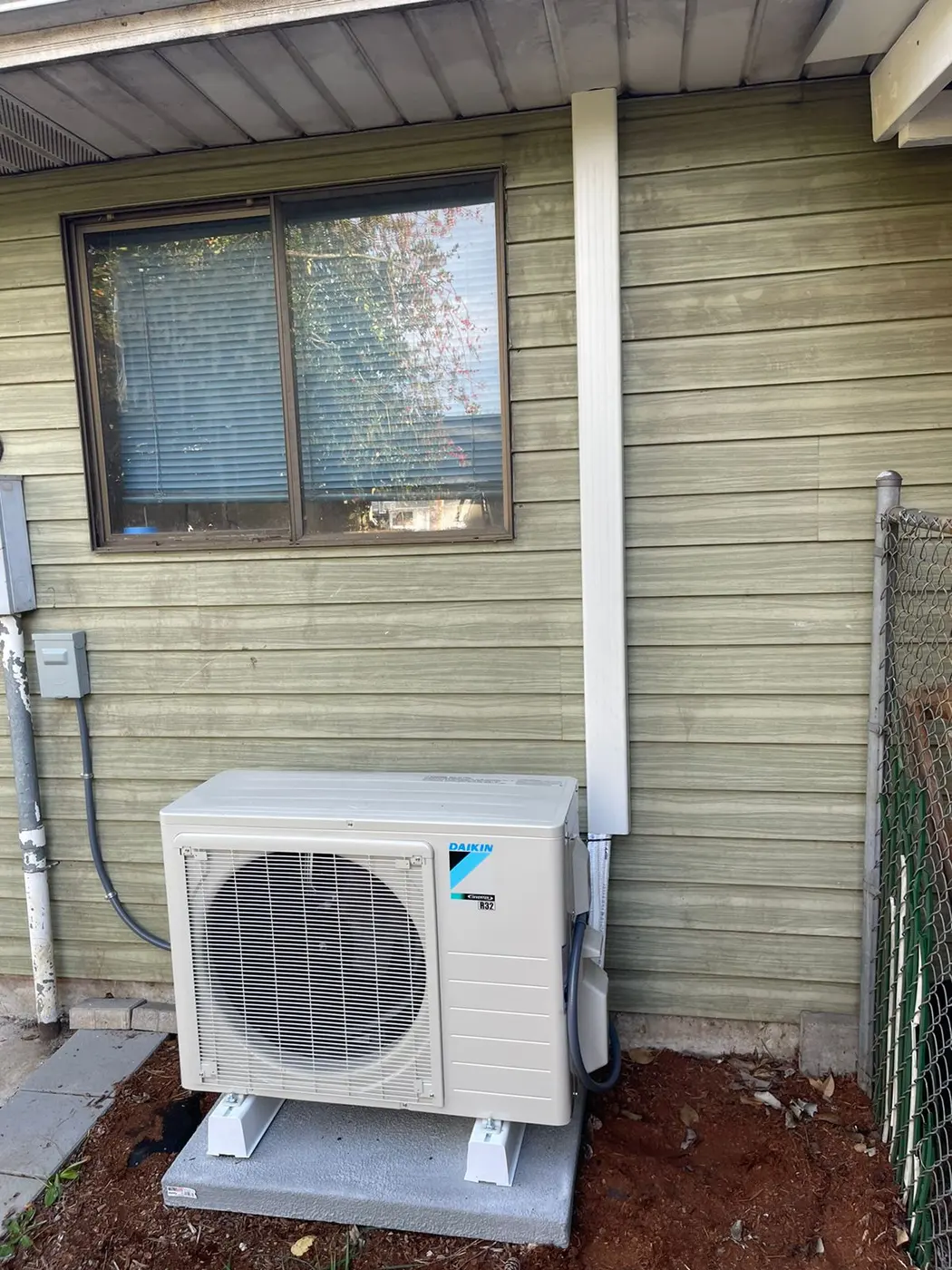
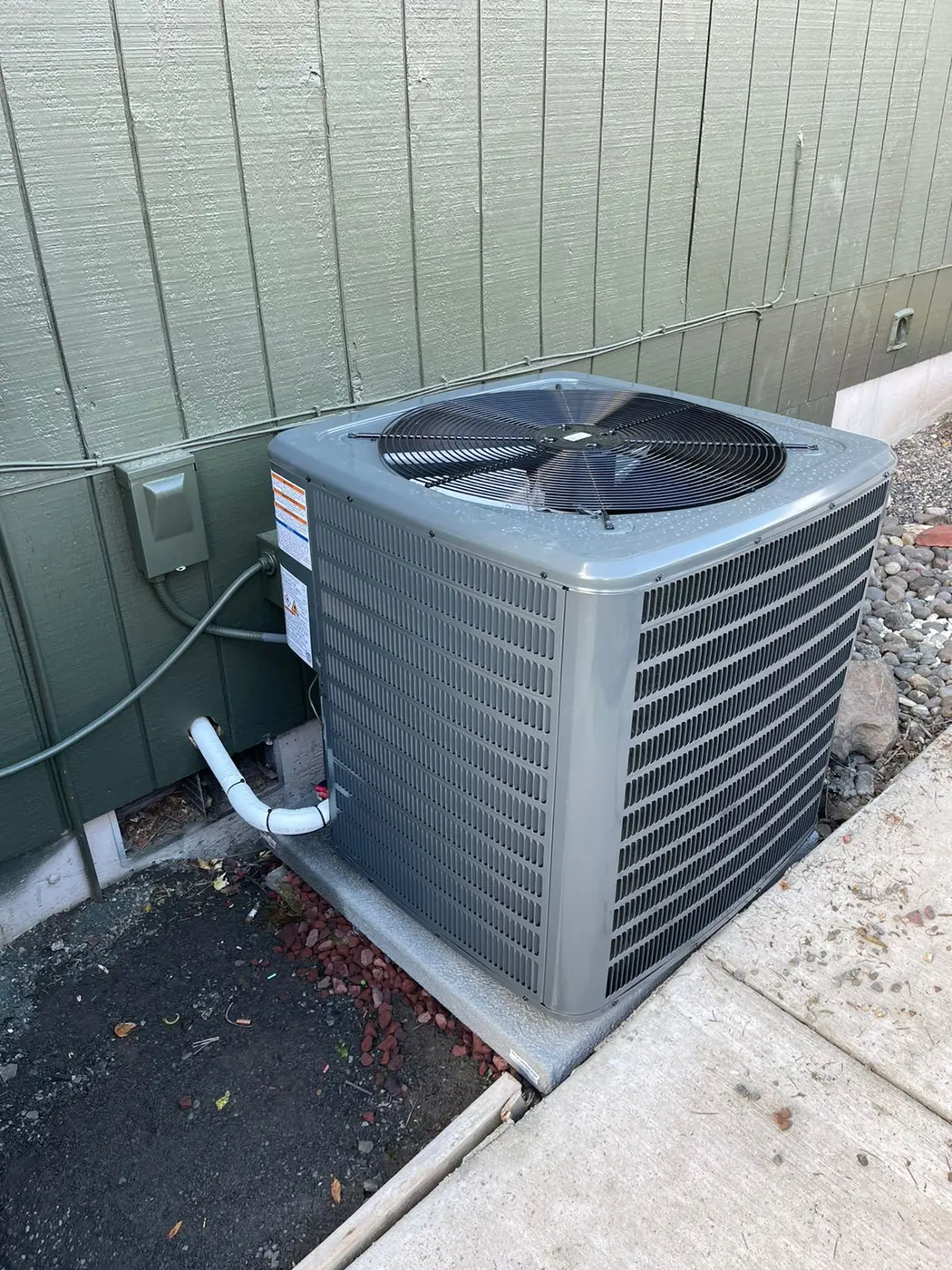
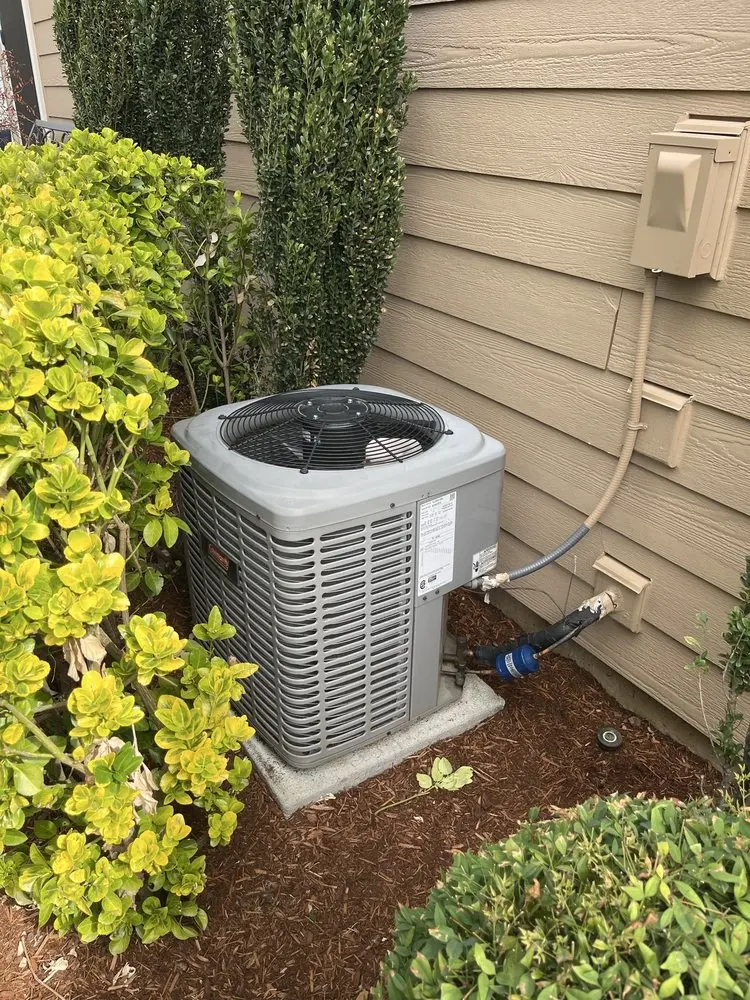
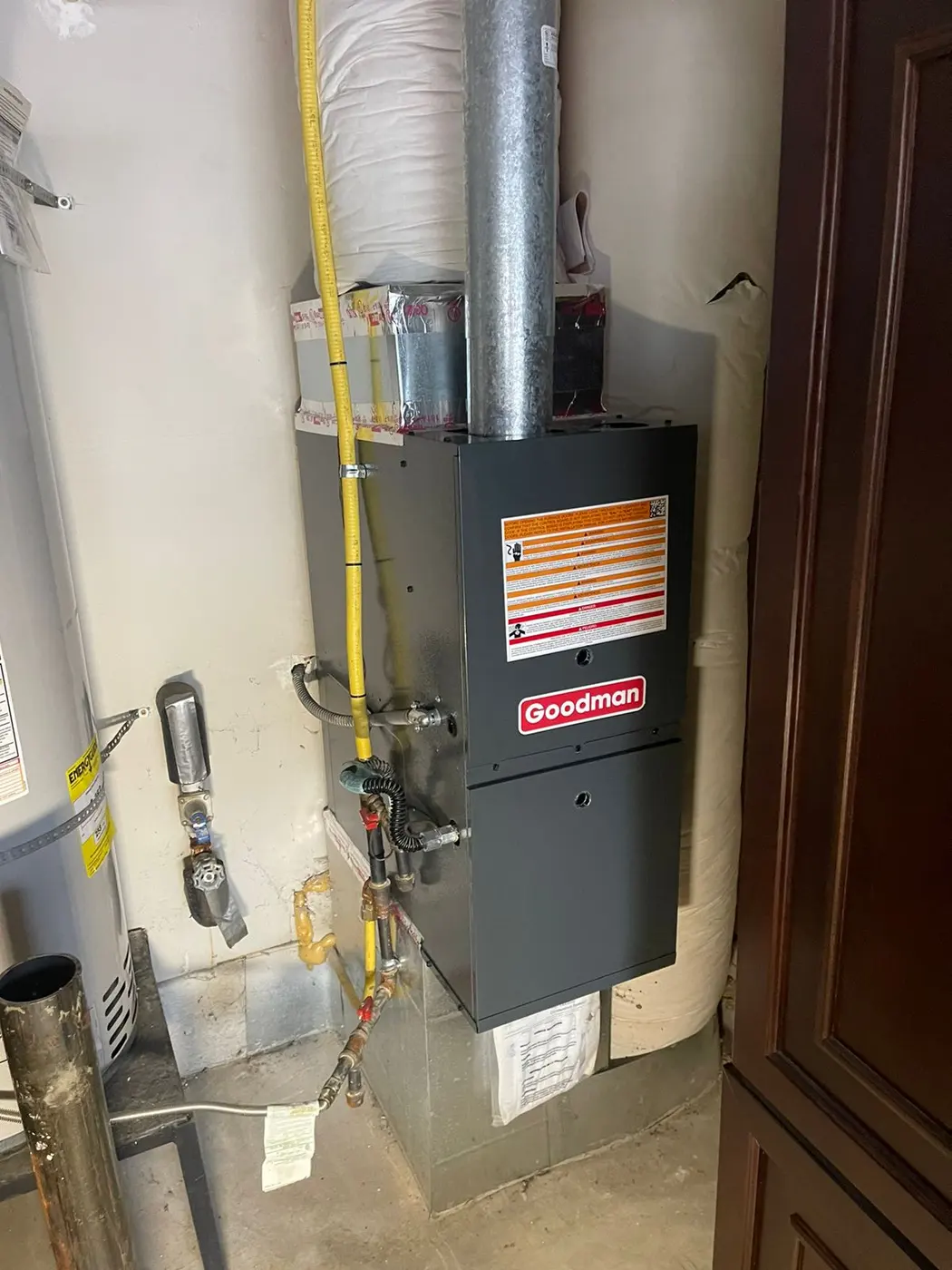
Plan for the Room When People Actually Use It
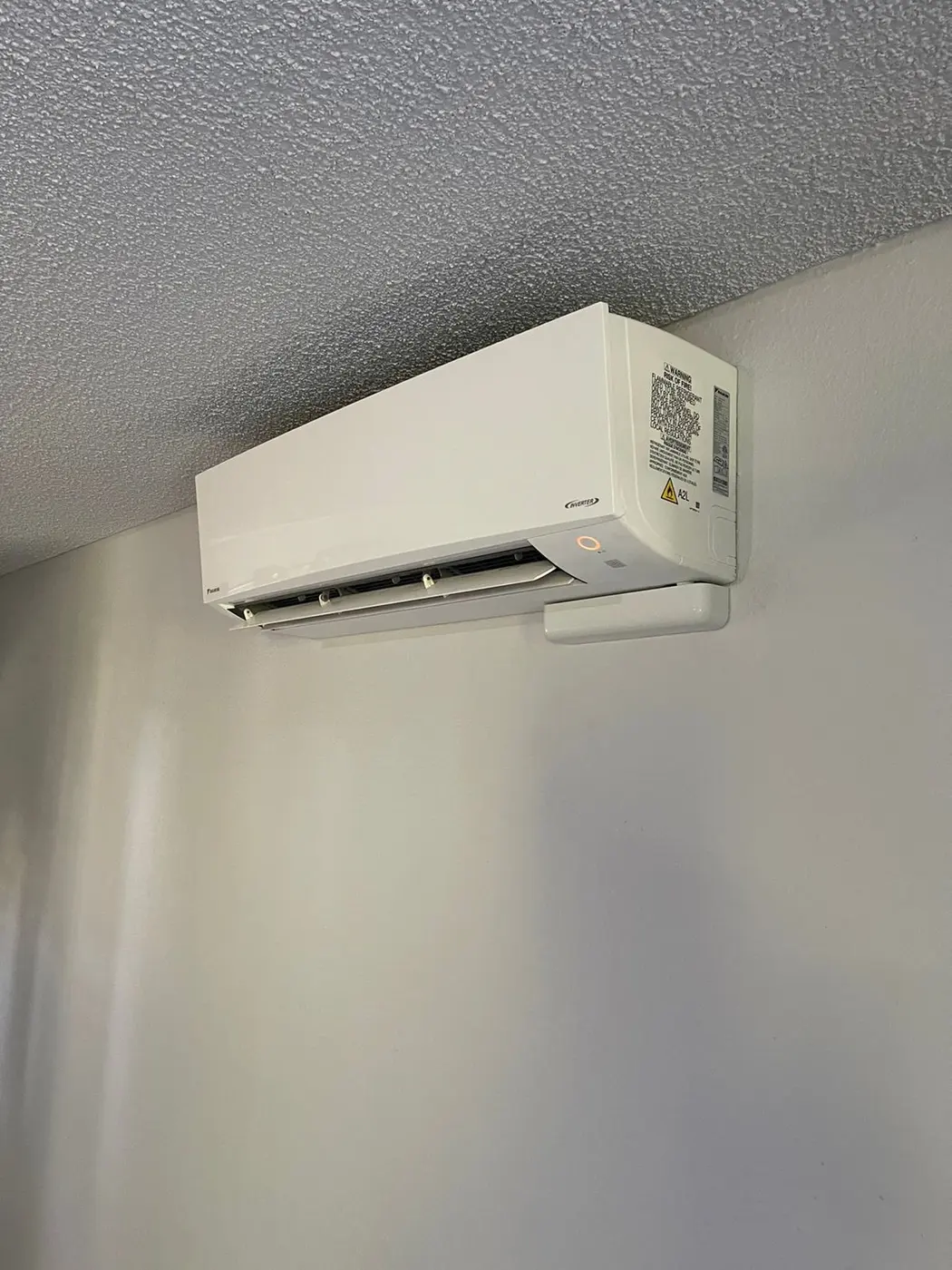
HVAC & Appliance Repair Guys provides mini-split installation in Wilsonville, OR. A guest room or occasional-use space needs a clear comfort plan for its occupied periods. Our free on-site estimator visit covers installation and replacement. Explain how the room’s use changes instead of describing it only as rarely used.
Name the functions visitors or other users need when they are there. Include heating, cooling and the usual door position. A room that stays closed can have a different air path from the surrounding space. The equipment plan should address that actual use.
Also describe what serves the room now. Another system may continue to provide part of its comfort. Keep that role explicit alongside the new head. An occasional-use room does not automatically need an entirely separate whole-home project.
Keep Capacity and Room Coverage Separate From the Calendar
A short stay does not, by itself, establish the right equipment size. The room and the conditions it will face still need review. Share the layout, intended use and any confirmed room changes. Avoid choosing capacity solely from the number of days people stay.
If you want nearby spaces included, name them before deciding on one head. A guest room unit does not guarantee the same result in another closed area. Ask how the proposed air path serves the agreed spaces. Head count should follow that plan rather than a general idea of occasional comfort.
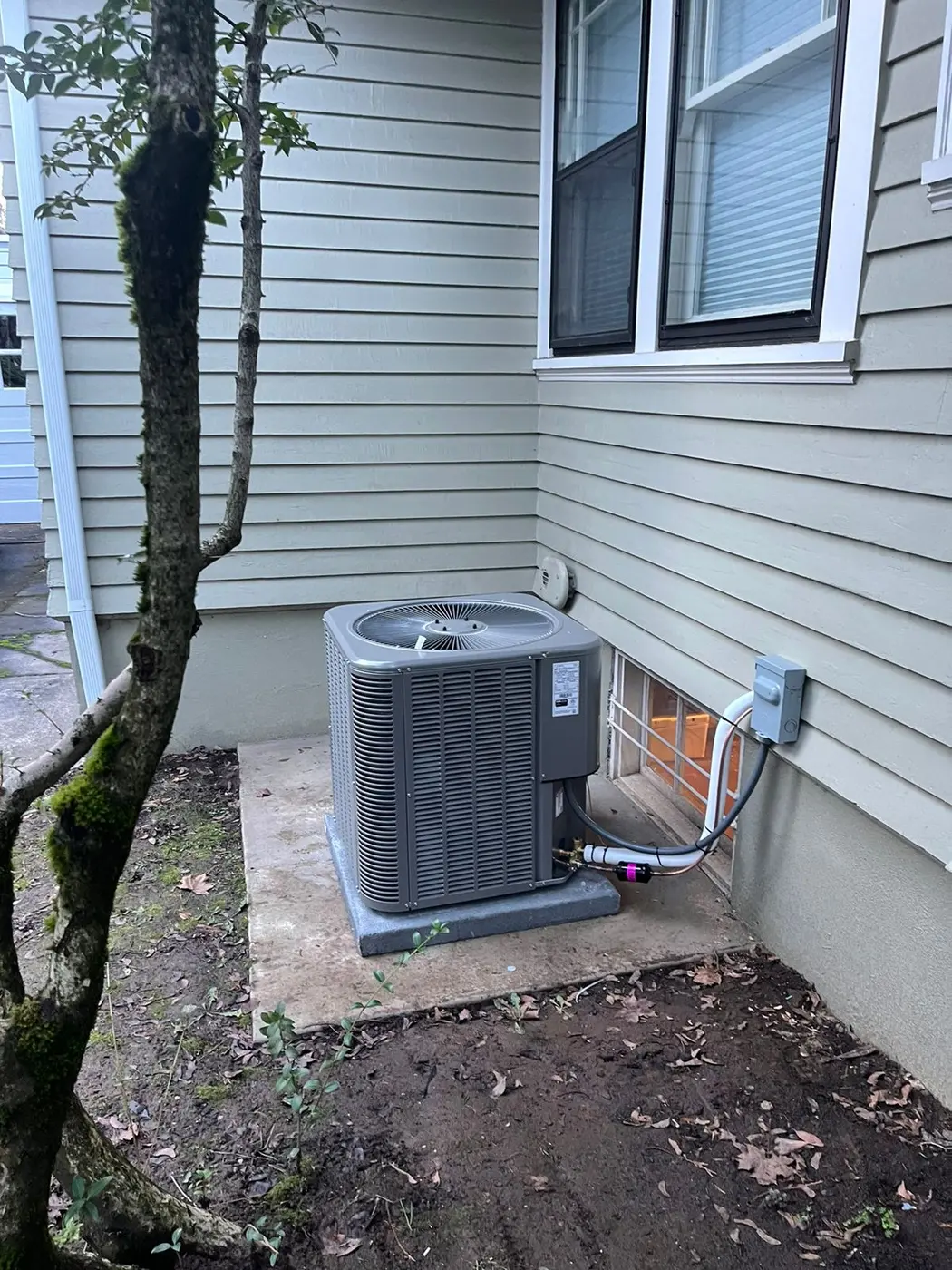
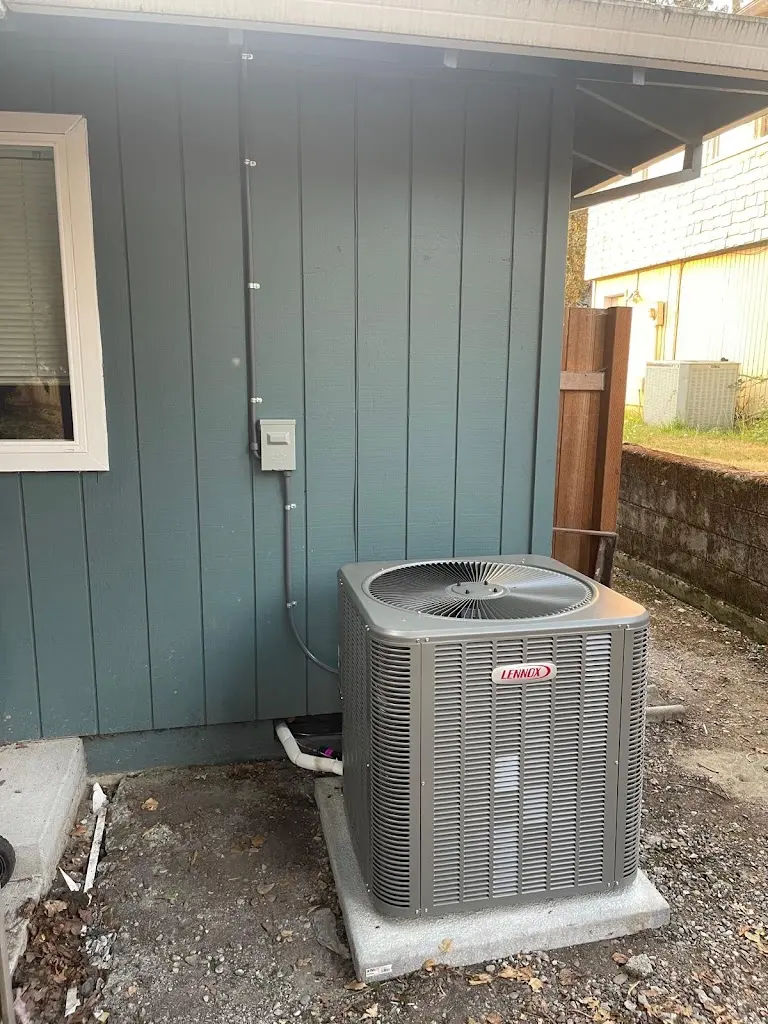
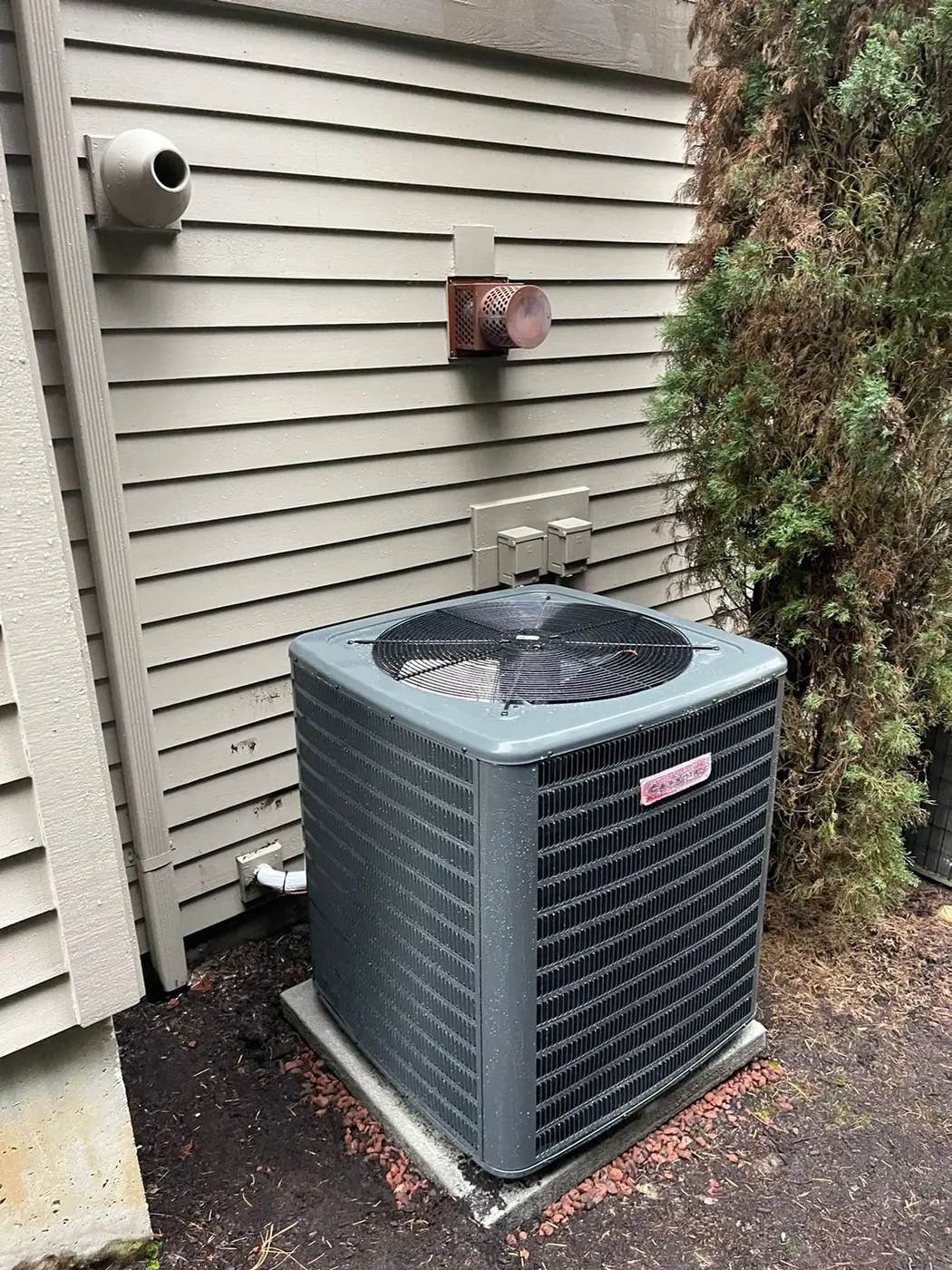
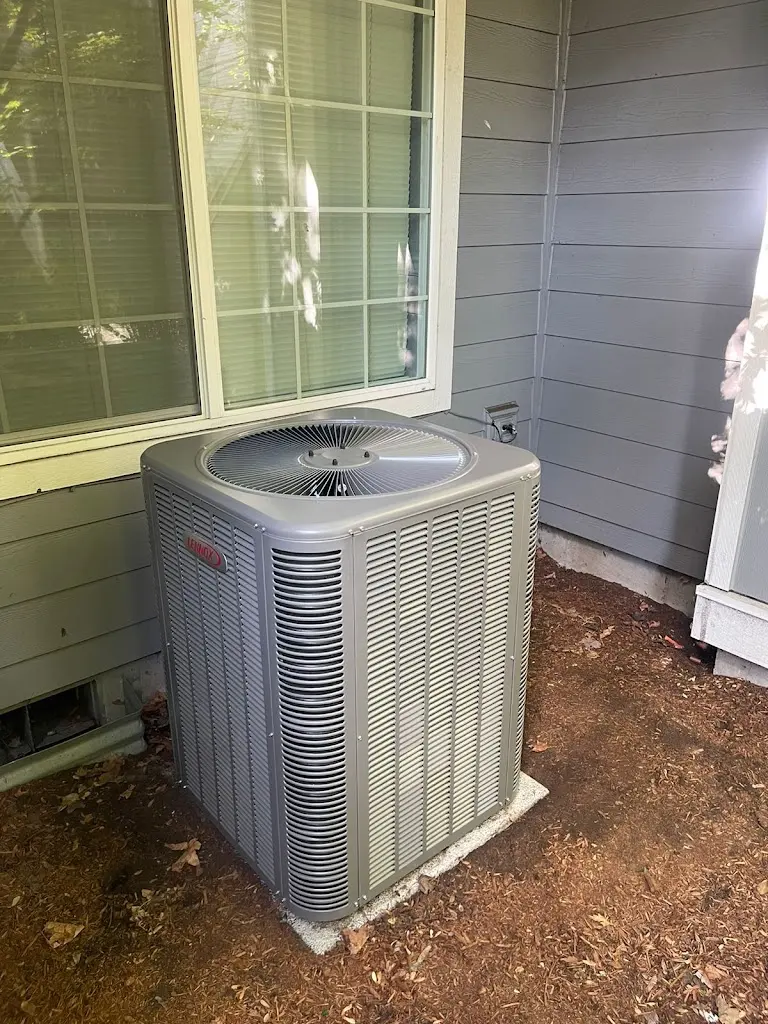
Our mini-split installation service reviews the indoor and outdoor setup together. Ask whether the proposed model supports the heating and cooling functions you need. Keep seasonal use clear. A unit chosen for one function should not inherit another role without review.
Choose a Position That Works for Guests and Later Care
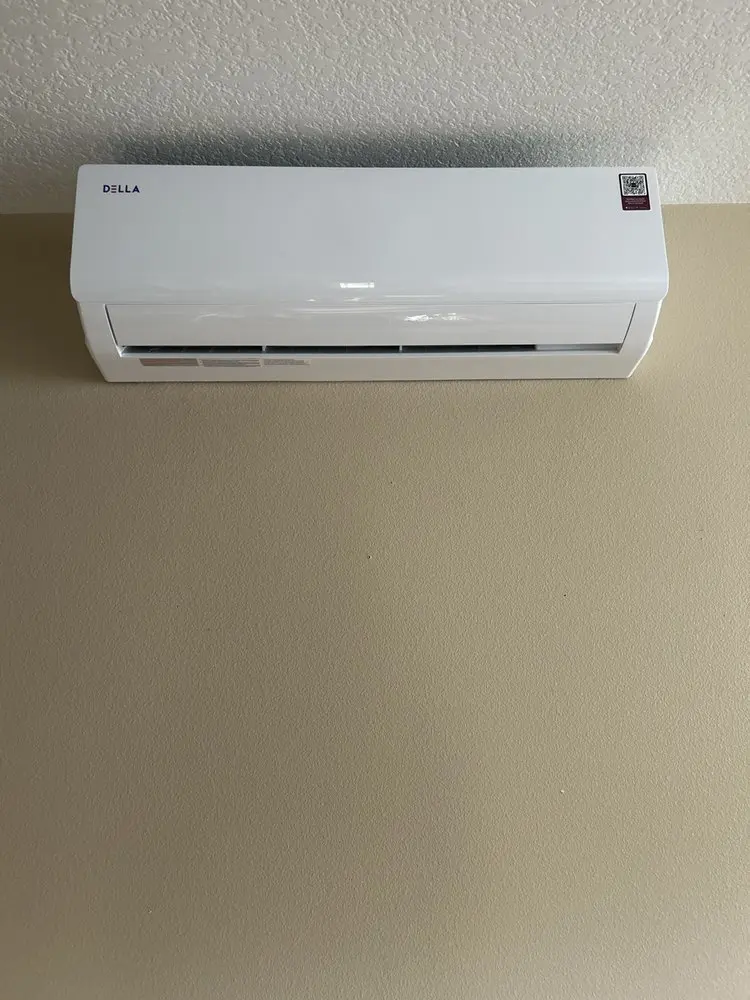
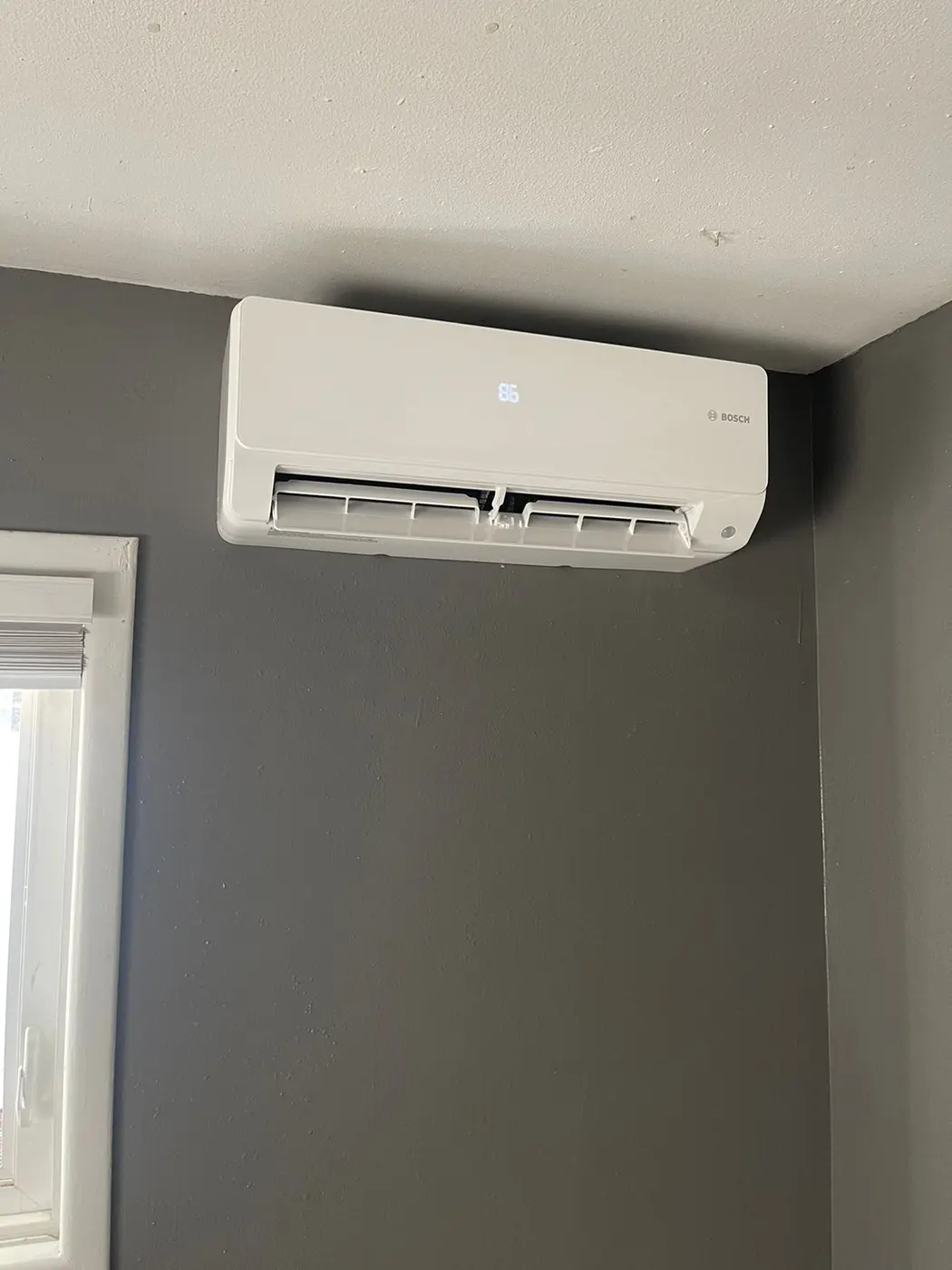
Show the normal bed, seating and storage arrangement. Explain where direct air would feel unwelcome. A head above an unused wall section may still face the wrong place. Compare the proposed position with the room people will actually occupy.
Keep access for filter care and service in the discussion. Guest rooms can also hold storage between visits. The equipment should remain reachable when those items return. A temporary clear wall on installation day does not establish long-term access.
Discuss sound expectations through the location of the bed or seating. Ask about the actual model and position without treating a quiet feature as a promise of silence. Include the outdoor unit if it will sit near an opening you use. The full placement plan matters to the room experience.
Make Normal Controls Easy for an Unfamiliar User
Explain whether guests will adjust settings themselves. Ask which normal controls suit the selected equipment and how a user finds the basic modes. A simpler routine can be more useful than extra features no one plans to manage. Keep any preferred interface conditional on the actual model.
If other heat remains, identify its control separately. Visitors should not have to guess which device runs which equipment. Ask what ordinary-use guidance applies before and during a stay. Do not assume one fixed start-up time fits every room and outdoor condition.
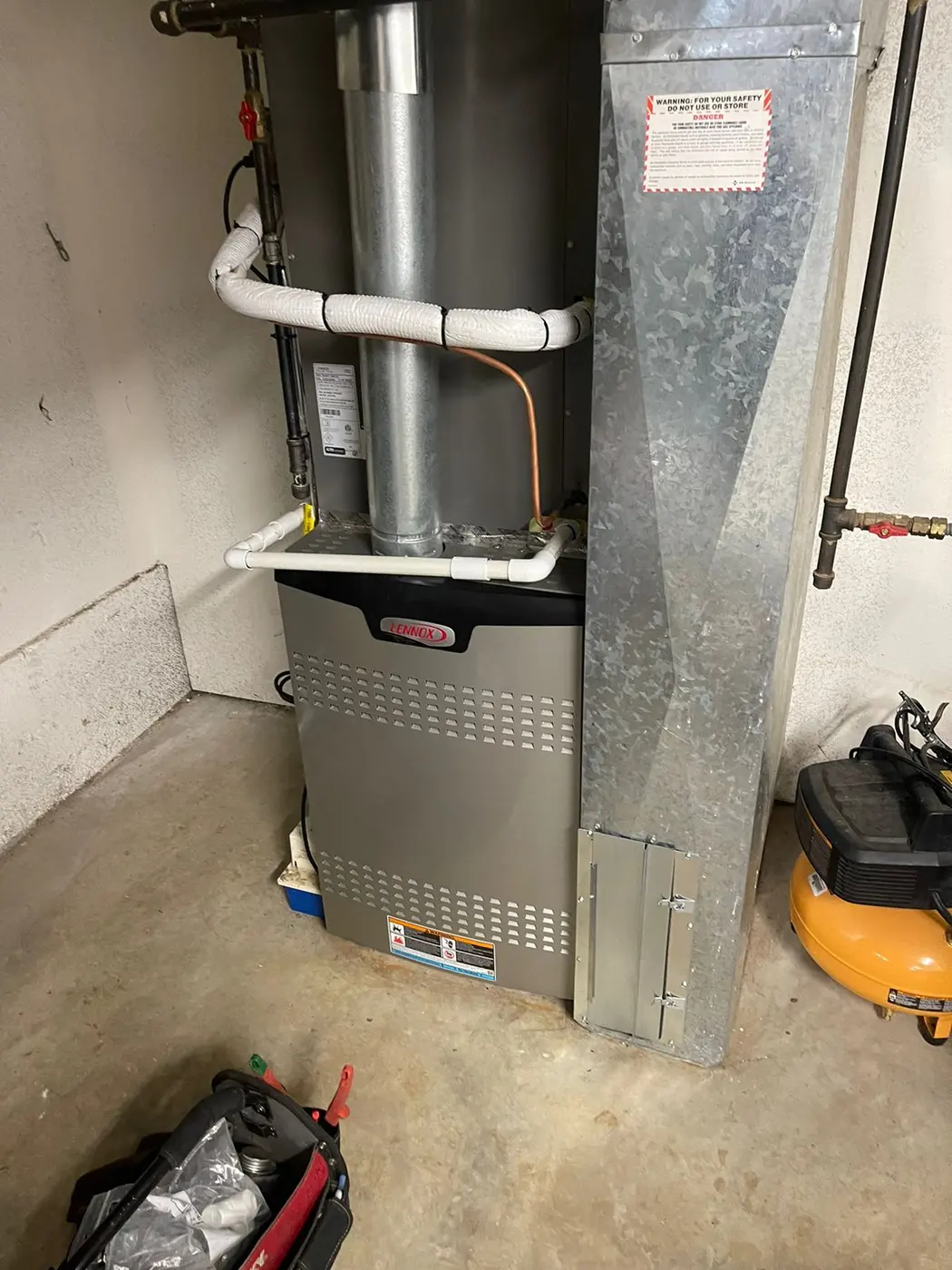
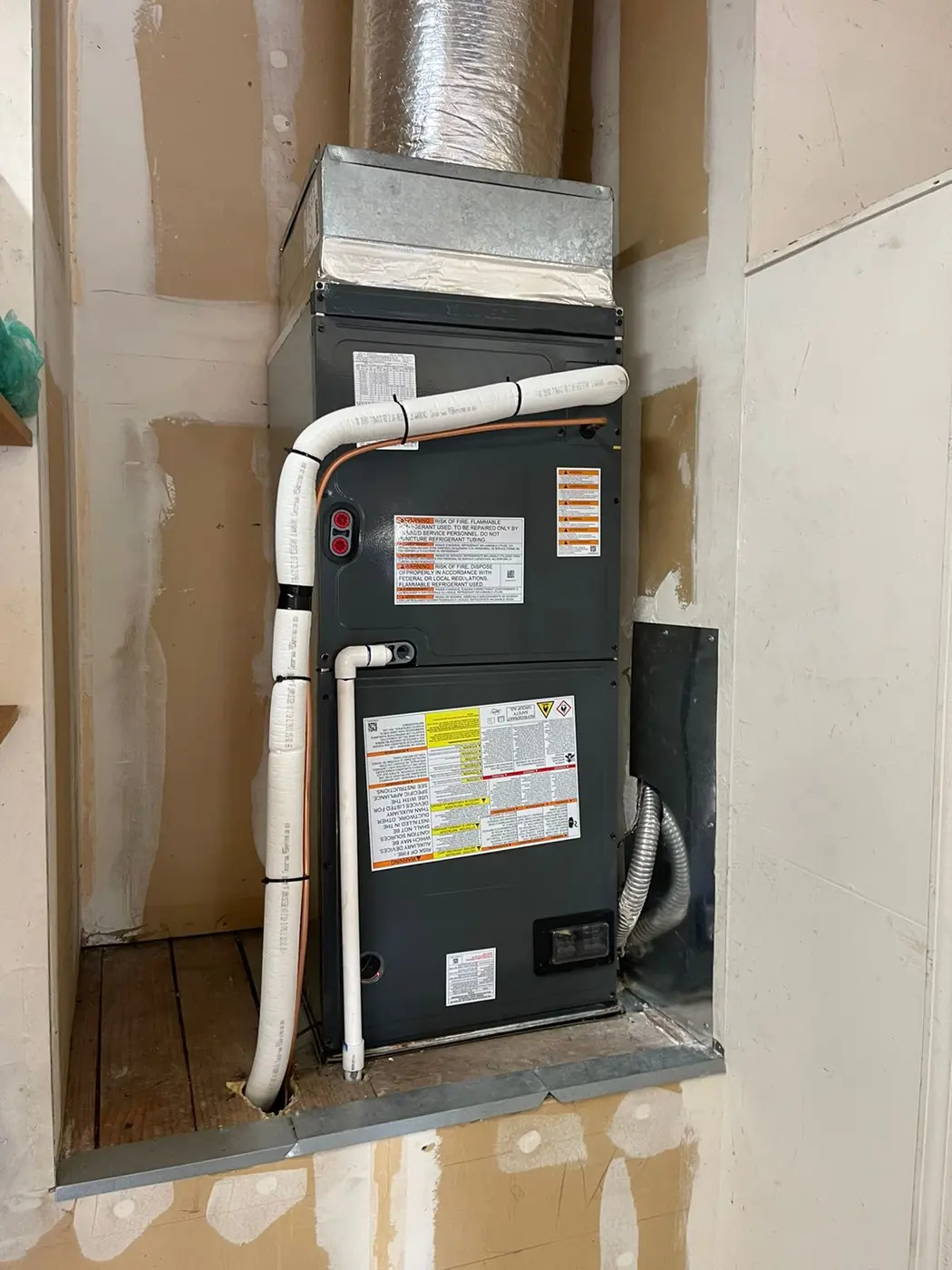
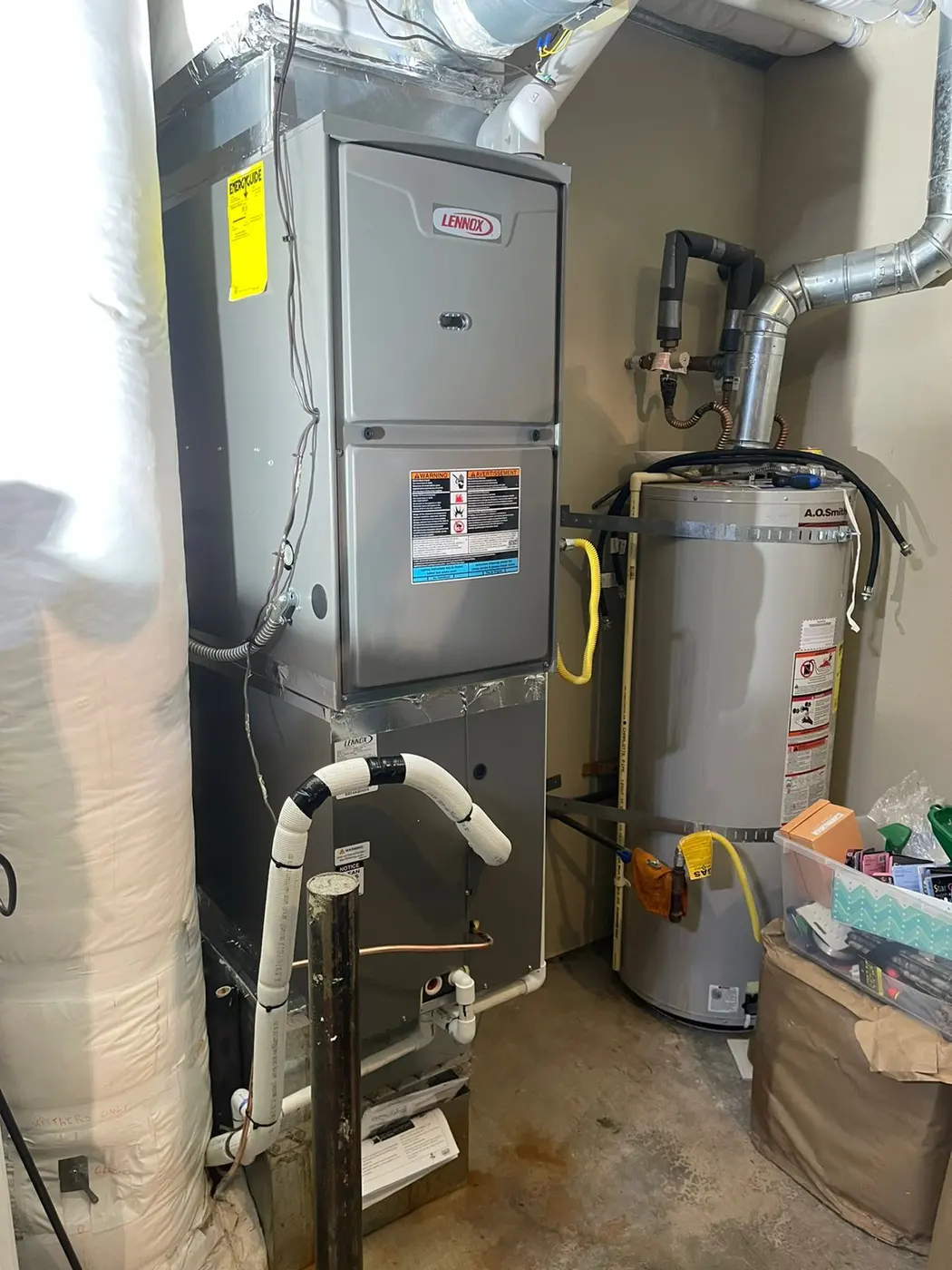
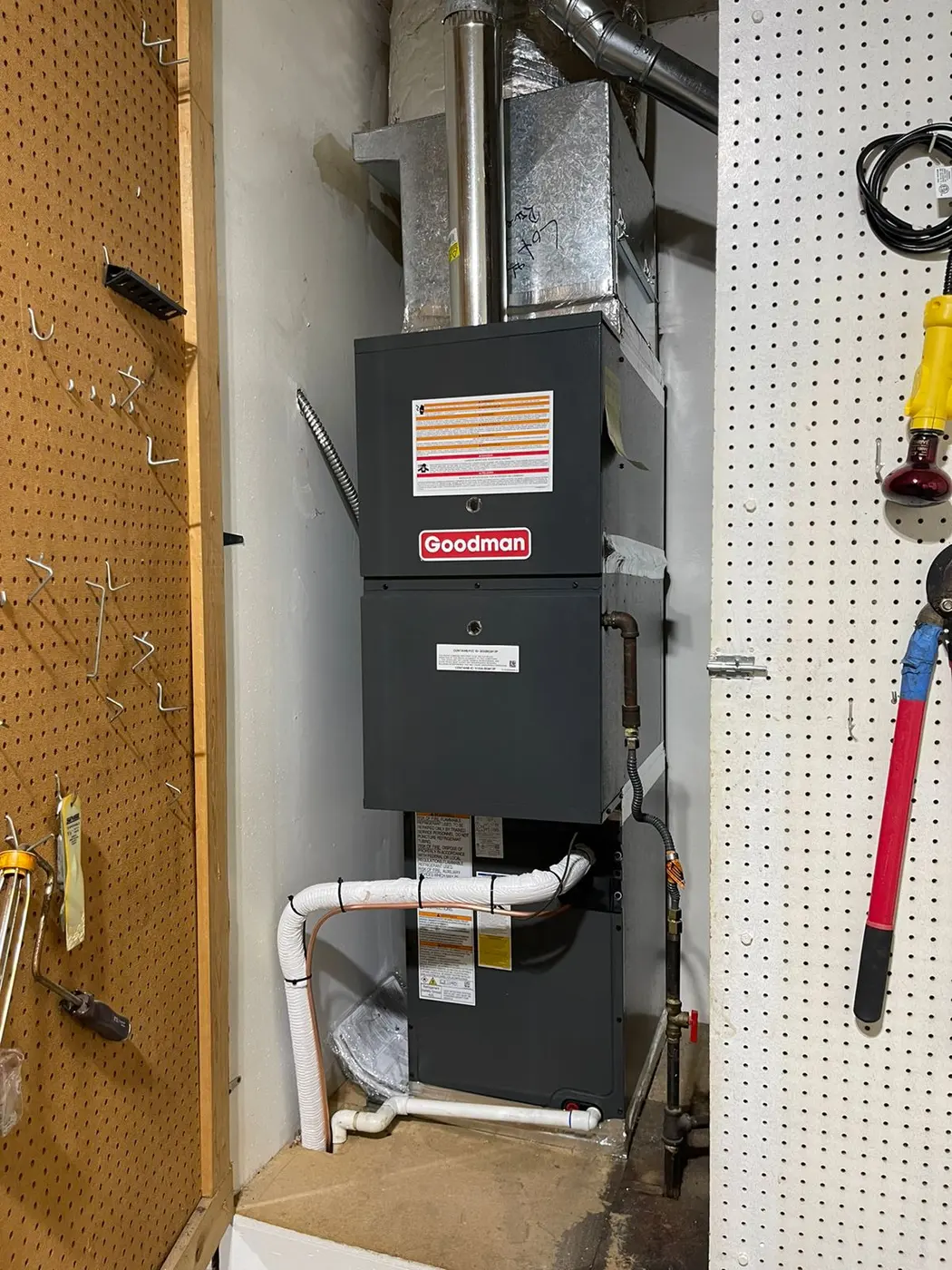
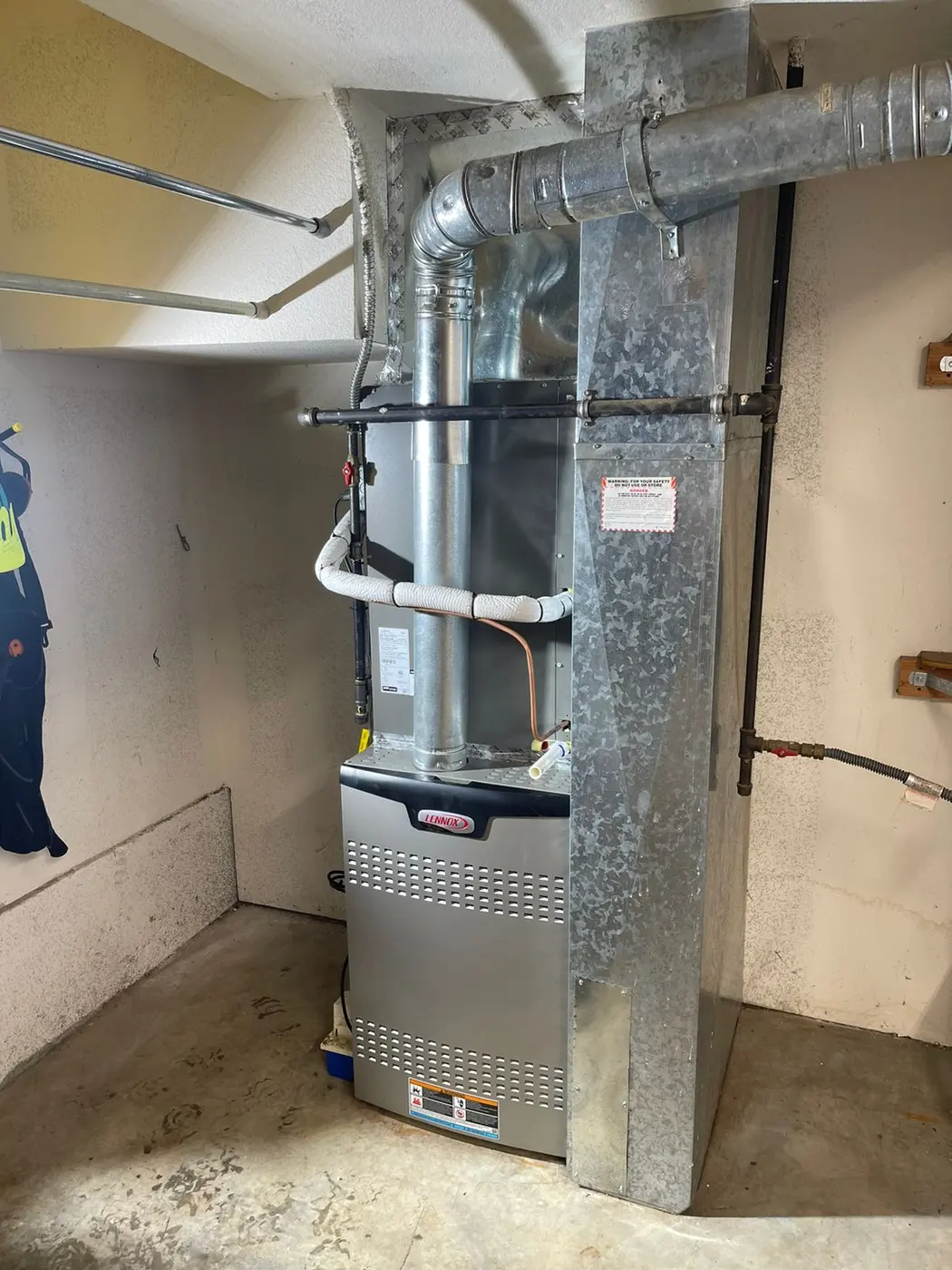
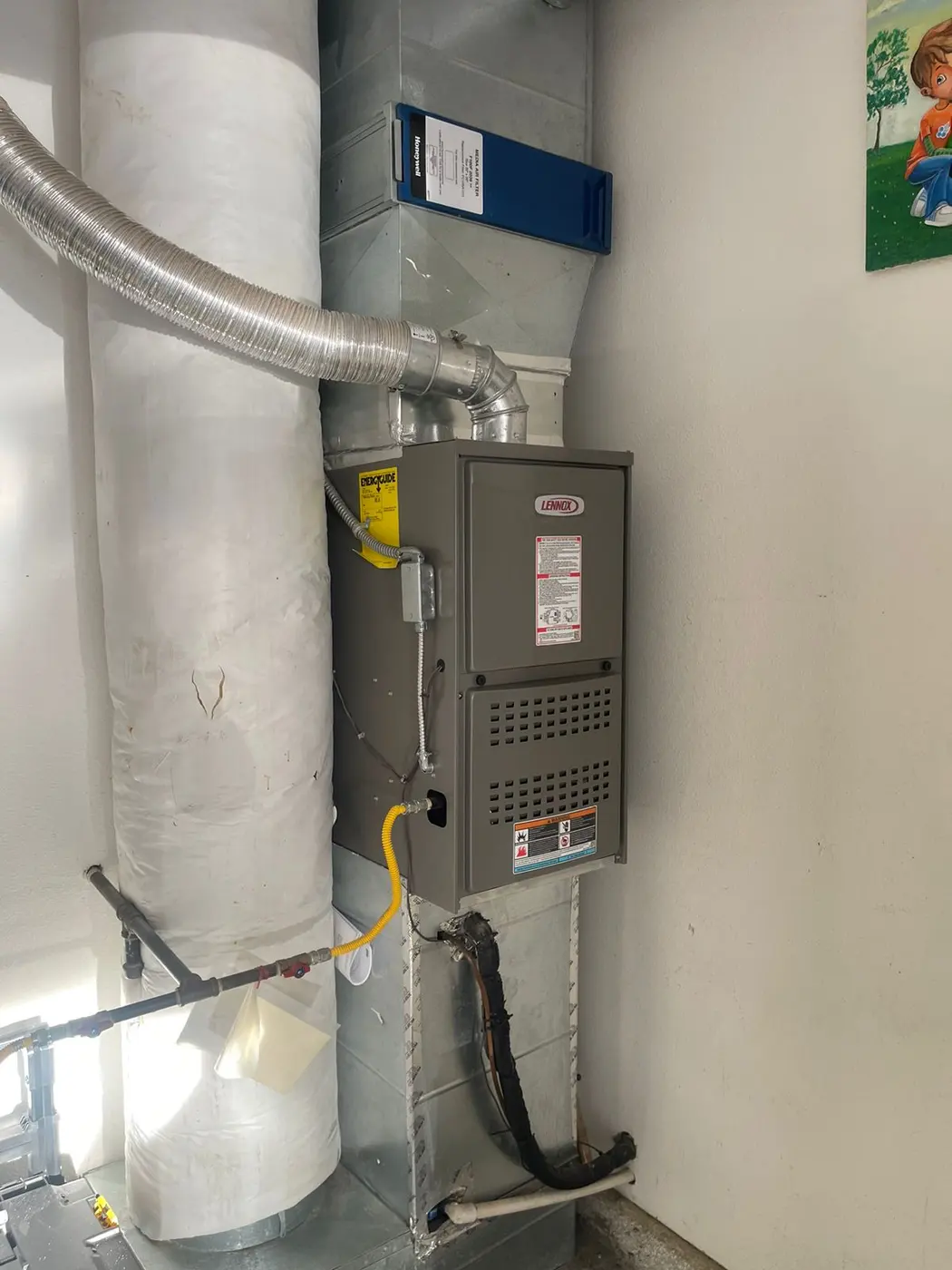
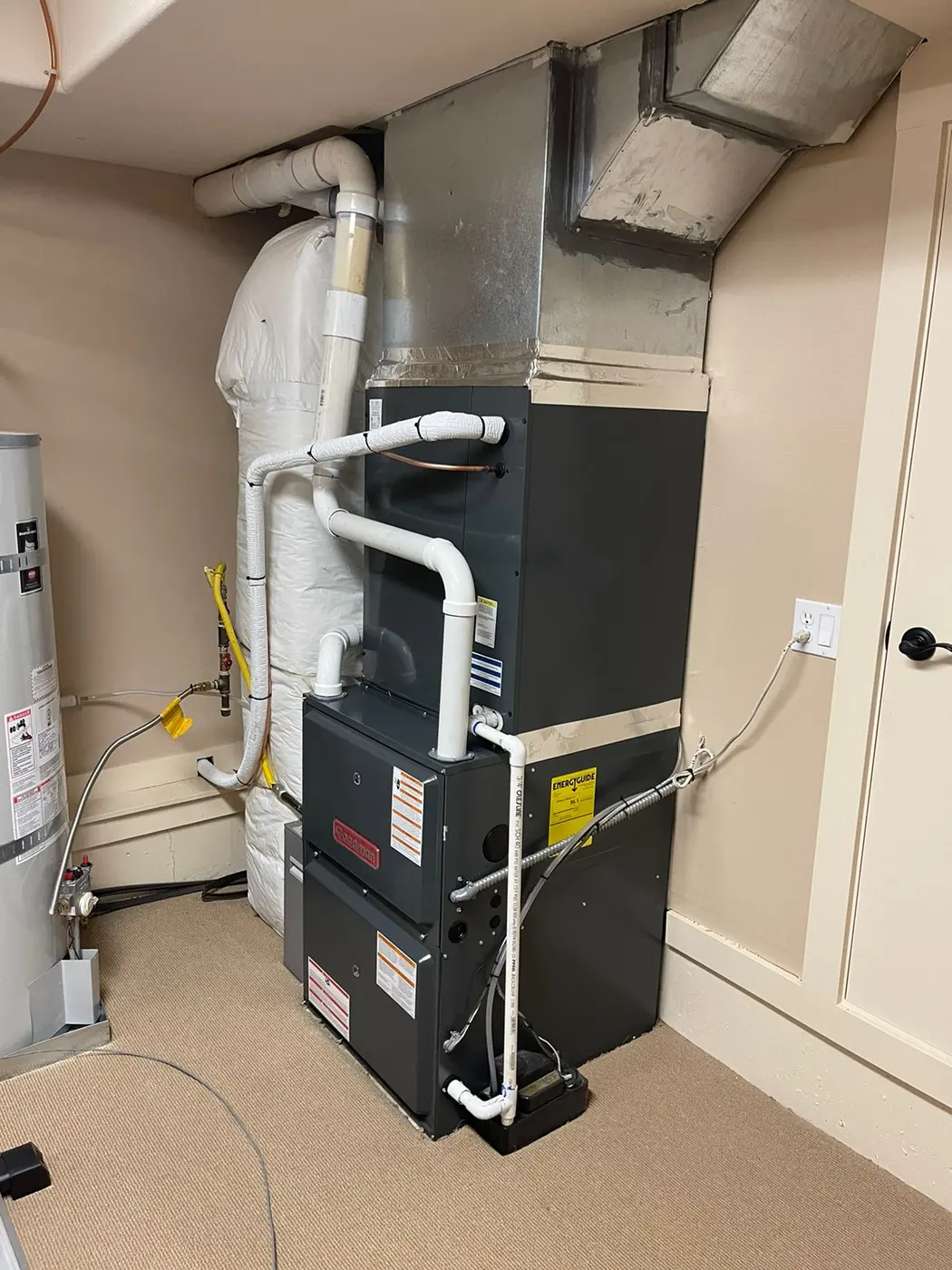
Our HVAC installation in Wilsonville service covers broader equipment changes. Include that scope if the room project also changes the main system. Keep the guest-room task distinct from wider work. Its price should show which functions and connections it actually includes.
Keep the Room Plan Clear Between Visits
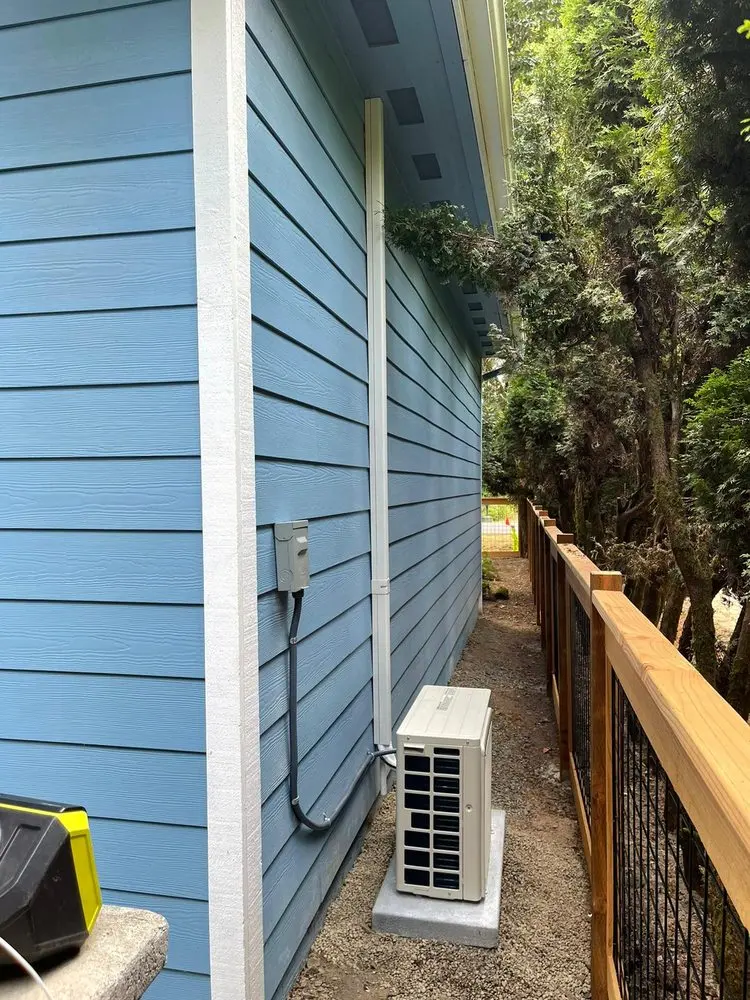
Before installation, review the head position, routes and required preparation. Include cooling-water drainage and the outdoor approach. Discuss the room’s availability for work separately from the next planned guest stay. A preferred use date does not confirm equipment readiness or completion time.
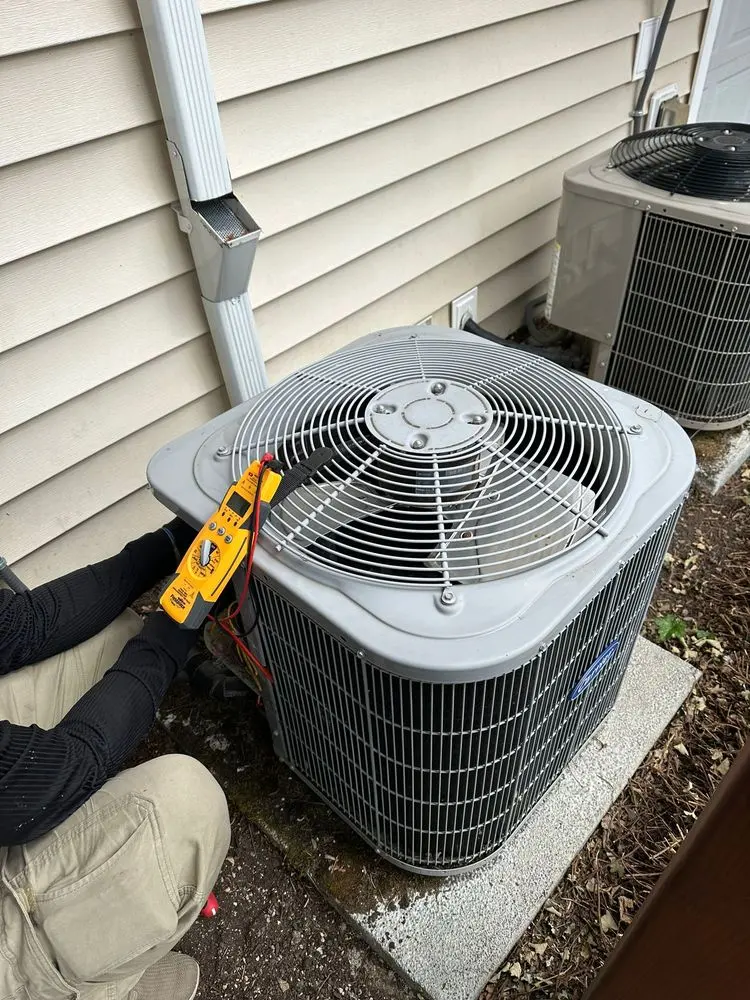
At handover, review ordinary modes and the care information for the installed setup. Keep concise normal-use guidance with the model record. Ask which operating checks the team completed. For a later concern, report the room, setting and result without guessing the cause.
Frequently Asked Questions
Does occasional use mean I should choose the smallest head?
No. Use frequency alone does not establish the room’s heating or cooling needs. The actual space and proposed coverage require review. Ask how the choice fits the room when people use it.
Can a new control promise the room will reach the setting by a fixed time?
Do not assume a fixed result from a schedule feature. The equipment, starting conditions and room affect how it responds. Review the ordinary guidance for the selected setup without treating a timer as a guaranteed comfort deadline.
Should I keep guest instructions separate from service settings?
Yes. Share only the normal functions the installation team explains for everyday use. Leave advanced setup to service work. Clear room and control labels can help users describe a concern without changing hidden settings.