


AC Maintenance in Clackamas After Limited Use
HVAC & Appliance Repair Guys provides AC maintenance in Clackamas, OR. Filters, coils and cooling drainage can need attention even when the system has seen little use. Share the last known service and cooling performance; an idle period alone does not establish the equipment’s condition.
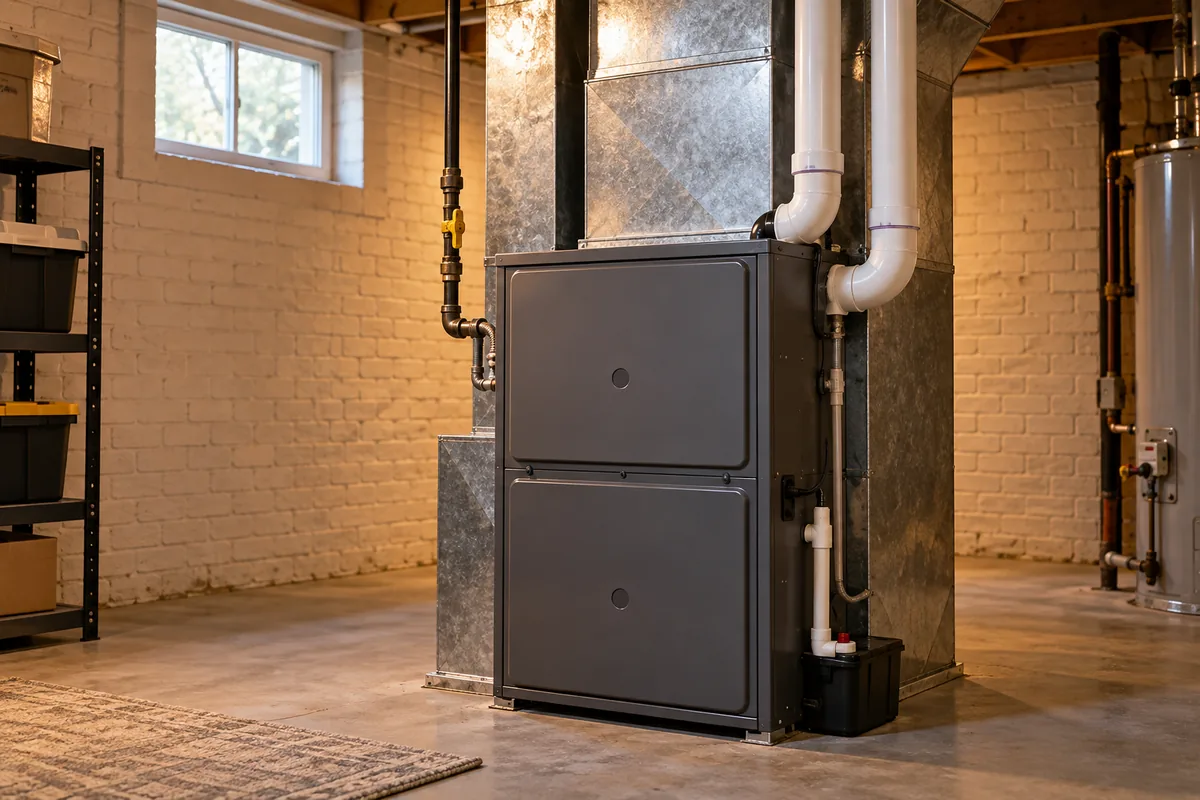
Our HVAC maintenance service in Clackamas covers a broader care request. Mention any separate heat source when discussing the appointment. Confirm whether you want cooling care alone or work on that equipment too.
Service History and Safe Preparation
A filter receipt, an old invoice or a note about a drain concern can each add part of the history. Check which unit and task each record names. A repair from last year does not establish that every care item received attention at that time.
Describe the last normal cooling use if you remember it. Say whether the rooms reached a comfortable temperature or whether a concern remained. There is no need to run a suspect system to complete the history. The known facts are enough to explain why you want service.
Mention changes around the equipment during the idle period. Stored items may now limit access, or a cabinet may sit behind a new arrangement of furniture. Describe those conditions before the visit. Leave equipment covers and fixed connections in place.
Cooling Care and Active Fault Diagnosis
Filters, coils and cooling drainage have different care needs. Ask which parts the proposed maintenance covers and whether access limits affect the work. Cleaning one visible item does not document the condition of every hidden component. Review the scope and price together before approval.
Report a current loss of cooling when booking. Our AC repair service in Clackamas covers that separate need for diagnosis. Routine maintenance does not necessarily repair a failed system.
Cooling Performance After an Idle Period
Starting the AC and feeling cool air do not establish the condition of every filter, drain or coil. Describe the last regular use and any rooms that stayed uncomfortable.
Share any known issue from the last cooling season. A system that iced up or shut down should not lose that history because it starts again today. We keep those faults separate from routine care tasks. That lets you understand whether the next step is maintenance, a repair assessment or both.
Filter Care and Airflow After an Idle Season
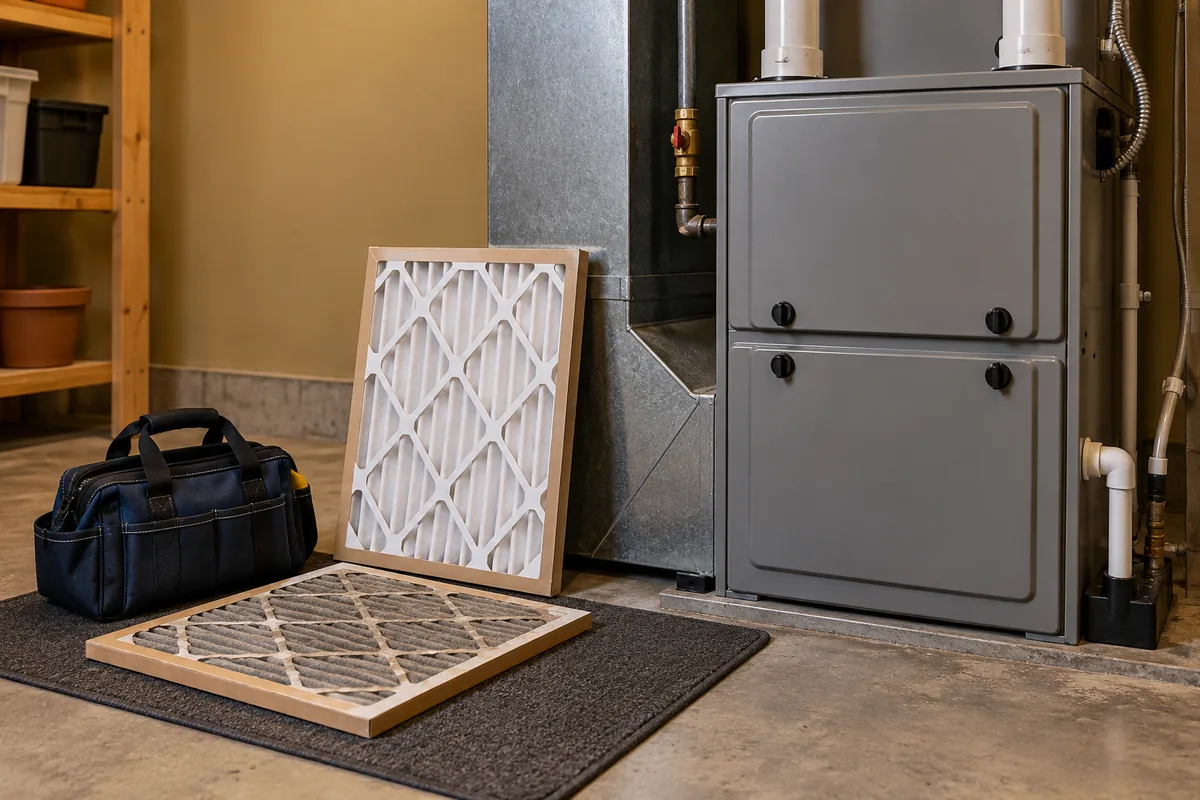
Check the filter information you already have, including its size and when it last changed. A long period without cooling does not always mean the filter stayed clean. The same system may move air for heating or fan use. Its recent work matters more than the date of the last warm day.
A suitable filter needs to fit the equipment and its airflow requirements. A more restrictive product is not automatically a better choice for every system. Ask which filter and care interval fit the installed setup. You should not need to remove service panels or change blower settings to prepare for routine maintenance.
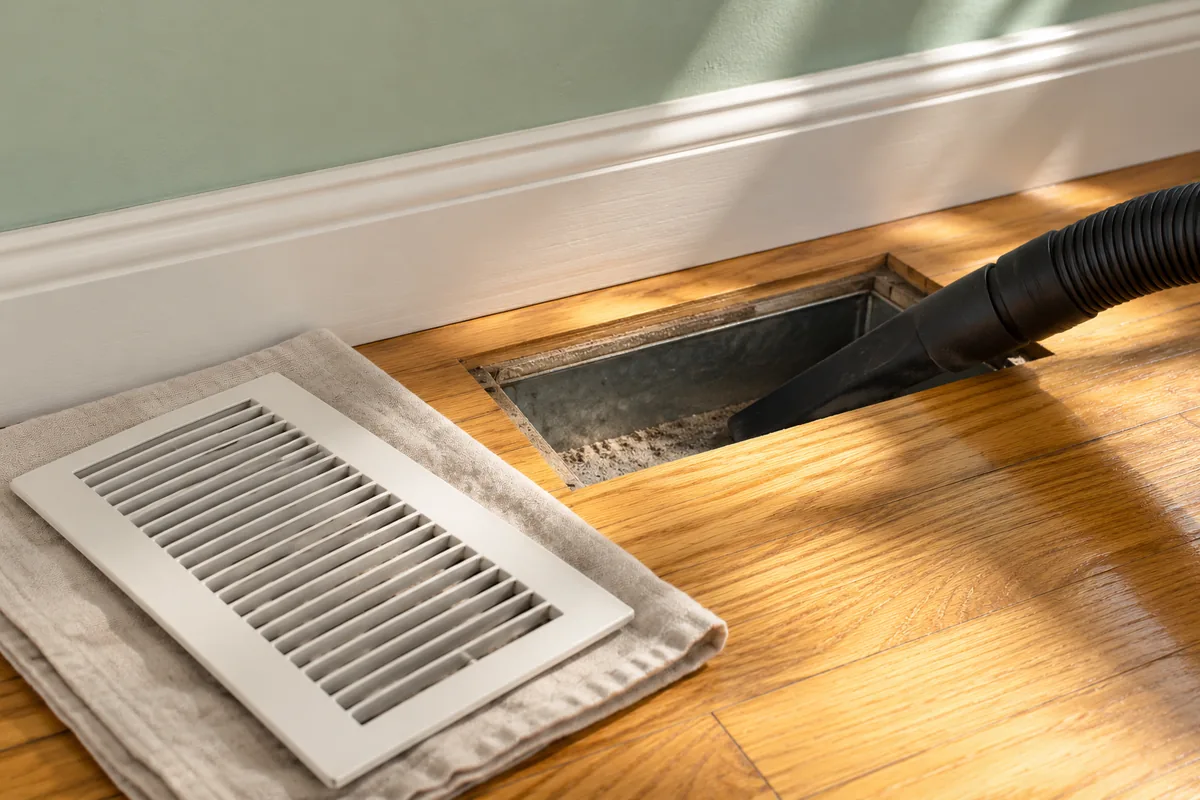
Blocked room registers or stored items near return grilles can also affect air movement. Tell us about changes in furniture or room use since the last season. These observations help connect an airflow concern with the areas served. They do not establish that the equipment itself needs a new part.
Drainage and the Outdoor Unit
Cooling removes moisture from indoor air, and that water needs a working drain path. A musty smell or a past puddle deserves mention even if the area is dry today. We review the drainage as part of the relevant care plan. Dry weather before the visit does not prove how the system handles moisture during use.
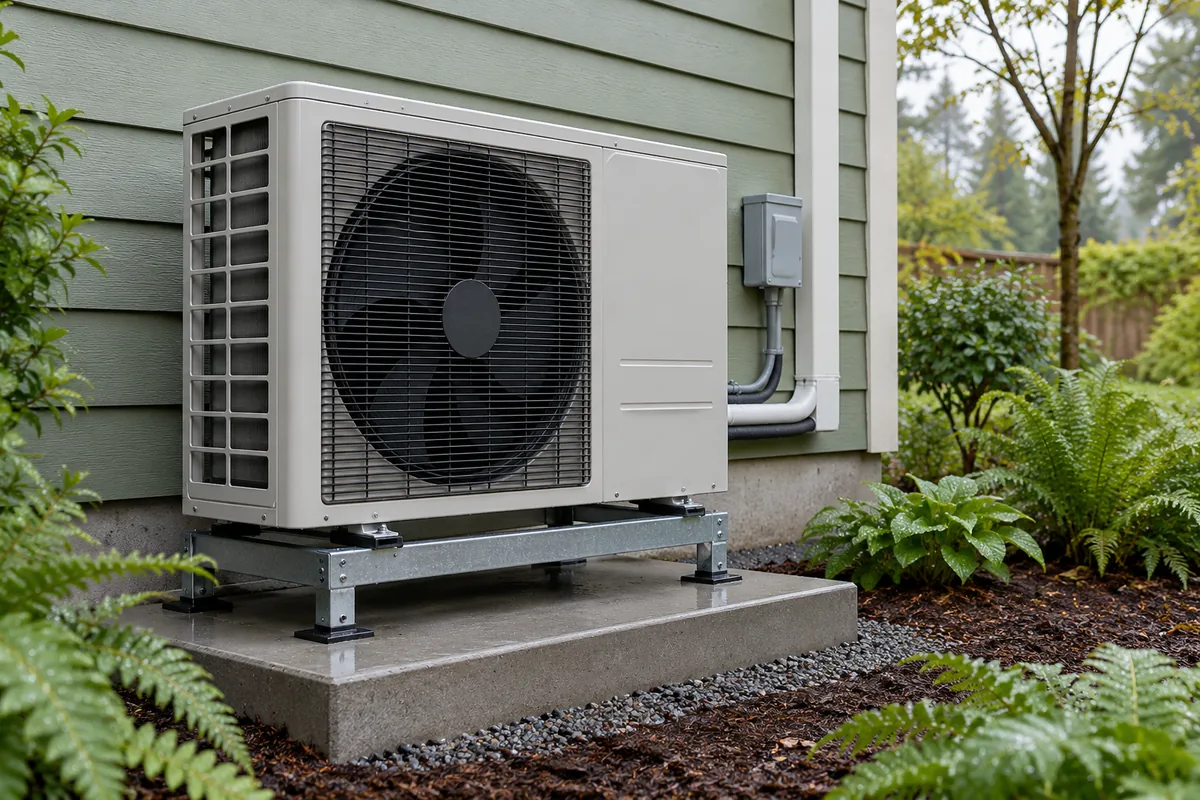
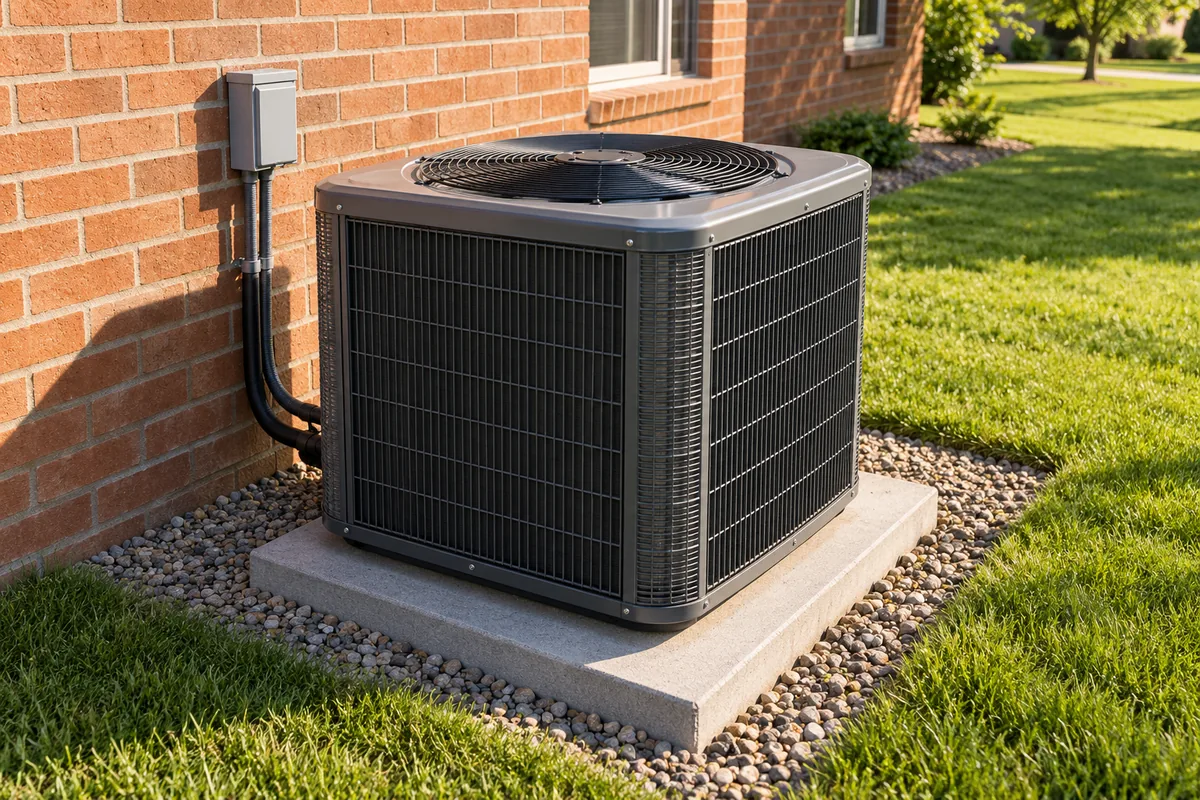
The outdoor unit also needs suitable airflow and service access. Let us know about nearby growth, stored items or recent work around it.
Keep covers and electrical parts in place. We discuss access and the cleaning appropriate to the unit. You do not need to dismantle it before the visit.
Maintenance Findings and Next Steps
Keep the completed tasks and operating findings with the dated equipment and filter history. Record unfinished work and its agreed next step.
Routine care does not promise that no future part will fail. If a known fault remains, discuss the finding and proposed remedy, with its own scope and approval.
Contact HVAC & Appliance Repair Guys to arrange AC maintenance in Clackamas and share the last known service, recent use and any unresolved cooling problem.
Frequently Asked Questions
Does light use mean the equipment can skip maintenance?
Light use alone does not establish the care needs of the installed system. Its condition, instructions and service history still matter. Discuss those details instead of choosing an interval from the number of cooling days alone.
Should I book the visit only when hot weather arrives?
You can discuss planned care before you expect to rely on cooling. Confirm the appointment timing and what the visit can cover. If cooling has already failed, report that at booking so the request includes the active problem.
Request AC Maintenance in Clackamas, OR
For AC maintenance in Clackamas, OR, call HVAC & Appliance Repair Guys or submit a service request through the form on this page.