


AC Repair in Scappoose, OR
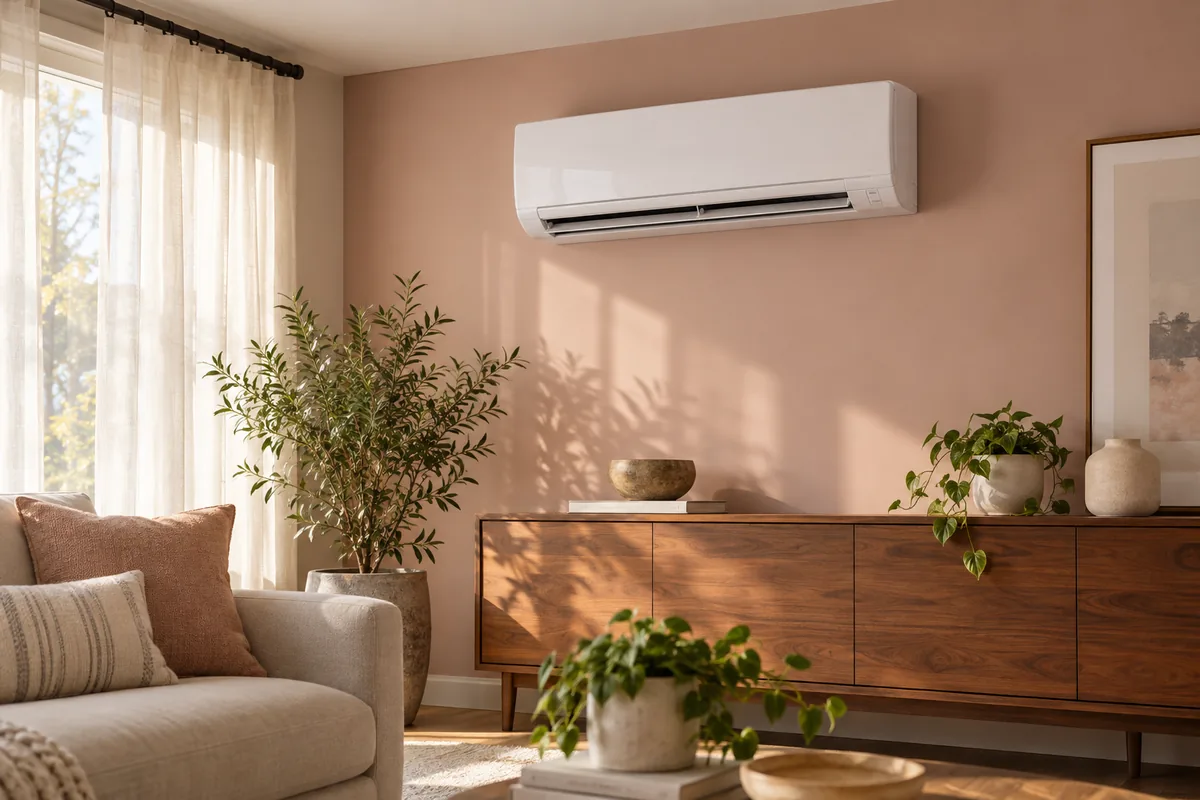
HVAC & Appliance Repair Guys provides AC repair in Scappoose, OR for missed starts, poor cooling, weak airflow and unexpected stops. We assess controls and equipment together before recommending work. A schedule or setting change can explain some behavior, but it should not obscure a separate cooling fault.
Keep the selected temperature separate from the displayed room temperature. A changed setting and a room that cannot reach an unchanged setting are different concerns for the assessment.
Tell us whether the issue occurs at roughly the same time or without a clear pattern. Include any recent thermostat replacement or change in how you use the controls. This context can help explain the request without assuming that a new control or a schedule is the entire cause.
Schedules and Holds Depend on the Control Model
On a programmable thermostat, a schedule can change the selected temperature during the day. A hold can pause those scheduled changes. Some holds end at a later program period; others remain until someone cancels them. The available options and labels depend on the model.
If you notice a hold or schedule indicator, mention it along with the cooling complaint. You do not need to erase the program or reset the control before the visit. Keeping the current information available helps explain whether the requested temperature changed before the rooms grew warmer.
Airflow and Equipment Response
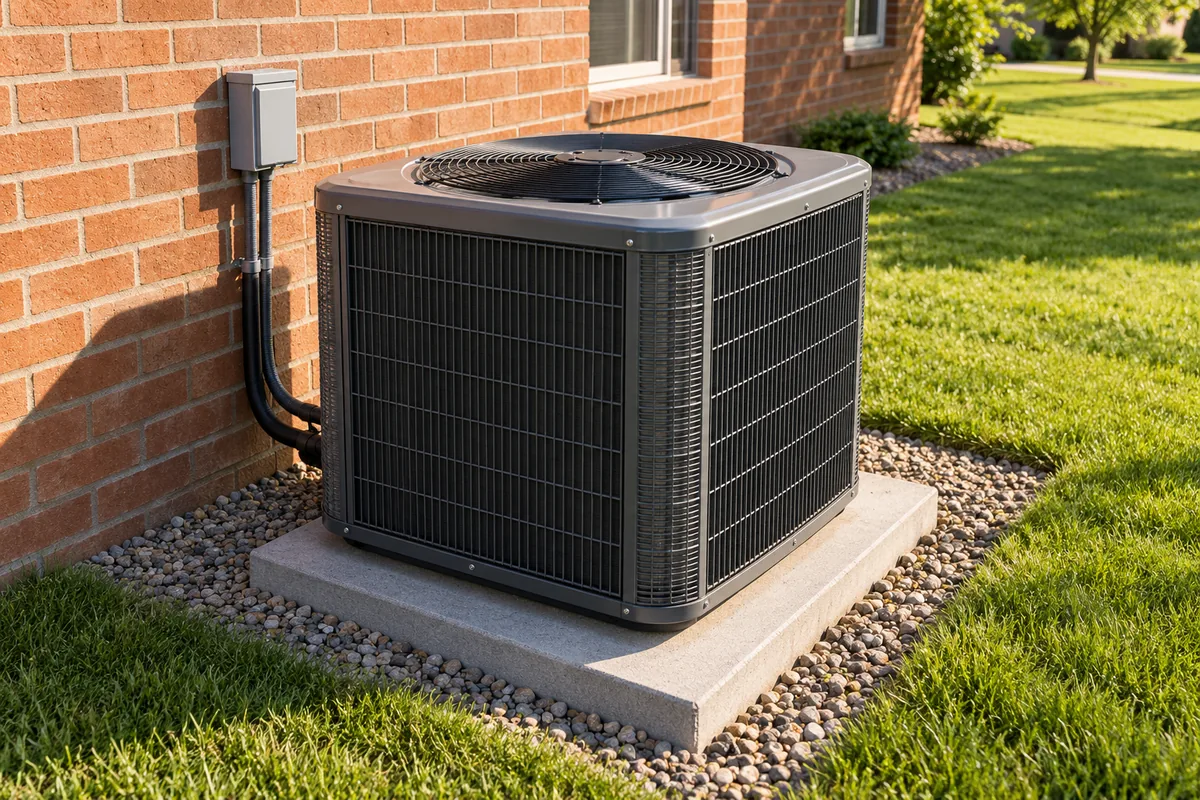
Note whether the indoor fan and outdoor unit respond during normal use. Air that moves normally but stays warm differs from weak flow across the rooms. A display can show a cooling request while the equipment cannot deliver it.
For a home with more than one thermostat, identify the control associated with the affected rooms. Tell us whether the other area still cools normally. There is no need to change every setting to compare them; a clear account of the usual behavior is a useful starting point.
If you also notice trouble in heating mode, include that history. Our HVAC repair service in Scappoose covers shared heating and cooling concerns. The AC discussion should still identify which findings explain the current loss of cooling.
Access, Diagnosis and Repair Cost
For the Scappoose visit, arrange access to the control, indoor cabinet and outdoor equipment. Explain any locked area or access restriction in advance. If you know the control model from a safely visible label or an existing record, have that information ready.
We discuss the findings and proposed work before repair approval. Ask whether the assessment supports a specific repair or calls for another check, and confirm what the price includes. If replacement is being considered, compare AC installation as a separate project; a part order or return visit alone does not establish that new equipment is needed.
Same-day service is subject to availability. An appointment does not guarantee that all work will finish on that date. Arrange for the repair approval contact to be available. Also include the person at the property who knows the control history.
Setting Corrections and Routine Care
If a setting correction is sufficient, ask what changed and how to use that function. Report any room-temperature problem that remains afterward.
Routine AC maintenance addresses planned care. An active failure to respond or cool still needs diagnosis.
Contact HVAC & Appliance Repair Guys to request AC repair in Scappoose and describe the selected temperature, room reading and equipment response.
Frequently Asked Questions
Does a hold indicator prove a thermostat fault?
Not by itself. A hold can be a normal setting on a control that supports it. Tell us what the selected temperature and room temperature show, and whether the equipment responds. The operating result matters alongside the indicator.
Should I reset all settings before the technician arrives?
Do not erase the control history just to prepare for the visit. Note the visible mode, setting and message instead. If you notice a burning smell, repeated breaker trips or visible ice, stop using the system and arrange an assessment rather than forcing a reset.
What if different people have changed the thermostat?
Gather a simple account of the settings people remember changing and the result they noticed. Identify who normally uses the control. The goal is to explain the current behavior. An earlier adjustment does not by itself establish the cause of a mechanical failure.
Can a new thermostat still be part of the problem?
Yes. The assessment must consider how the control works with the installed equipment. Tell us when it changed and whether cooling behaved differently afterward. Do not alter wiring or installer settings to test a theory before the visit.
Request AC Repair in Scappoose, OR
For AC repair in Scappoose, OR, call HVAC & Appliance Repair Guys or submit a service request through the form on this page.