


HVAC Repair in Scappoose
HVAC & Appliance Repair Guys provides HVAC repair in Scappoose, OR. A pause in operation, a change in airflow or ice on equipment can raise questions about the system. Explain what you noticed and whether the rooms still receive heat or cooling. We check the equipment context before recommending work.
The timing matters as much as the appearance of a symptom. Note the operating mode, whether the change repeats and how the system behaves afterward. You do not need to decide whether the event was a normal cycle or a fault. A useful description gives the technician facts to assess at the visit.
For HVAC repair in Scappoose, identify the affected equipment and rooms. Mention any separate system that still works normally.
Heat Pump Defrost, Ice and Fan Pauses
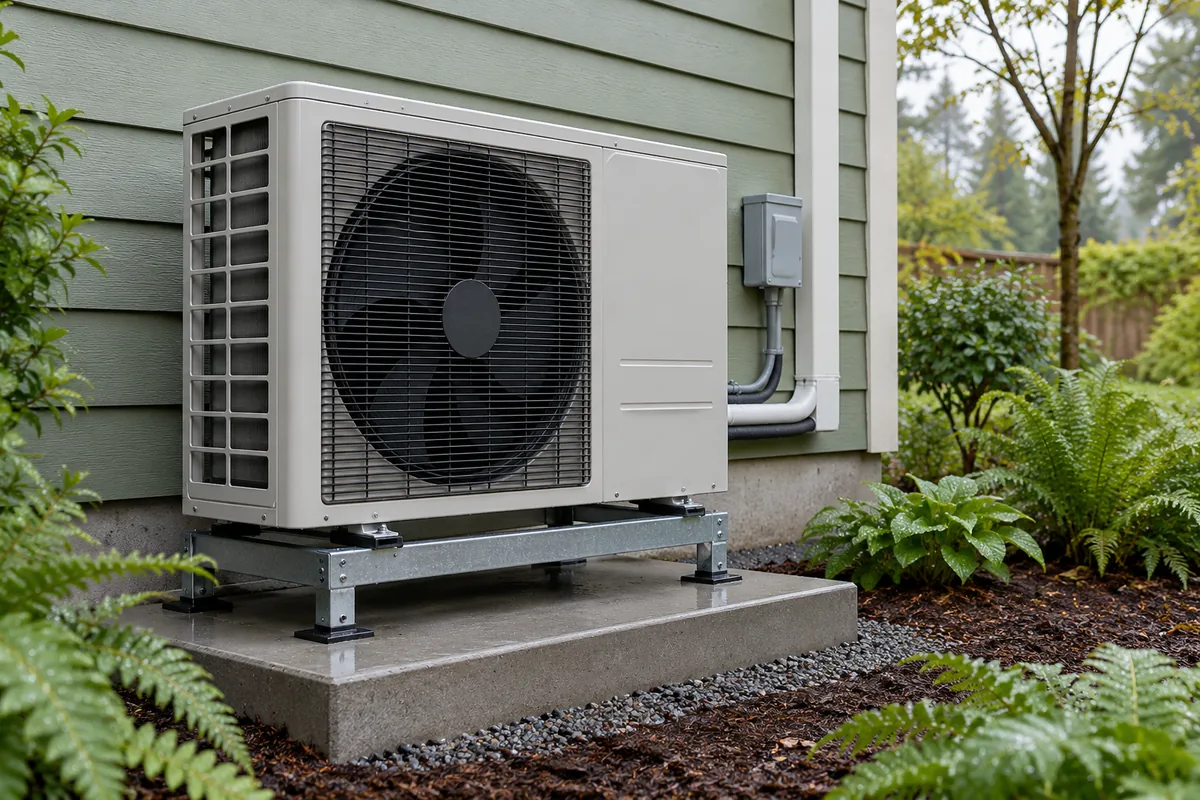
Some heat pumps change their operation during a defrost cycle. That can differ from persistent ice or a continuing loss of heat. Our heat pump repair service addresses equipment faults. The model and operating conditions matter, so a single outdoor observation does not settle whether the behavior is normal.
If you notice ice, describe where it appears and whether it remains or clears during operation. Note any change in indoor comfort at the same time. Do not scrape the equipment or open covers to examine it. The visible condition is useful information, while the cause still needs a system check.
An indoor fan may also change its response during heating startup or other control cycles on some systems. Report the pause along with the mode and room effect. Avoid treating a fixed number of minutes as a rule for every model. We need to understand the installed equipment and the complaint together.
If heating works but cooling does not, include that distinction when arranging service. Heat pumps serve both functions, but performance in one mode does not prove the cause of trouble in the other. Keep any display message with the mode in which it appeared. That record helps the technician choose the relevant checks.
AC, Furnace and Ductless Faults
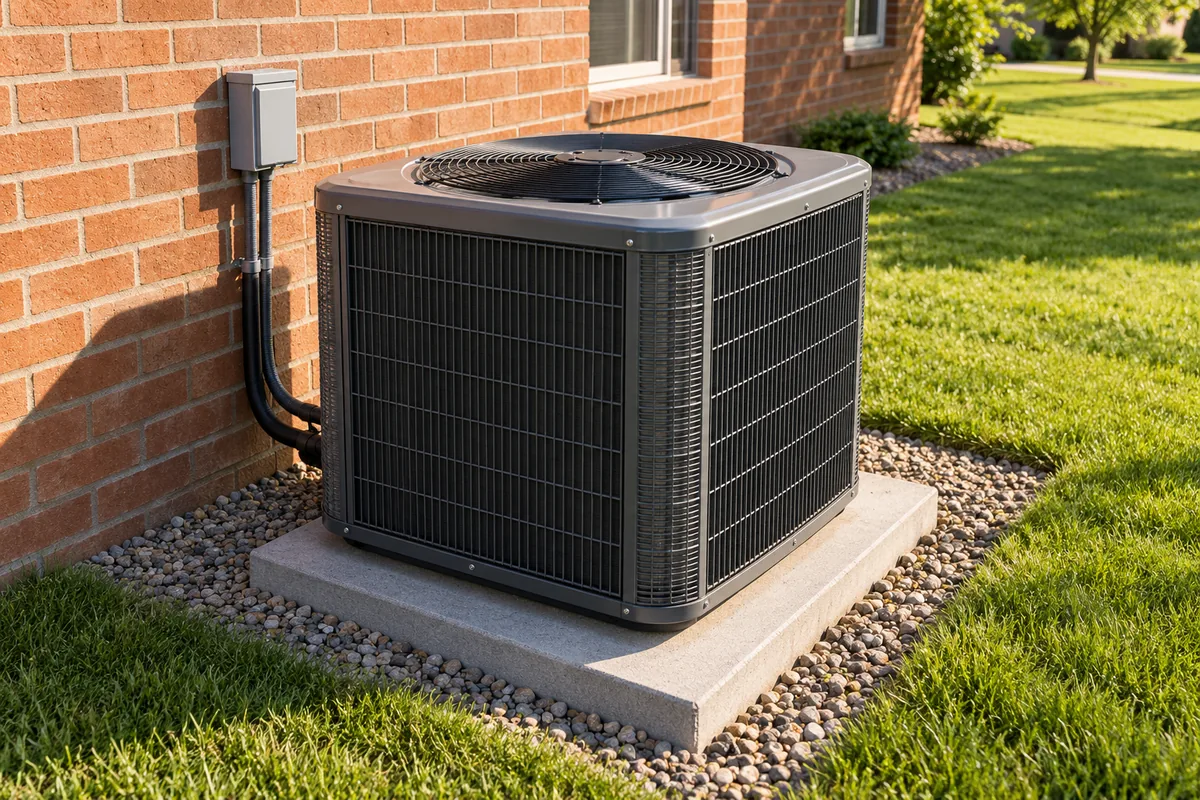
For an air conditioner, explain whether it stays off, runs without cooling or stops before the rooms feel comfortable. Our air conditioning repair service covers those concerns. Mention whether air still moves from the vents. A fan that runs does not confirm that the system is producing useful cooling.
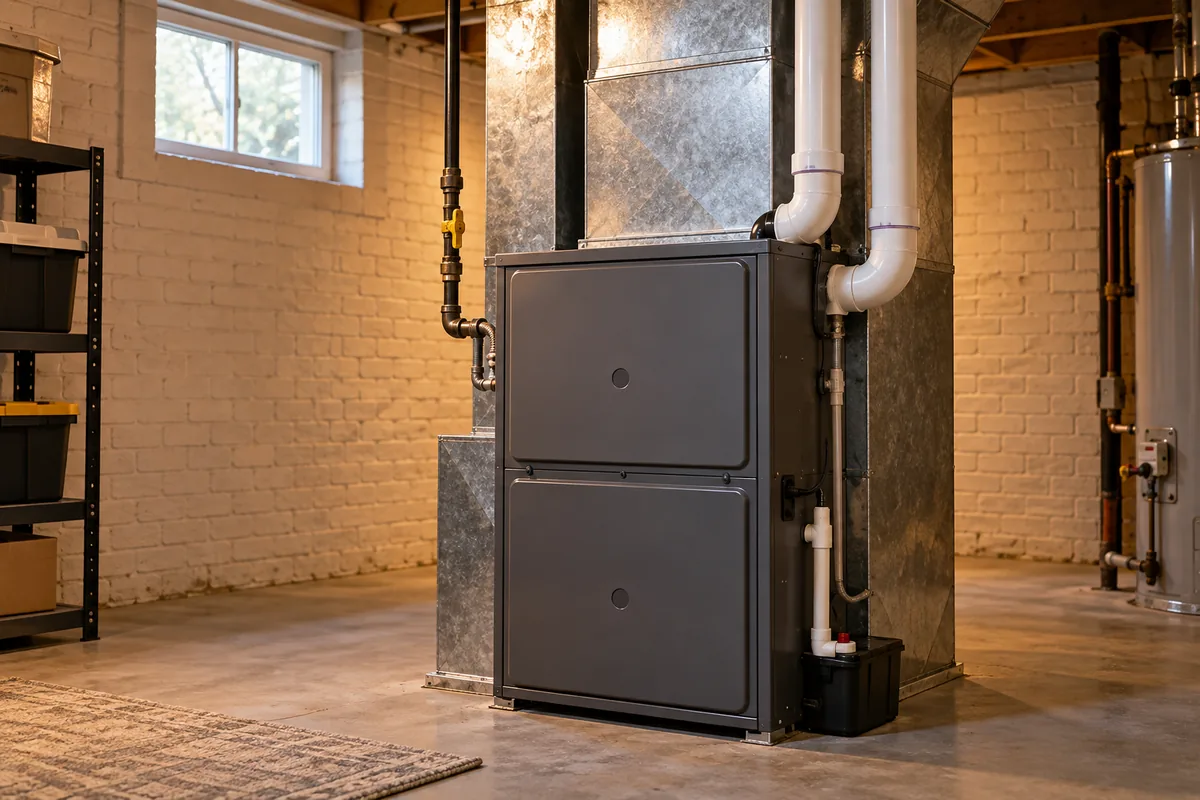
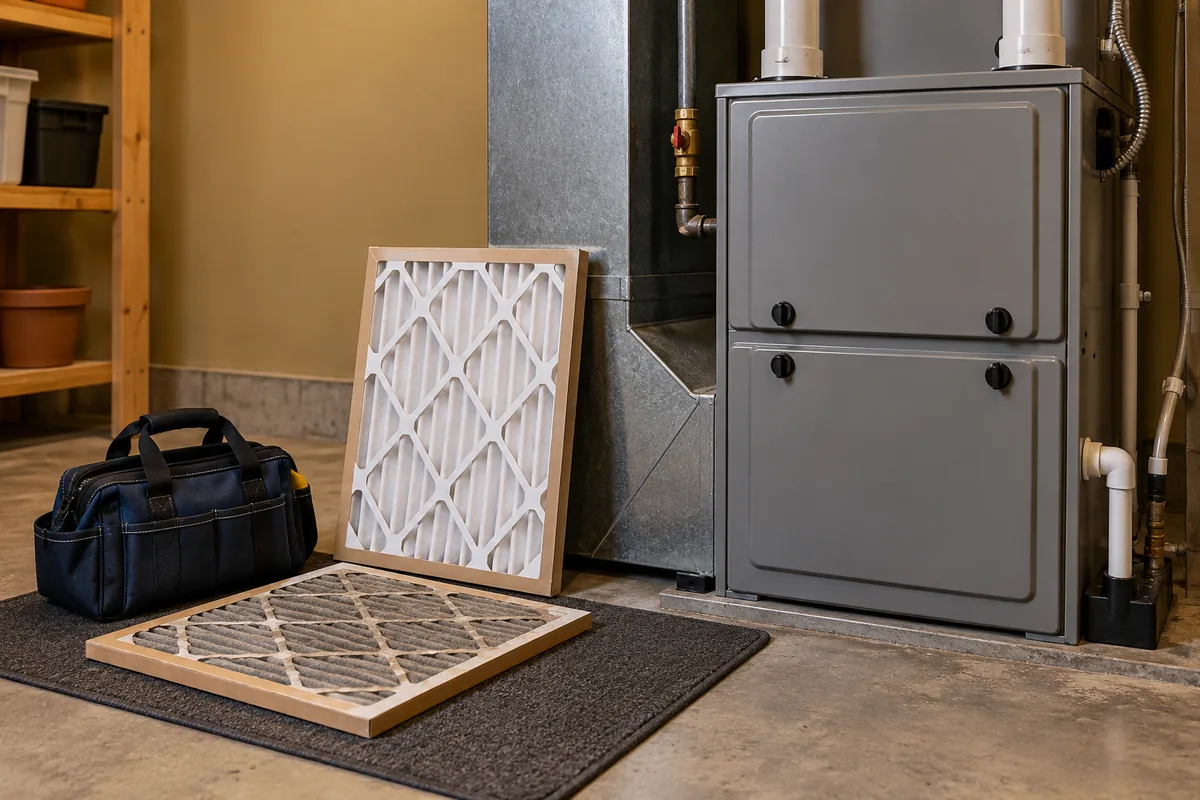
For a furnace, describe the sequence from the thermostat request to the equipment response. Note whether it starts and stops or stays running without warming the space. Do not assume that a sound alone identifies the failed part. The checks need to connect the observed behavior with the heating fault.
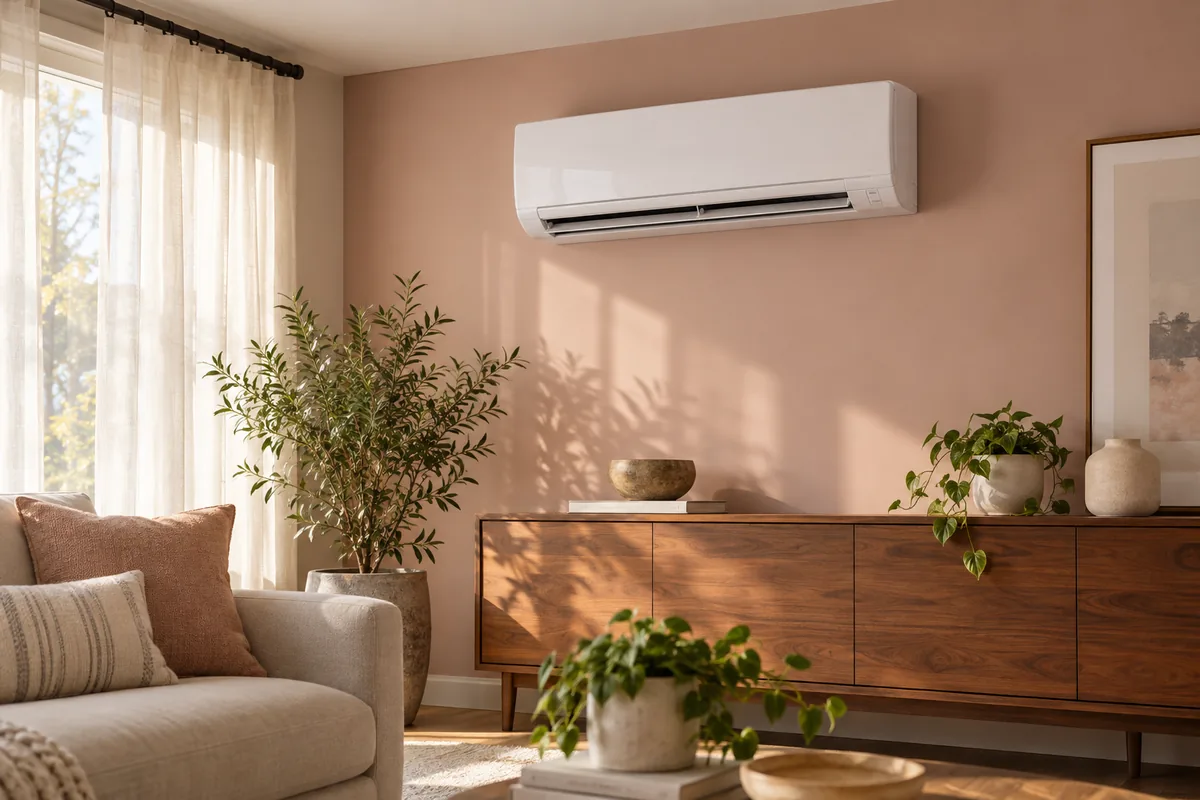
For ductless room units, identify the units with trouble and any units that still respond. Mention the controls and visible messages for each one. Heating and cooling systems can have different arrangements even at the same property. We can clarify those connections rather than ask you to trace them in advance.
If you cannot safely reach a label or control, explain its location when arranging the visit. Photos from a safe position can help identify the equipment. There is no need to enter a difficult space or remove a panel for that purpose. Access details belong in the appointment plan before arrival.
Repair Price, Operating Checks and Replacement Choices
Before approving work, review the finding, proposed repair and price. Ask how the work addresses the behavior you reported. If a separate concern remains, clarify whether the same scope covers it. Ask what the checks confirm and what still needs attention.
Same-day appointments may be available. Parts or further checks may require another visit; we explain the purpose of that next step.
If replacement becomes a practical option, our HVAC installation in Scappoose page covers that separate project. Compare a defined installation proposal with the confirmed repair. The work involved and the condition of the connected equipment both matter. A repair diagnosis alone does not define a complete replacement plan.
After the work, discuss the operating checks and any remaining limits on the findings. Keep the work details and any follow-up notes. If the symptom returns, record the mode, timing and room effect again.
Contact HVAC & Appliance Repair Guys to request HVAC repair in Scappoose and describe the operating mode, pause or visible change and its effect on comfort.
Frequently Asked Questions
Does frost always mean a heat pump needs repair?
Not always, but a visible condition alone cannot confirm normal operation either. Describe where the frost or ice appears, whether it clears and how the rooms feel. The equipment model and checks determine what the observation means.
What if the airflow pauses and later returns?
Note the operating mode, timing and effect on room comfort. Some equipment changes fan response during its control cycles, but an unexplained pause still needs context. We assess the installed system before treating the event as normal or a fault.
Should I change settings repeatedly to show the problem?
No. Describe the behavior you already observed and retain any visible message. You do not need to recreate a fault or use internal settings for the visit. The technician can assess the system with the reported history in view.
Request HVAC Repair in Scappoose, OR
For hvac repair in Scappoose, OR, call HVAC & Appliance Repair Guys or submit a service request through the form on this page.