



Commercial Plumbing for Fixtures, Pipes and Drains
HVAC & Appliance Repair Guys provides commercial plumbing in Tualatin for leaks, fixture faults, restricted drains and hot-water problems. We assess whether the concern comes from a fixture, a shared pipe route or connected equipment before recommending work. Describe the affected action—water arriving, draining or escaping—as well as the location.
When staff and management share a request, pass on the original symptom and timing. A report that a fixture will not fill describes a different problem from one that will not drain.
Weak Tap Flow, Slow Drains and Leaks Below the Counter
Weak water flow from the tap and slow drainage from the basin follow different paths. Either may be described as a slow sink, so say which action is affected or whether both occur.
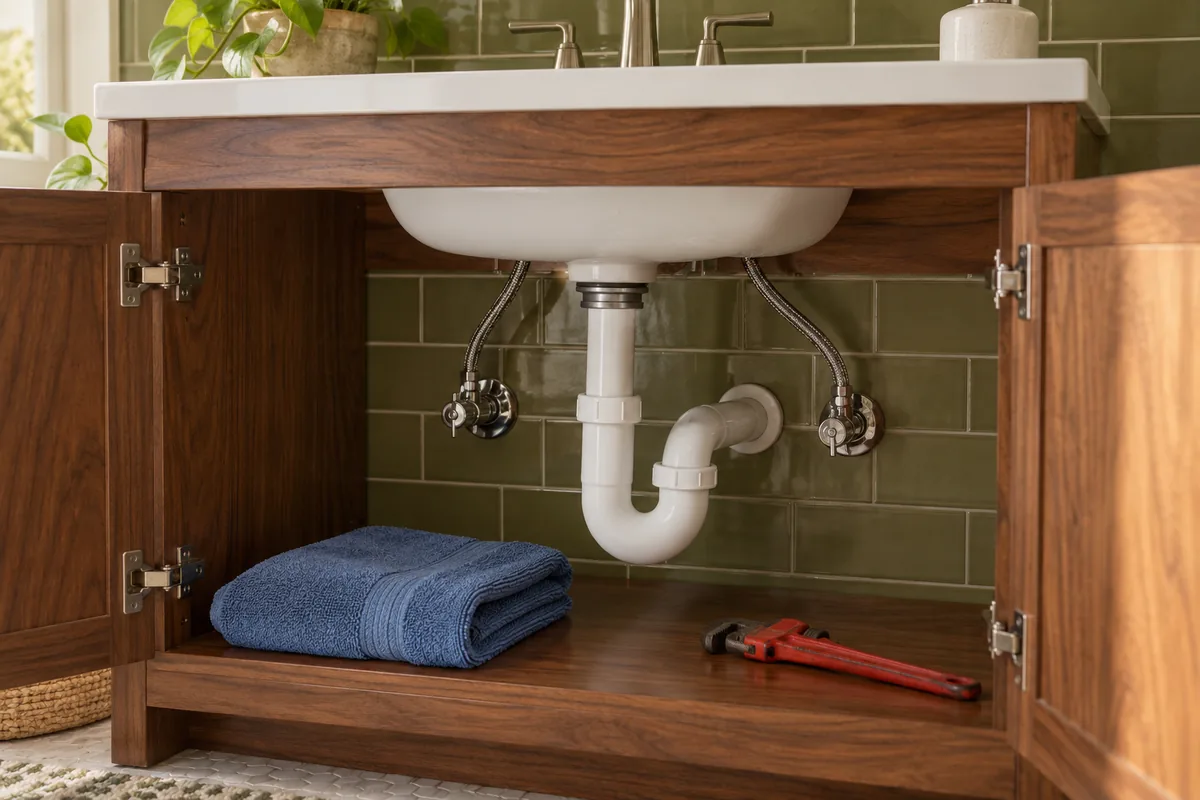
Include any water appearing below the counter as a separate observation. A leak can coexist with poor flow without sharing the same cause. Note where the moisture appears and when someone first noticed it. Staff do not need to open fittings or test the fixture before requesting service.
Fixture Locations and Shared Symptoms
Use a consistent room name and fixture position so everyone discusses the same location.
Timing can help connect or separate reports from different people. Several outlets changing together may raise a shared supply question. A single drip at one fixture can require a different assessment.
Hot-Water Problems and Specialized Equipment
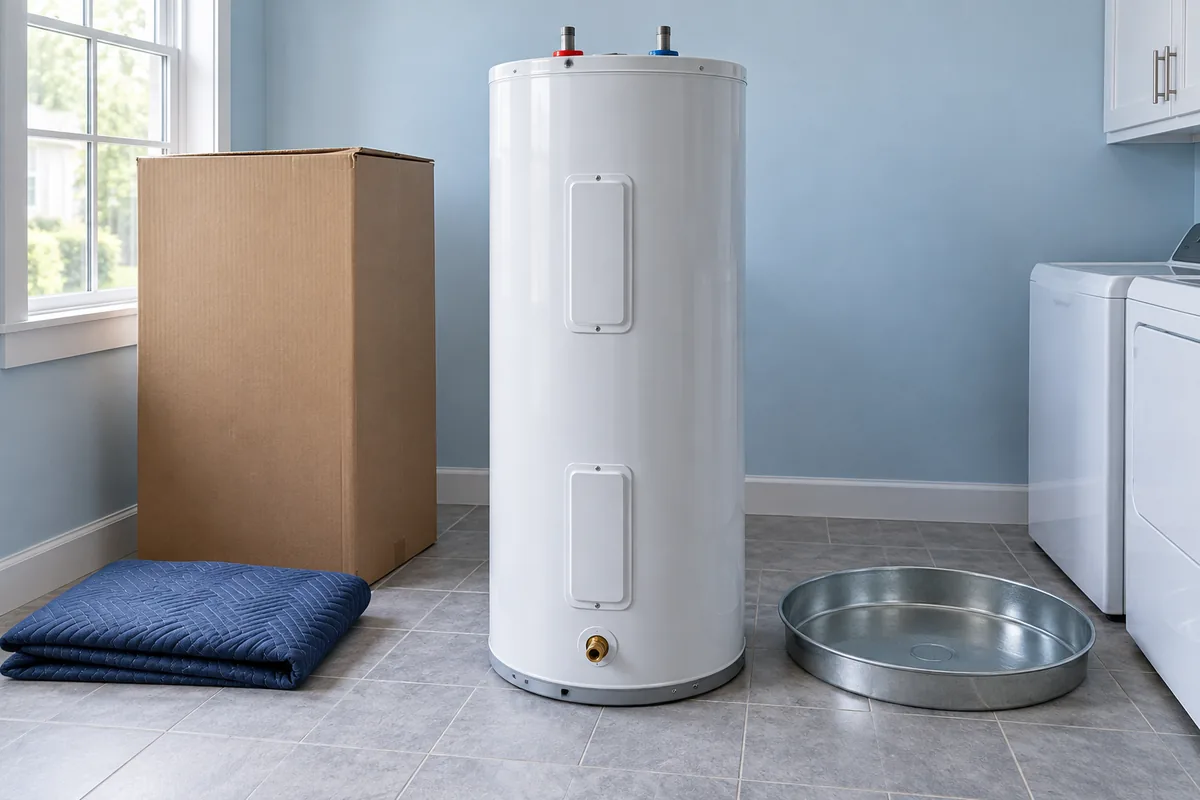
For a water heater concern, include the unit details and the outlets that lose hot water. A problem across all served outlets differs from one tap staying cool while others work. If the observer noticed a change during heavy use, keep that condition in the report. It provides useful context without proving that the heater has failed.
Name specialized equipment and the task requested so we can confirm coverage. An internal equipment fault and a problem in its connected plumbing can need different work.
Earlier Repairs and Later Plumbing Changes
Share relevant earlier records with their date, covered section and result. Mention later equipment or layout changes that may make the old description incomplete.
Distinguish recommendations from completed work. If a proposed replacement may not have gone ahead, leave that uncertainty clear.
Drain Clearing or Damaged-Pipe Repair
Drain cleaning in Tualatin addresses a restriction. Pipe repair in Tualatin corrects an identified damaged section. A staff report can start the assessment without determining the repair by itself.
If the finding differs from the initial report, we explain the affected component or section and the repair it needs before you decide.
Access and Changes to the Repair
Identify who provides entry and who approves repairs if those roles differ. Give attending staff the agreed task and a way to reach the decision-maker.
A revised plan should explain the effect on occupied areas, fixture use, surrounding surfaces and price before the work expands.
Completed Repairs and Any Remaining Problems
Keep the task, location and relevant checks with the completion record. Note any reported symptom or separate issue that still needs attention.
Request commercial plumbing service in Tualatin from HVAC & Appliance Repair Guys and describe what happens during normal fixture use.
Frequently Asked Questions
What should a report of a slow sink clarify?
Say whether water arrives weakly at the tap, leaves the basin slowly or both. Supply and drainage are different concerns and may need separate work.
Request Commercial Plumbing in Tualatin, OR
For commercial plumbing in Tualatin, OR, call HVAC & Appliance Repair Guys or submit a service request through the form on this page.