


Turbo Air Commercial Refrigeration Repair
HVAC & Appliance Repair Guys provides Turbo Air commercial refrigeration repair in Portland Metro for failed starts, poor cooling, warnings, water and door problems. We check model support, assess the fault and explain the work and price before approval.
Turbo Air makes refrigerator and freezer models. Send the complete model and serial number when safely visible, along with the cabinet’s intended use and current symptoms.
Cooling Faults, Readings and Warnings
State whether the unit fails to start, runs but cools poorly or changes behavior during the day. Include the setting, any display message and the timing. If your site keeps another reading, identify where it came from. Each observation needs a clear source rather than one broad number for the whole cabinet.
Identify each affected compartment and any separate change at the doors or controls so the technician can assess how the symptoms relate.
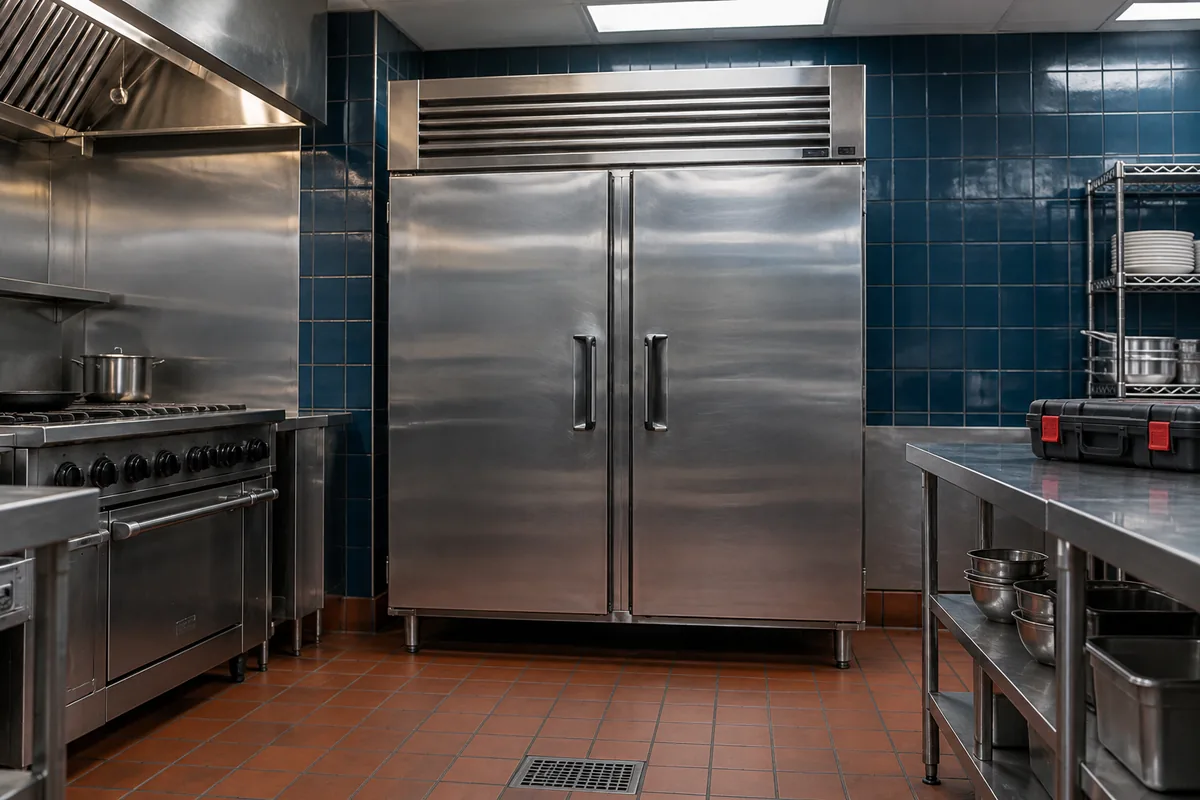
Our Turbo Air commercial freezer repair service covers supported frozen-storage units. Include the exact model and intended use; similar-looking refrigerators and freezers can have different operating requirements.
Earlier Maintenance and Repair Results
Share the dates and tasks from earlier care or repair, tied to the correct cabinet. Describe whether operation improved, for how long, or which complaint remained unchanged. If the record only says “service,” identify that limitation rather than assuming every component was checked.
Routine Maintenance and Fault Repair
Routine maintenance and fault diagnosis serve different purposes. A unit may need both maintenance and a component repair. Describe the current symptom so the assessment can establish which work is appropriate.
Describe visible debris through safe access. Do not remove covers, disturb moving parts or apply products to test whether the fault clears.
Ask which symptom each proposed maintenance or repair task addresses. Keep the tasks distinct in the scope so you can assess what the work is expected to resolve.
Water, Sound and Door Problems
For water, record the location and whether the unit was running. Mention nearby sources without assuming the refrigeration equipment caused every wet area.
For a new sound, describe when it occurs and identify the machine if possible. For a door or drawer, describe changed movement, damage or obstruction without forcing an adjustment. The technician tests the relevant areas before recommending work.
Equipment Access and Surrounding Work
Describe fixed surfaces, nearby equipment and narrow approaches that limit access.
Do not move a heavy connected unit or remove fixed panels just to expose a label. Describe the limit and share a safe view if useful. The technician can discuss suitable access. Any task outside the cabinet needs a clear scope before it becomes part of the repair work.
Provide the entry contact and repair approver, including how to reach each during the visit.
Repair Findings and Parts Compatibility
Ask how the assessed finding supports the recommended repair and which symptoms the work addresses.
If you already have a part, share its details before the visit. We need to review model compatibility, the reason for replacement and whether installing a customer-supplied part is within the agreed service scope.
Parts support, cabinet condition and the actual fault affect the repair options and timing.
Additional Repairs and Return Visits
Review additional findings and any change in the proposed work before approval. If one task will wait, retain the unresolved concern and any use restriction in the record.
Ask about parts or another visit when planning the work window. A booking does not guarantee that all repairs finish within one shift.
Completed Repairs and Pending Work
Keep the final work record with the model and serial number, including approved scope changes, access limits and any agreed next step.
Our commercial refrigeration repair service covers the broader equipment category. Follow your site’s established procedures for stored products; completing an equipment repair does not determine whether items held during a fault are suitable for use.
Request Turbo Air commercial refrigeration repair from HVAC & Appliance Repair Guys and share the model, current fault and any earlier service or parts information.
Request Turbo Air Commercial Refrigeration Repair in Portland Metro
For Turbo Air commercial refrigeration repair in Portland Metro, call HVAC & Appliance Repair Guys or submit a service request through the form on this page.
Before your visit
Commercial Refrigeration Repair details for Turbo Air
Include the service address, equipment details, and the order in which symptoms appeared. The technician checks the cause on site. The $99 service call covers diagnosis and is applied toward the total when the repair is approved. The finding and price are reviewed first.
Record the model and serial number
For Turbo Air commercial refrigeration repair, share the complete model and serial number exactly as shown on the rating label when it is safely visible. A product family or marketing name alone may not identify the configuration, revision, compatible part, or service information needed for planning.
Identify the exact product configuration
For Turbo Air commercial refrigeration repair, describe how the equipment is installed and powered. Include the exact model number when it is safely visible; models from the same brand can use different configurations.
List earlier repairs and parts
Share prior Turbo Air service dates, replaced components, recurring failures, and any part already supplied or ordered. A previous repair can be useful history, but the current condition still needs to be tested before the same cause or part is assumed.
Compare the next step after testing
After diagnosis, review the recommended repair, price, access needs, and the equipment’s condition and repair history before deciding.