



Faucet Repair for Controls, Drips and Leaks
HVAC & Appliance Repair Guys provides faucet repair in Clackamas for stiff or loose handles, unreliable shutoff, dripping spouts and exterior leaks. The installed design and changed function guide the repair. Describe whether handle movement feels different and whether it still controls the water normally.
Say if the change followed earlier work or developed during normal use. Avoid repeated force or taking parts off to demonstrate it. Model details and an earlier repair record can help if you already have them.
Handle Movement and Internal Water Controls
The handle connects your movement to the working mechanism inside the faucet. Loose movement can raise a question about that connection. Resistance can point to a different condition that needs review. Neither observation alone establishes the exact part to replace.
The installed design determines which handle and control parts fit. The proposal should identify the suitable component repair and explain when whole-faucet replacement is an option.
Handle Leaks, Spout Drips and Cabinet Moisture
Water around the handle may travel down the faucet body before you notice it. A spout drip after shutoff describes a different water path. If both occur, explain their timing separately. The assessment should identify whether one or several tasks address them.
Leak detection in Clackamas can help locate an unclear source. A loose handle does not explain a wet cabinet by itself; that moisture needs its own assessment.
Parts, Access and Repair Checks
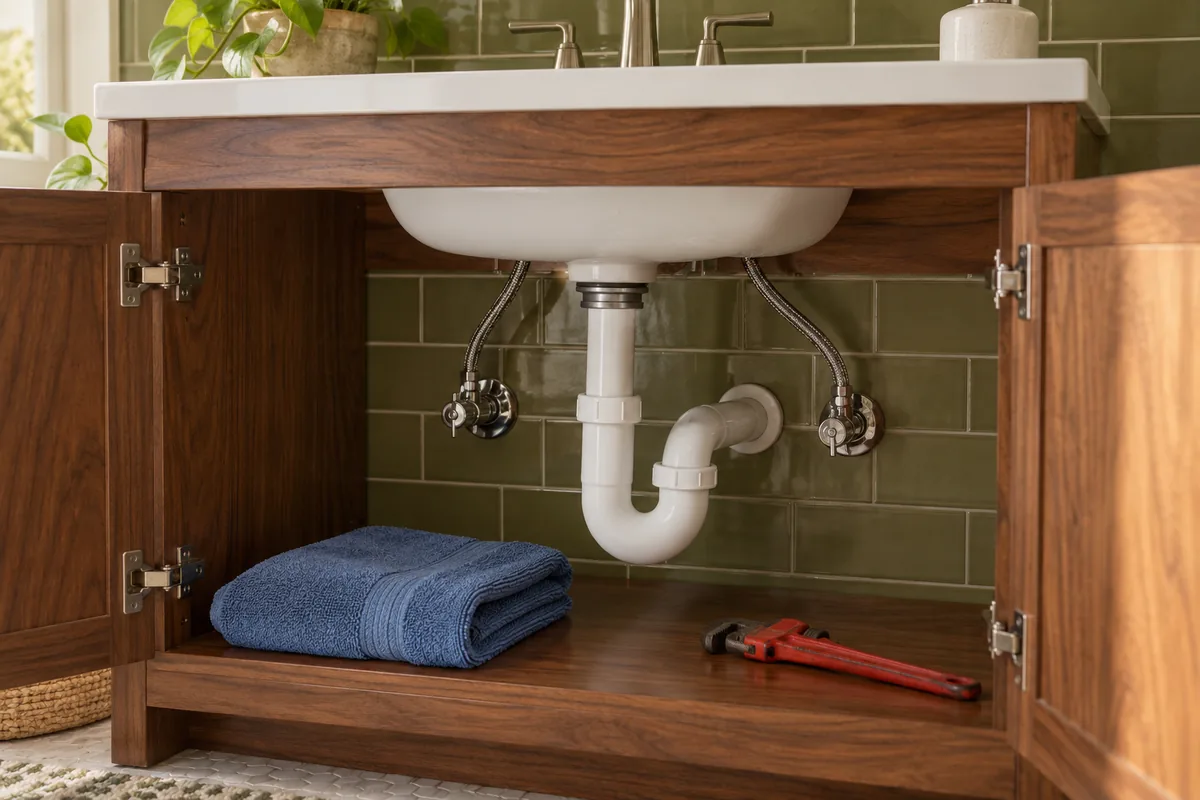
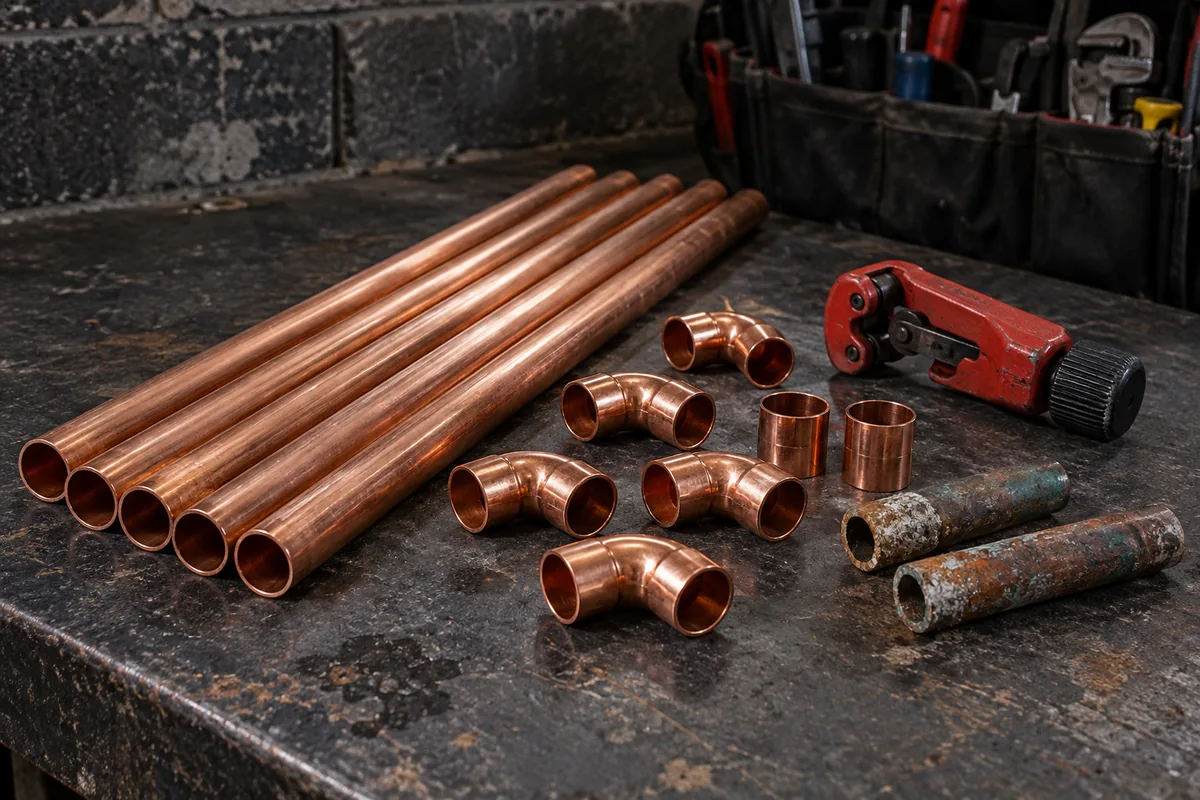
Pipe repair in Clackamas concerns damaged connected piping or joints. That plumbing work has a different scope from a handle-component repair. The agreement should identify the parts and labor it covers. Any needed access or connection changes should be clear before work begins.
After repair, the relevant review should cover handle movement and the function it controls. A smoother handle does not by itself prove reliable shutoff. An included outside leak needs a check at its source as well. The result should address each reported concern within the agreed task. Contact HVAC & Appliance Repair Guys to request faucet repair in Clackamas.
Frequently Asked Questions
Does a handle problem always require a new faucet?
No. Compare the suitable component repair with replacement only when the findings make it a practical option.
Should I mention that only one handle feels different?
Yes. For a two-handle fixture, identify the affected side and explain how its movement or shutoff differs. That helps keep the control concern specific.
Request Faucet Repair in Clackamas, OR
For faucet repair in Clackamas, OR, call HVAC & Appliance Repair Guys or submit a service request through the form on this page.