



Furnace Maintenance in Aloha
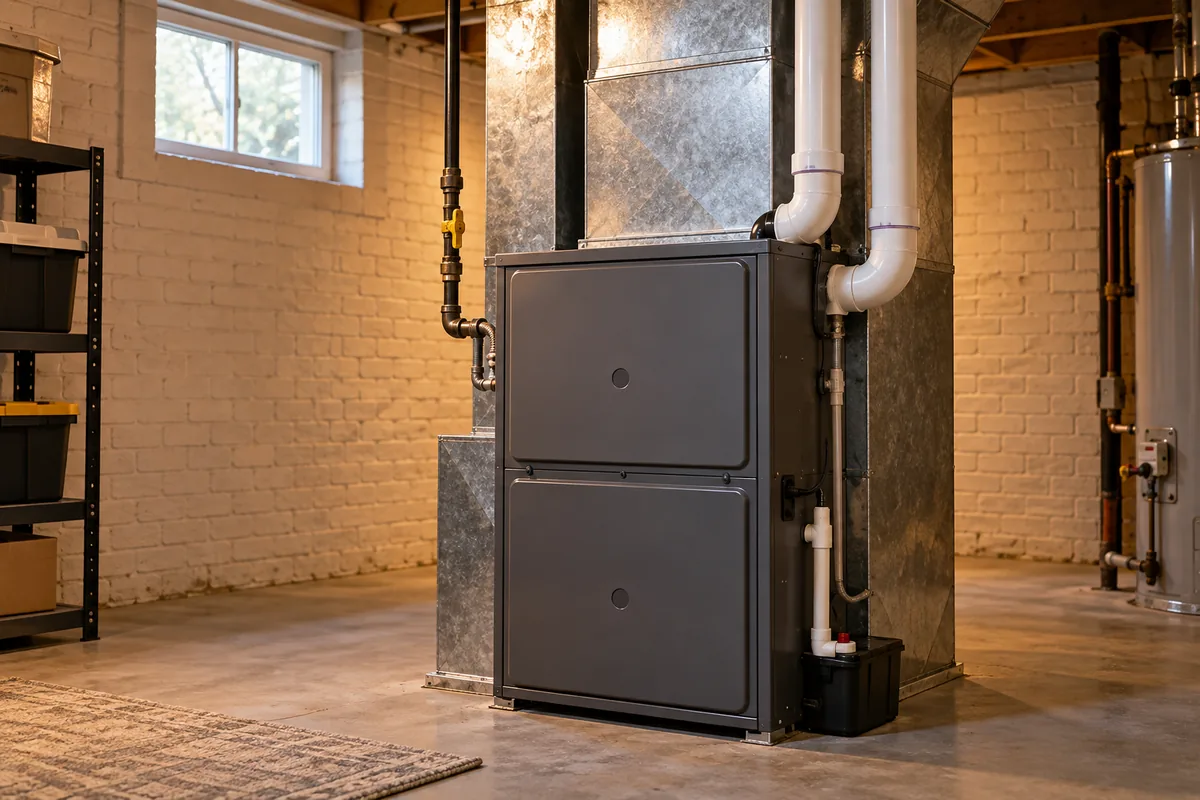
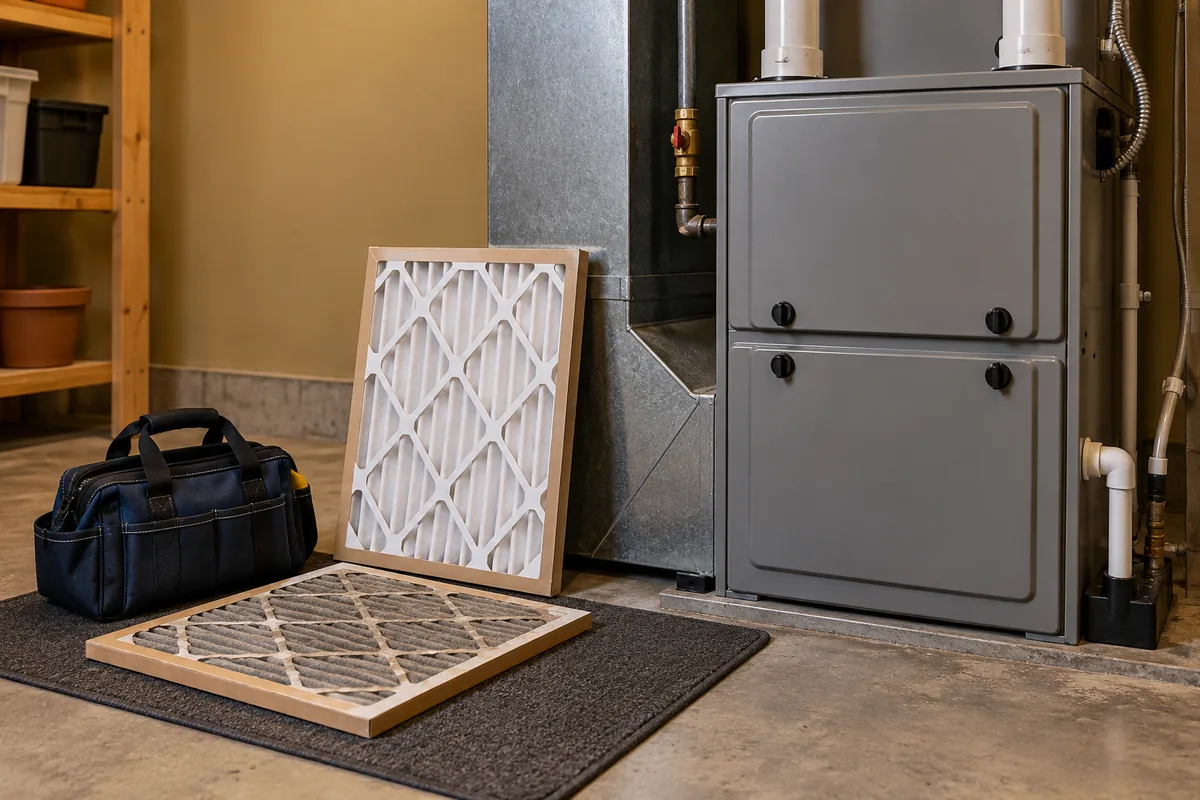
HVAC & Appliance Repair Guys provides furnace maintenance in Aloha, OR. Planned care considers the filter, blower, controls and heating operation, with combustion and venting checks relevant to the installed equipment. The model and findings determine the tasks. Before seasonal use resumes, report any unresolved shutdown, sound or comfort concern from the last heating period.
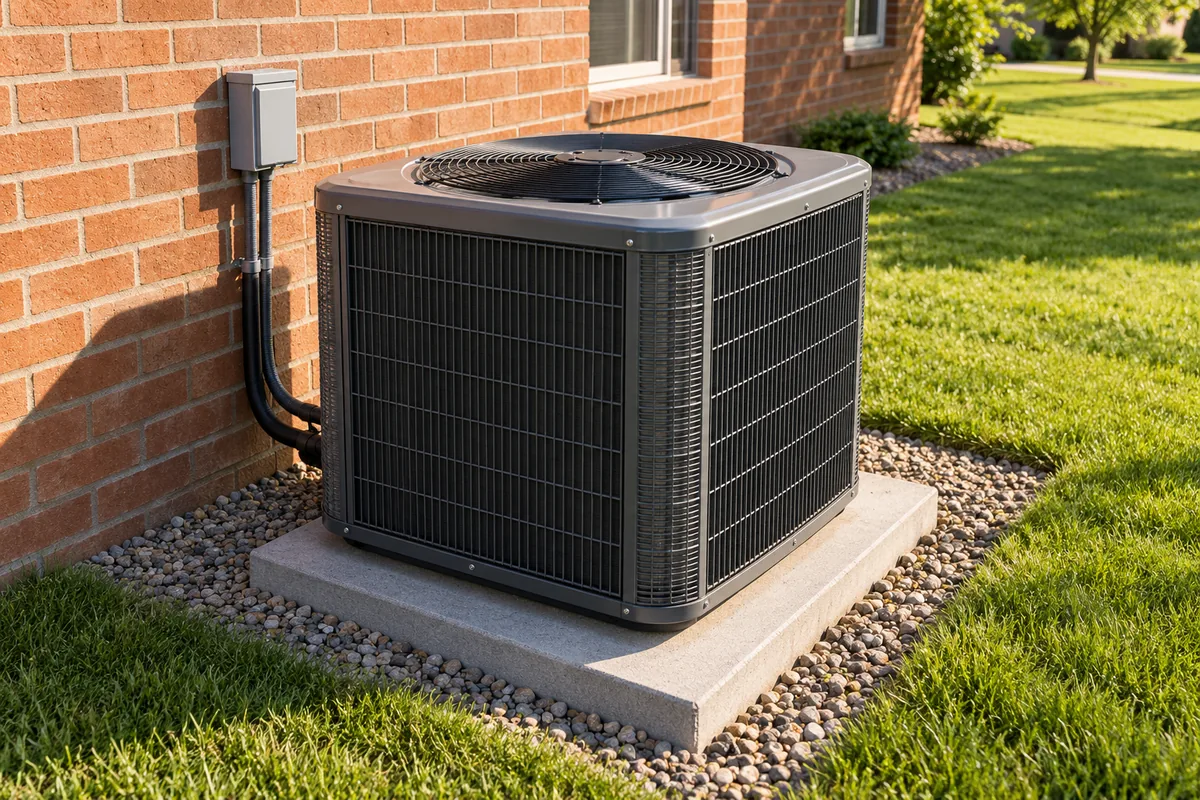
Our HVAC maintenance service in Aloha covers a wider heating and cooling request. Mention any air conditioning equipment or other heat source that also needs care. State which equipment the visit should cover.
Previous Heating Results and Service History
Describe the rooms that warmed as expected and any area that remained uncomfortable. Include a repeated stop, changed sound or display message from earlier normal use. Keep the observation tied to the time it occurred. You do not need to start the furnace again just to produce a better account for the visit.
Share the last user’s account if you did not observe heating yourself. An approximate date is useful; unknown details can remain open.
Share any service completed since that last heating period. An air conditioning visit may have addressed different equipment or tasks. Read the work record for what it actually includes. Do not assume that a cooling service date also records a complete review of the furnace.
Model-Specific Maintenance Tasks
Ask which maintenance tasks the proposed visit includes for your furnace. The scope depends on the model and setup, including whether combustion and venting checks apply.
Keep a recent filter change clear as one known task. Note the date and filter details already available without removing covers or reaching inside equipment. That information can guide the care discussion. It does not establish the condition of every other component in the heating system.
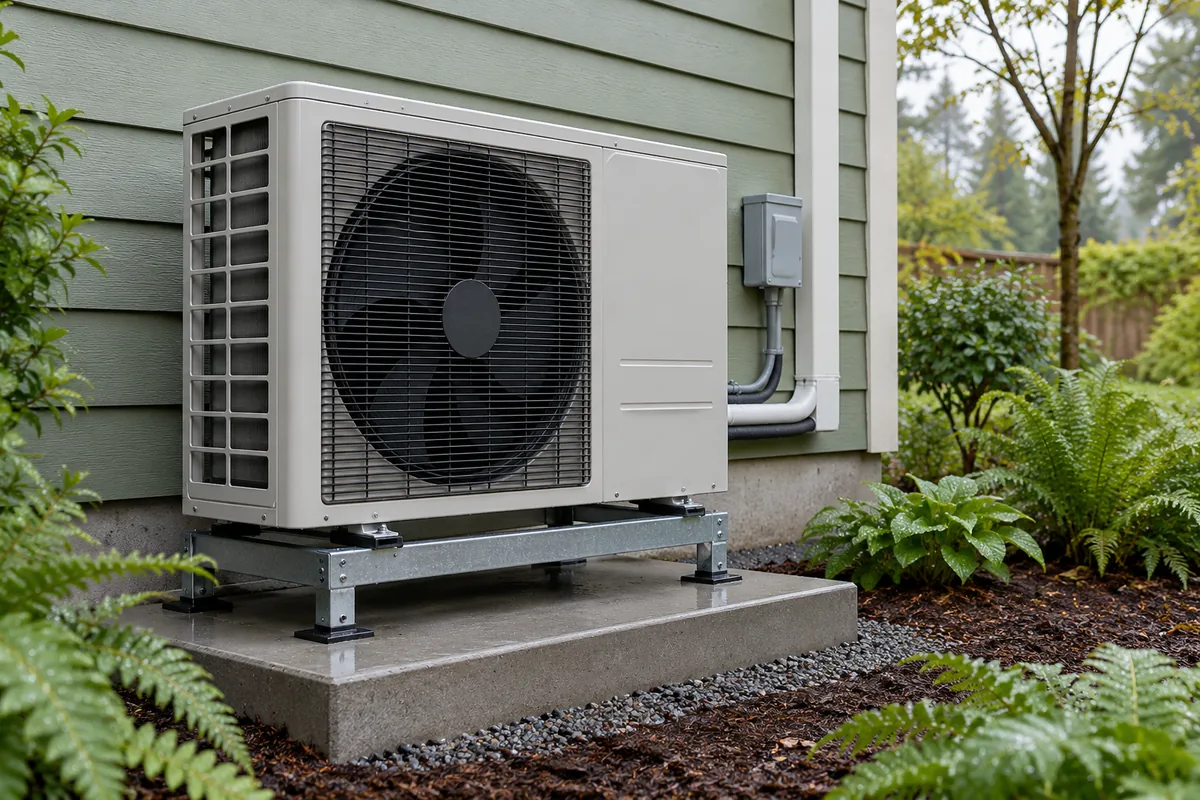
If the furnace works alongside a heat pump or another unit, tell us which equipment is connected, which control you use and which areas it serves, as far as you know. Confirm which units the appointment will cover.
Active Heating Faults and Repair Diagnosis
Our furnace repair service in Aloha addresses an active fault. Report a unit that will not heat or that repeatedly stops when arranging help. Routine care and diagnosis of that problem have different purposes. Mention both needs when they apply.
Review the maintenance tasks and price before work proceeds. If the visit reveals another concern, ask what finding supports the proposed next step. Keep a cleaning task distinct from a repair recommendation. A finding during care does not automatically approve a part change or another service.
If a safety concern has left the unit out of use, explain that state before the appointment. Do not restart suspect equipment for a demonstration. Leave panels, wiring and safety controls untouched. The team needs an honest account of the present condition, including anything that prevented normal use.
Completed Care and Pending Work
At the end of service, review the completed tasks and the heating checks the visit included. Ask which concern remains open and what the next step would address. Keep the date and furnace identity with those findings. The visit does not guarantee against later faults.
Discuss the next care timing for the actual equipment and its use. Mention any expected change in how often the home needs heat. Keep that plan separate from work still pending after this visit. A future appointment should not replace a needed decision about an unresolved present finding. Contact HVAC & Appliance Repair Guys to request furnace maintenance in Aloha.
Frequently Asked Questions
Can I arrange care even though I have not used the heat recently?
Yes. Share the last known heating result and any service record you have. Mark the current operating state as unknown if you have not observed it. You do not need to run another test to make the request useful.
Does one tune-up cover every heating unit at the property?
The agreed scope should identify each unit included. Mention a second furnace or another heat source before the visit. Review its place in the work and price. Do not assume one service label covers all equipment.
Will planned care guarantee a lower heating bill?
Maintenance does not guarantee a fixed reduction in heating bills. Review the actual tasks and findings, and raise energy use as a separate concern. Any expected improvement depends on the work and conditions at your home.
What if heating fails before the planned maintenance appointment?
Tell us about the new fault and the present state of the unit. The request may now need repair diagnosis as well as care. Review that change in scope when arranging help. Do not leave the appointment described only as routine maintenance.
Request Furnace Maintenance in Aloha, OR
For furnace maintenance in Aloha, OR, call HVAC & Appliance Repair Guys or submit a service request through the form on this page.