

Furnace Repair in Aloha, OR
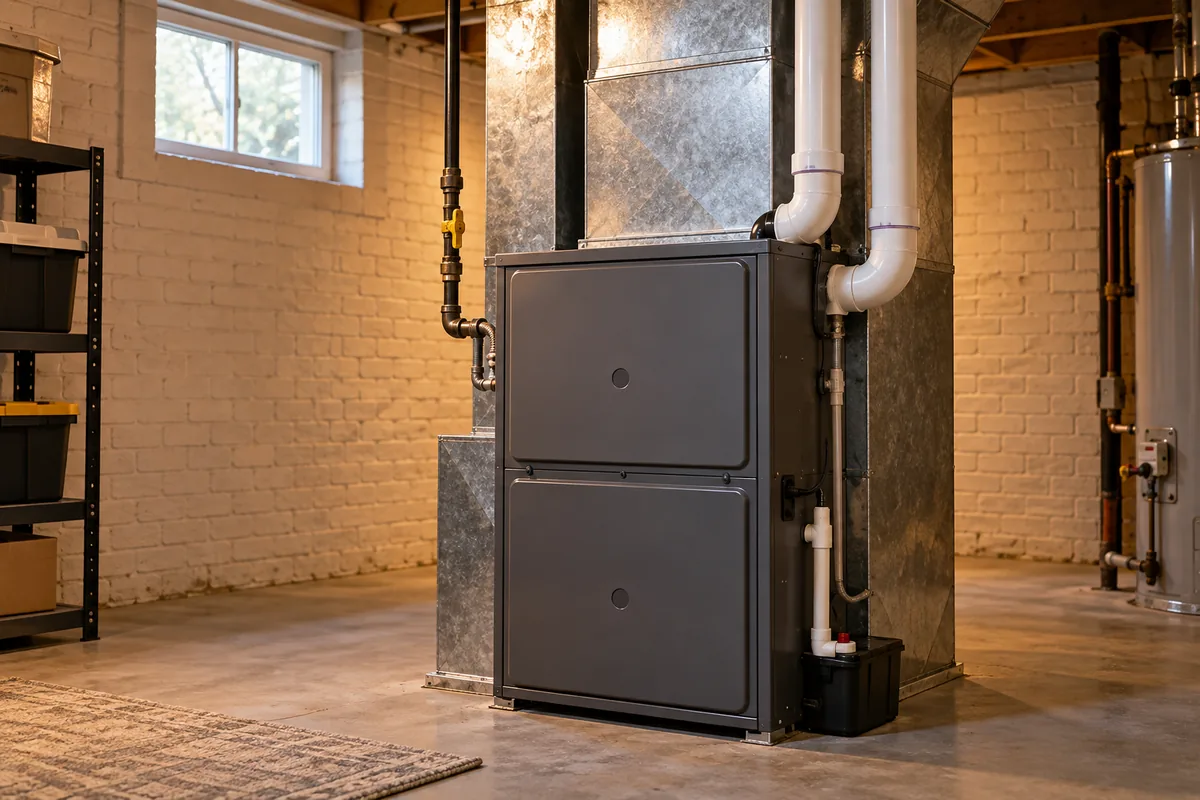
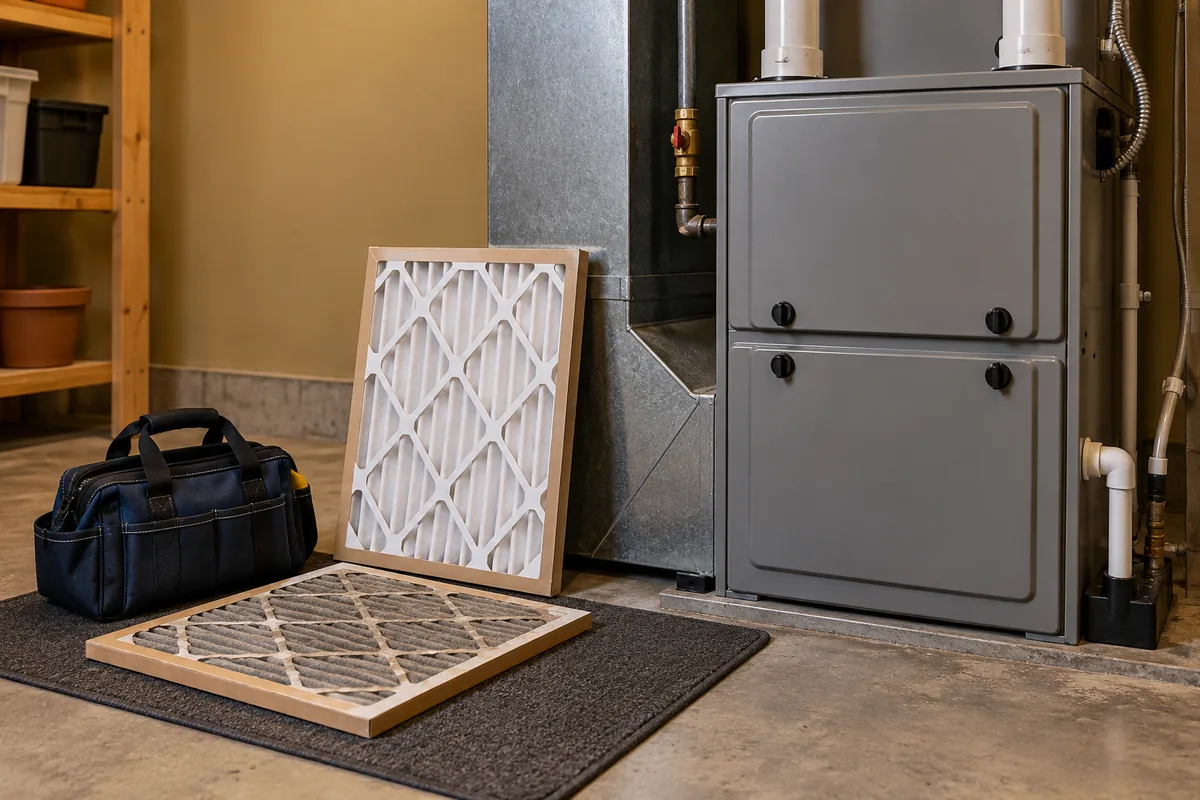
HVAC & Appliance Repair Guys provides furnace repair in Aloha, OR for no heat, repeated stops, weak output and cold air at the vents. We assess the equipment and explain repair options before you approve work. Tell us whether any heat arrives and which rooms are affected.
The blower moves air through the home, but airflow alone does not prove that the furnace is producing heat. Some thermostat fan settings allow circulation between heating cycles. A fault can also interrupt heating while air still moves. The symptom needs context before anyone can name a failed component.
Describe what the thermostat displays, what the furnace does and what happens in the rooms during normal use. You do not need to test parts. If the concern centers on the wall control, thermostat repair & installation gives that device its own assessment; a room-temperature difference alone does not prove that the control has failed.
Thermostat Settings and the Request for Heat
Note the displayed room temperature, requested temperature, operating mode and fan setting. These details help the technician compare the request with the furnace’s response.
Mention a schedule, hold or setting change if it preceded the problem. You do not need to rewrite the schedule or raise the target to demonstrate the fault.
Leave wiring and hidden control settings alone. A photo of the normal display or a note of its wording can preserve useful details. If the display changes or shows a message, keep the exact wording rather than a guess about its meaning. The installed equipment and findings determine how that message relates to the fault.
No Heat, Brief Warmth and Interrupted Heating
A single statement that the furnace blows cold air may cover several patterns. Heat might never arrive, appear briefly and stop, or disappear after the home has warmed for a while. Explain which pattern best matches normal use. Include whether the fan continued, stopped or changed at the same point, if you noticed.
Share when the home last heated normally and whether the problem is constant or intermittent. Approximate times are useful. Avoid repeated restarts to build a record.
Cold Rooms and Airflow Differences
Tell us whether every served room stays cold or whether the concern affects one area. Name the rooms and which thermostat you were using, if there is more than one. Describe the result before trying to decide whether the issue belongs to the furnace or the air distribution. That distinction is part of the assessment.
Air temperature and air movement are separate observations. A room with little airflow presents a different account from one with strong air movement that never feels warm. You do not need a test instrument or a temperature taken inside a duct. Explain the difference you noticed at normal room level and when it became apparent.
Mention any change already known to you, such as a moved piece of furniture near a vent or work elsewhere in the home. Do not treat that timing as proof of the cause. The request may also involve another heating source or cooling equipment. Our HVAC repair service in Aloha covers that broader discussion.
Furnace Diagnosis and Equipment Safety
The assessment needs to connect the heating request, heat production and airflow to the symptom. Depending on the system, controls, airflow restrictions or heating components may need review. A running blower does not identify which of these needs work. We explain the findings behind the proposed repair rather than choosing a part from that symptom alone.
Share accessible model details and relevant repair or filter-care records. Gas and electric equipment have different components; the installed furnace determines the checks. Leave covers in place to collect information safely.
Gas odors require a different response from a routine repair request. If you smell gas, leave immediately and call 911 from a safe location. Do not stay inside to record the equipment behavior or wait for an appointment. For the repair assessment, leave gas components, electrical parts and safety controls to a qualified professional.
Repair Recommendations, Price and Timing
Review the diagnosed fault, proposed repair and price before approval. Ask how the work addresses the missing heat and whether further testing is needed.
Parts or further work may require another visit. An initial appointment does not guarantee completion that day; confirm the next step.
Furnace Repair, Routine Care and Replacement
A current loss of heat should stay visible even if the furnace is due for routine care. Describe the fault first when arranging service. A separate plan for furnace maintenance in Aloha addresses routine care. A care visit and a repair have different purposes; a recent service date alone does not explain a new shutdown.
Replacement is a separate decision when the findings and repair options make it relevant. The unit age, repair history and proposed work can inform that discussion without setting an automatic replacement date. Our furnace installation service covers the replacement plan. A free estimator visit is available for installation or replacement, not repair diagnosis.
Service Access and Heating Checks After Repair
Arrange access to the furnace and controls and mention any restriction when booking. If another person will meet the technician, share the heating symptoms with them.
After the repair, ask what was fixed, how heating was checked and whether any issue still needs attention. Keep those details with your service record.
If the problem returns, describe its pattern and any change since the repair so the follow-up can address the current fault.
Frequently Asked Questions
Do I need to know the failed component before requesting service?
No. Explain what changed, which rooms are affected and whether any heat arrives. Provide the model or earlier work record if it is already available. Leave covers in place; you do not need to inspect internal parts to arrange the visit.
Can you arrange same-day furnace service in Aloha?
Same-day service is subject to the current schedule and availability. Describe the loss of heat when requesting an appointment so we understand the concern. The visit timing and repair completion are separate: findings, required parts and access can affect when the work finishes.
Does a recent tune-up rule out a need for repair?
A tune-up records the care performed at that time. It does not establish the cause of every later heating problem. Keep the service record available and describe the new symptom as its own concern. Include whether the furnace heated normally after that visit.
Request Furnace Repair in Aloha, OR
Contact HVAC & Appliance Repair Guys to request furnace repair in Aloha and describe the missing heat, fan behavior and affected rooms.
For furnace repair in Aloha, OR, call HVAC & Appliance Repair Guys or submit a service request through the form on this page.