


Furnace Repair in Canby, OR
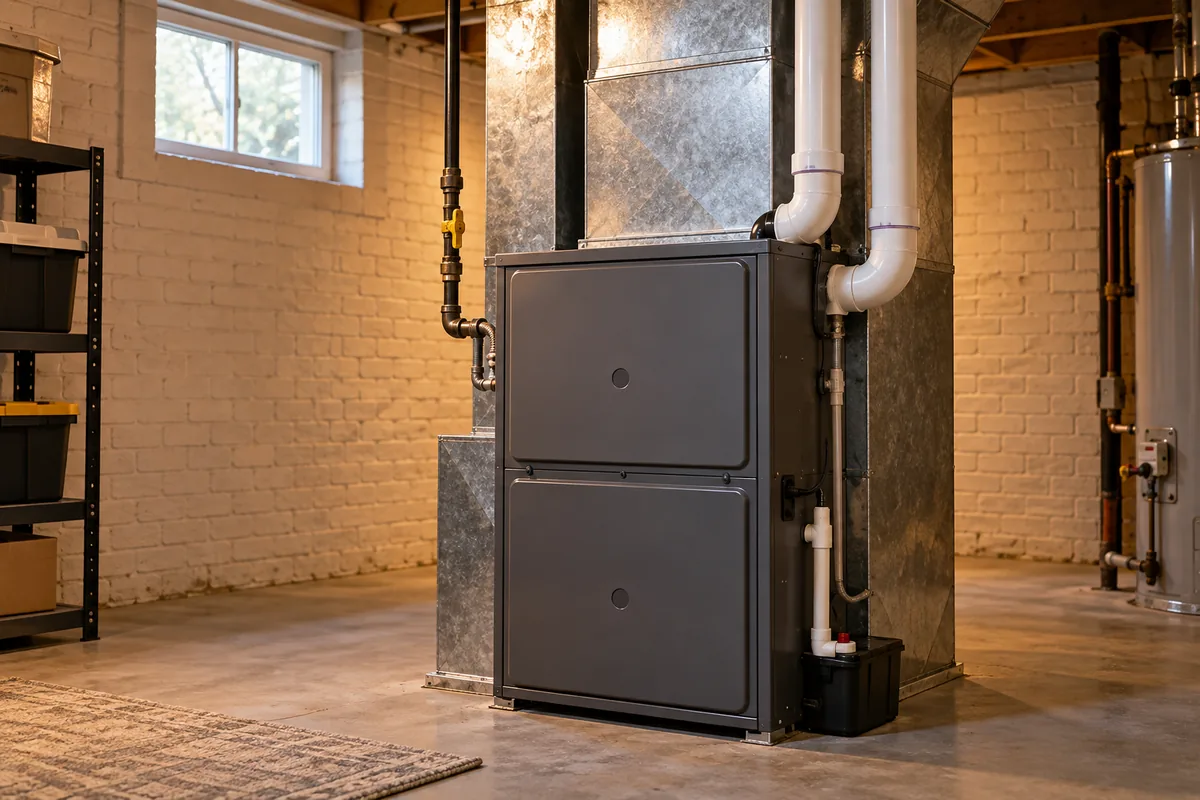
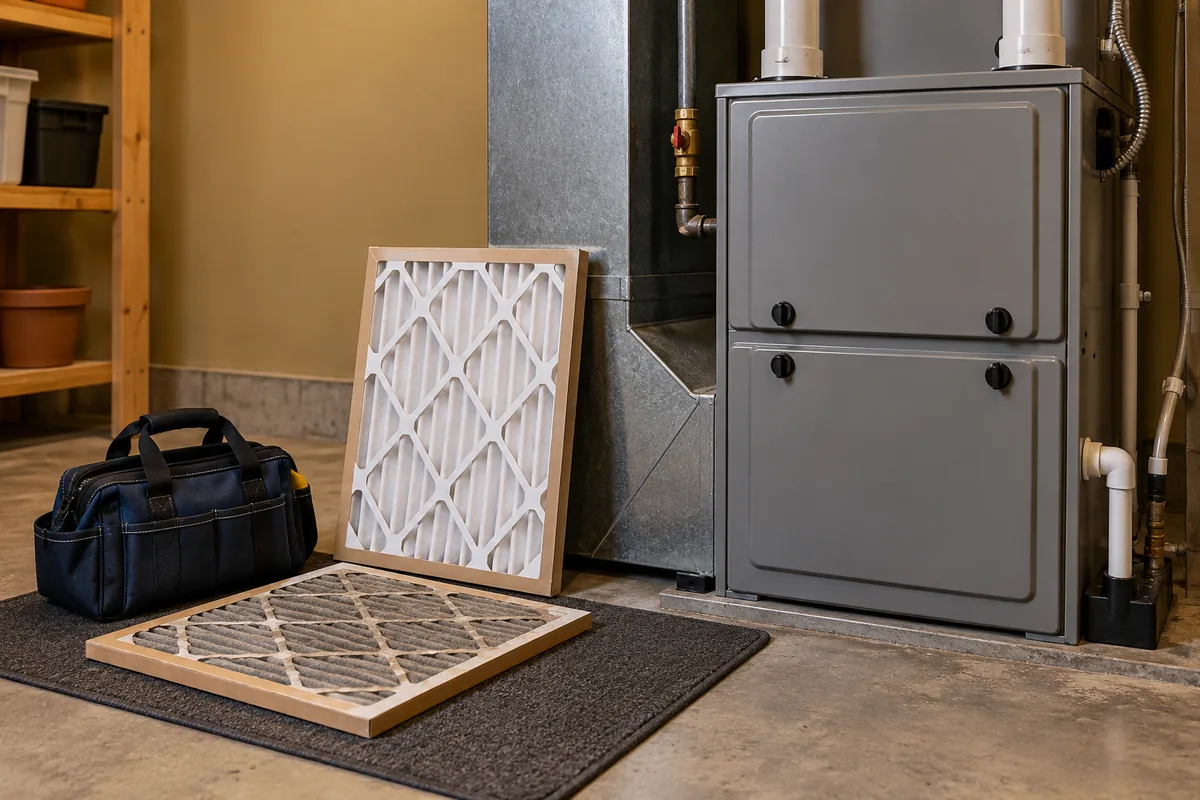
HVAC & Appliance Repair Guys provides furnace repair in Canby, OR for no heat, weak airflow, repeated stops and unfamiliar operating sounds. We assess the equipment and explain repair options. Describe whether heat reaches the rooms and whether the furnace stays off, warms briefly or keeps running without useful warmth.
A sound name alone cannot identify a failed part. Two people may describe the same event as buzzing, rattling or vibrating. Explain where you heard it and what the heating system was doing at the time.
Tell us whether the sound is new or longstanding, whether warmth still reaches the rooms and whether the furnace completes its usual operation. A changed sound with normal heating differs from a sound that accompanies lost heat; neither identifies the cause by itself.
Noise at Startup, During Operation or After Heating
Try to place the sound within an event you already noticed. It may occur as the system starts, while air moves or after heating stops. Share whether it happens once or repeats. Those details give the assessment more context than a recording with no explanation of when or where you made it.
Note whether you heard the change near the furnace, at a room vent or elsewhere along the air path. Sound can involve the equipment or nearby ductwork. Where you hear it does not always identify its source. You can explain that location without opening panels, reaching into a vent or touching a moving component.
If a recording already exists, describe the room and heating behavior that went with it. Do not restart suspect equipment or stay near it just to capture a clearer example. A sound that does not happen during the appointment can still belong in the history. State what you observed without adding an assumed part name.
Operating Sounds, Lost Heat and Weak Airflow
Tell us whether the concern also includes weak airflow, cold rooms, repeated stops or a system that does not start. Identify which result changed first if you know. The sound and heating problem may belong to the same fault, but their timing alone does not establish that connection. The assessment needs to check the relationship.
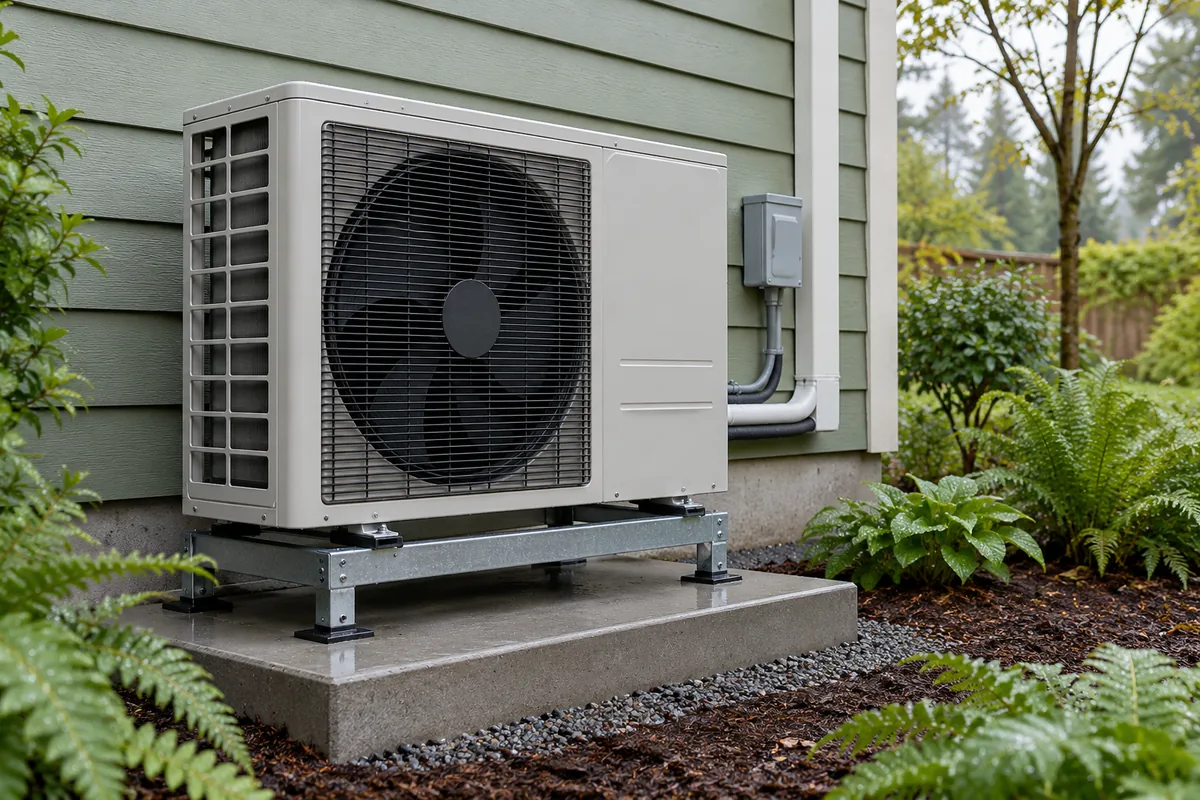
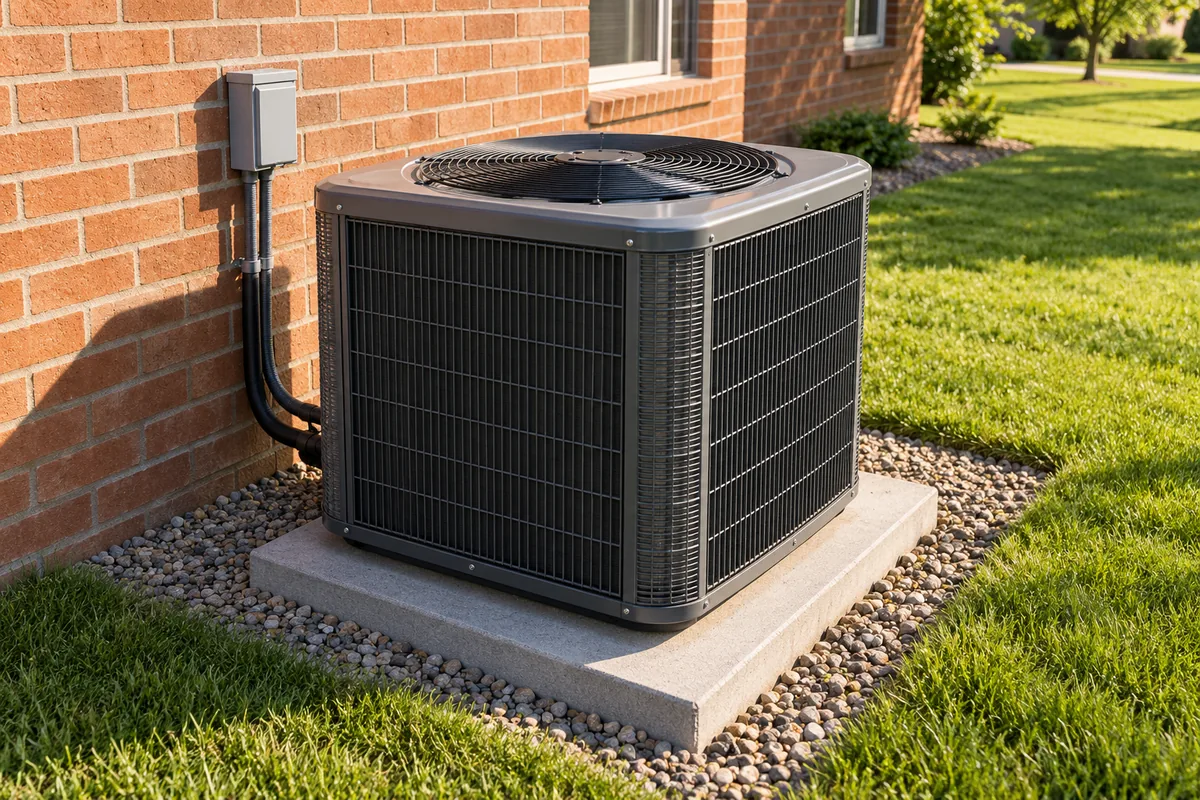
For a home with more than one system, name the unit and rooms involved. Keep an outdoor unit sound separate from a noise near the furnace. Our HVAC repair service in Canby covers a wider heating and cooling request. That broader scope can include a heat pump or another unit when the concern extends beyond the furnace.
Describe any control message you already saw and whether the room reached its set temperature. A normal-looking display does not prove that the reported sound is harmless. Likewise, an unusual sound does not automatically call for replacement. The equipment behavior and findings should guide the next step. If the concern centers on the wall control, thermostat repair & installation gives that device its own assessment; a room-temperature difference alone does not prove that the control has failed.
Professional Assessment of Furnace Noises
An unfamiliar buzz can have several possible sources, including electrical or motor-related components. We assess the actual unit and explain the finding behind the recommended work before selecting a repair.
A sudden bang when the furnace starts needs prompt professional attention. Do not restart it just to reproduce the noise. If you smell gas, leave immediately and call 911 from a safe location. Do not wait for a routine appointment or try to record the sound.
For the planned visit, leave covers and internal parts in place. Describe the equipment location and any access limit when arranging service. A model number from an existing record can help if the label is difficult to reach. You do not need to inspect burners, wiring or a fan assembly to prepare the request.
Repair Findings, Parts and Replacement Options
Ask whether the findings connect the changed sound and lost heat or identify separate faults, and which proposed work addresses each concern.
Review the price, parts and any return visit before approval. If an intermittent sound does not occur during the assessment, ask what further observation is needed.
If the findings raise a repair-versus-replacement question, compare the present fault, repair history and proposed cost. Our furnace installation service covers a separate replacement project; a loud sound alone does not settle that choice. After the active fault has been assessed, discuss furnace maintenance as a separate routine-care service.
Heating and Sound Checks After Repair
After service, ask what heating and sound checks were completed and whether any concern needs follow-up.
If a sound returns, describe its timing, location and any change in heat or airflow. Mention what improved after the earlier repair.
Frequently Asked Questions
Can you tell which part failed from a sound recording?
A recording can add context, but it cannot establish every cause or confirm the condition of hidden parts. Include where and when the sound occurred and whether heat changed. The repair recommendation should rely on the assessment of the actual equipment.
Is every furnace hum or click a repair problem?
Some operating sounds can be normal, but a familiar label does not establish that a changed sound is safe. Report a new, louder or different pattern along with the heating result. Avoid using a general sound description to dismiss the concern or identify a failed part.
Request Furnace Repair in Canby, OR
Contact HVAC & Appliance Repair Guys to request furnace repair in Canby and describe the changed sound and any loss of heat or airflow.
For furnace repair in Canby, OR, call HVAC & Appliance Repair Guys or submit a service request through the form on this page.