



Furnace Maintenance in Canby
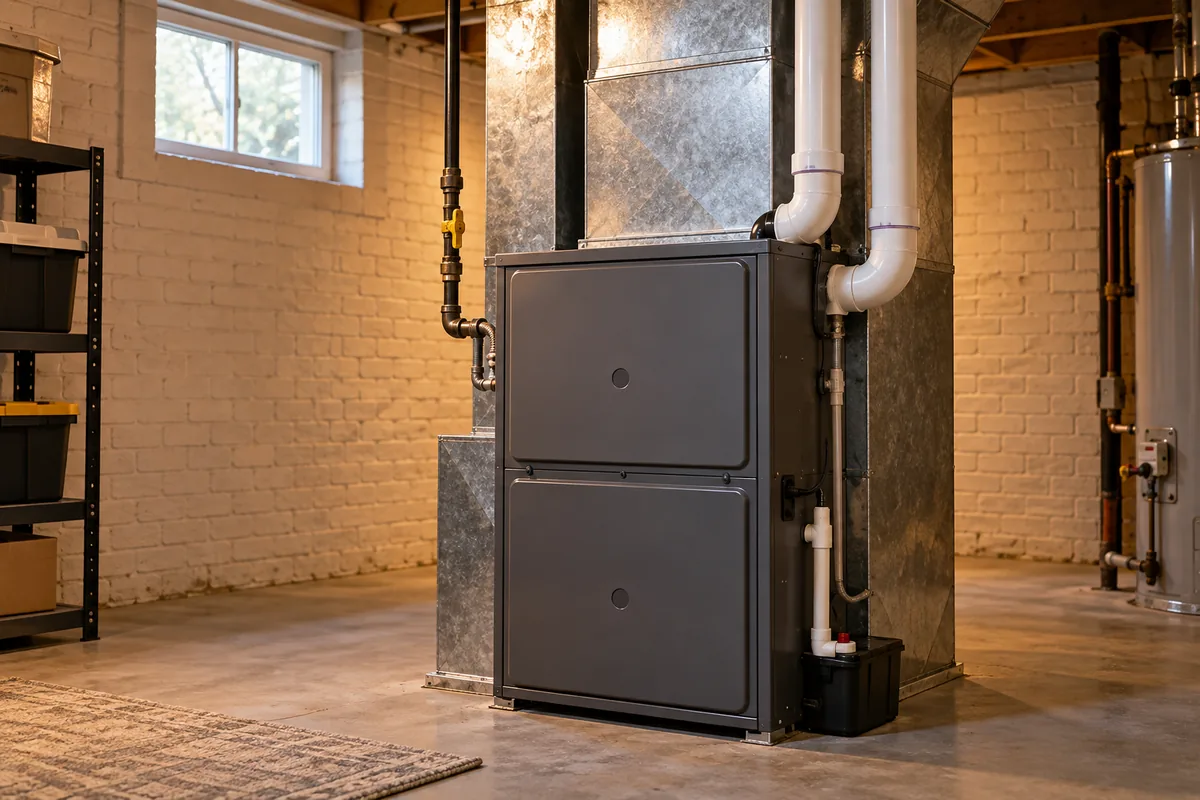
HVAC & Appliance Repair Guys provides furnace maintenance in Canby, OR. Care considers heating operation, airflow and controls according to the installed unit’s requirements. The findings determine whether a component needs inspection, cleaning or another task. Describe changes in heating, airflow or noise so the visit addresses both upkeep and any separate diagnostic need.
Begin by describing the care you want and any heating concern already present. A working furnace due for planned care and a unit that has lost heat need different discussions. Keep both needs visible if they apply. The agreed scope should state what the visit will address and what requires a separate assessment.
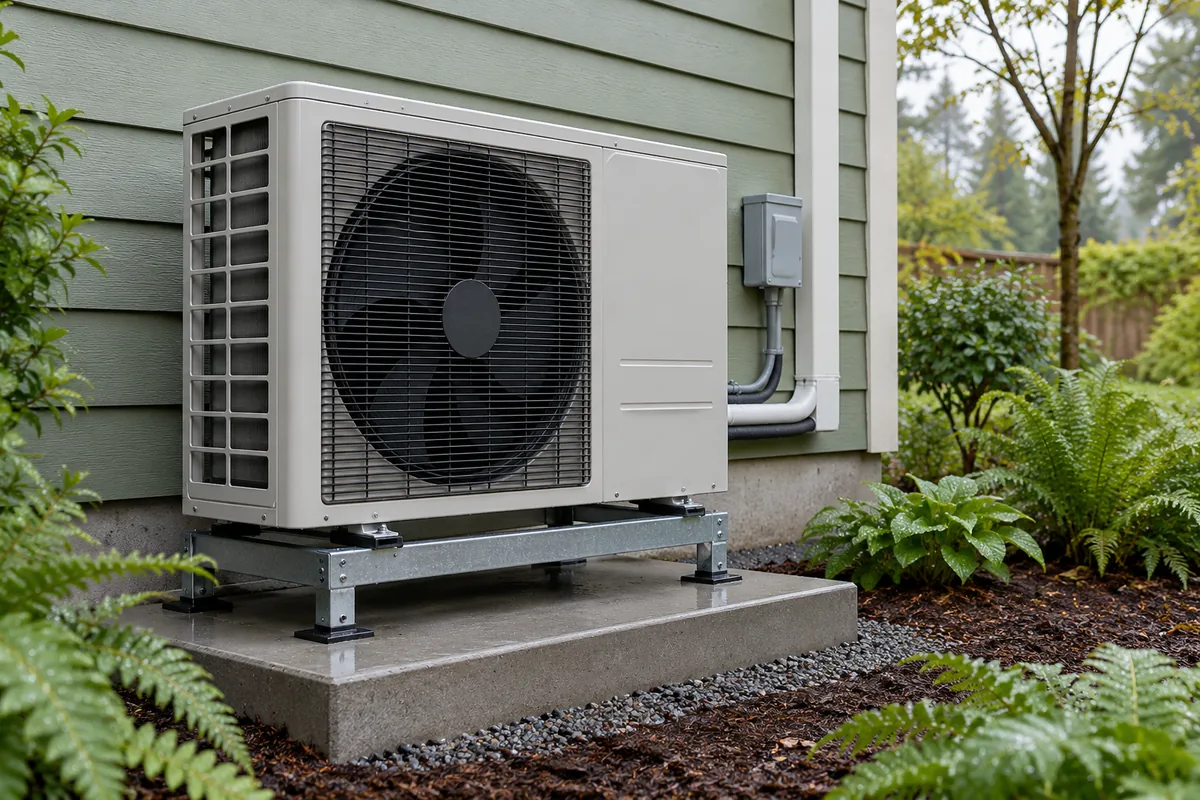
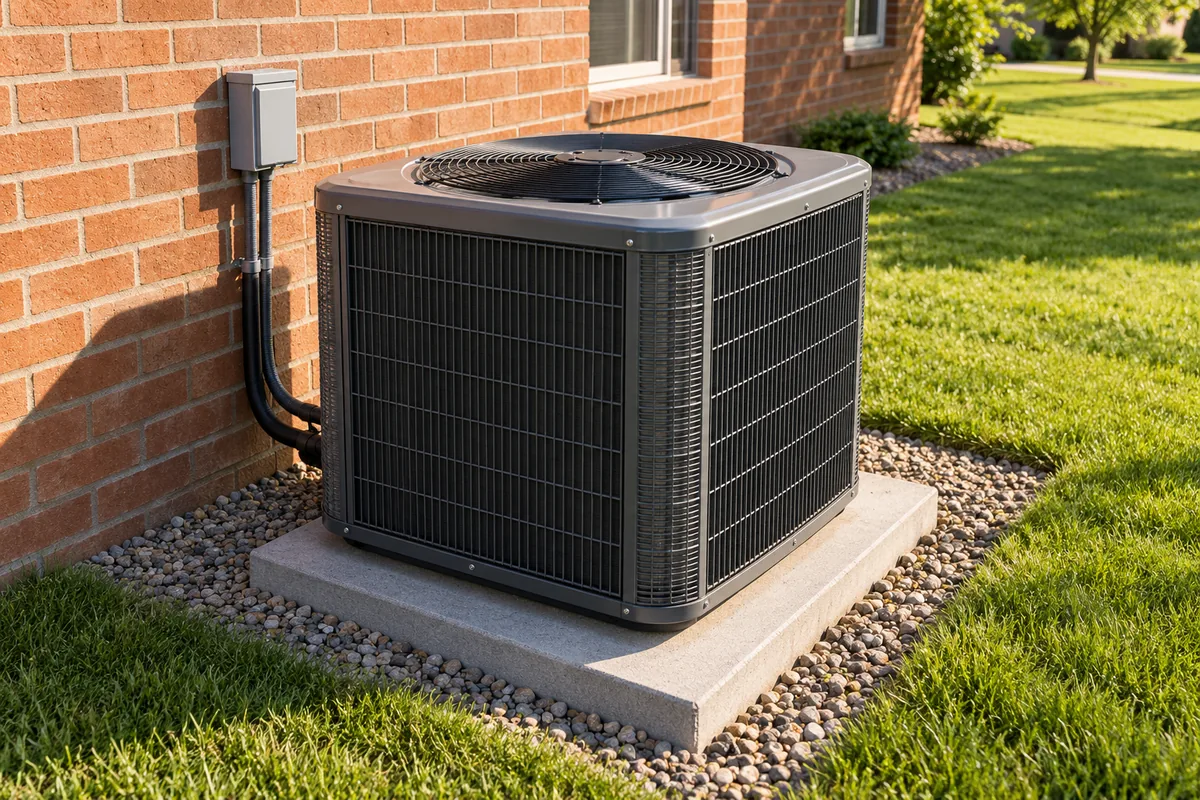
Our HVAC maintenance service in Canby covers a wider equipment request. Mention a heat pump or separate cooling unit if it also needs attention. Confirm which units and tasks the appointment includes.
Inspection, Cleaning, Adjustment and Replacement
Keep inspection, cleaning, adjustment and replacement distinct in the work record. A component name alone does not describe the action completed.
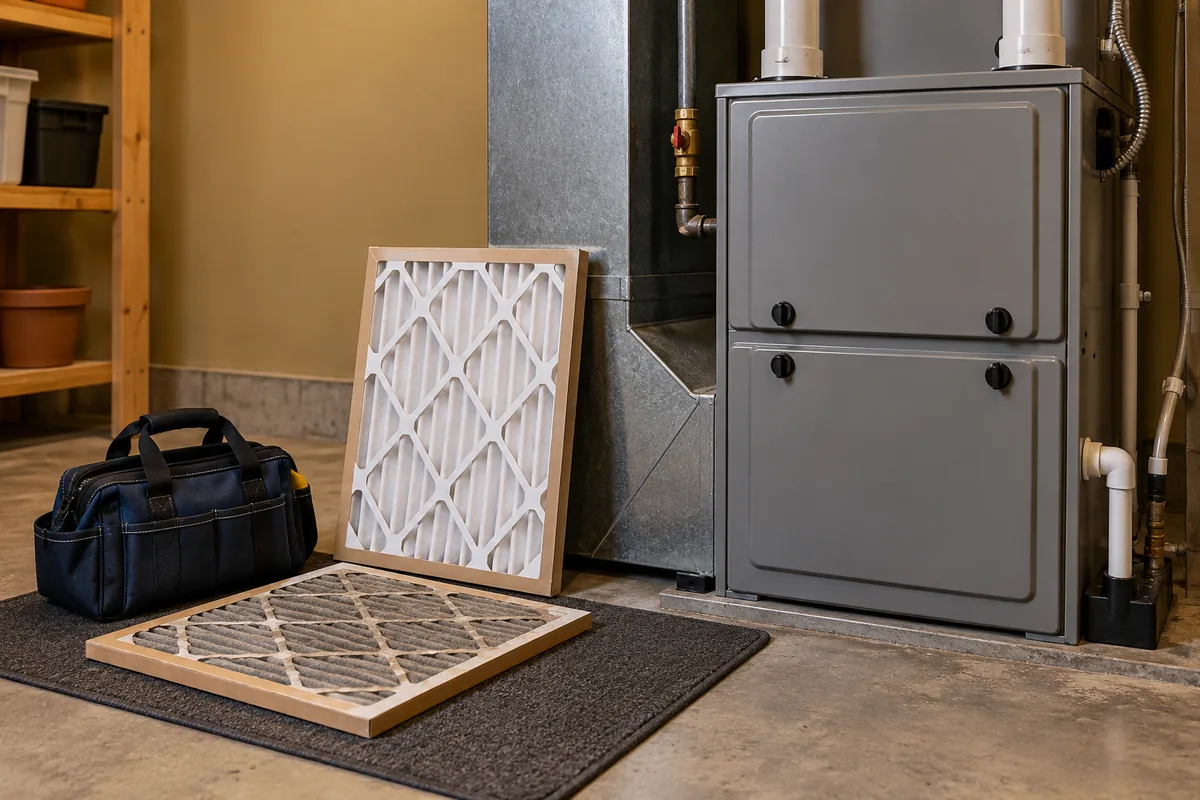
For example, inspecting a blower does not mean it was cleaned. A filter entry may record its condition, replacement or an unresolved fit question.
Ask how the scope fits the installed furnace rather than relying on a universal list. Equipment designs and their care needs differ. The visit should identify the relevant components and tasks for your setup.
Model-Specific Measurements and Operating Checks
Professional furnace assessment can include heating operation, airflow and control checks. Relevant measurements depend on the equipment and its specifications. A number copied from another furnace is not a universal pass mark. Ask what a reported result means for the model and conditions involved in this visit.
Keep the operating mode with the finding. An observation during fan use is not the same as a result during a heating request. Ask which operating condition the technician checked; a running fan alone does not establish a heating result.
If the visit could not complete a relevant check, ask why and what comes next. An access limit or an unresolved equipment question should remain visible. An unchecked item has no confirmed result. The follow-up plan needs to explain which information remains missing and how the next step will address it.
Repair Recommendations and Added-Work Approval
Our furnace repair service in Canby addresses a current fault. If care reveals a repair need, ask which finding supports it. Keep the completed maintenance work separate from the proposed corrective task. The explanation should connect the recommendation with the actual condition of the furnace.
Review the repair scope and price before approving added work. Ask whether the proposal includes the part, related work and any later check the job needs. A recommendation is not the same as permission to proceed. The record should make your choice and any work still pending clear.
If several findings appear, discuss their purposes one at a time. One may concern routine care, another the reported heating fault and another an open question. Do not assume each finding calls for a new part. The next action needs a reason that relates to the condition the visit established.
Completed Care and Unresolved Room Comfort
Return to the original reason for the appointment when reviewing the result. If you reported an uncomfortable room, ask what the visit established about that concern. Keep a completed equipment task distinct from a room question that remains.
If the furnace now behaves differently, describe the change in ordinary terms. Explain whether the rooms warm, airflow feels different or the earlier pattern remains. Do not run repeated tests or open equipment to prove a result. Observations from normal use can support a follow-up request without becoming a diagnosis.
If someone else meets the technician, ask them to share the service record and any recommended next steps. Contact us if a finding or proposed repair is unclear.
Service Records and Future Maintenance
Keep the date, furnace identity, completed tasks and open findings together. Add the earlier symptom and any change you noticed afterward. Store a proposed task separately from a completed one.
Discuss future care using the actual equipment and its use. A plan for later maintenance differs from a return visit for unfinished work. Keep the purpose of each appointment clear. The record should help you distinguish regular upkeep from a current finding that still needs attention. Contact HVAC & Appliance Repair Guys to request furnace maintenance in Canby.
Frequently Asked Questions
Does naming a component on the record mean the technician replaced it?
No. Ask whether the entry describes inspection, cleaning, adjustment or replacement. Those actions have different meanings. The completed work should be clear enough to distinguish an observed condition from a changed part.
Can I use a reading from another furnace to judge mine?
A useful comparison needs the actual model, operating conditions and relevant specifications. Ask what the reading from your visit establishes. Do not treat a generic number as the right result for every unit. Leave internal measurements to the professional assessment.
What should the record say if a check remains incomplete?
It should identify the open item and the reason it remains open. Clarify the proposed next step and any work needed before it. Keep that item distinct from the completed tasks. A blank entry does not confirm a successful check.
Does the maintenance visit automatically include any repair it identifies?
The agreed scope and price determine the work included. Review a separate repair recommendation before approving it. Ask how it relates to the finding. Keep completed care and pending repair work clear in the record.
Request Furnace Maintenance in Canby, OR
For furnace maintenance in Canby, OR, call HVAC & Appliance Repair Guys or submit a service request through the form on this page.