

Furnace Repair in Donald, OR
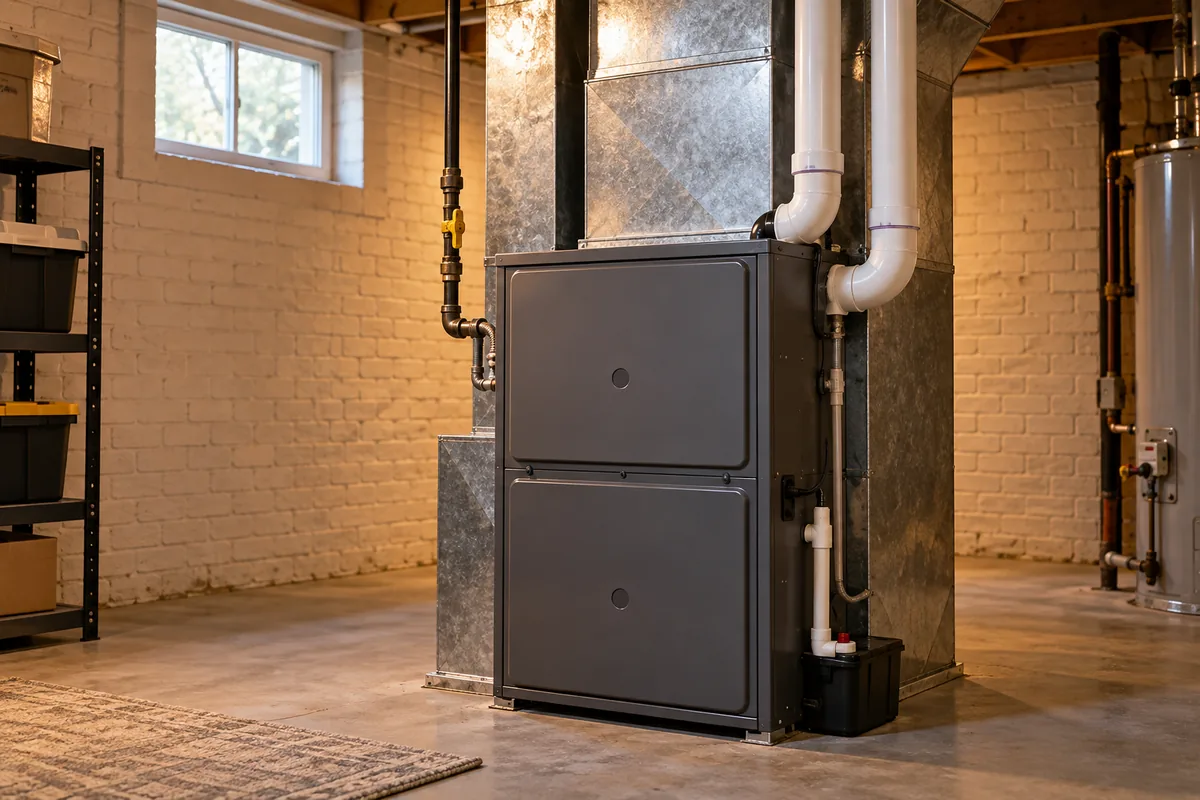
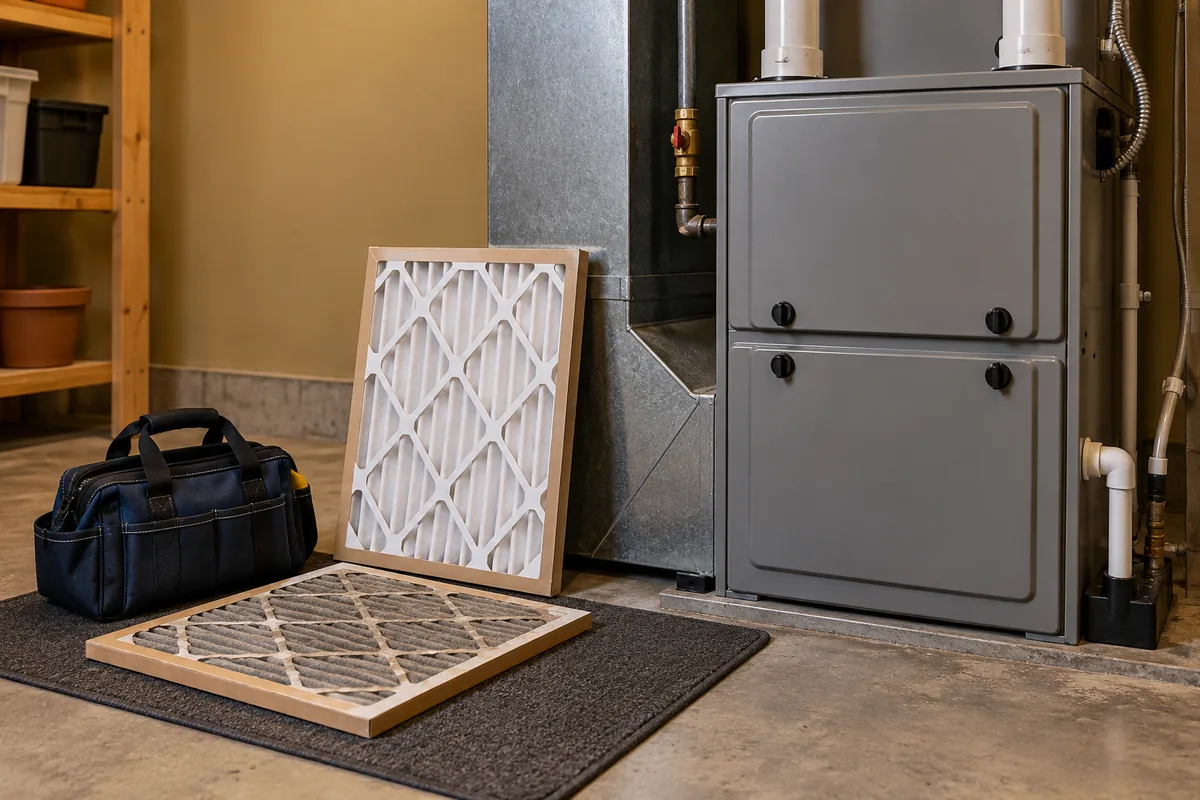
HVAC & Appliance Repair Guys provides furnace repair in Donald, OR for no heat, weak airflow and furnaces that stop before the home warms. We assess the fault and explain repair options. If the failure appears on the first heating request after a break, tell us what happens now and when you last used the furnace successfully.
Share when the furnace last heated the home normally, even if the date is approximate. If you have never used it for heat or do not know its earlier condition, say so.
Earlier cooling can provide context for a heating fault. Our HVAC repair service in Donald covers wider heating and cooling problems. Identify any other affected unit or function, even if several share a control.
The First Heating Response After a Break
Describe whether the furnace stays silent, moves cool air or heats briefly and stops. Note whether every room is affected or one room has weak airflow. A blower can run without useful heat, so the room result matters alongside equipment sound.
Include the normal control setting and any visible message you already noticed. State whether heat never arrived or only failed to reach the room you expected. Keep the observations tied to that event. Do not repeatedly restart the furnace or open its cabinet to produce more information for the appointment.
If someone else used the furnace before you, share any reliable service records or details they can provide. Let us know which parts of its history are unknown.
Lost Heat and Separate Routine Care
Report the heating failure even if routine care is also overdue; one care task may not restore operation. Our furnace maintenance in Donald covers ongoing care separately from diagnosing and repairing the current fault.
Share an earlier invoice or service note, identifying the unit and whether the work preceded or followed the last successful heating use. That history supports assessment but does not replace checks of the present loss of heat.
Describe where the equipment and controls are, along with any access limit. Share a model from an existing document if the label is out of reach. You can arrange the visit without entering a difficult equipment space. Leave internal inspection and gas or electrical work to a qualified professional.
Repair Findings, Price and Heating Checks
Ask what the assessment found and how the recommended work addresses the failed heating request. Review the price and the work you would approve. Clarify any part order or return visit the work may need. Booking an appointment does not establish when every part of the repair can finish.
After service, ask what heating operation was checked and whether anything needs follow-up. Report a returning concern by its current response and timing.
Frequently Asked Questions
What if I do not know whether this furnace ever worked properly?
Say that its earlier heating history is unknown. Describe the current control setting, response and room result. Share any records already available, but do not guess at a past repair or successful heating date to fill the gap.
Does the first failed heating attempt mean I need replacement?
That event alone does not decide the issue. The assessment should establish the fault and available repair options. If replacement becomes relevant, compare its scope and cost with the confirmed repair. A period of nonuse does not establish a need for new equipment.
Request Furnace Repair in Donald, OR
Contact HVAC & Appliance Repair Guys to request furnace repair in Donald and describe the current heating response, even if the equipment’s earlier history is unknown.
For furnace repair in Donald, OR, call HVAC & Appliance Repair Guys or submit a service request through the form on this page.