
HVAC Repair in Donald
HVAC & Appliance Repair Guys provides HVAC repair in Donald, OR. If heating or cooling stops, begin with the first change you noticed. The thermostat display, equipment sound and airflow may each tell a different part of the story. We use that account to guide checks at the system, not to choose a part in advance.
Tell us whether the problem followed a power interruption, a settings change or work near the equipment. The timing can be useful even when you do not know whether the events connect. A failure after an interruption does not, by itself, prove damage to a control or another component. The system still needs a diagnosis.
Our HVAC repair service covers heating and cooling concerns. For a Donald appointment, share the address and equipment location. Same-day appointments may be available; parts or additional work may require a return visit.
Control Messages and Operating Problems
Record a visible message with its exact wording and note which device displays it. A thermostat message, a light on an indoor unit and a sound outdoors are separate observations. If you can safely take a photo without opening anything, retain it for the visit. Do not clear a message simply to see whether it returns.
The meaning of a message depends on the equipment and control model. Some notices concern routine care; others report an operating fault. Explain what the system does alongside the message, including whether the rooms receive heat or cooling. The words on a display alone do not replace an operating check.
If the control itself seems unresponsive, our thermostat repair service covers that concern. The technician needs to distinguish a control problem from a connected equipment fault. Mention normal settings that changed without your input, but leave wiring and internal menus untouched. We can review the installed setup during the appointment.
If two devices show different messages, keep a record of both rather than choosing one as the cause. Note whether they appeared together or at different times. The order can help explain the event, even if the equipment later starts working again.
Furnace, AC, Heat Pump and Ductless Faults
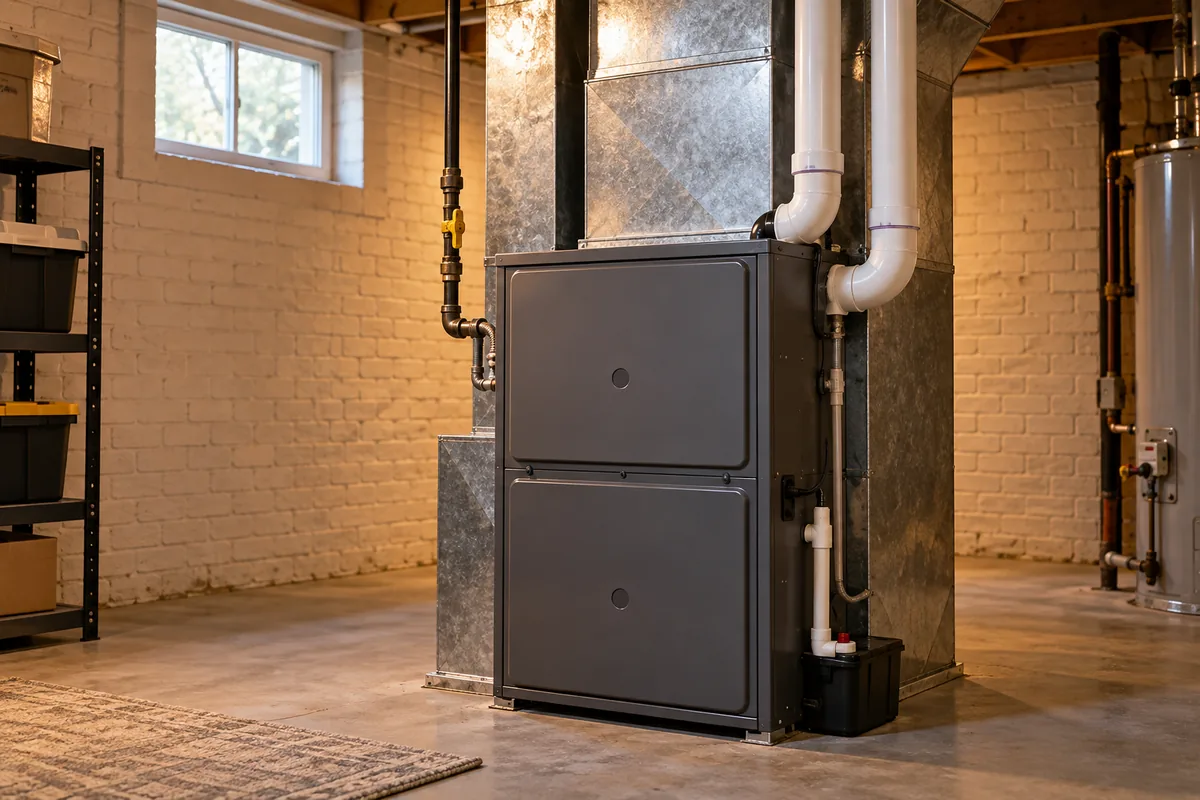
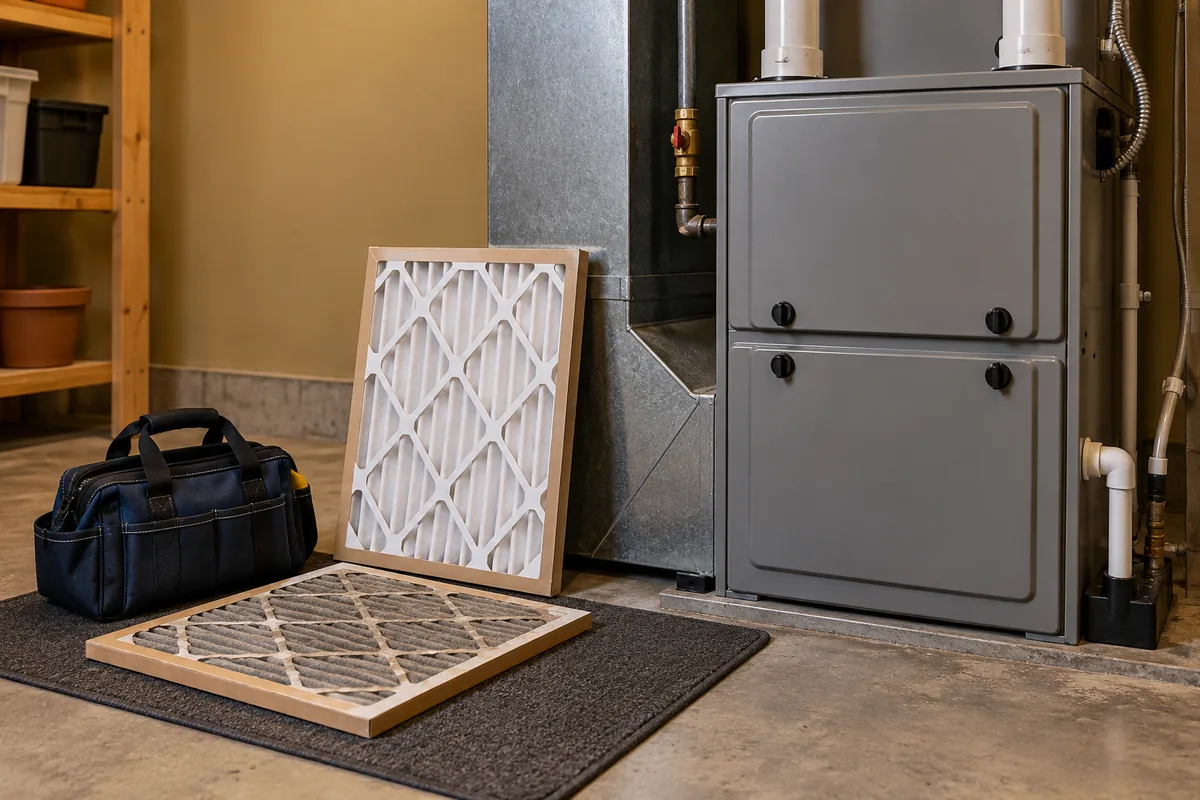
For furnace trouble, describe whether the equipment fails to start or stops before the room warms. Our furnace repair service addresses that equipment. Include whether air still moves through the vents. A blower sound does not confirm that the furnace is producing useful heat.
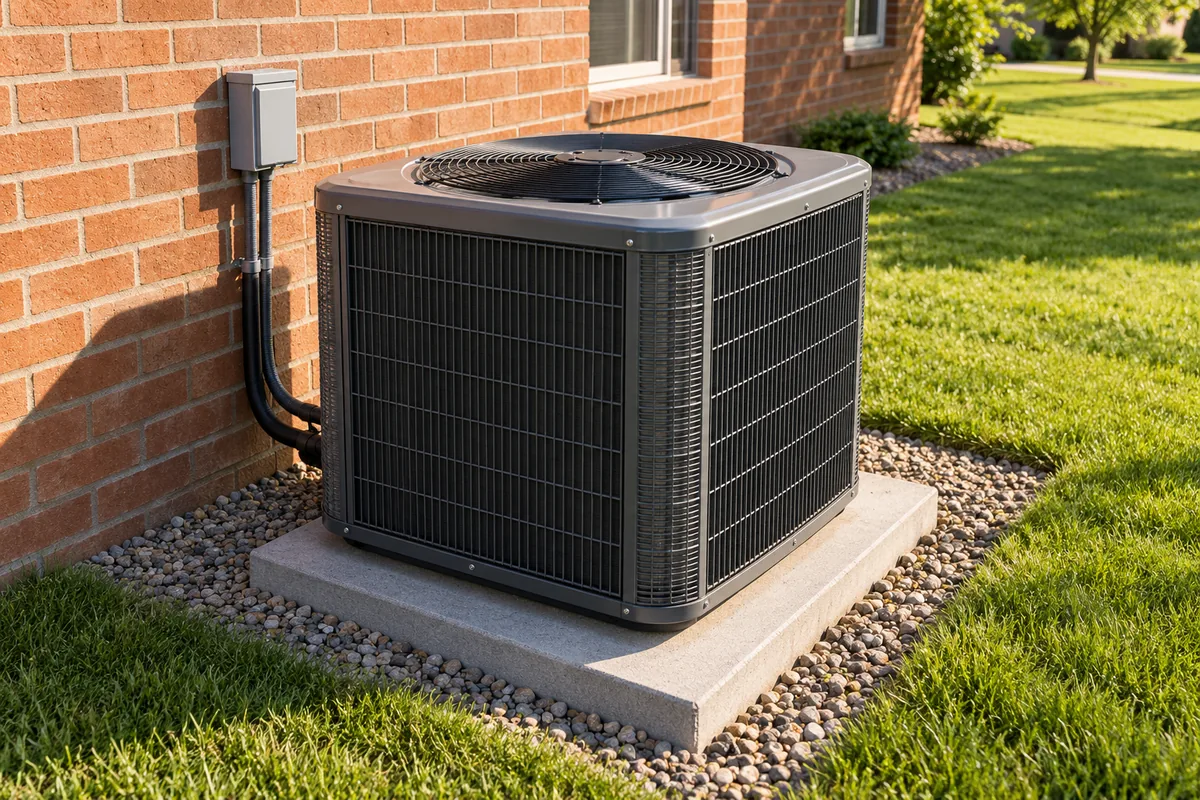
For an air conditioning concern, distinguish no response from weak cooling while the system runs. Our AC repair page explains that service. Mention whether the issue affects every room or a smaller area. That information helps define the complaint before the technician checks the equipment and airflow.
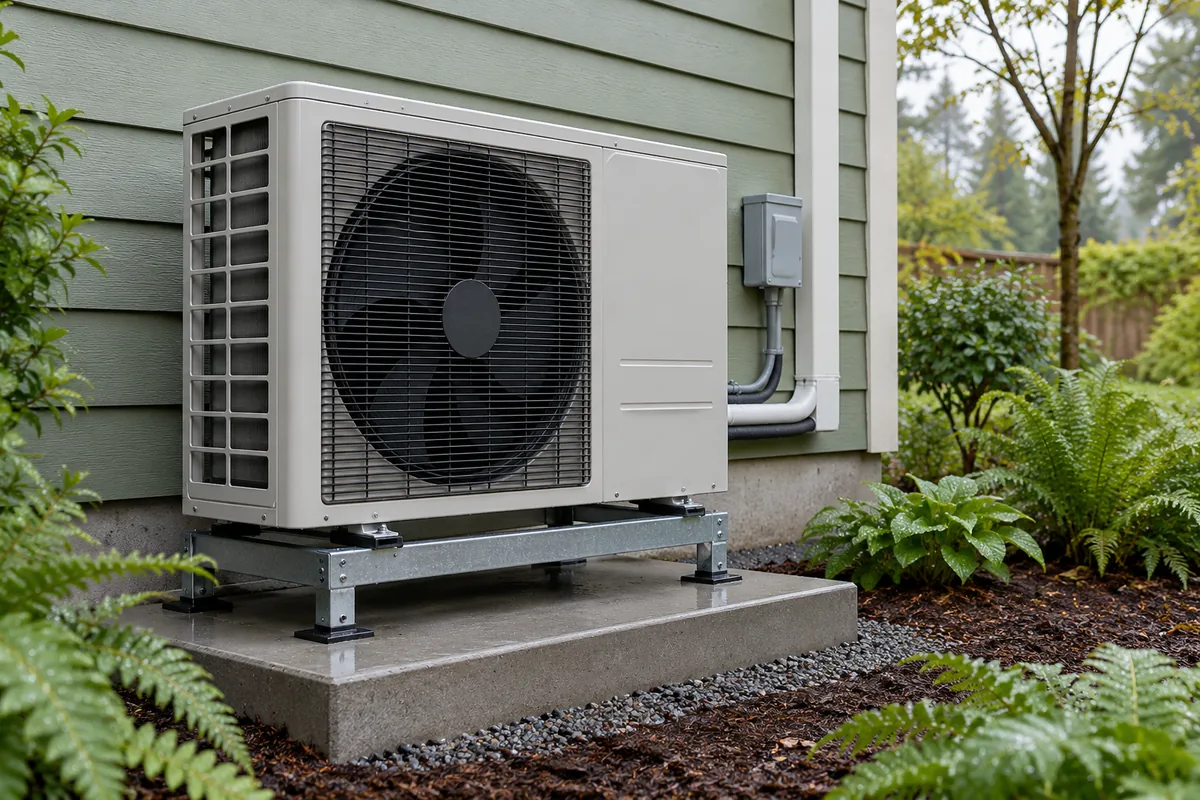
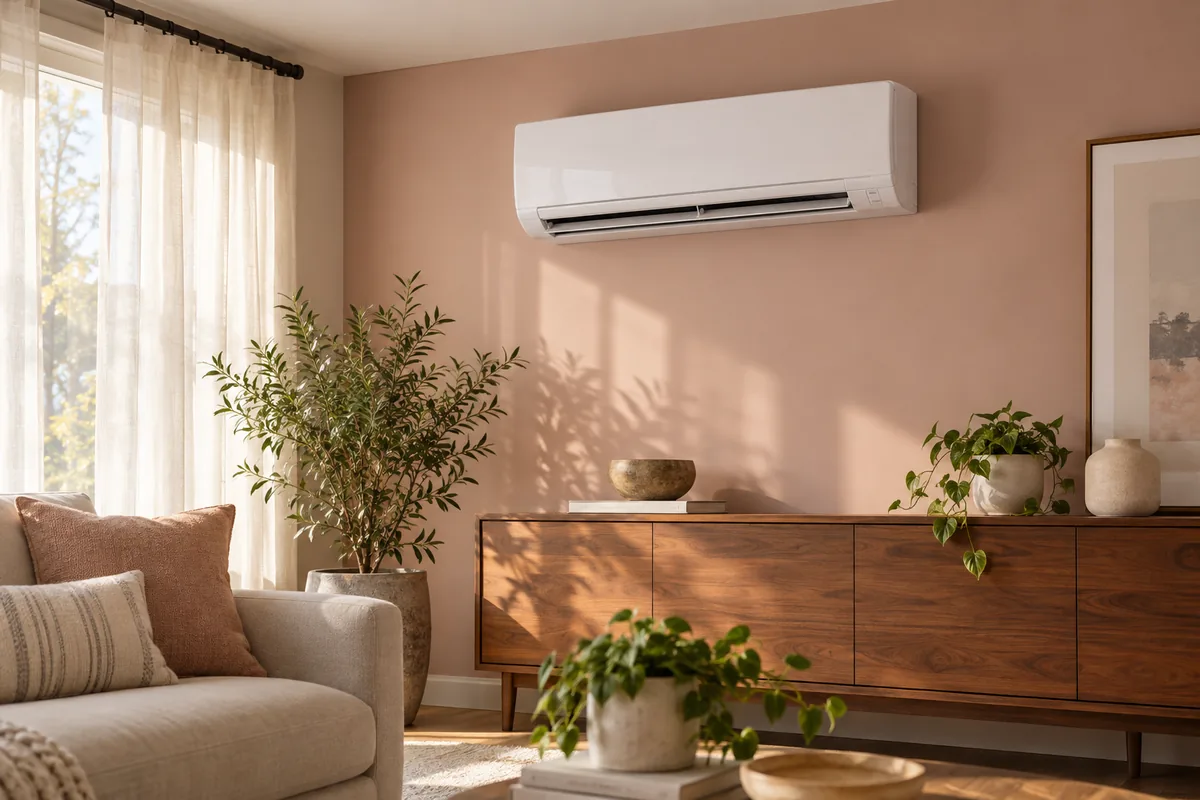
Heat pumps can serve both heating and cooling, so identify the mode linked to the problem. For ductless equipment, note which indoor units have trouble and which still respond. If the property has several systems, keep their symptoms separate.
Repair Findings, Price and Follow-Up Work
Before approving a repair, review what the technician found and how it explains the current fault. Ask what the work includes, what it costs and whether any further checks remain. Clarify any separate concern that the repair does not cover.
Parts orders or further testing may require a return visit. We explain what remains and the next step before you approve additional work.
Keep the repair details with the equipment information after the visit. Note any follow-up items and the checks that confirmed operation. If the symptom returns, report what matches the earlier fault and what has changed.
Request HVAC repair in Donald from HVAC & Appliance Repair Guys and share the first changed behavior, exact messages and current equipment response.
Frequently Asked Questions
Does a fault after a power interruption mean a part needs replacing?
Not necessarily. The sequence is useful context, but it does not identify a damaged component. Tell us what happened, what the display shows and how the equipment responds. We need to check the system before recommending a repair.
What if the message disappears before the appointment?
Share any saved photo and describe the operating problem that occurred with it. Note whether the system recovered on its own or after a normal settings change. The visit can use that history while checking the present condition.
Can I arrange service if I cannot safely reach the equipment label?
Yes. Explain the equipment location and the access issue when arranging the visit. Share the system type and any information already available. You do not need to climb into a difficult space or remove a cover to gather a model number.
Request HVAC Repair in Donald, OR
For hvac repair in Donald, OR, call HVAC & Appliance Repair Guys or submit a service request through the form on this page.