

Furnace Repair in Salem, OR
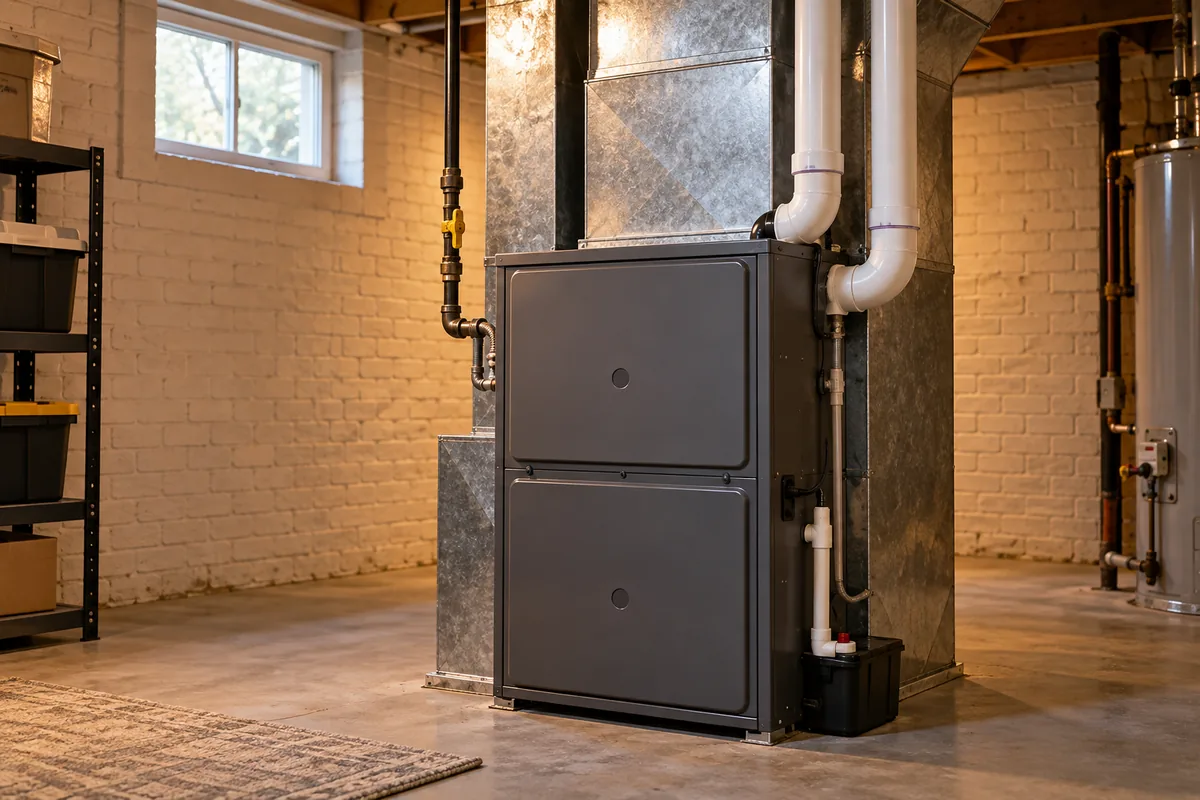
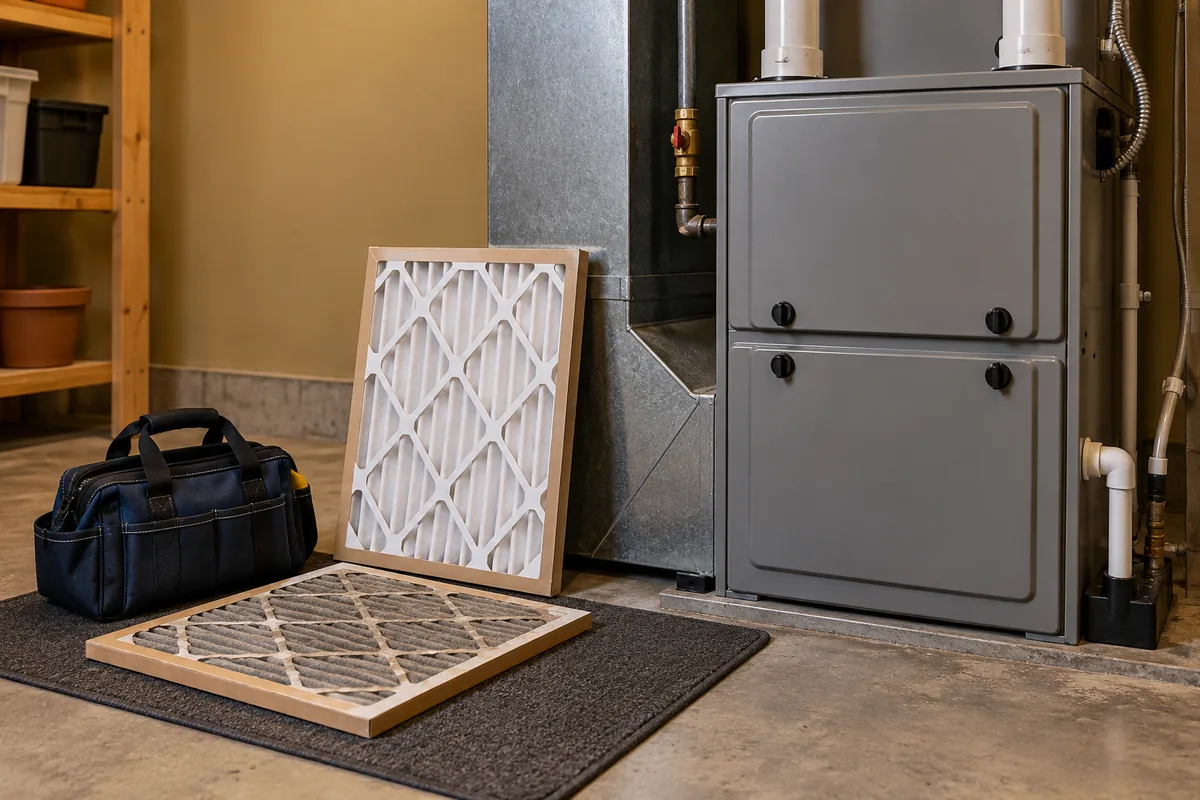
HVAC & Appliance Repair Guys provides furnace repair in Salem, OR for no heat, weak airflow and equipment that stops before the home warms. We assess the installed furnace and explain repair options. Include any visible shutdown message; clearing it does not repair the underlying condition.
Some gas furnaces can enter a lockout after controls detect a problem. A hard lockout calls for professional attention to the cause before a reset. That term describes an operating state, not one failed component. The installed model and findings determine what the repair needs to address.
Do not assume every shutdown is a lockout. Describe the visible wording and what the furnace did before it stopped. Keep a message from a normal display separate from an interpretation you found elsewhere. You can request service without choosing a code meaning or naming a part in advance.
Shutdown Messages and Heating Behavior
Note the wording you can already see and which control shows it. Include whether the message appeared once or returned during normal use. If you have a saved photo, keep it with those details. You do not need to remove a panel to look for another light or internal label.
Tell us whether heat never arrives, warms briefly or stops while the blower continues. A running fan does not establish heat production. Weak flow throughout the home differs from one cold room, so identify affected areas and any recent filter or control change.
Leave safety controls, gas parts and electrical connections untouched. Do not keep cycling power or pressing a reset to make the furnace run. If you smell gas or a carbon monoxide alarm sounds, leave and call 911 from a safe location. A routine repair visit should not delay that emergency response.
If another heating or cooling function also failed, our HVAC repair service in Salem covers a broader equipment request. Describe that concern separately from the furnace message. A second symptom can belong in the assessment without automatically sharing the same fault.
Shutdown Diagnosis, Repair and Return to Operation
The technician explains the diagnosed fault and how the proposed work addresses the shutdown. If the cause remains uncertain, ask what further check is needed before a component can be recommended.
Review the proposed work, price and any required return visit before approval. If another check must follow a confirmed repair, ask what it will establish. A restart after a reset does not explain the condition that caused the stop.
Follow the technician’s guidance on return to operation. A restart that temporarily restores heat does not establish that the underlying problem is resolved.
Current Shutdowns and Separate Routine Care
A furnace with overdue care can still need a specific fault diagnosis. Our furnace maintenance in Salem covers routine upkeep separately. Report the current stopped condition or recurring shutdown when arranging help.
After the visit, ask what heating checks were completed and whether any repair or observation step remains.
If a message returns, report its exact wording, the furnace response and any change since the repair.
Frequently Asked Questions
Does a shutdown message identify the part I should replace?
Not on its own. The wording needs the context of the actual furnace and the findings. Share the exact visible message without assigning a part to it. The assessment should establish what condition caused the equipment to stop.
Should I keep resetting the furnace until the message stays away?
No. Leave reset and safety controls alone and report the stopped condition. The cause needs attention before a professional decides how to return the system to use. Repeated attempts do not establish that the furnace has received a repair.
What if the message disappears before the appointment?
Keep any saved wording and describe the heating behavior that went with it. Explain what you observed afterward without forcing another event. The visit can use that history while checking the present condition and stating any limits on the findings.
Does a hard lockout automatically mean I need a new furnace?
No. The term does not define the failed part, repair cost or condition of every component. Review the actual findings and available options. Any replacement proposal needs its own scope rather than following automatically from a shutdown label.
Request Furnace Repair in Salem, OR
Contact HVAC & Appliance Repair Guys to request furnace repair in Salem and share the shutdown message and heating behavior already observed.
For furnace repair in Salem, OR, call HVAC & Appliance Repair Guys or submit a service request through the form on this page.