


HVAC Repair in Salem
HVAC & Appliance Repair Guys provides HVAC repair in Salem, OR. When several things seem wrong, identify the change that prompted you to seek help. That may be a loss of heat, poor cooling or airflow that no longer reaches the rooms. We use that main complaint to focus the visit.
Describe the timing of other changes, such as sounds, display messages or room discomfort. They may share a cause, but we need to check that connection. Keep observations separate from a guess about the cause. The technician can assess how the symptoms fit the installed equipment.
For HVAC repair in Salem, describe the main heating, cooling or airflow problem and any related symptoms. Tell us which equipment is affected if you know.
AC, Furnace, Heat Pump and Ductless Symptoms
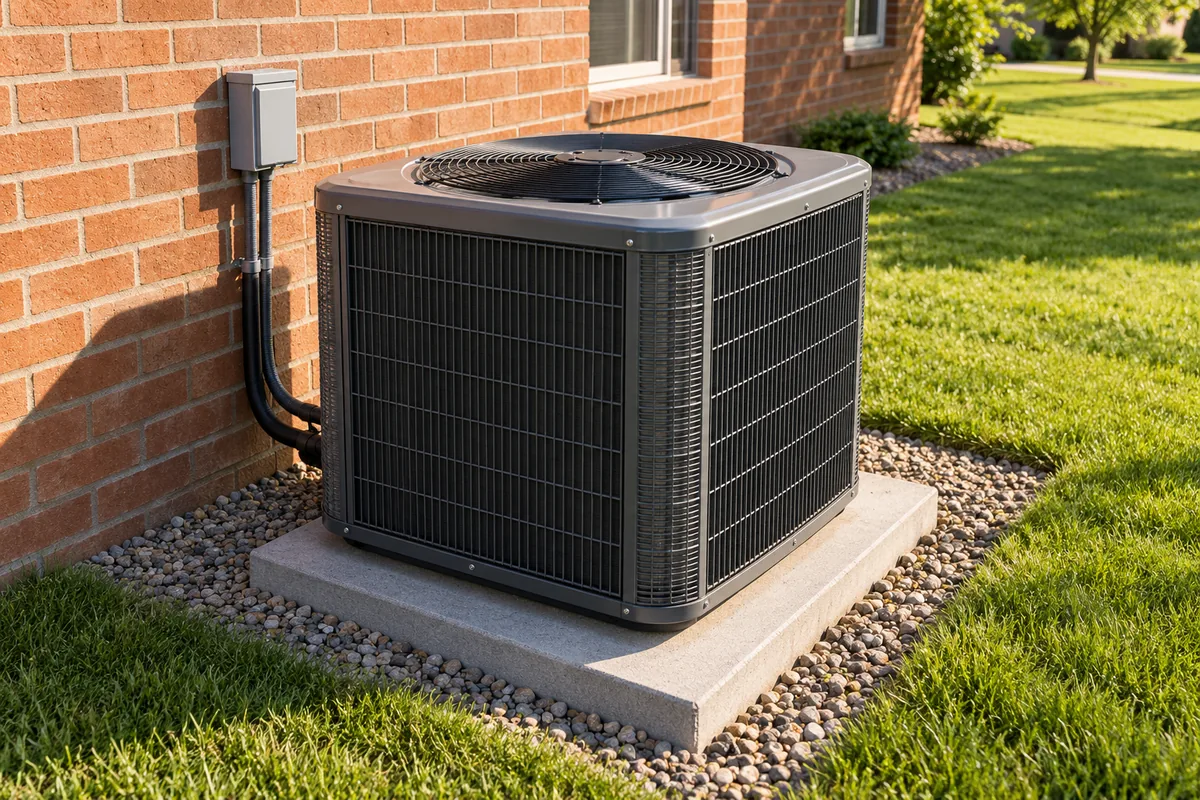
For an air conditioning problem, describe whether the equipment stays off or runs without cooling the rooms. Our AC repair service addresses that equipment. Note whether air still comes from the vents and whether the problem affects all areas. These details help define the complaint before the operating checks.
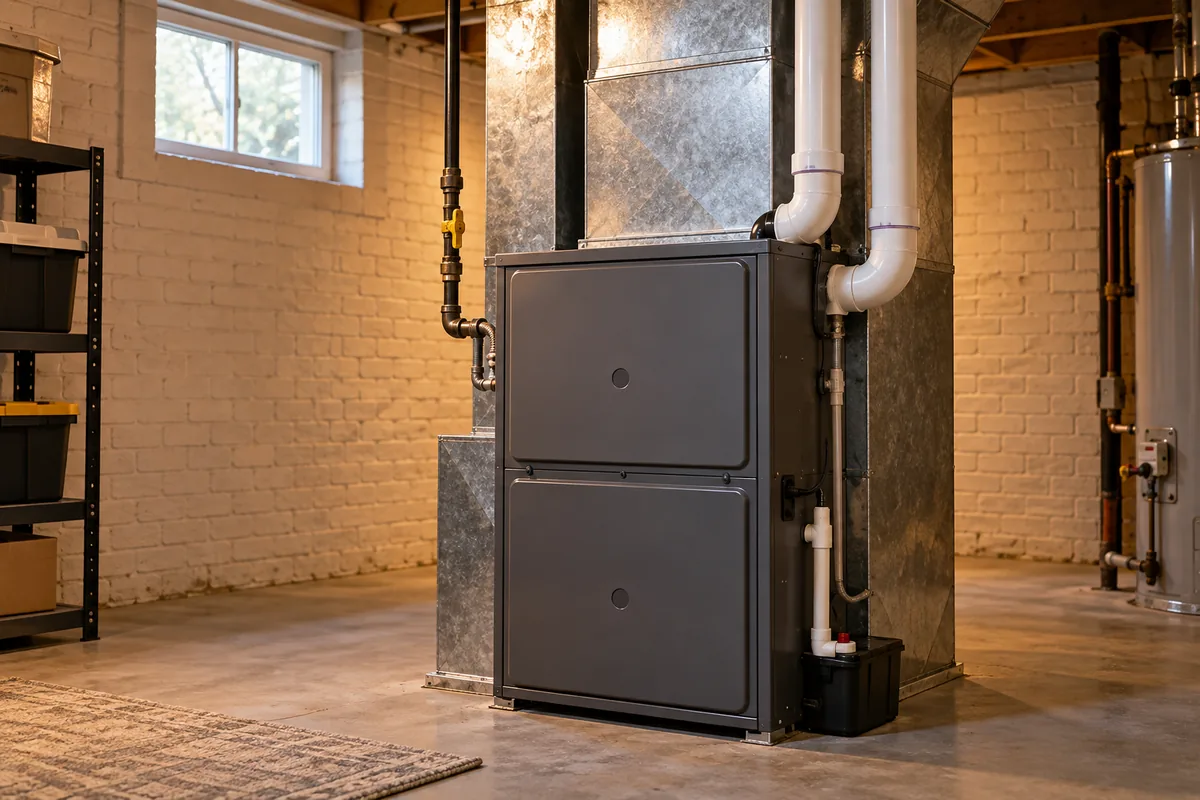
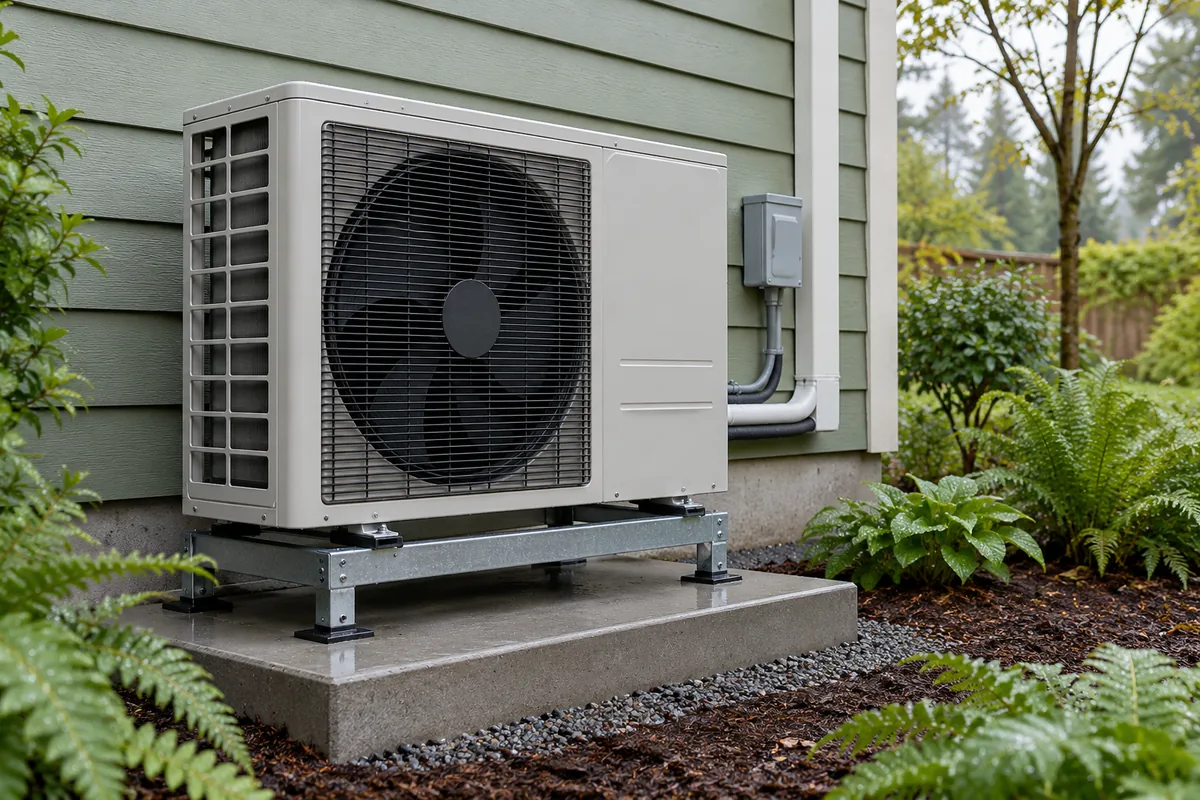
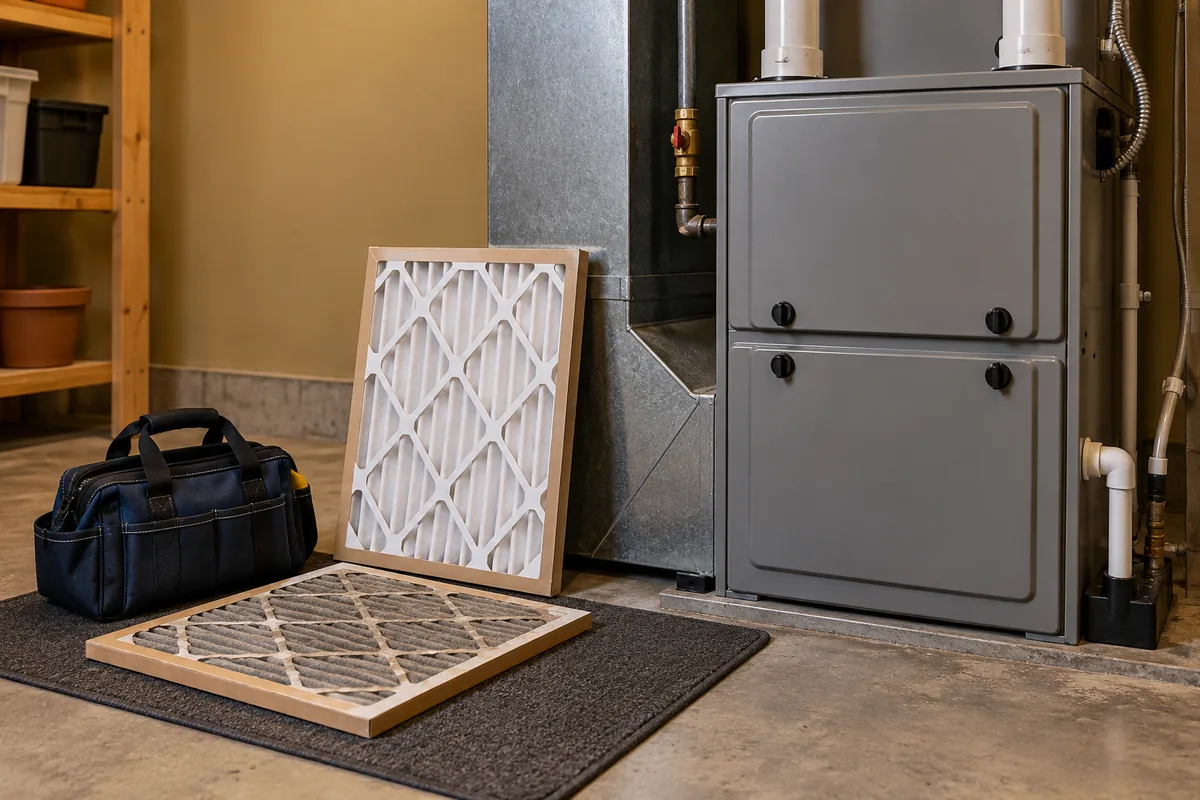
For a furnace, tell us whether it starts, stops early or runs without useful warmth. Heat pumps need the operating mode as well, since they can provide heating and cooling. Our heat pump repair service covers those systems. Explain which mode works poorly and whether the other mode still responds.
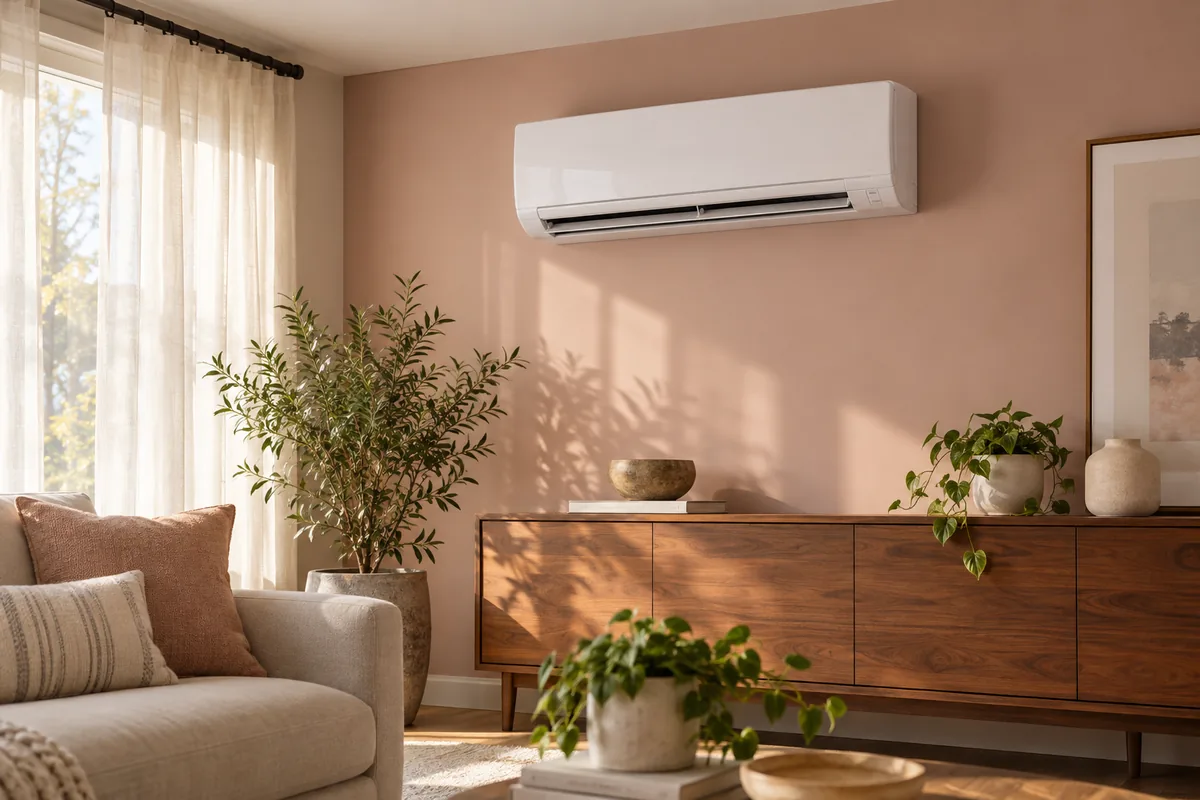
For ductless equipment, identify the indoor units that have trouble. Include any visible messages and the rooms each unit serves. If separate HVAC systems serve different parts of the property, keep their complaints distinct. That helps avoid treating a working system and a faulty one as the same repair request.
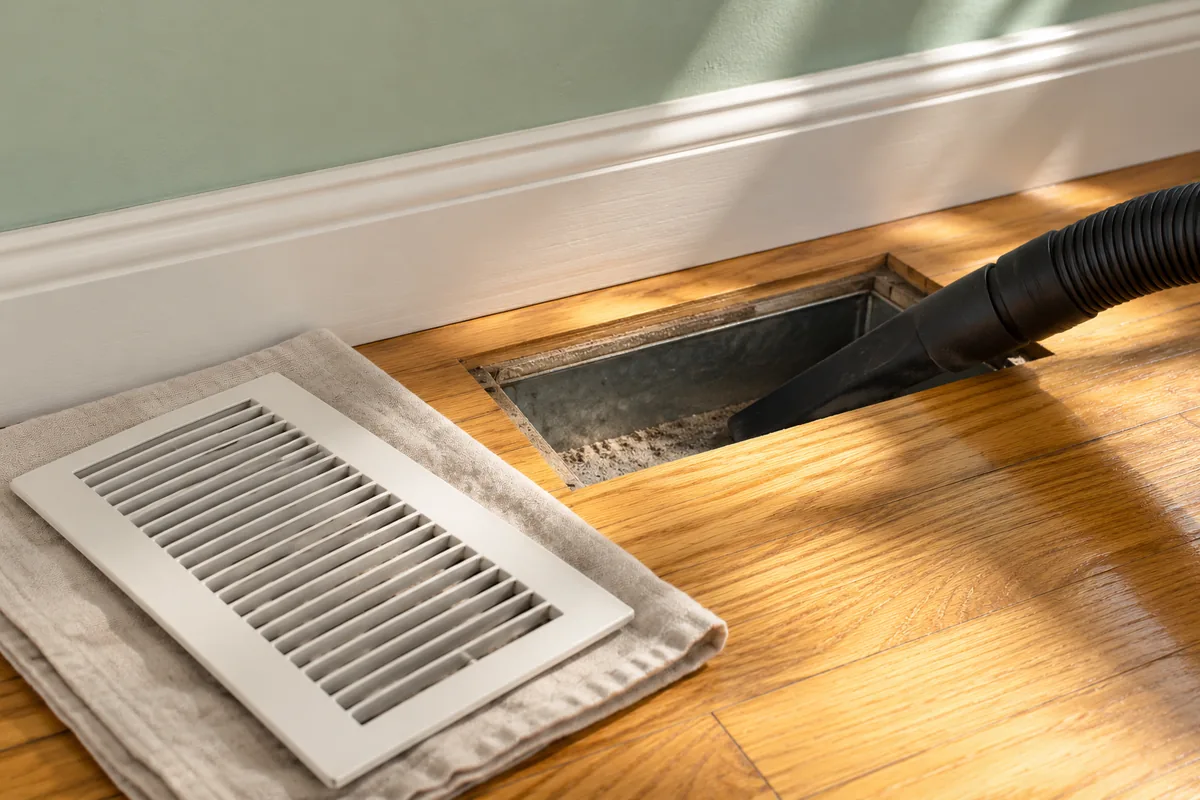
Airflow also needs a location and a pattern. Tell us whether it has weakened throughout the property or only near one room. Mention whether the change lasts through the full run or appears only at certain times. Those observations are useful, but they do not identify a failed component on their own.
Equipment Faults and Remaining Room Comfort Problems
Restoring equipment operation may leave a separate room-comfort issue. Ask how the findings relate to each concern you reported and what the proposed repair will address.
One fault may need repair before the next operating stage can be checked. An intermittent problem may instead require further observation. The technician can explain what the visit established and which question remains.
Repair Price, Parts and Replacement Choices
Review the proposed work and price with the diagnosis. Ask which tasks address the current failure, which are optional and whether the plan requires more than one step.
Same-day appointments may be available. Parts or access issues can require a return visit. We explain what remains and the purpose of the next appointment.
If the current problem leads to a replacement discussion, our HVAC installation and replacement services cover that separate project. Compare the specific repair with the proposed system change. A repair does not turn older equipment into a new high-efficiency system. Likewise, a new system proposal needs its own scope and fit review.
Previous Repairs, Operating Checks and Recurring Faults
Share earlier repair details and explain what improved or changed afterward. A familiar symptom still needs assessment of the present condition.
After the work, discuss the operating check and any room or mode that still needs attention. Keep the completed work and follow-up plan.
If a concern returns, record the timing, settings, affected rooms and any display message. If the wall control appears unresponsive, our thermostat repair & installation service can assess it and the connected equipment.
Contact HVAC & Appliance Repair Guys to request HVAC repair in Salem and describe the main failure and any related room or equipment symptoms.
Frequently Asked Questions
Which problem should I describe first if there are several?
Start with the change that prompted the service request, then describe the other symptoms and their timing. Explain what still works as well. The technician can assess the relationships without assuming that every observation comes from one fault.
Does a repair guarantee that the whole home will feel the same?
The result depends on the confirmed fault and any separate room or system concerns. Ask how the repair relates to the areas you reported. A repair does not guarantee the same result in every space.
Can I discuss replacement after learning the repair findings?
Yes. Compare the current repair with a separate installation proposal that defines the equipment and work involved. Consider the condition of the existing setup and the comfort needs you want to address.
What if the symptom changes before the return visit?
Note the new behavior and share it with the earlier findings. Include changes in the operating mode, affected rooms or display message. That information helps keep the next visit focused on the current condition rather than an outdated description.
Request HVAC Repair in Salem, OR
For hvac repair in Salem, OR, call HVAC & Appliance Repair Guys or submit a service request through the form on this page.