



AC Repair in Salem, OR
HVAC & Appliance Repair Guys provides AC repair in Salem, OR for equipment that will not start, blows warm air, loses airflow or develops ice or water problems. We assess the installed system and explain the repair options before you approve the work.
Tell us what changed, where you notice it and whether cooling stopped suddenly or declined over several runs. You do not need to identify a failed part before arranging service.
Cooling Equipment and the Rooms It Serves
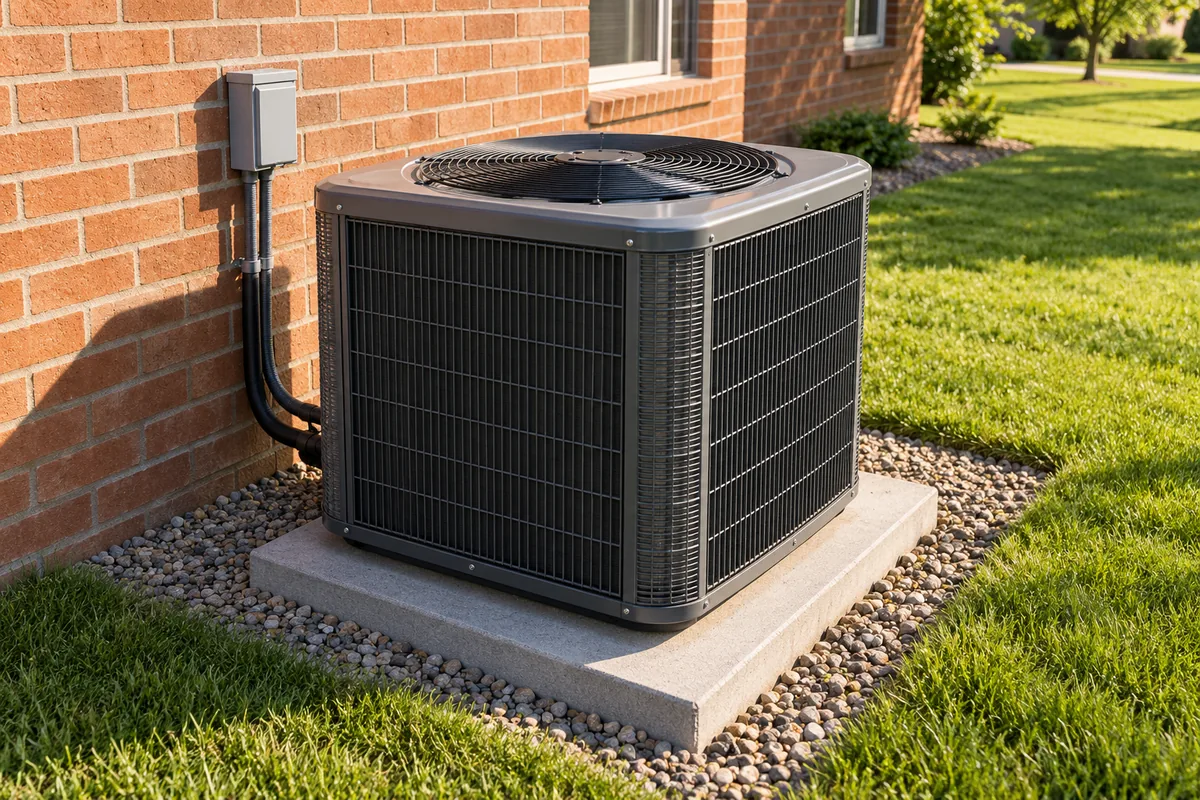
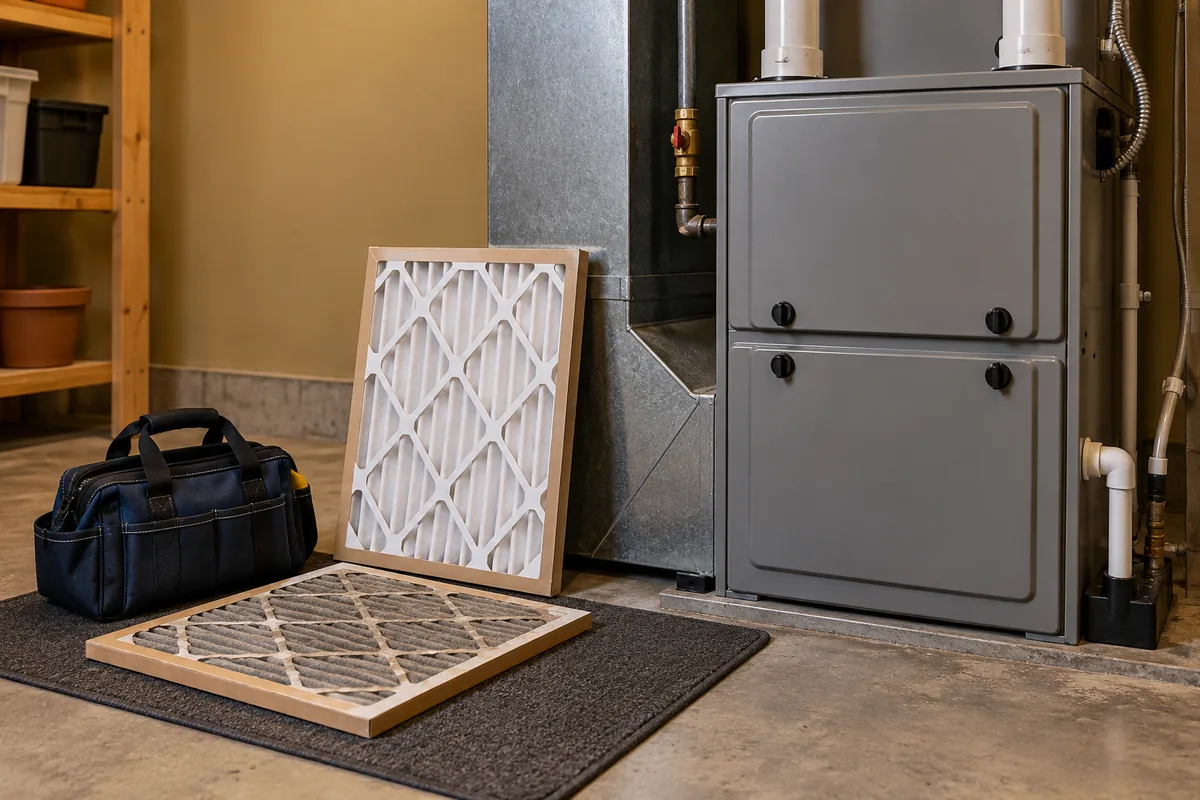
A central split air conditioner has indoor and outdoor components. The indoor side moves air across a cooling coil; the outdoor side releases heat. Looking at one fan does not establish the condition of the entire system. A diagnosis may therefore need access to both sides, even if the complaint seems to come from only one location.
If the property has several cooling systems, identify the rooms and thermostat associated with the affected unit.
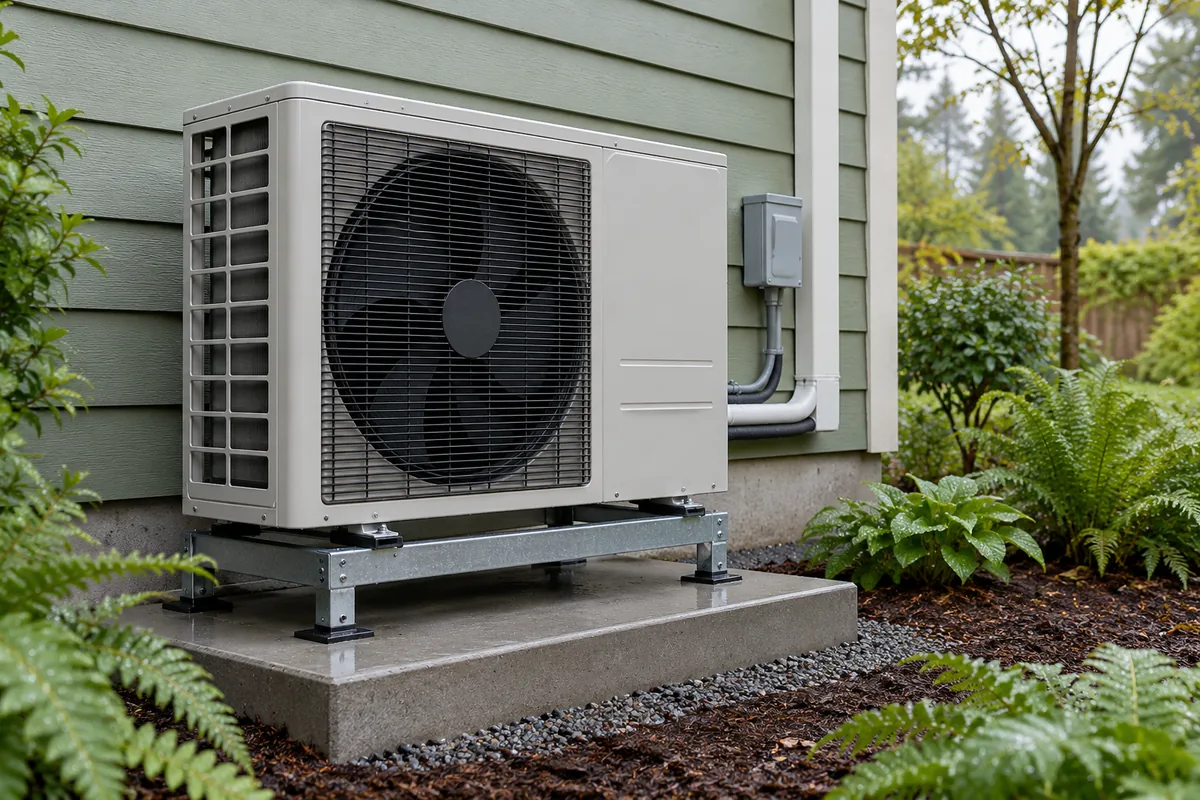
A heat pump can also provide cooling, although its role includes heating. Our heat pump repair service covers that equipment-specific request. If you know that one mode works and the other does not, include that observation. You do not need to force repeated mode changes to demonstrate the difference.
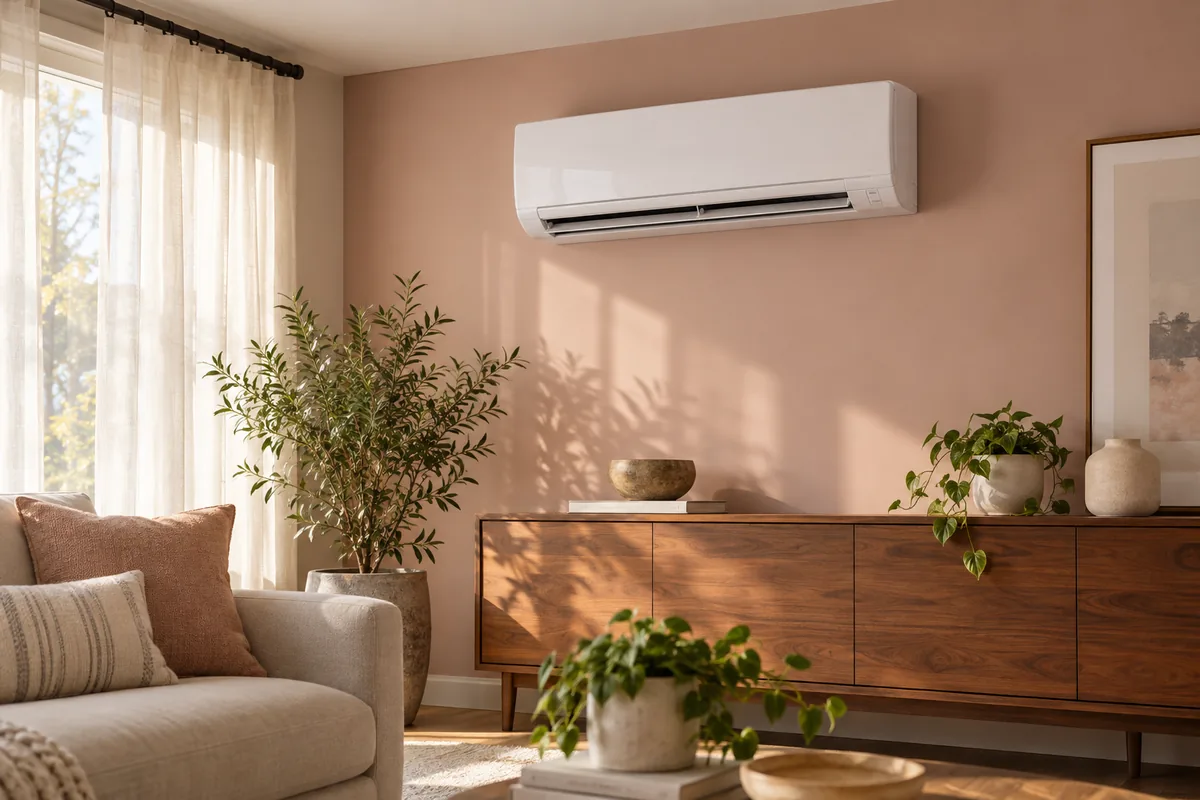
For room-based equipment, name the indoor unit with trouble and whether other rooms still cool. Share safely visible model information and leave covers in place.
No Response, Warm Air or a Blank Display
A system that does not respond to a cooling request presents a different starting point from one that runs but leaves the home warm. Note what the thermostat displays and whether you hear or feel any response. The technician compares the setting with the equipment response. Silence alone does not prove that the compressor has failed.
Air moving from the vents does not always mean that active cooling is taking place. On some controls, a separate fan setting can keep the blower running between cooling cycles. Tell us whether the rooms reach the selected temperature. That result matters alongside the feel of the vent air at a single moment.
A blank display is also different from a working display with no cooling response. The control power arrangement and the equipment setup affect the diagnosis. Describe a screen that stays dark, returns briefly or shows a message. Do not open wiring covers or replace the thermostat simply to test an assumption about the fault.
If the unit repeatedly trips a breaker, stop using it and arrange an assessment. Do not keep resetting it to force another start. A burning smell or visible damage also needs prompt attention. Keep clear of the equipment and leave internal electrical testing to the technician.
Cooling Loss During a Run
Tell us whether cooling stays poor from startup or begins normally and fades during a run. That pattern helps guide the equipment checks.
Notice whether the airflow changes at the same time as the temperature. If the flow weakens before cooling fades, keep that sequence in the account. If airflow stays strong but no longer feels cool, describe that instead. These observations help distinguish air movement from the system’s ability to remove heat.
Frequent stops before the rooms reach the chosen setting are another useful detail. A short run can involve controls, airflow or other equipment conditions. There is no single repair that follows from the phrase “it keeps stopping.” Tell us whether the indoor fan also stops and whether a visible message accompanies the change.
For intermittent faults, note the setting, room temperature and approximate time during normal use. Do not repeatedly restart equipment to reproduce the problem.
Uneven Room Cooling and Air Delivery
If one room stays warm while the rest of the home cools, identify that space and whether the difference is new or long-standing. Mention any recent change in the room or its airflow.
In a ducted system, the air path connects the cooling equipment to the rooms. Restrictions or other air-delivery problems can affect comfort even when the equipment produces cool air. The assessment needs to relate the system response to the space where you notice the problem. A larger outdoor unit is not a diagnosis for a warm room.
Mention a filter-type change, a covered return grille or a room rearrangement that preceded the concern. These details provide context without requiring you to investigate hidden ducts. Do not enter a crawl space, remove duct sections or change concealed dampers to prepare for the visit. Ordinary observations are enough to start the discussion.
If the same room has trouble during heating operation, include that history as well. Our HVAC repair service in Salem covers the broader request when shared heating and cooling equipment needs attention. The proposed AC work should still explain which part of the cooling complaint it addresses.
Coil Ice, Condensate and Indoor Leaks
Visible ice on cooling components can accompany low airflow or a refrigerant-side problem. The symptom does not make one cause certain. Stop cooling operation and arrange an assessment rather than trying to force the unit to keep working. Do not chip ice from tubing, heat it with a tool or open the cabinet to reach a coil.
Water near the indoor equipment may involve the condensate drain, its collection pan or melting ice. Describe where the water first appeared and whether you also noticed a loss of cooling. Keep clear of wet electrical equipment. A puddle near a cabinet does not establish the source, and clear water is not proof of a refrigerant leak.
Mention water that appears after the system stops. A drain repair and work to correct coil icing address different causes, so the sequence matters.
Describe any earlier leak repair and whether the wet area moved, the leak stopped temporarily or cooling changed at the same time. Do not pour chemicals into an unknown drain or try to clear it with an improvised tool.
New Sounds and Display Messages
For a new hum, rattle or click, describe where it comes from and whether it occurs at startup, during a run or at shutdown. Include whether cooling changed; sound alone does not identify a failed part.
Copy any safely visible message exactly and identify the device displaying it. Code meanings depend on the equipment and controls.
A short recording from a safe location can help explain an intermittent sound. There is no need to remove a guard, approach a moving fan or reach inside equipment. Do not push a stalled fan blade to make it turn. If the unit hums without starting normally, stop using it and arrange a review.
Mention relevant earlier work and what improved afterward. A prior repair can help explain the history without establishing the present cause.
Repair Findings, Parts and Price
The technician explains the fault and how the proposed work addresses it. If the cause remains uncertain, ask what further testing or observation is needed.
Part selection depends on the exact model and installed arrangement. Ask what the replacement includes and whether a return visit is needed.
Warm vent air alone does not justify a refrigerant refill. If testing identifies a low charge, discuss the cause and what the proposed work addresses. Refrigerant work needs a diagnosis rather than an assumption that routine replenishment is due.
Review the price and included work before approval, including any initial testing stage and separate care recommendation.
Repair, Routine Care or Replacement
Routine AC maintenance provides planned equipment care. Report an active cooling failure, repeated freeze or indoor leak as a repair concern even when maintenance is also due.
Equipment condition, earlier faults and the proposed repair help frame the choice. Age alone does not establish the best option.
An AC installation estimate defines a separate replacement project if you want to compare options. The on-site estimator visit for installation or replacement is free. Repair diagnosis remains a separate service with its own terms.
Compare the work in each proposal: a repair may address one fault, while replacement may change several components. Ask which indoor equipment, outdoor equipment and controls remain, and how the plan addresses longstanding room-comfort concerns.
Safe Access, Timing and Post-Repair Checks
Provide the service address and describe how to reach the indoor equipment, outdoor unit and thermostat. Mention locked gates, shared access or rooms that require advance arrangements. Clear a practical route and keep pets away from the work area. There is no need to move heavy equipment or enter an unsafe space to prepare.
If someone else approves repairs, arrange a way to reach them during the visit.
Same-day service is subject to availability and does not guarantee repair completion that day. Parts, access and further testing can affect timing. If another visit is needed, discuss the remaining work, prerequisites and next appointment.
Before the visit ends, ask whether the system can return to normal use and whether further checks are needed. For a fault that develops after a long run, ask how the completion check covered that pattern.
Request AC repair in Salem from HVAC & Appliance Repair Guys and describe the affected equipment, current cooling problem and any ice, water or shutdowns.
Frequently Asked Questions
Can a photograph establish the final repair price?
A photo can show equipment or symptoms, but some checks require an on-site assessment. A similar-looking leak or damaged area can have different causes. We need enough findings to define the work before a final repair price can be meaningful.
What if the air conditioner has no readable model label?
Tell us that the label is missing or hard to read. Share any existing equipment record that you already have, without removing panels or moving the unit. Identification may require more attention during the assessment, especially if the repair needs a model-specific component.
Can I request a diagnosis without agreeing to replace the system?
Yes. A repair assessment and a replacement project are different decisions. Confirm the terms of the diagnostic visit and review its findings first. Any replacement proposal needs its own scope and approval.
Should I postpone the visit if the AC starts working again?
Let us know what changed and discuss the appointment in light of that information. A temporary recovery may leave the original cause unknown. Keep any notes from the earlier failure. The technician can explain what an assessment can establish without the symptom.
What should I tell you about a second cooling unit at the property?
Identify which system has the current complaint and whether you want the second one included in the service request. Separate equipment can involve separate assessment work. Agree on the equipment the visit will cover before the appointment.
Request AC Repair in Salem, OR
For AC repair in Salem, OR, call HVAC & Appliance Repair Guys or submit a service request through the form on this page.