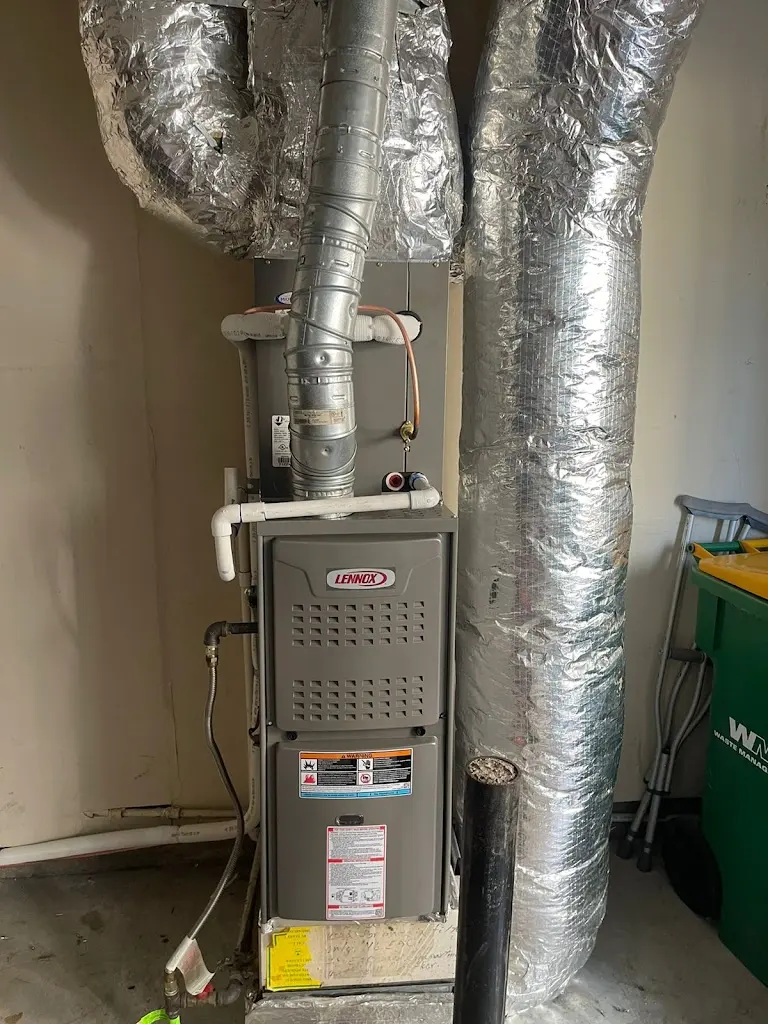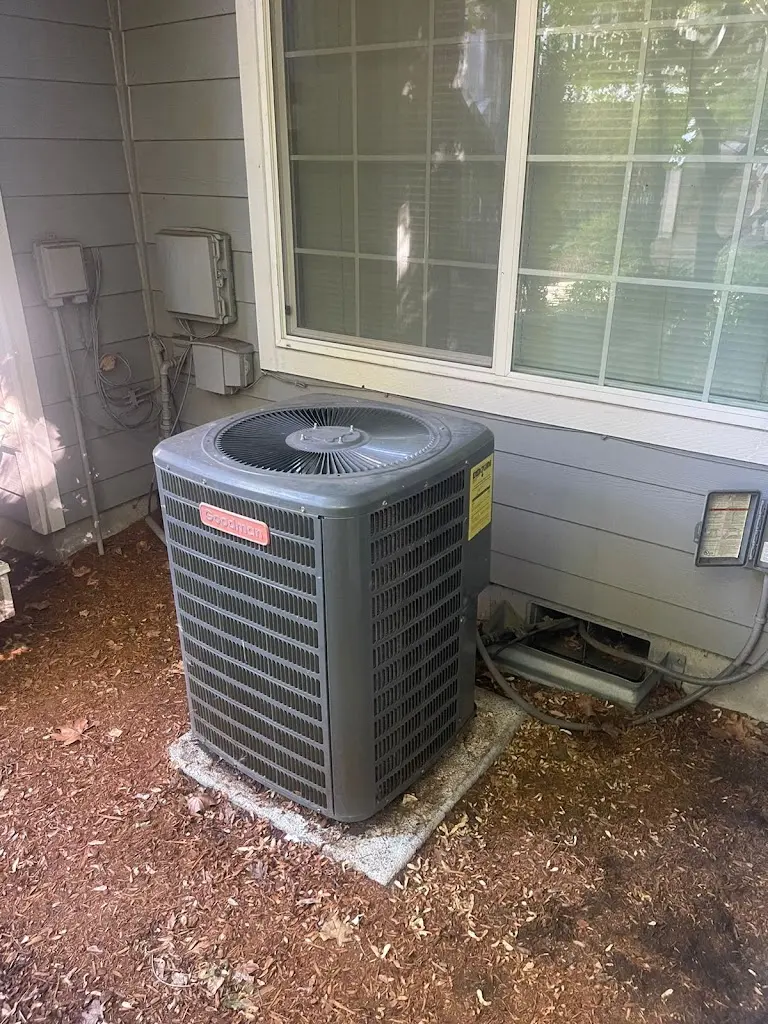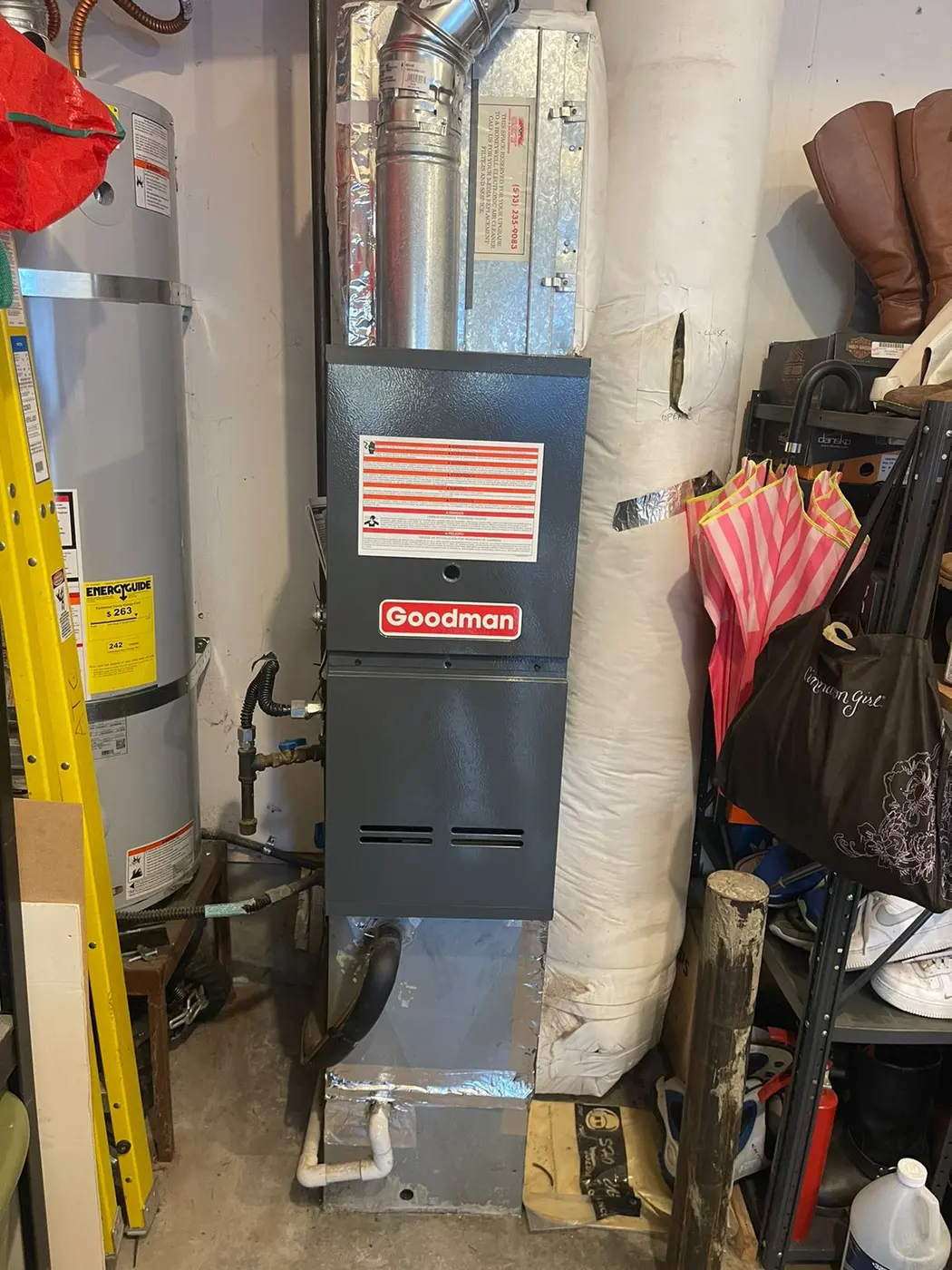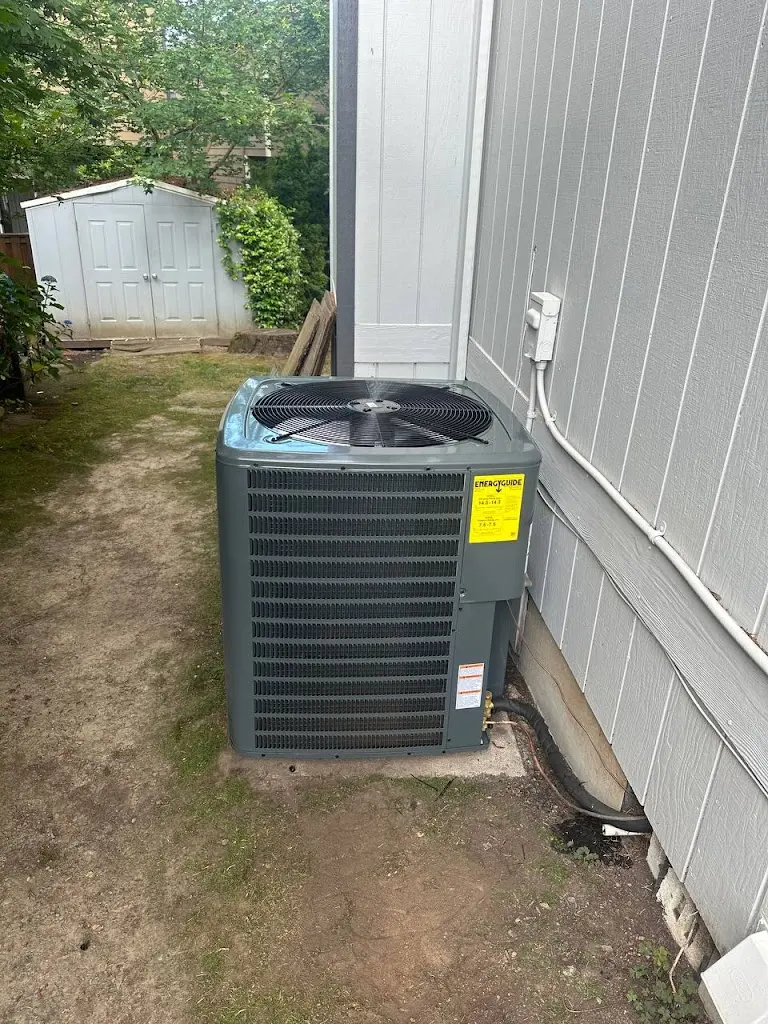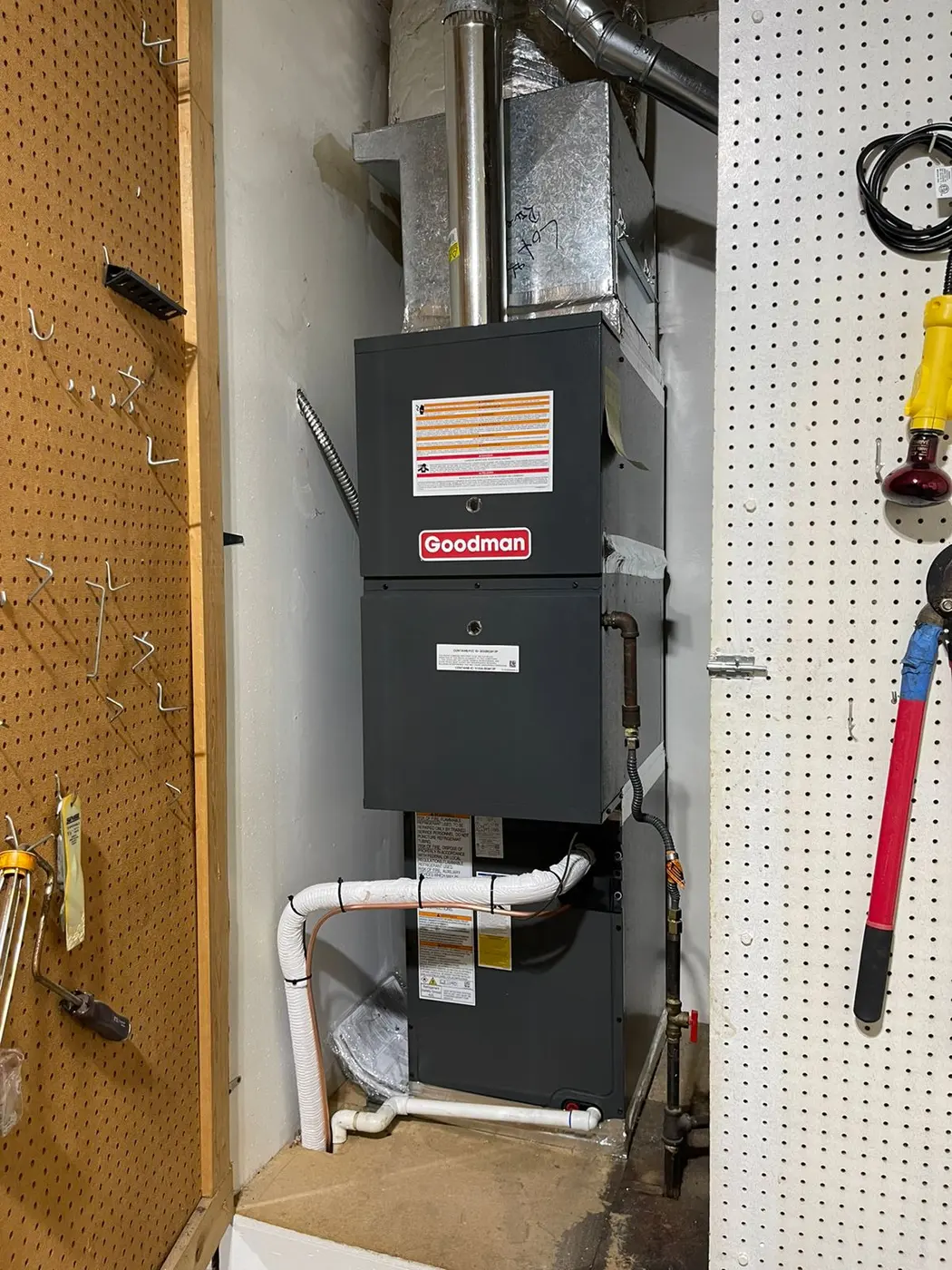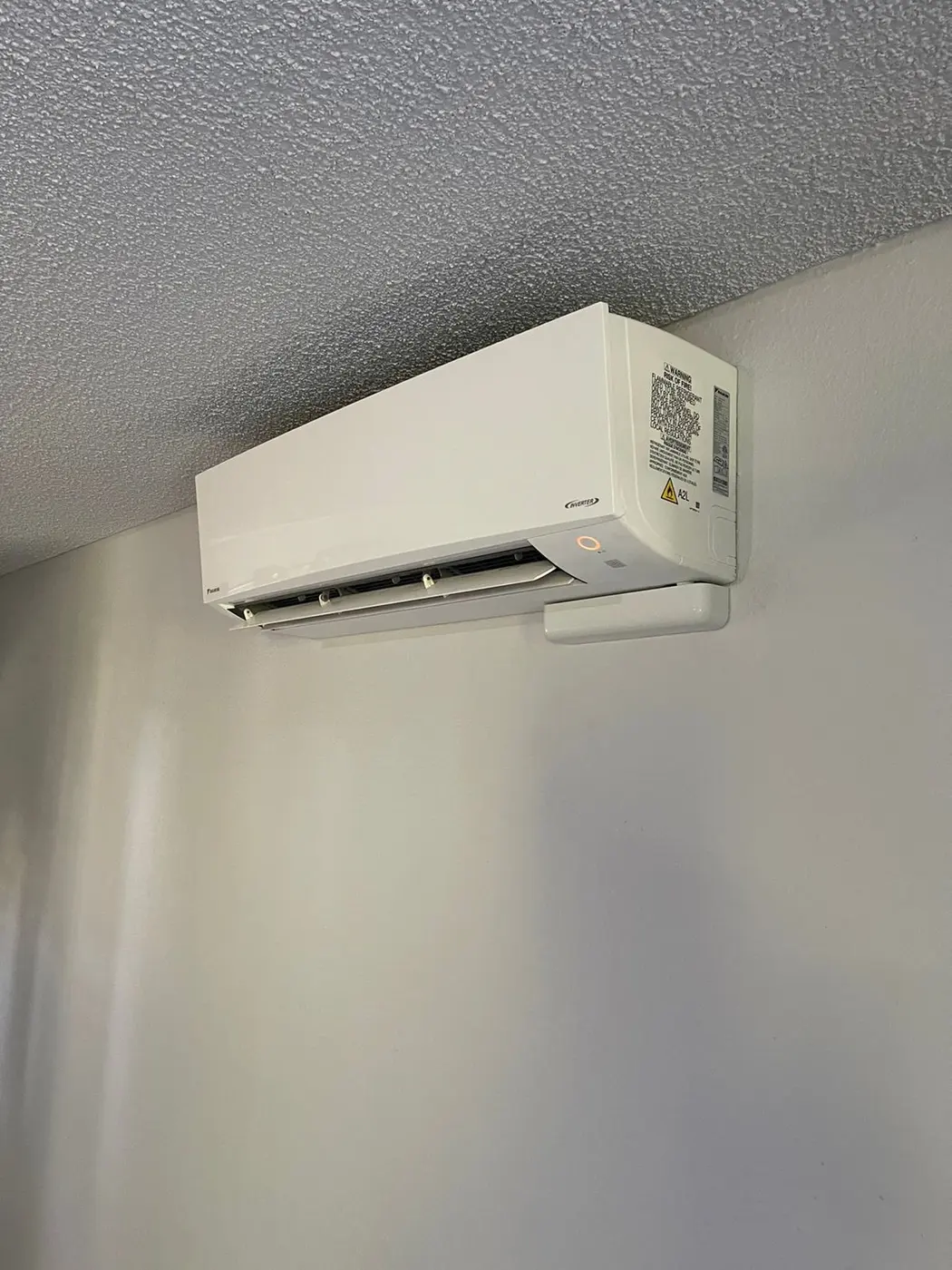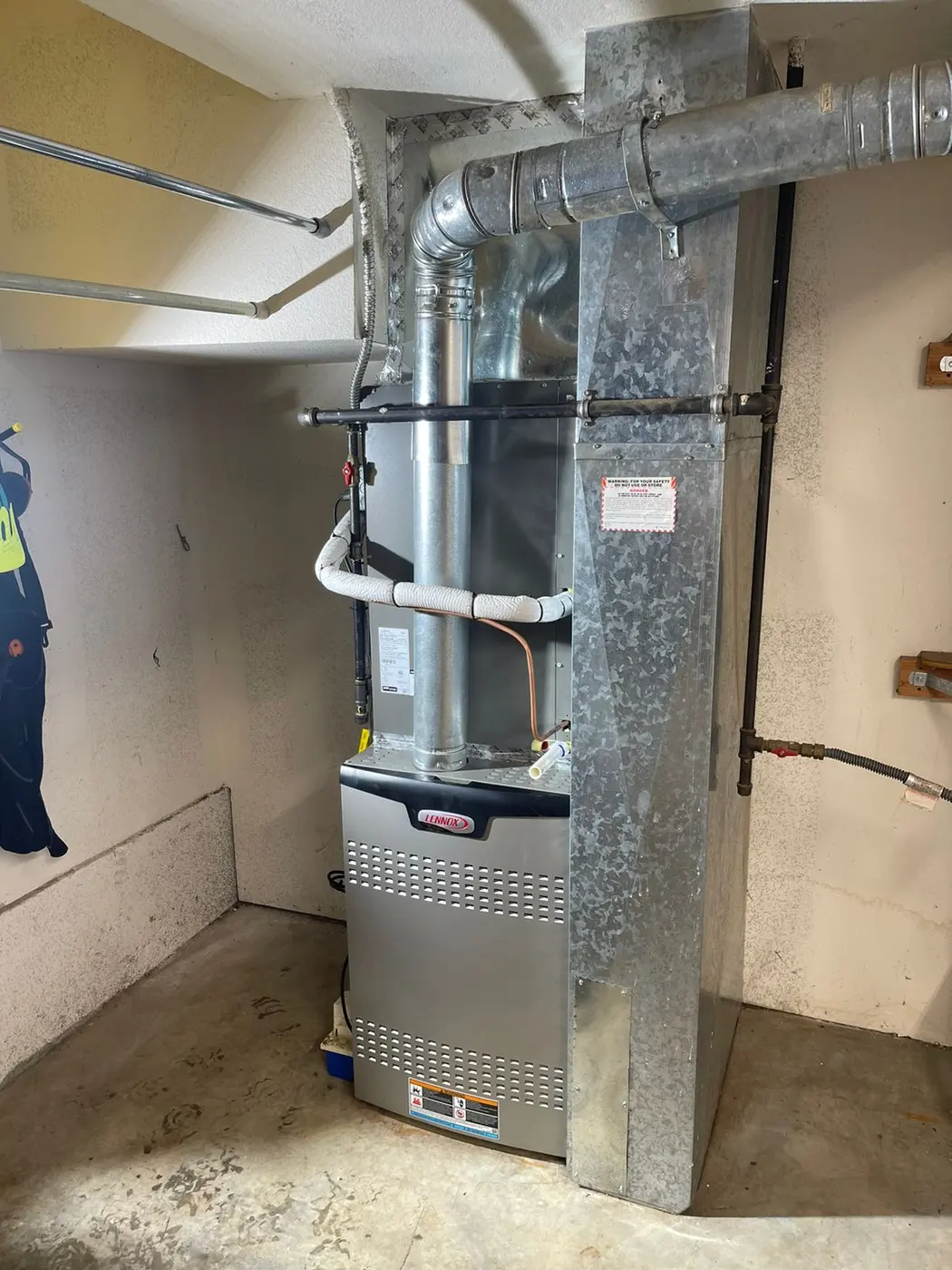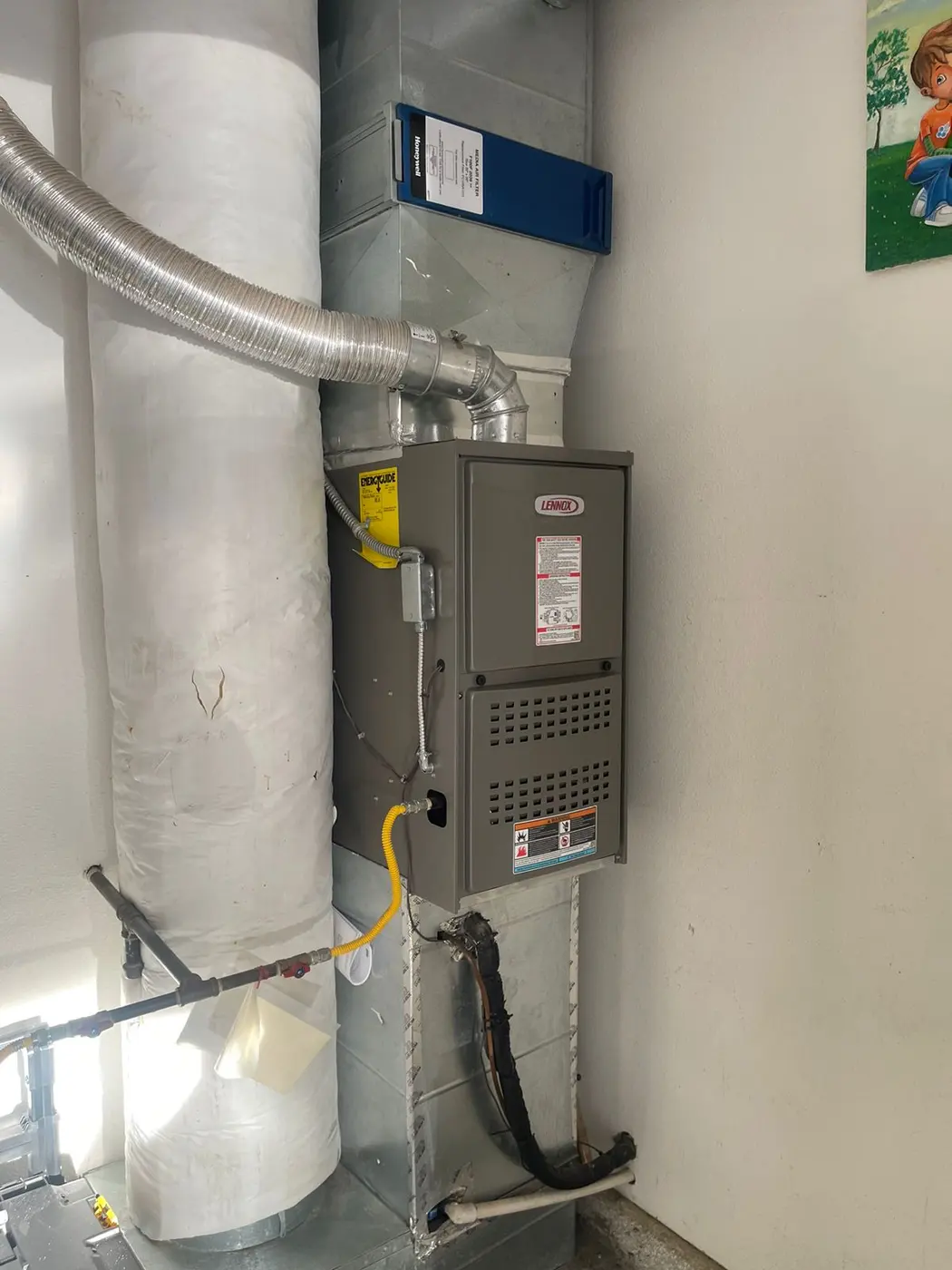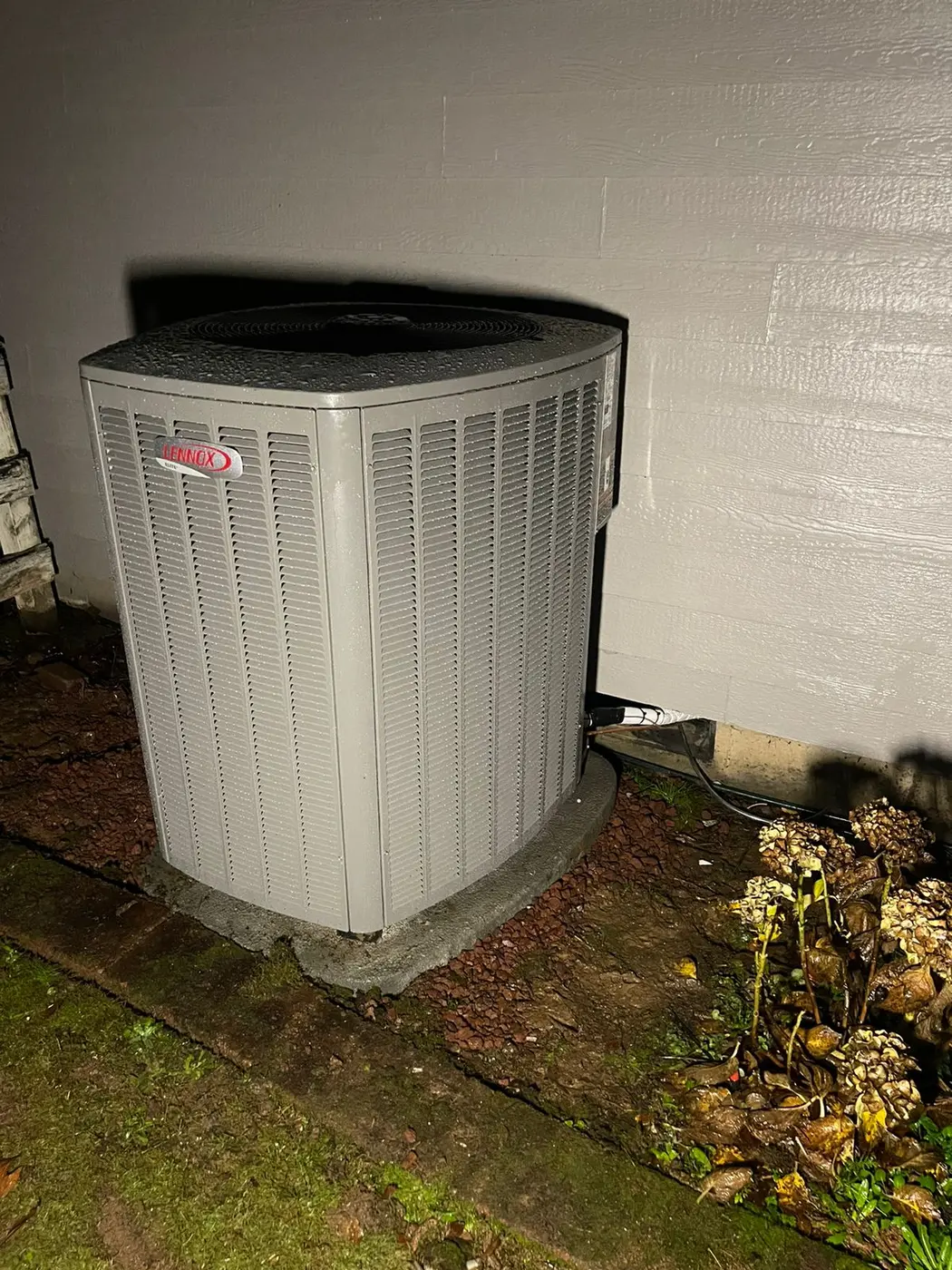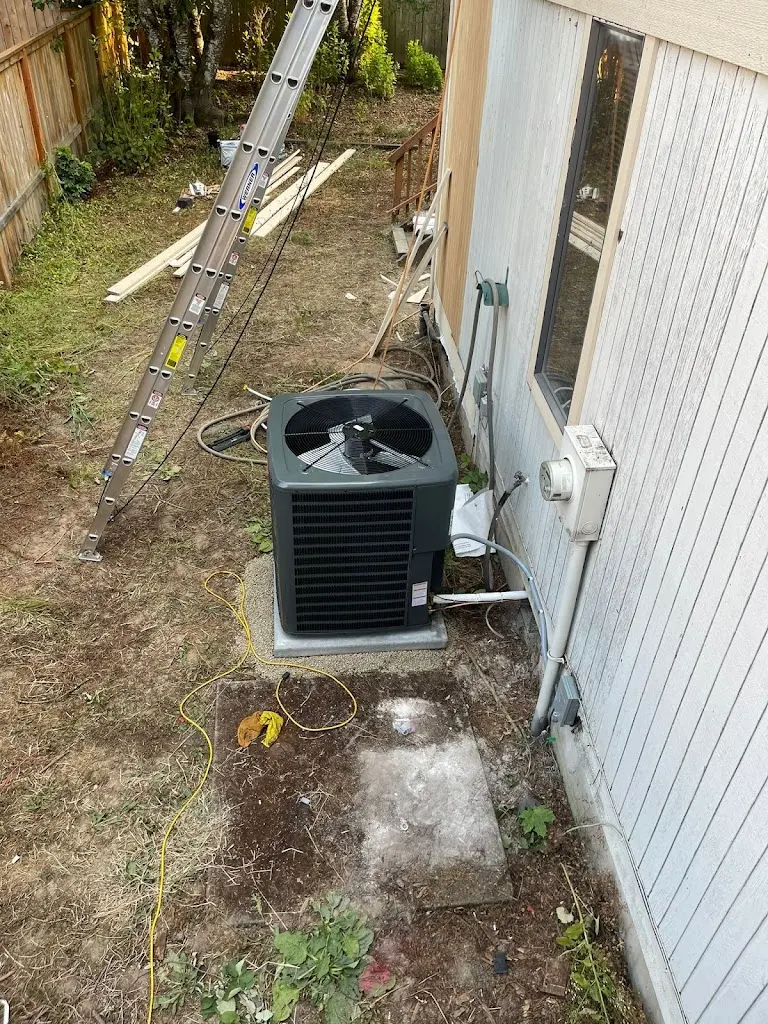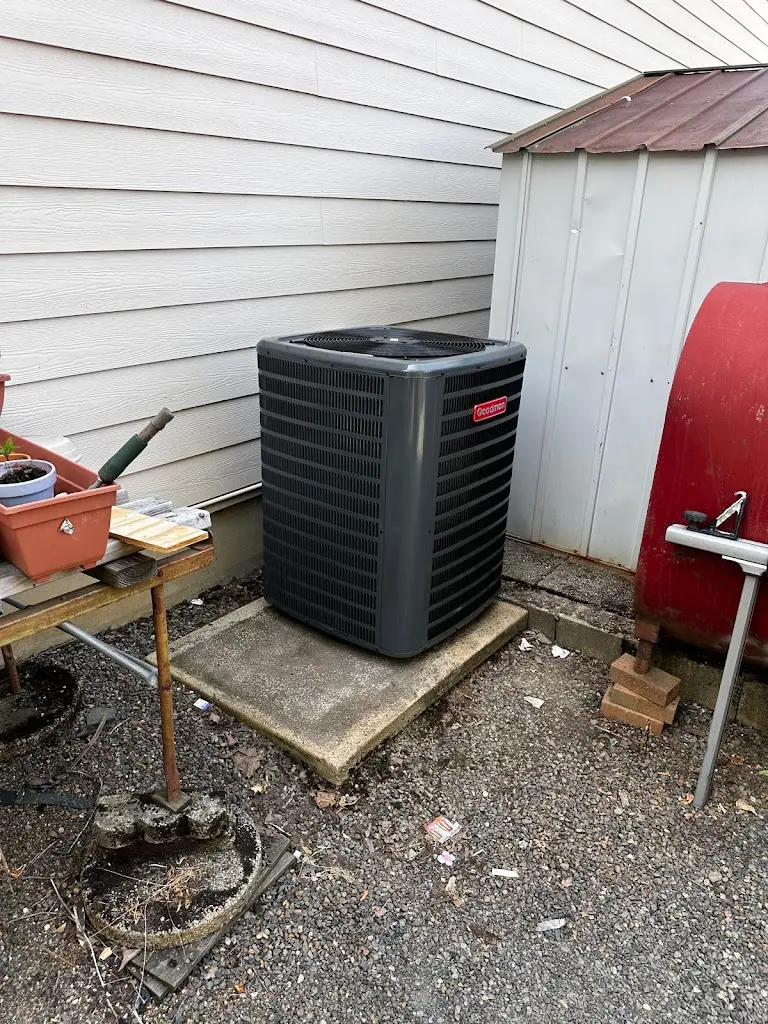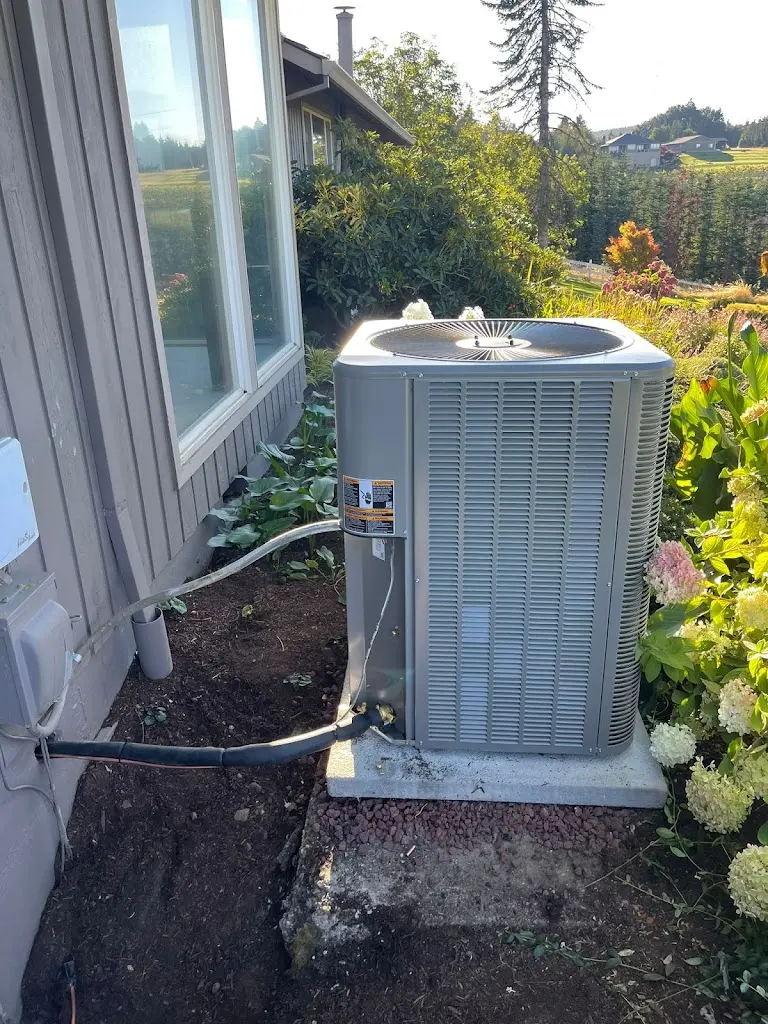




HVAC Installation in Salem
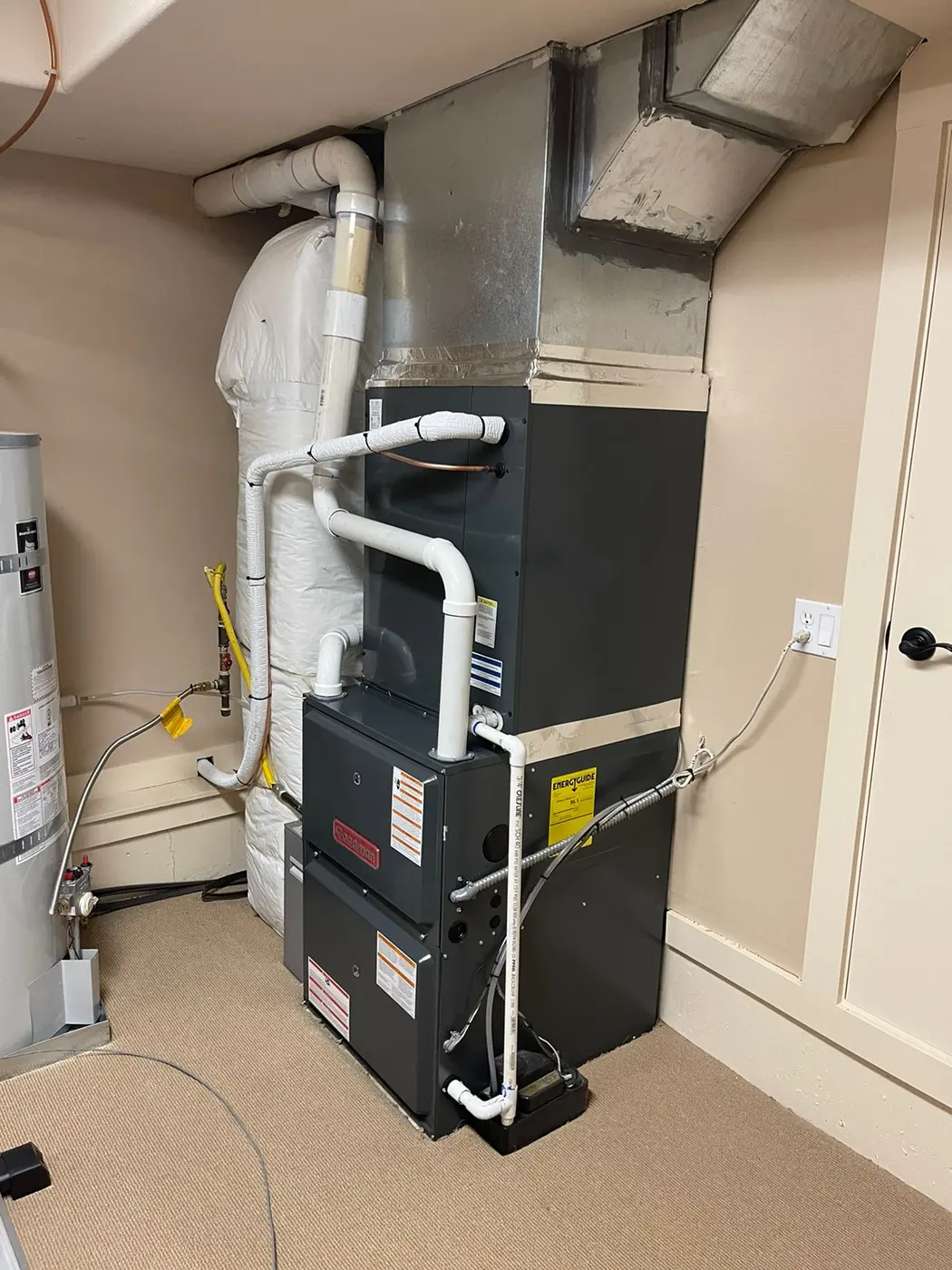
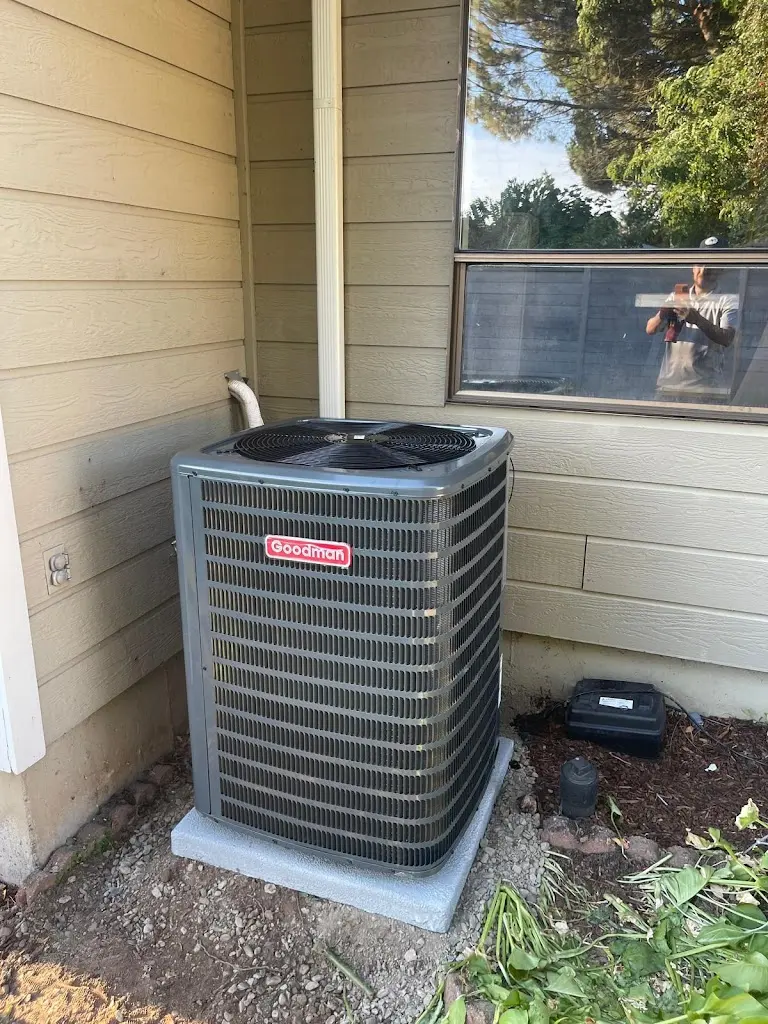
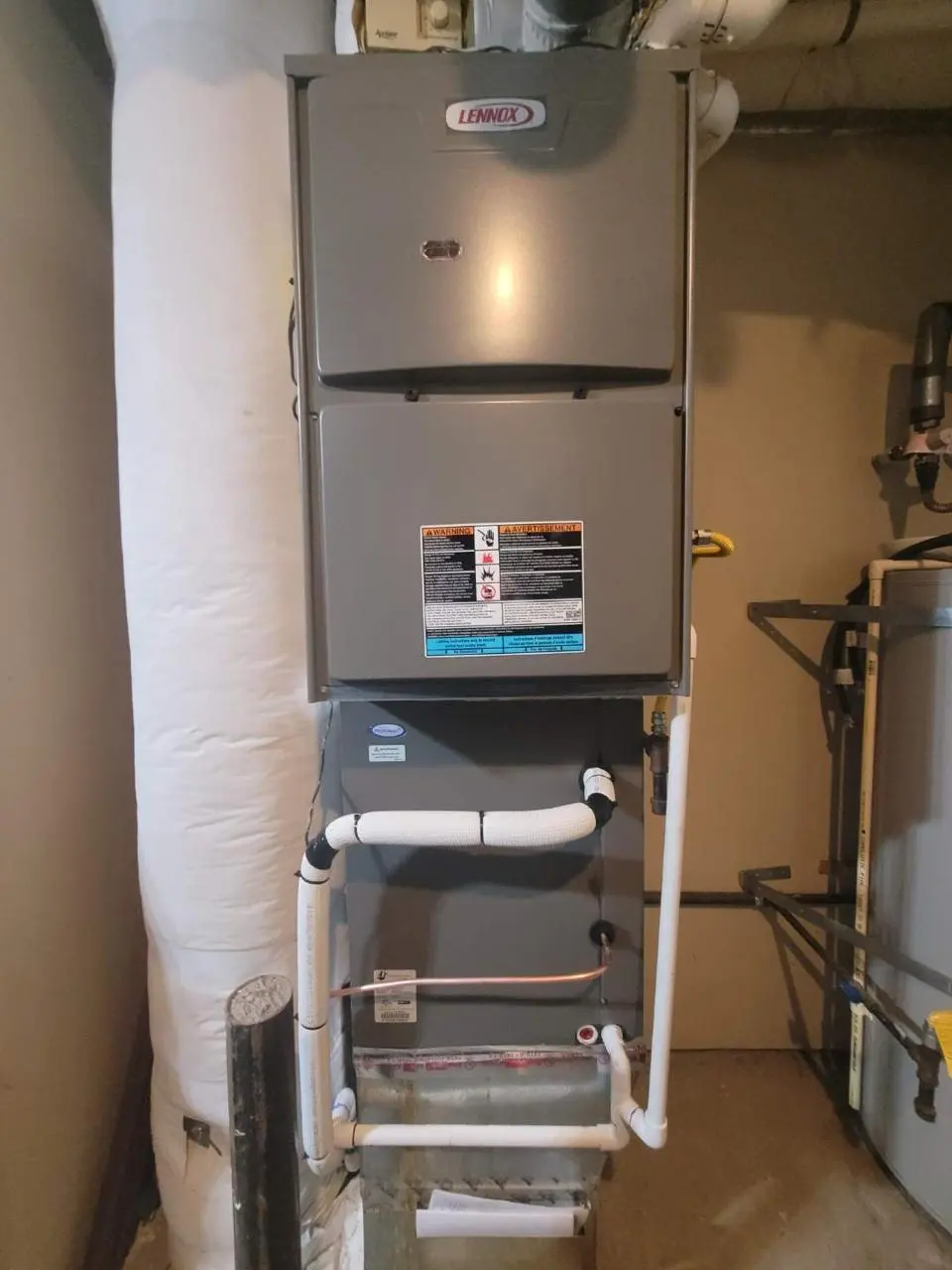
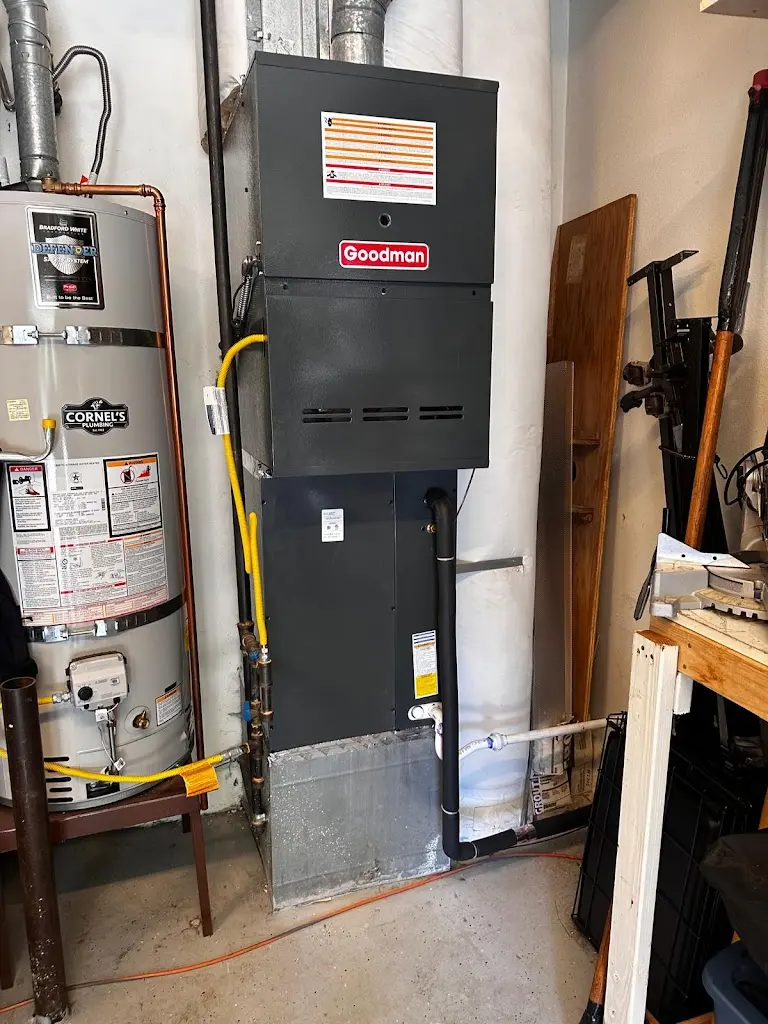
HVAC & Appliance Repair Guys provides HVAC installation in Salem, OR, including replacement of existing heating and cooling equipment. Begin with the result you want from the project. You may need to replace a failed unit, add a function the home lacks or change how certain areas receive comfort. The proposal should identify that purpose before it narrows the choice to a model.
We offer a free on-site estimator visit for installation and replacement. Use the visit to explain the present setup and the problems you want the change to solve. Include any parts that still work well.
Our HVAC installation overview describes the regional service. At your Salem property, the proposal needs to identify the equipment, areas served and connections involved, and how that work addresses your goal before you approve the price.
AC, Heat Pump and Room-Based System Options
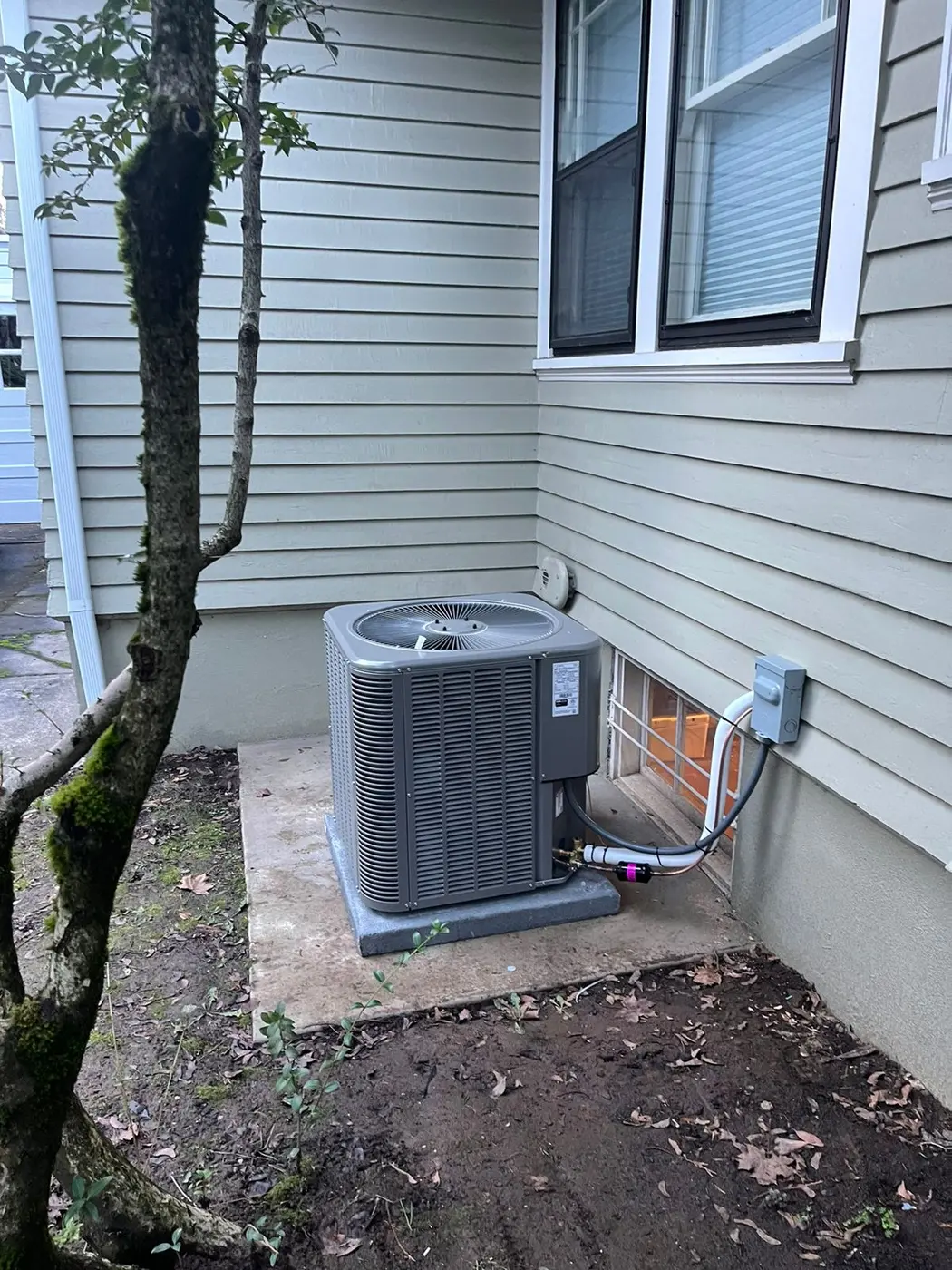
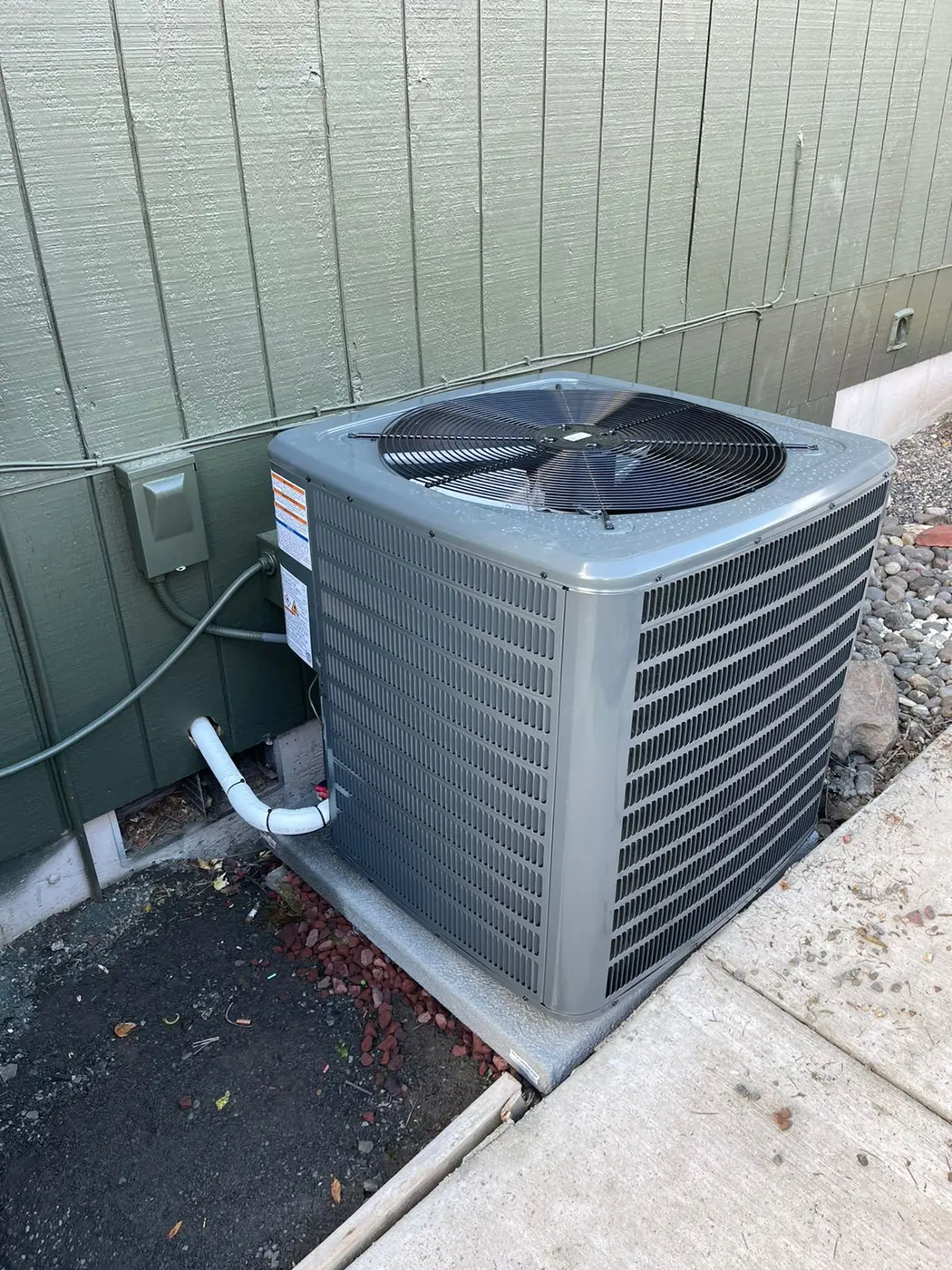
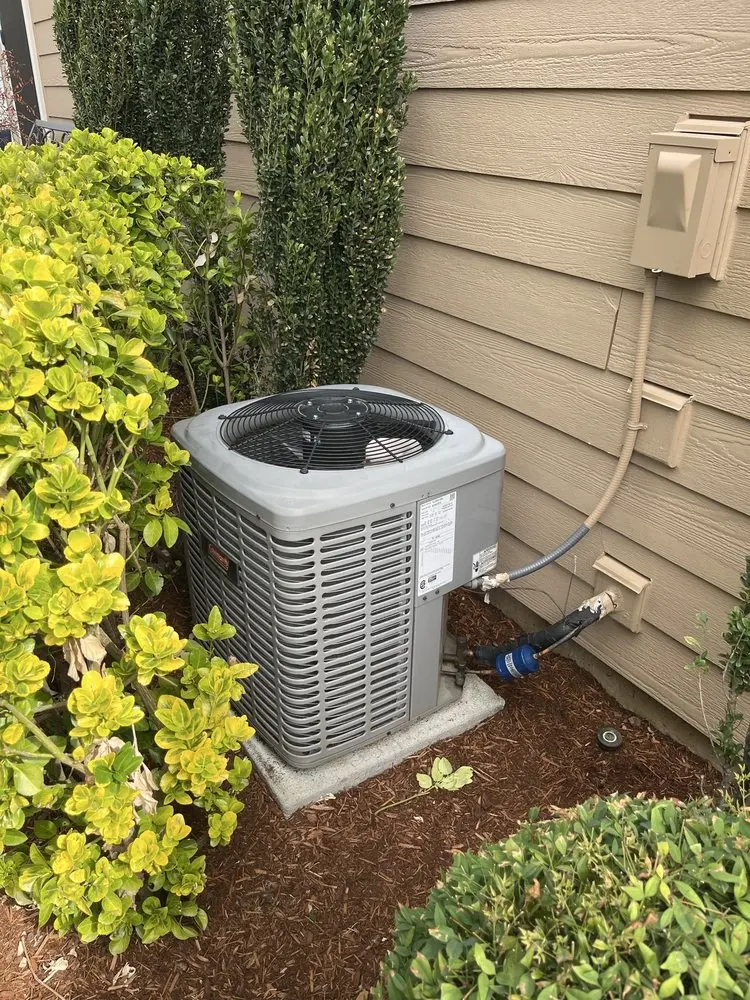
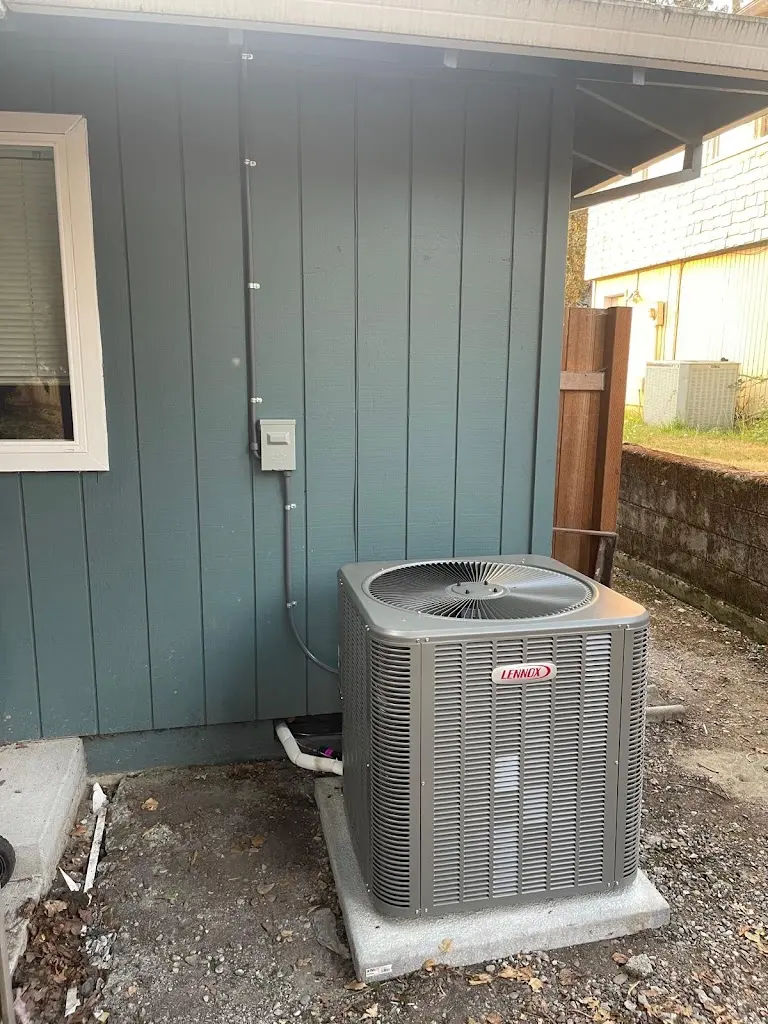
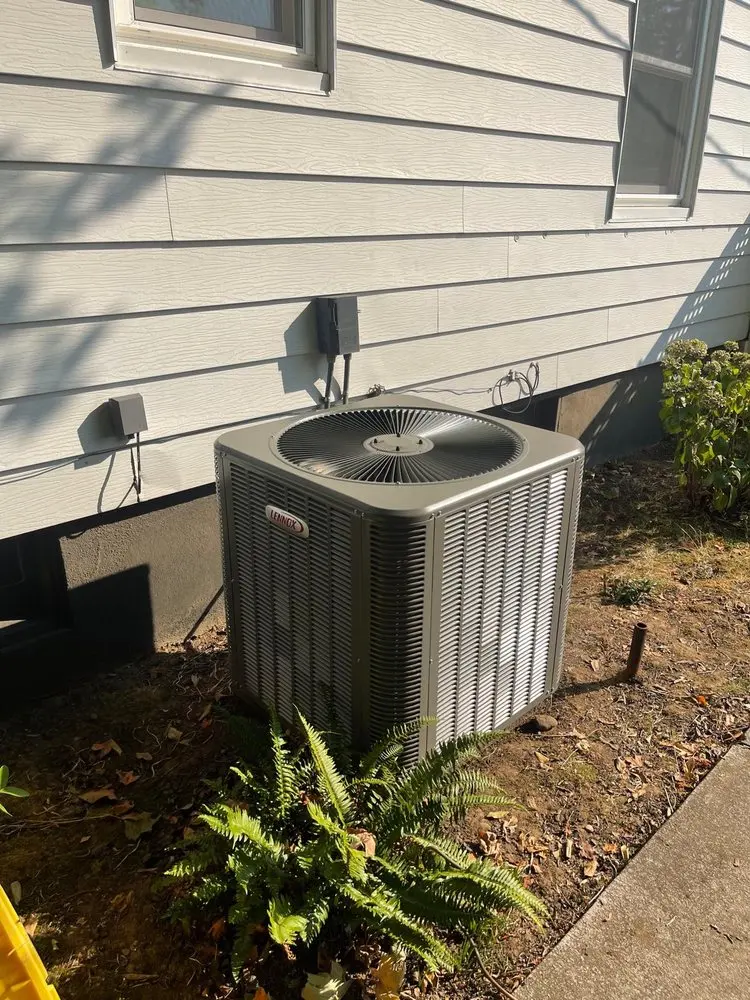
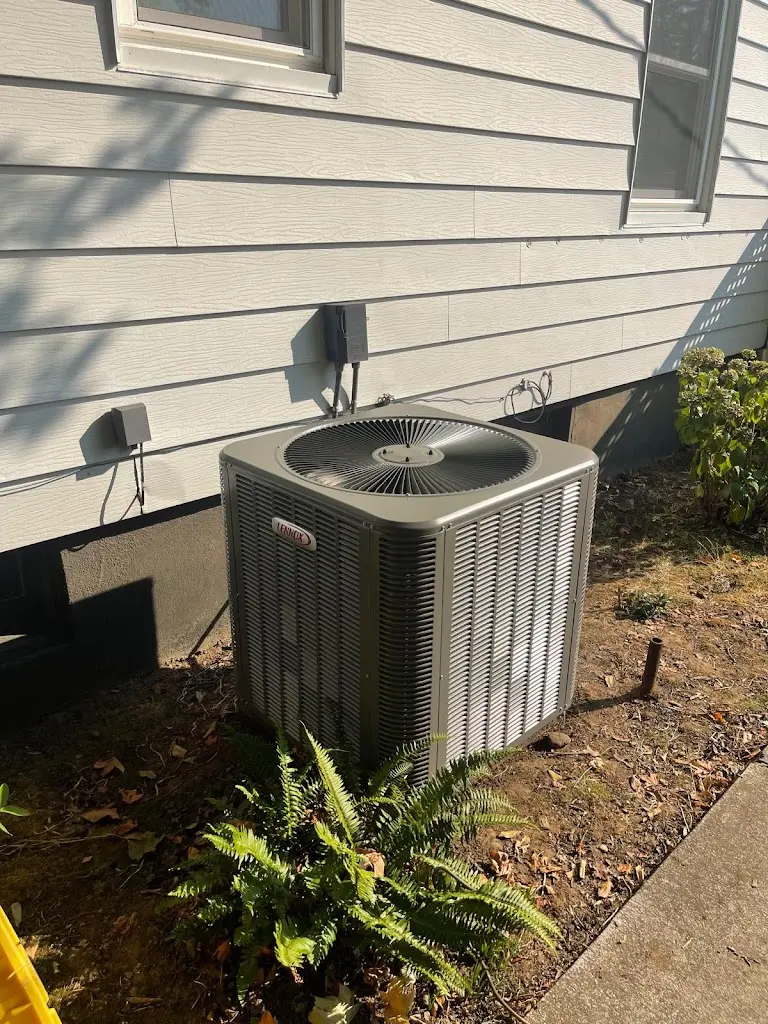
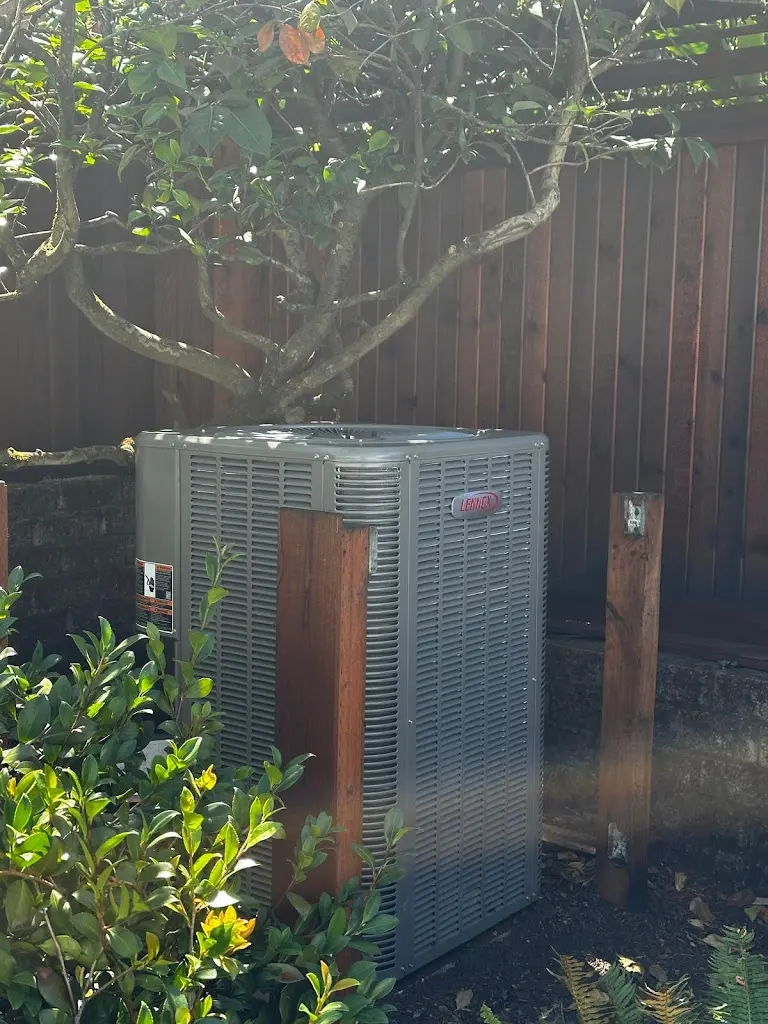
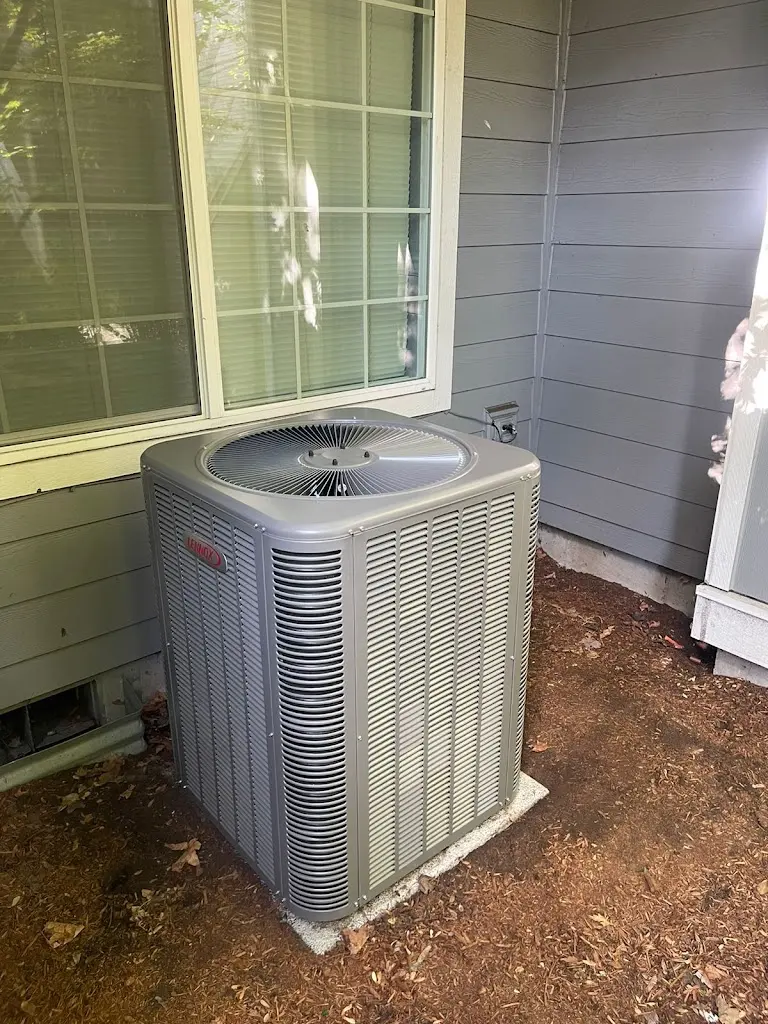
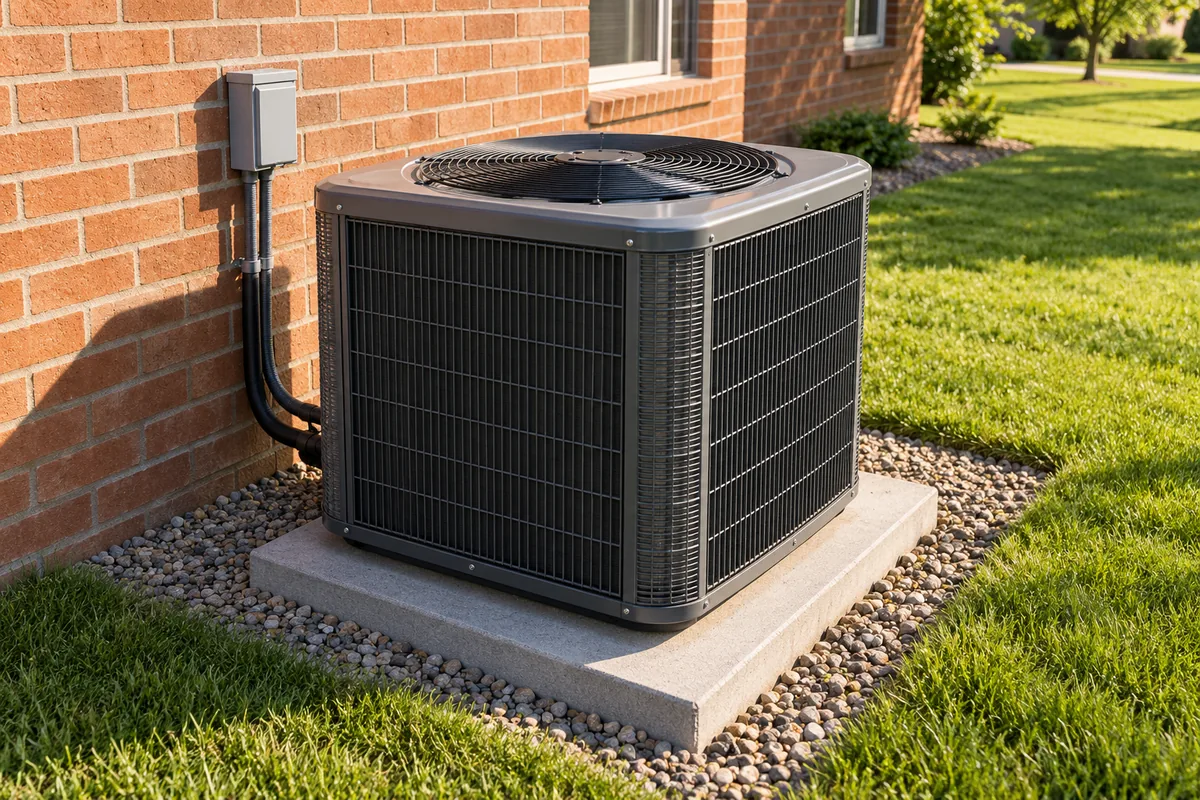
A cooling-only project and a replacement that changes both heating and cooling may involve different work. Our AC installation service covers the cooling side of that choice. Ask which indoor equipment and controls the proposed unit would use. A working heat source does not by itself show that every retained component suits the new cooling equipment.
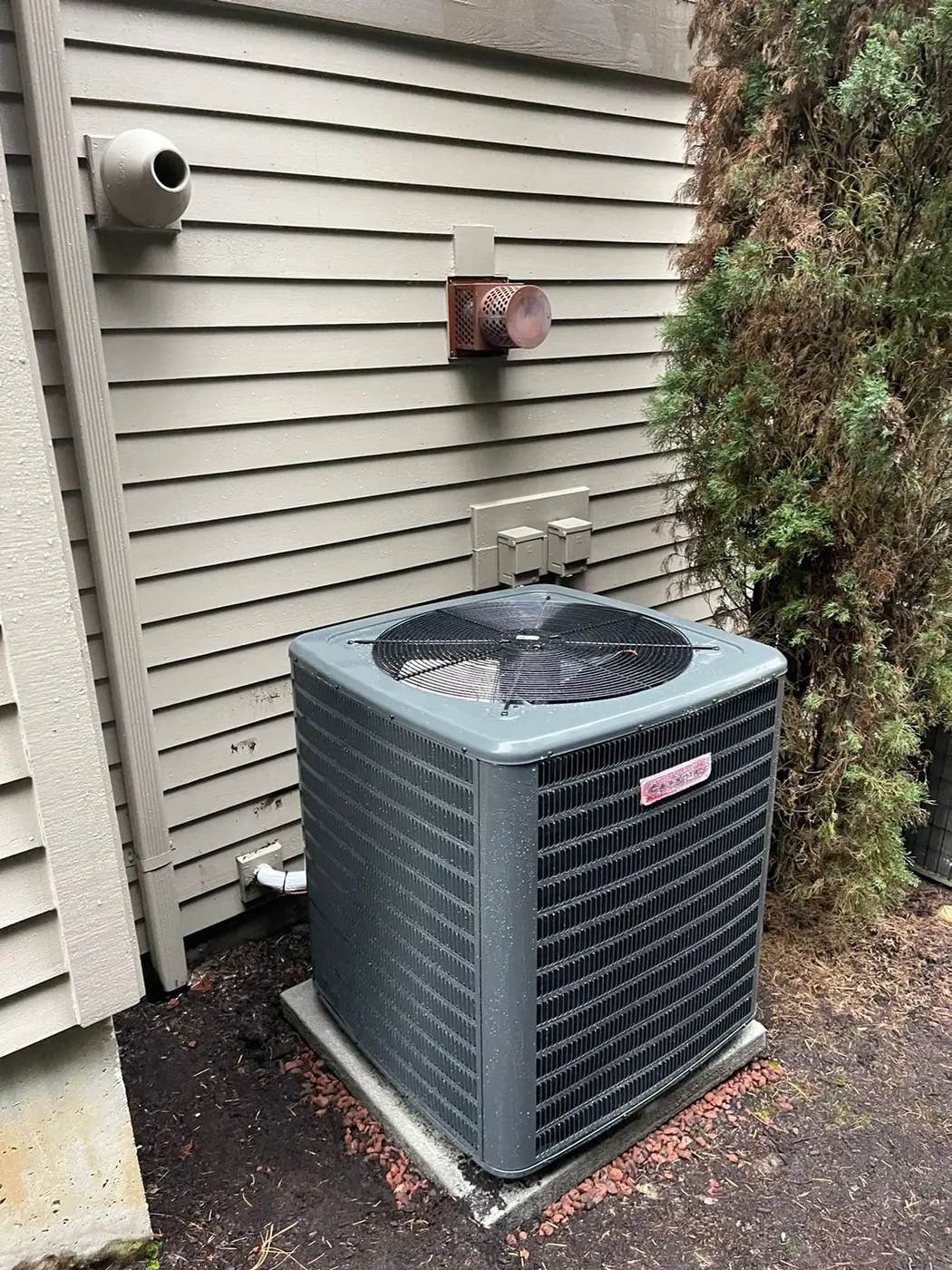
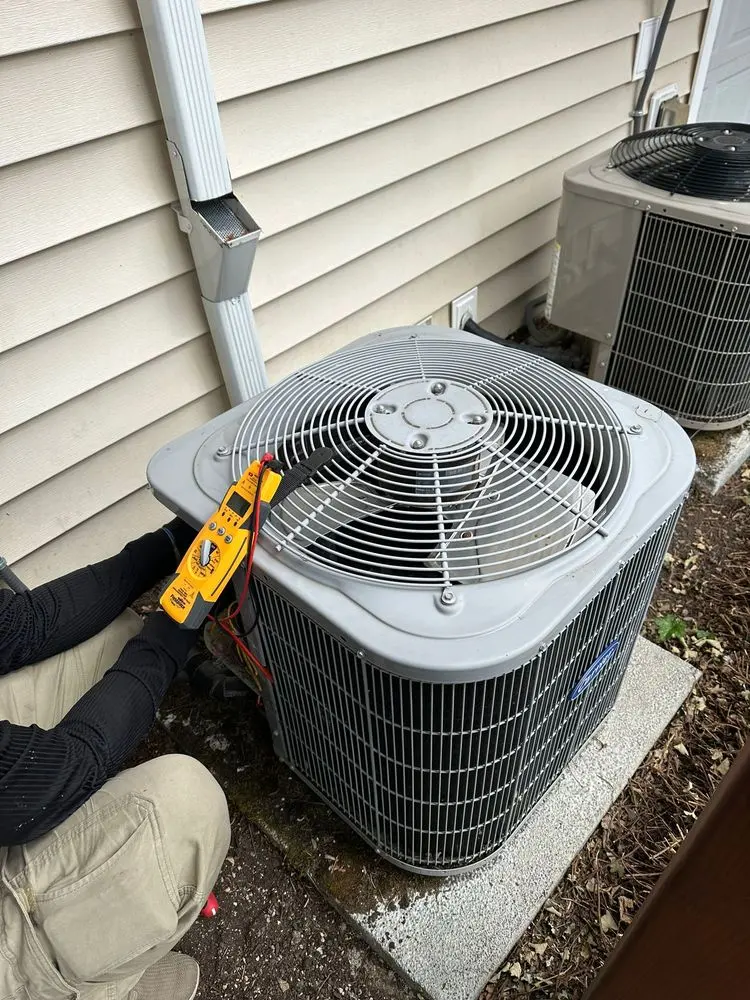
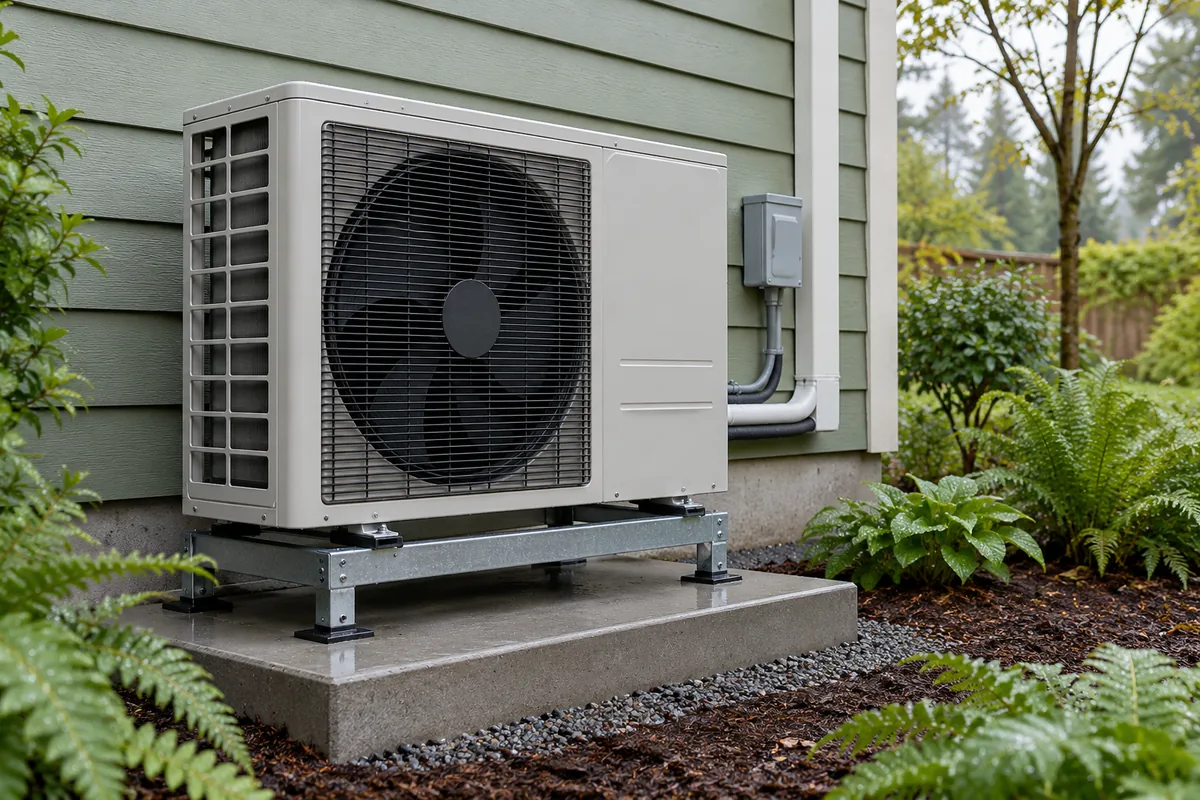
Our heat pump installation service covers equipment that can provide heating and cooling. If another source of heat will remain, its role belongs in the scope. The plan should explain which equipment and control changes make that combination work. Choosing a heat pump does not automatically determine what happens to all the existing components.
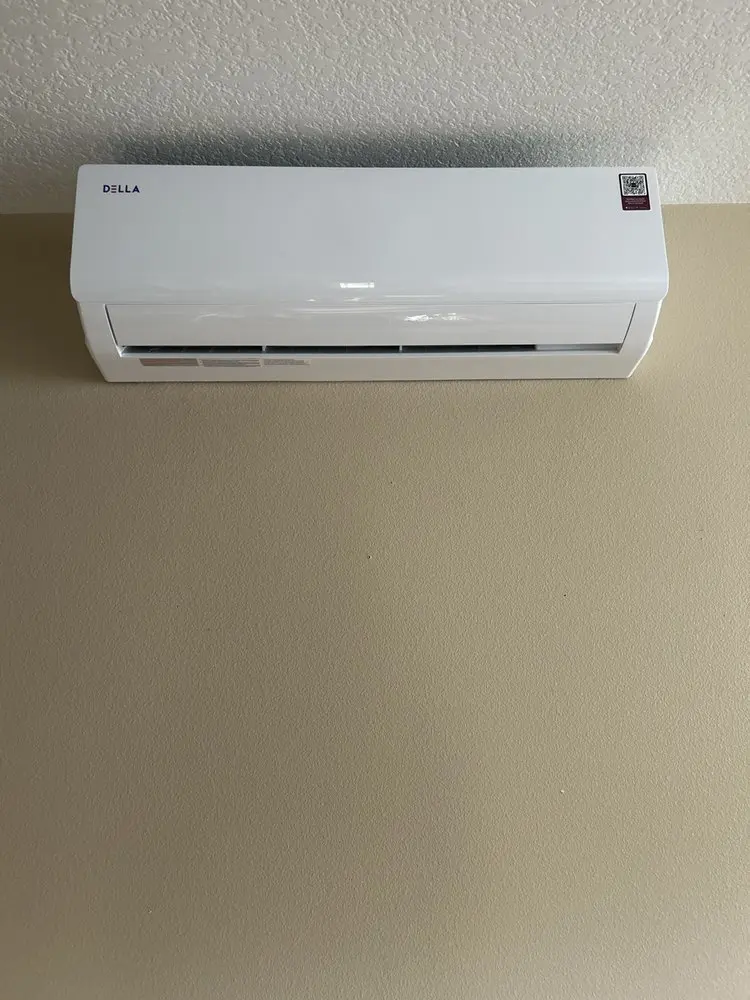
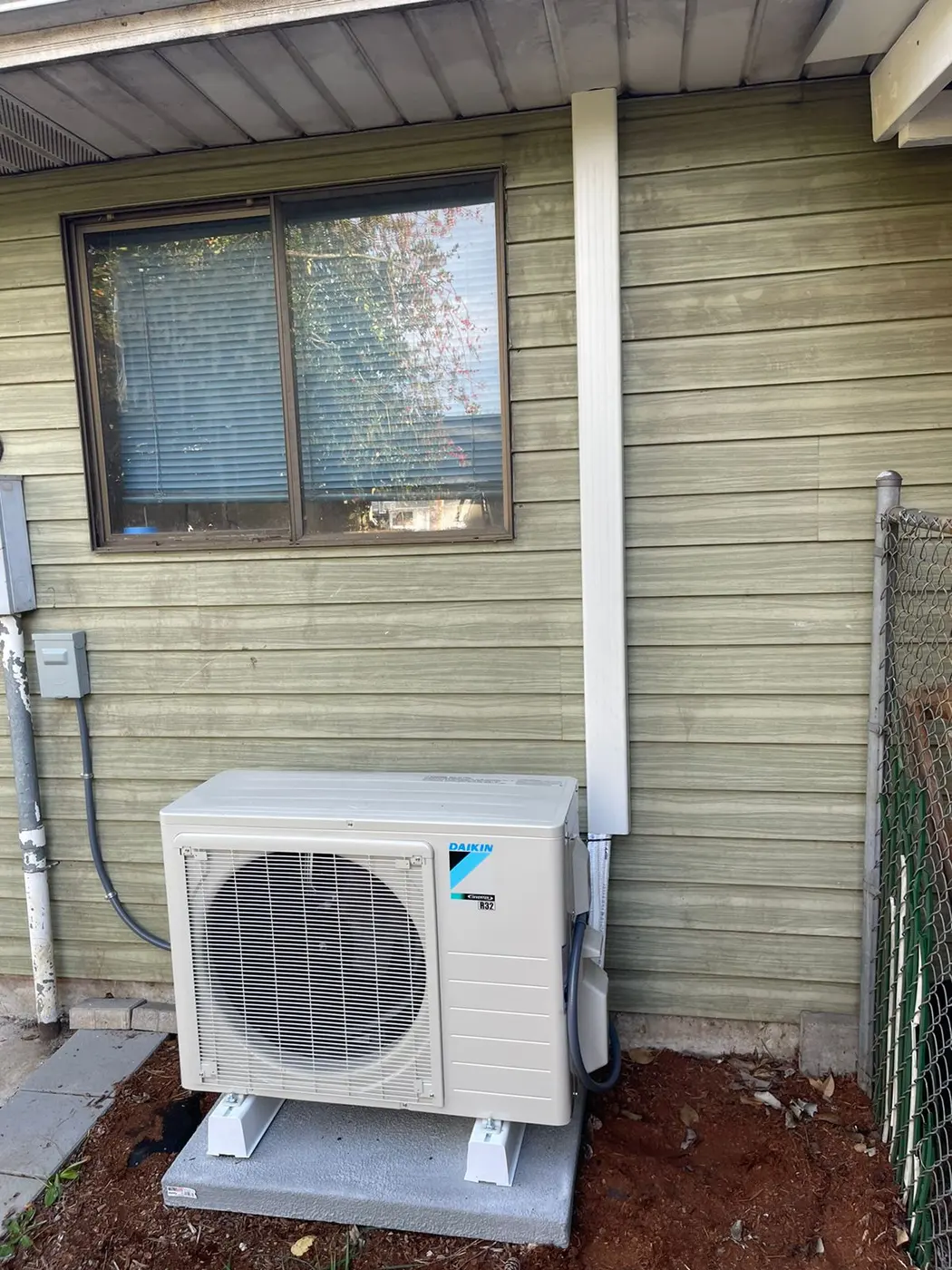
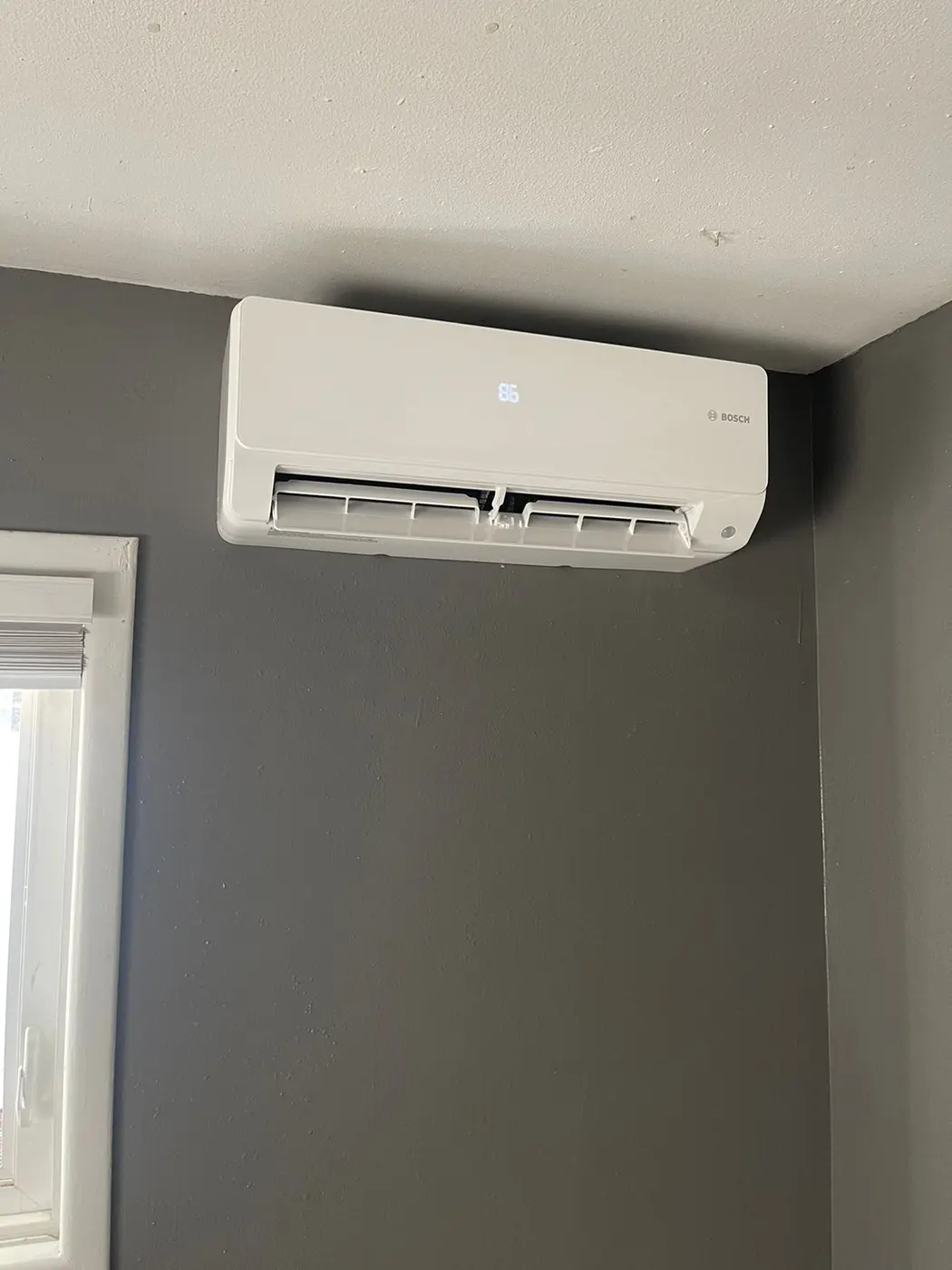
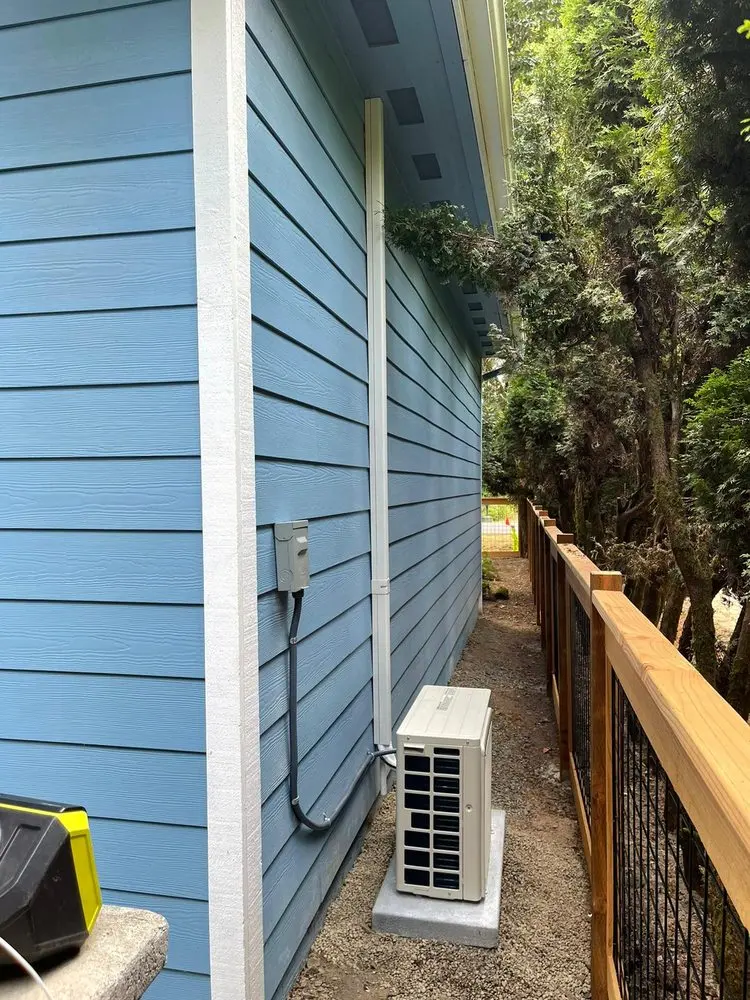
For a room or separate area, mini-split installation may offer another approach to assess. Define which space it will serve and what the main system will continue to do. Indoor placement, outdoor placement and the route between them all matter. The proposal should account for the complete arrangement, rather than price only the visible room unit.
Size and Airflow Need Property Context
The old unit’s capacity is one piece of information about the current setup. It is not a complete sizing decision for new equipment. Describe changes in room use, comfort and the areas the system needs to serve.
Explain where airflow feels weak and whether the same rooms always fall behind. A whole-home temperature complaint and a problem limited to one area may need different work. Equipment capacity alone does not describe how air reaches the rooms. The estimate should connect the system choice with the airflow path and any changes the project requires to serve those spaces.
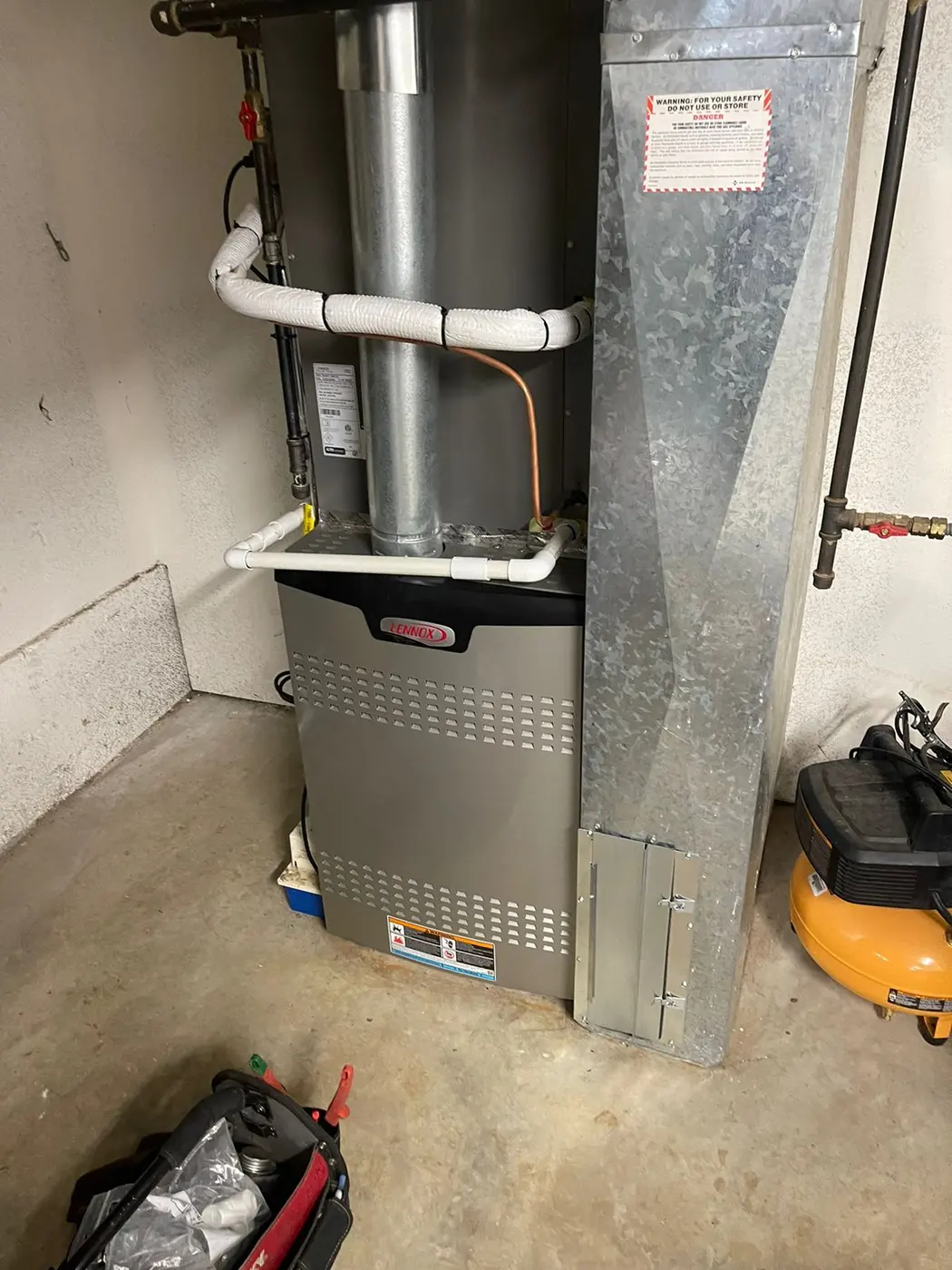
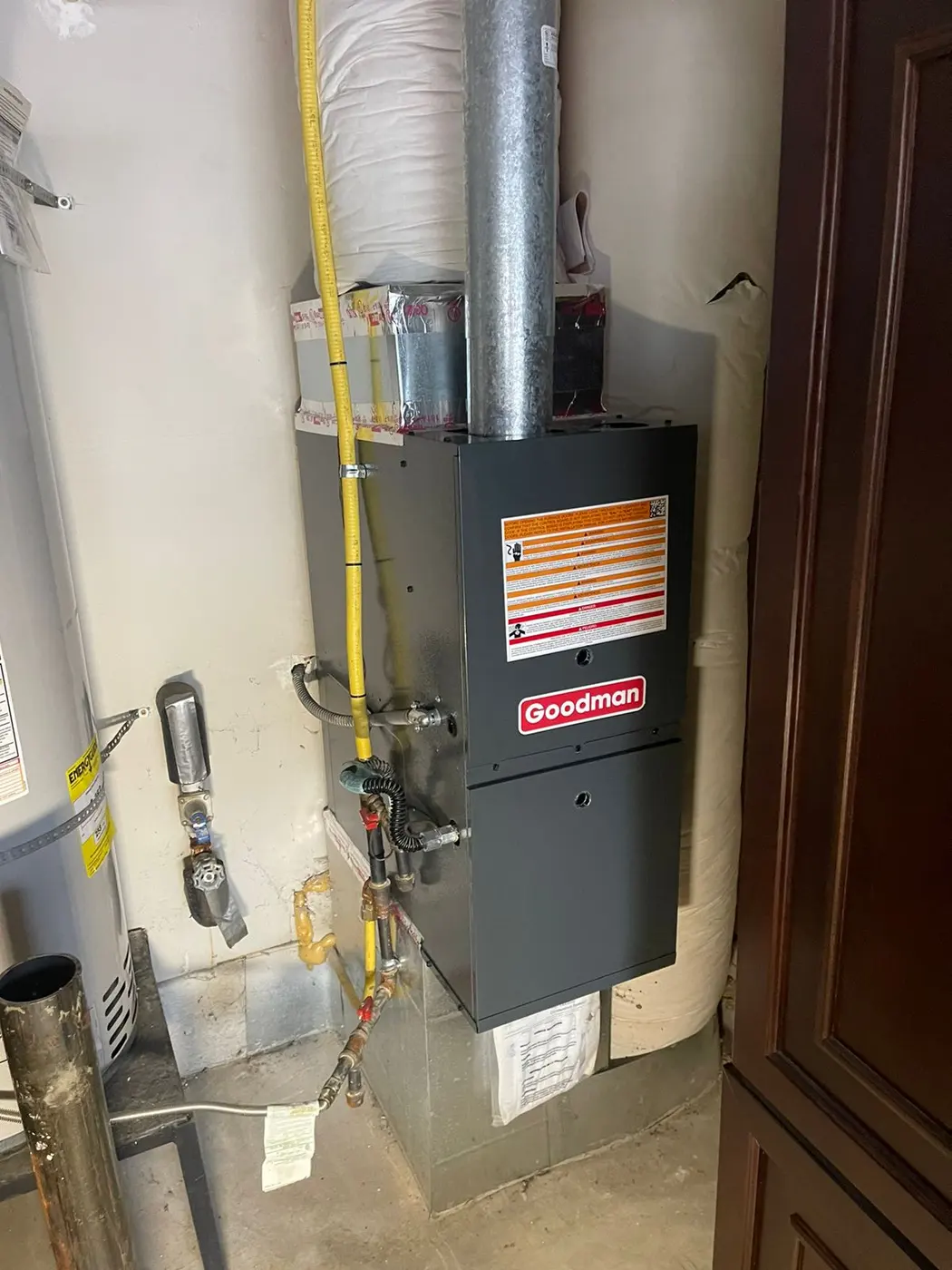
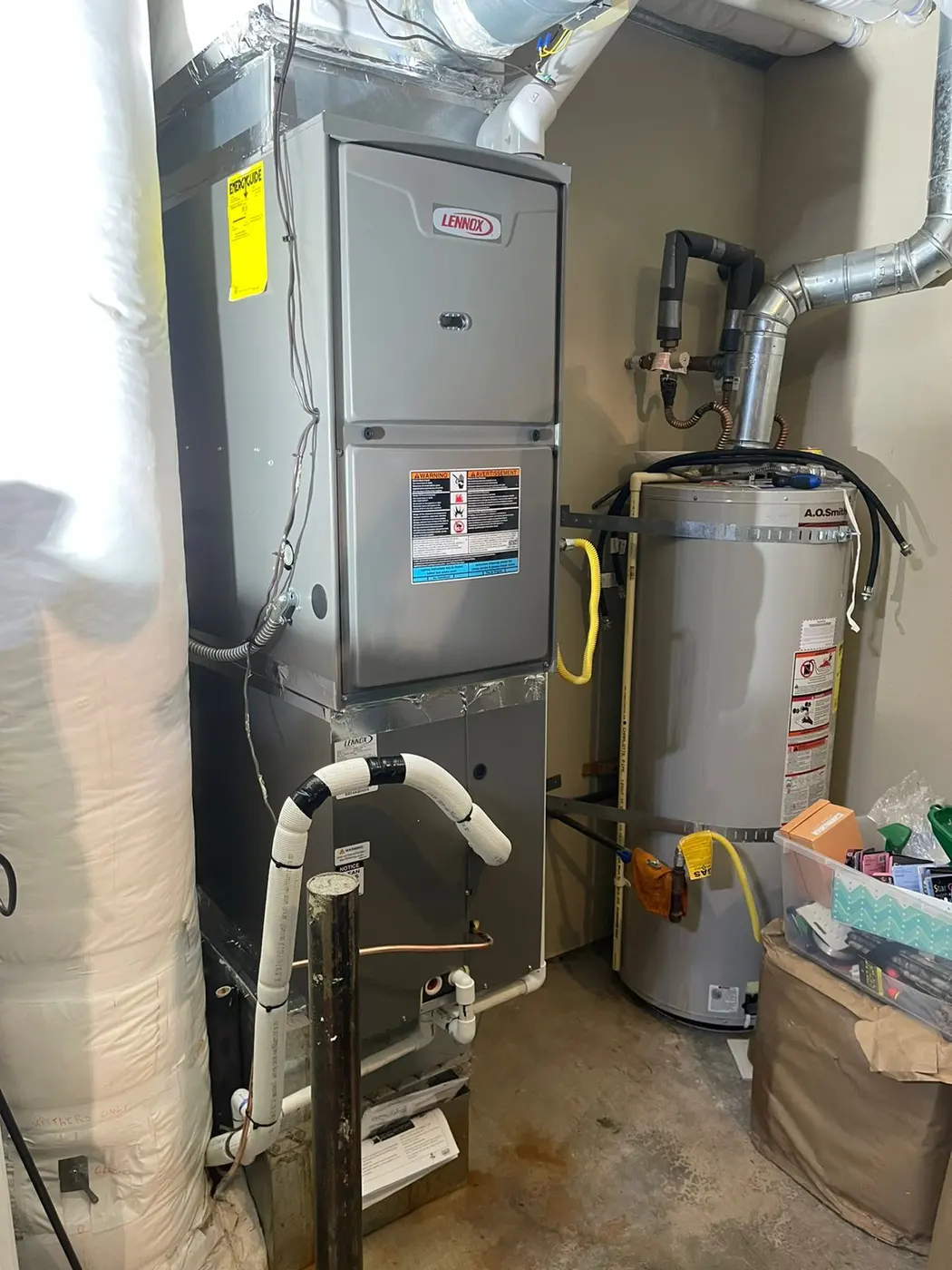
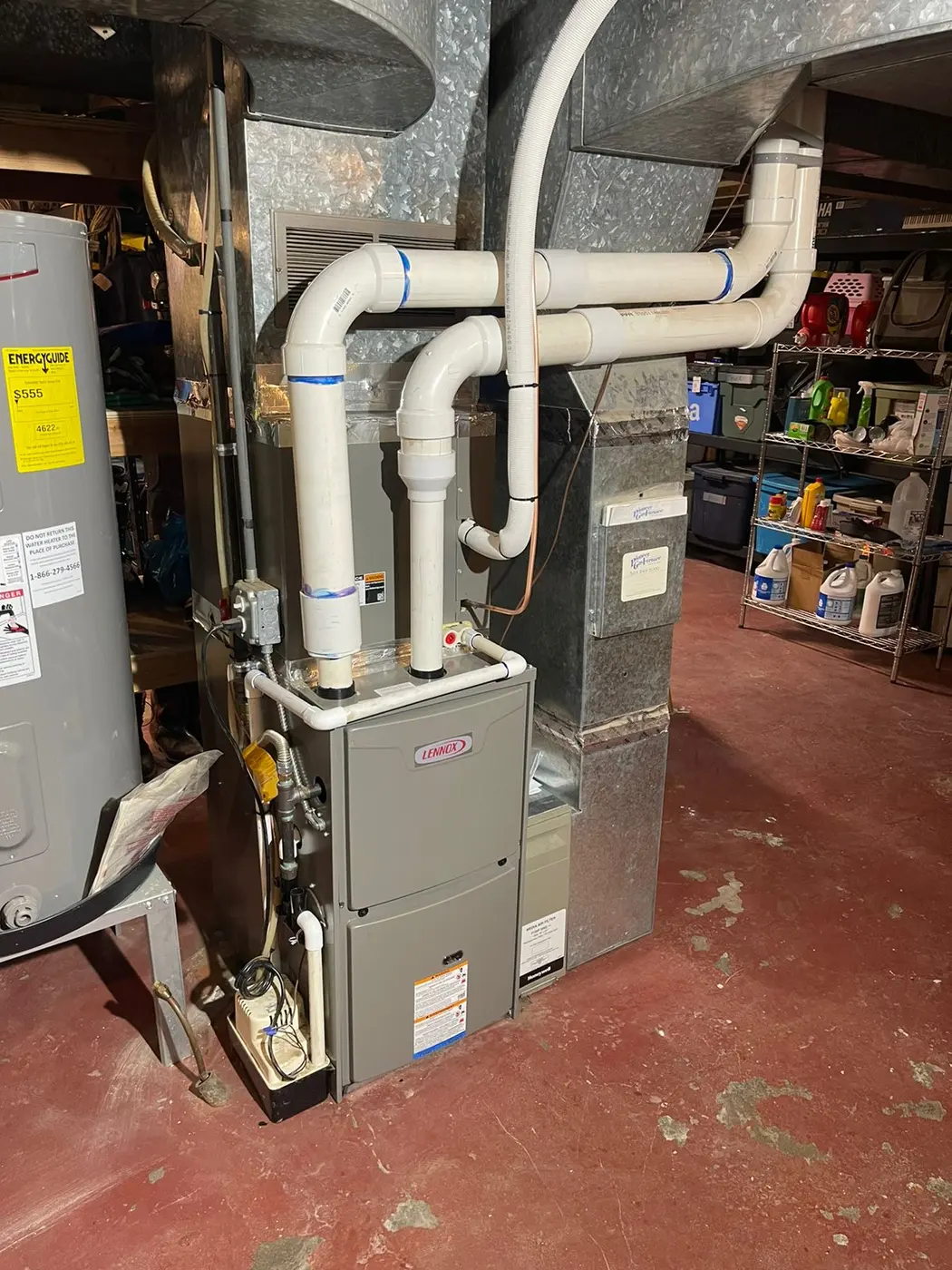
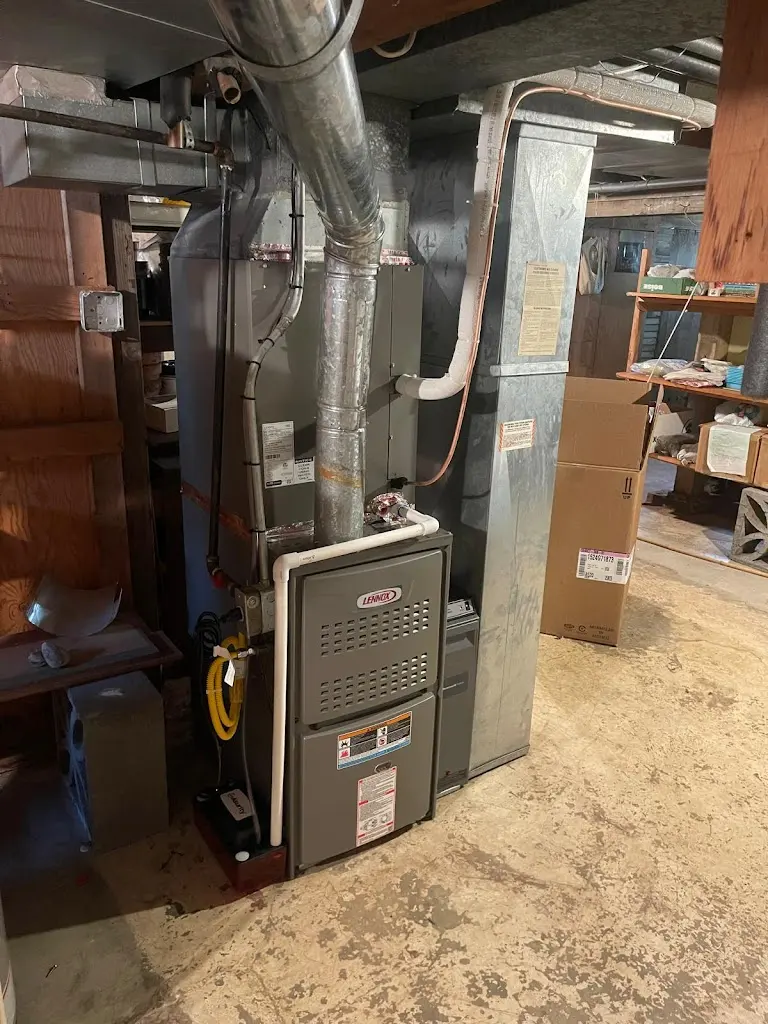
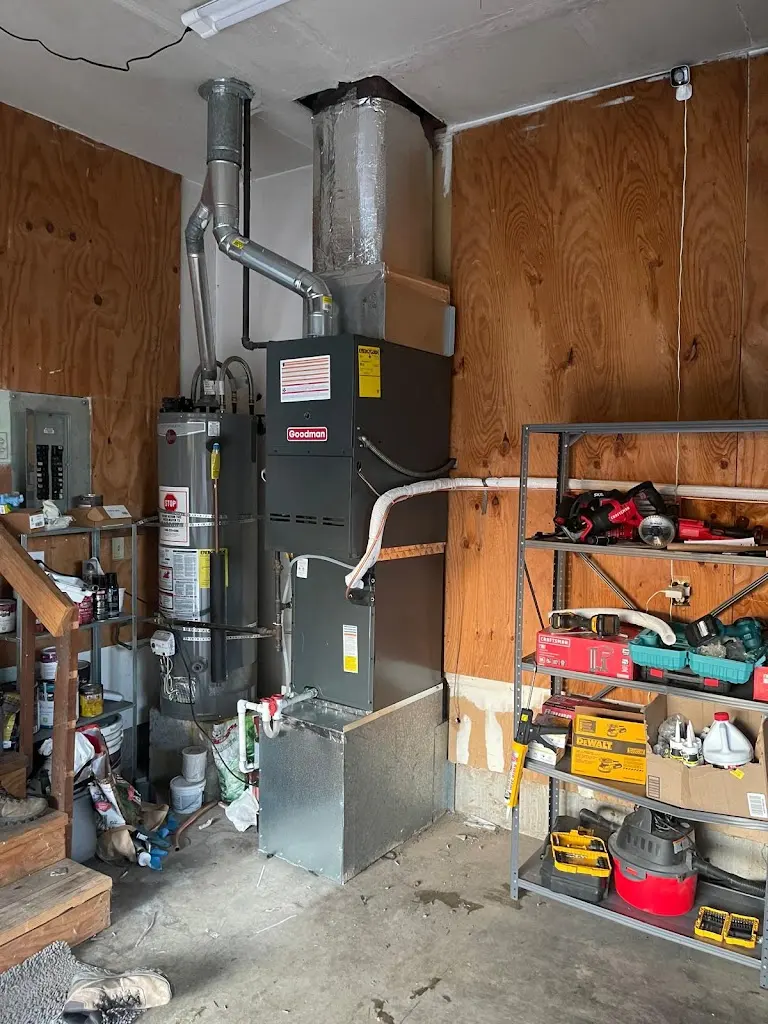
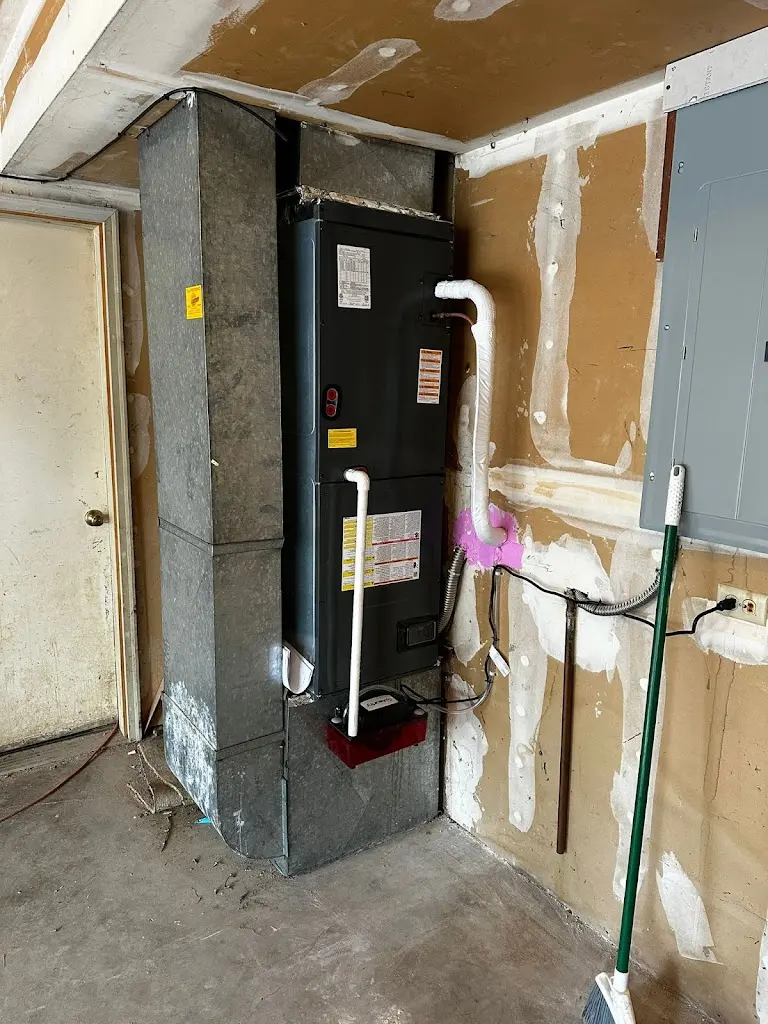
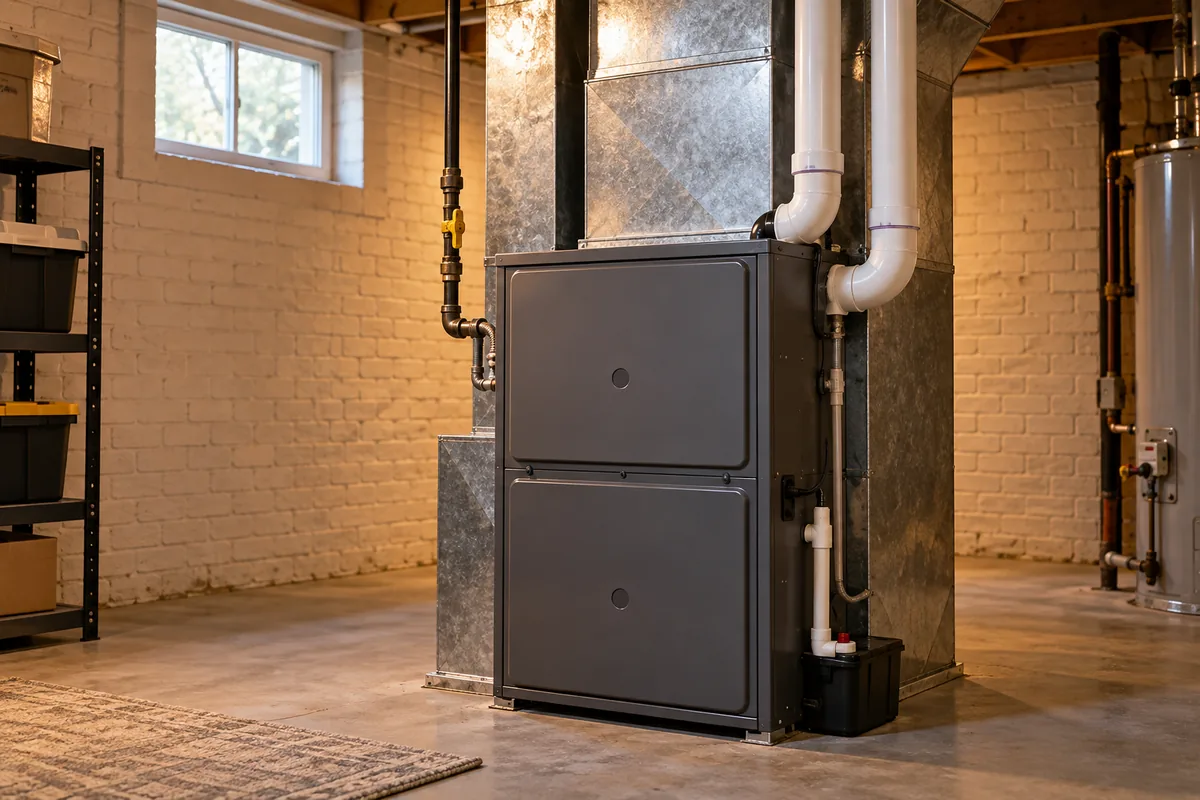
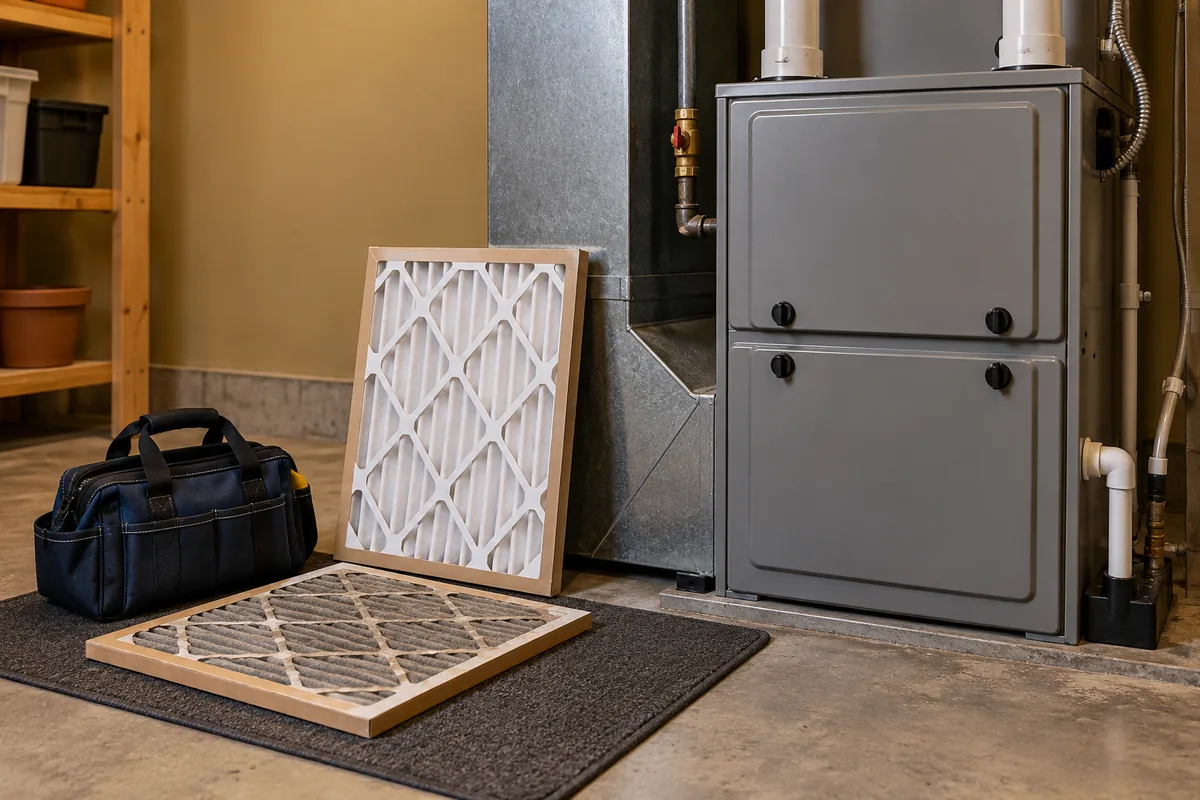
A furnace replacement also needs a plan for the equipment that will remain around it. Include the cooling components and controls in the discussion when they share the setup. Ask which connections need work and why. A new heating unit should fit the intended system, with the proposal clear about the parts of that system it changes.
Retained Components and Available Control Functions
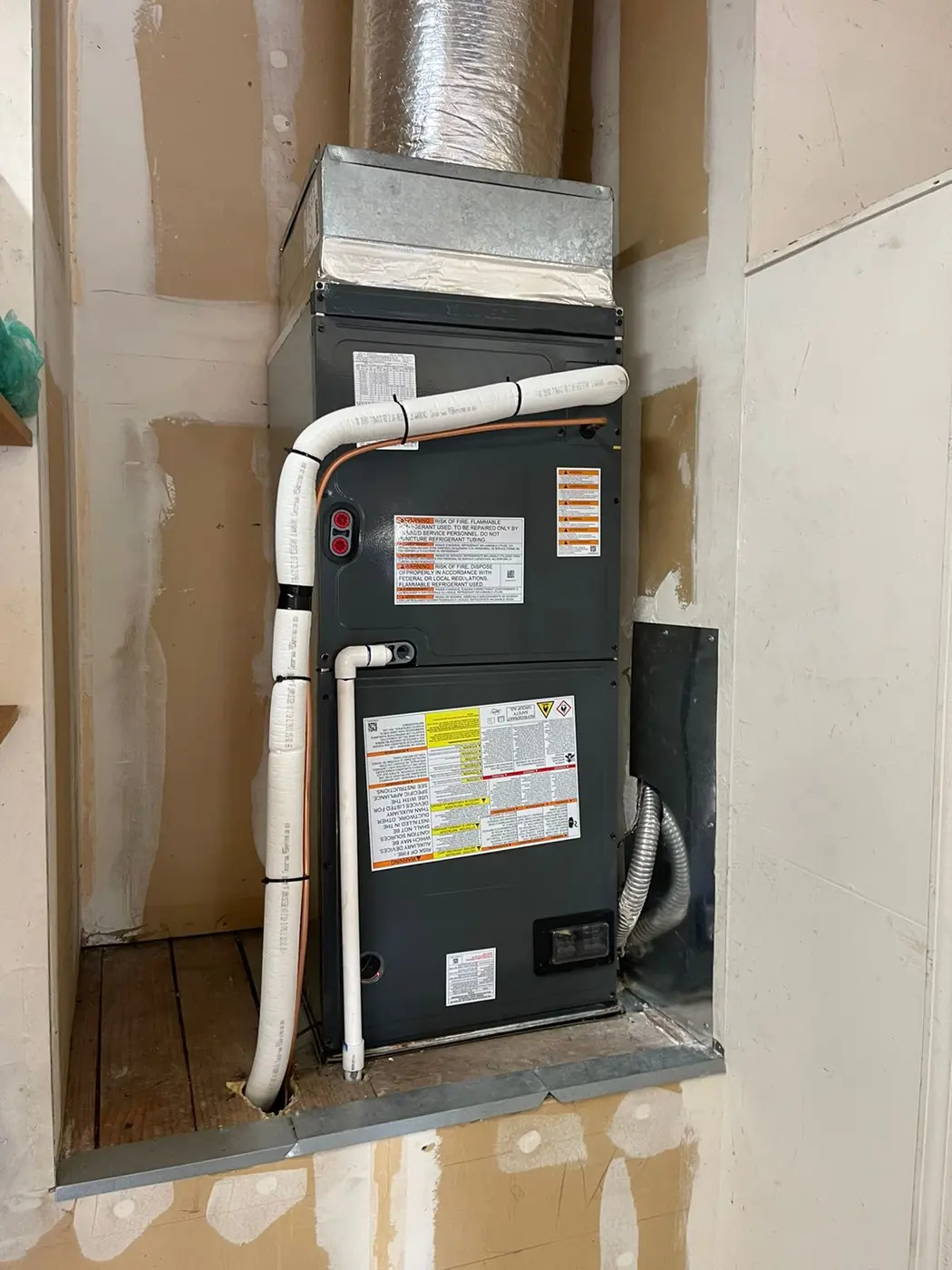
Identify which indoor unit, outdoor unit and control the proposal keeps. They may have different installation dates or work histories. Share any records you have, and say when a detail is uncertain.
For controls, discuss the functions you need to use in daily life. Ask which areas each control will serve and whether the existing control can support the planned equipment. A display with many options does not establish that the installed system provides every one. The approved scope should describe the functions that the completed setup will provide.
When comparing equipment options, compare the related work too. A different indoor unit or control may affect connections, placement or retained components as well as price. Equipment efficiency ratings do not guarantee a fixed reduction in household energy bills; the installed combination and household use also matter.
Installation Price, Unresolved Conditions and Repair Needs
Review the equipment, installation tasks and price together, including old-equipment removal, connection changes and controls. If the plan depends on a retained component or another condition still needing inspection, ask how that question will be resolved before the affected work.
If an operating fault needs attention now, our HVAC repair in Salem service can address it. Repair diagnosis is separate from the free installation estimate. Explain whether you want a fault assessment, a replacement proposal or both so each scope is clear.
Equipment Access and Heating or Cooling Downtime
Describe stairs, locked areas or narrow routes the team must use to remove old equipment and bring in the new components. Confirm which preparation tasks the project includes. Leave equipment and building materials in place until the estimate establishes what work is required.
Agree on the work sequence and expected interruption to heating or cooling once equipment and site needs are defined. Mention other work that changes the rooms, equipment space or access route. If those conditions change after approval, review the affected scope before installation.
Operating Checks, Care and Control Notices
At completion, review the controls, the areas they serve and the checks on the agreed heating and cooling functions. Raise any difference between the approved comfort goals and the operation you see, describing the room, settings and behavior involved. Confirm any remaining next step.
Keep the installed model details and completed scope, including retained components, for later service. Review care guidance for that actual combination. If the controls show service reminders or fault notices, ask how to distinguish them and keep the operating notes with the equipment record.
Request HVAC installation in Salem from HVAC & Appliance Repair Guys through the service form below. Ask for a free on-site estimator visit and describe the rooms, heating and cooling functions and limitations of the current setup.
Frequently Asked Questions
Can I request an estimate before deciding which type of system I want?
Yes. Explain the heating and cooling functions you need and the limitations of the present setup. The on-site review can help define options for that goal. You do not need to choose a product model before the installation scope is clear.
Can part of the current system remain in place?
It may, depending on its condition and how it fits the proposed equipment. Ask the estimator to identify each retained component in the scope. Keeping one part does not automatically mean every existing connection or control can stay unchanged.
What should I compare when two proposals name different equipment?
Compare the areas served, heating and cooling functions, retained components and installation tasks. Check any conditions or exclusions as well as the price. The useful comparison is what each complete project provides, rather than only the outdoor unit or its rating.
What if I choose a different model after approving the estimate?
Review that choice before work proceeds. A model change may affect indoor equipment, controls or connections as well as price. The final approved scope should describe the combination you intend to install, so the team and homeowner are working from the same plan.
Which comfort details are useful at the estimator visit?
Describe the rooms involved, when discomfort occurs and how the system responds to its controls. Note whether the concern is new or has always been present. Those details help define what the installation should improve without turning a symptom into a sizing decision by itself.
Request HVAC Installation in Salem, OR
For HVAC installation in Salem, OR, call HVAC & Appliance Repair Guys or submit a service request through the form on this page.