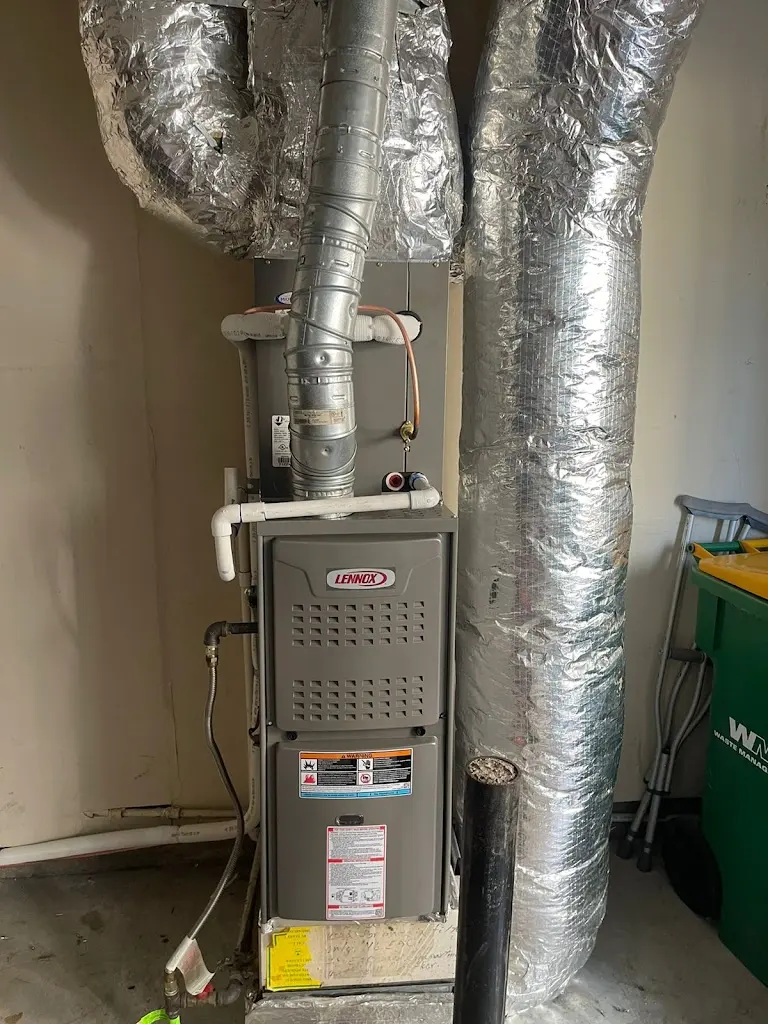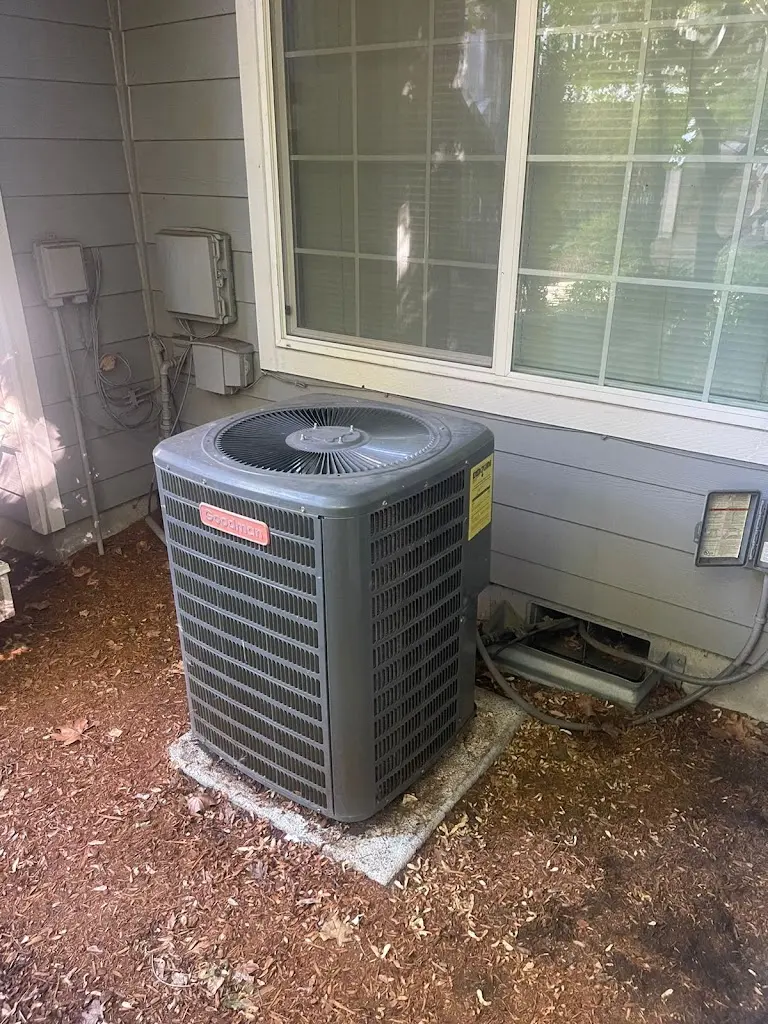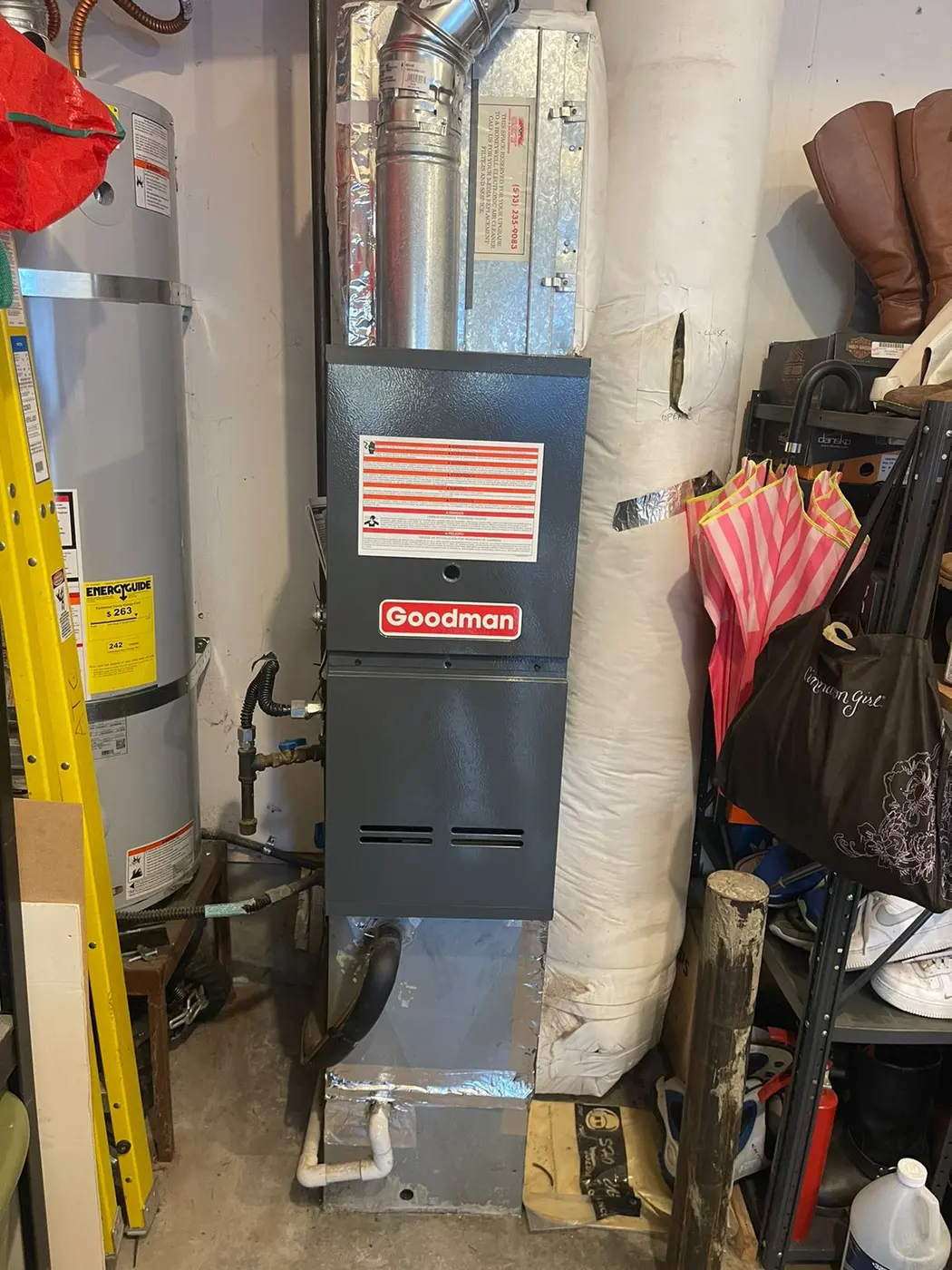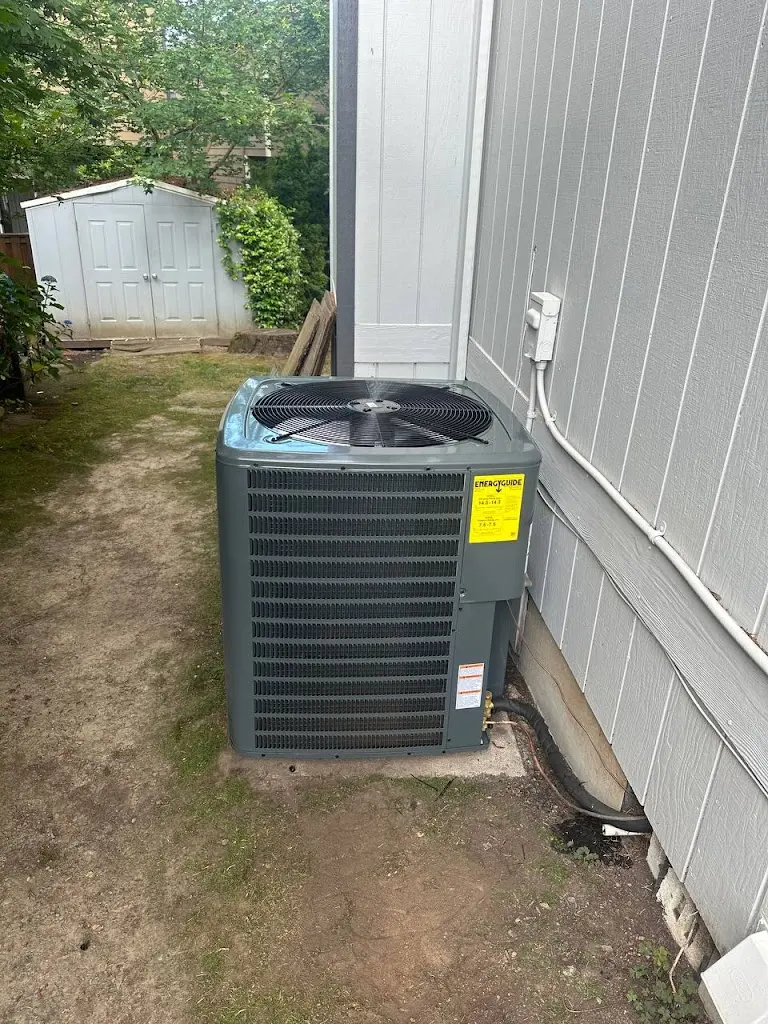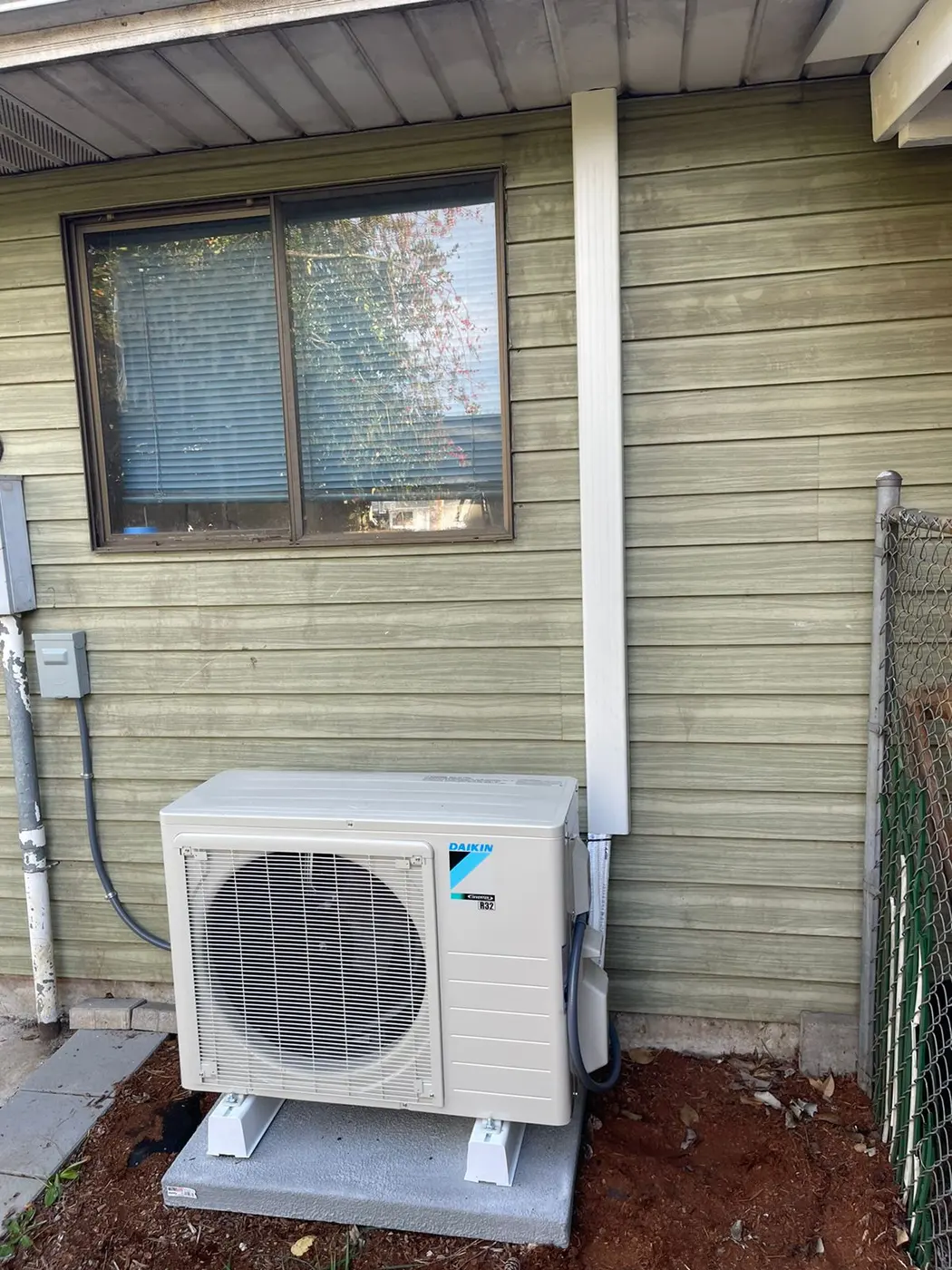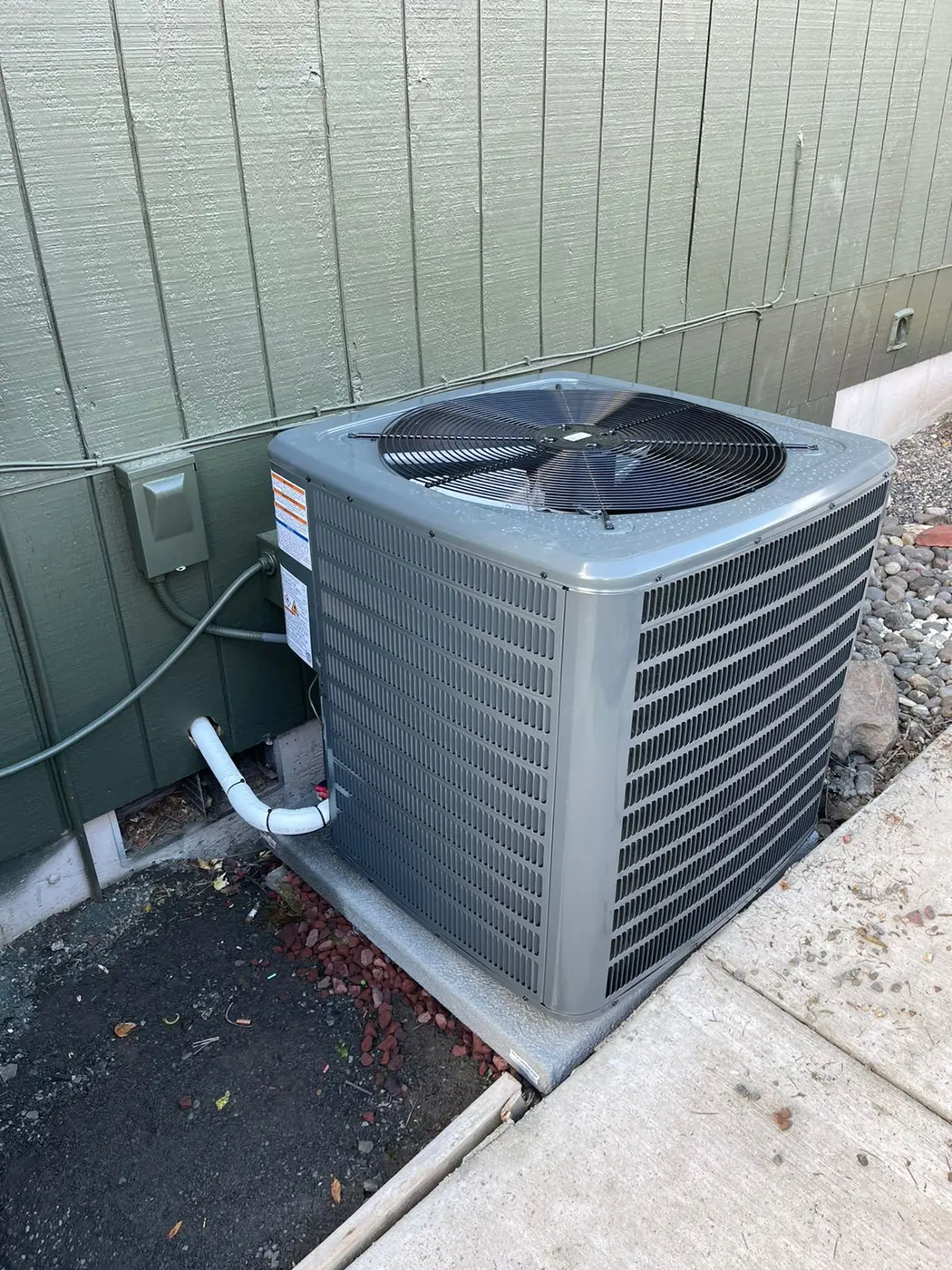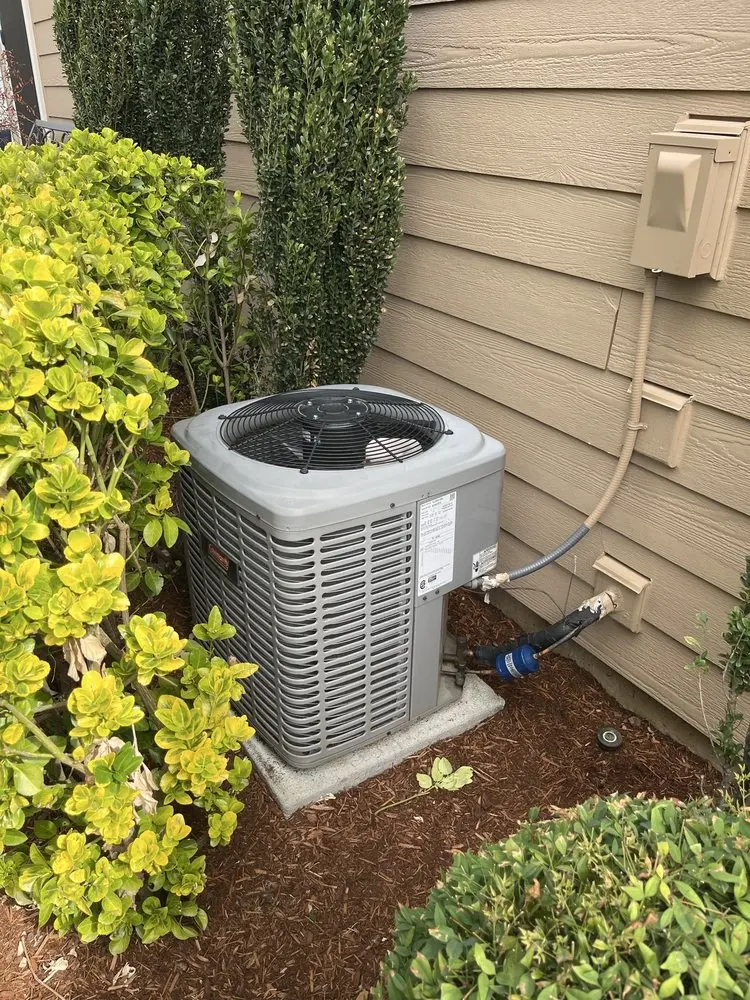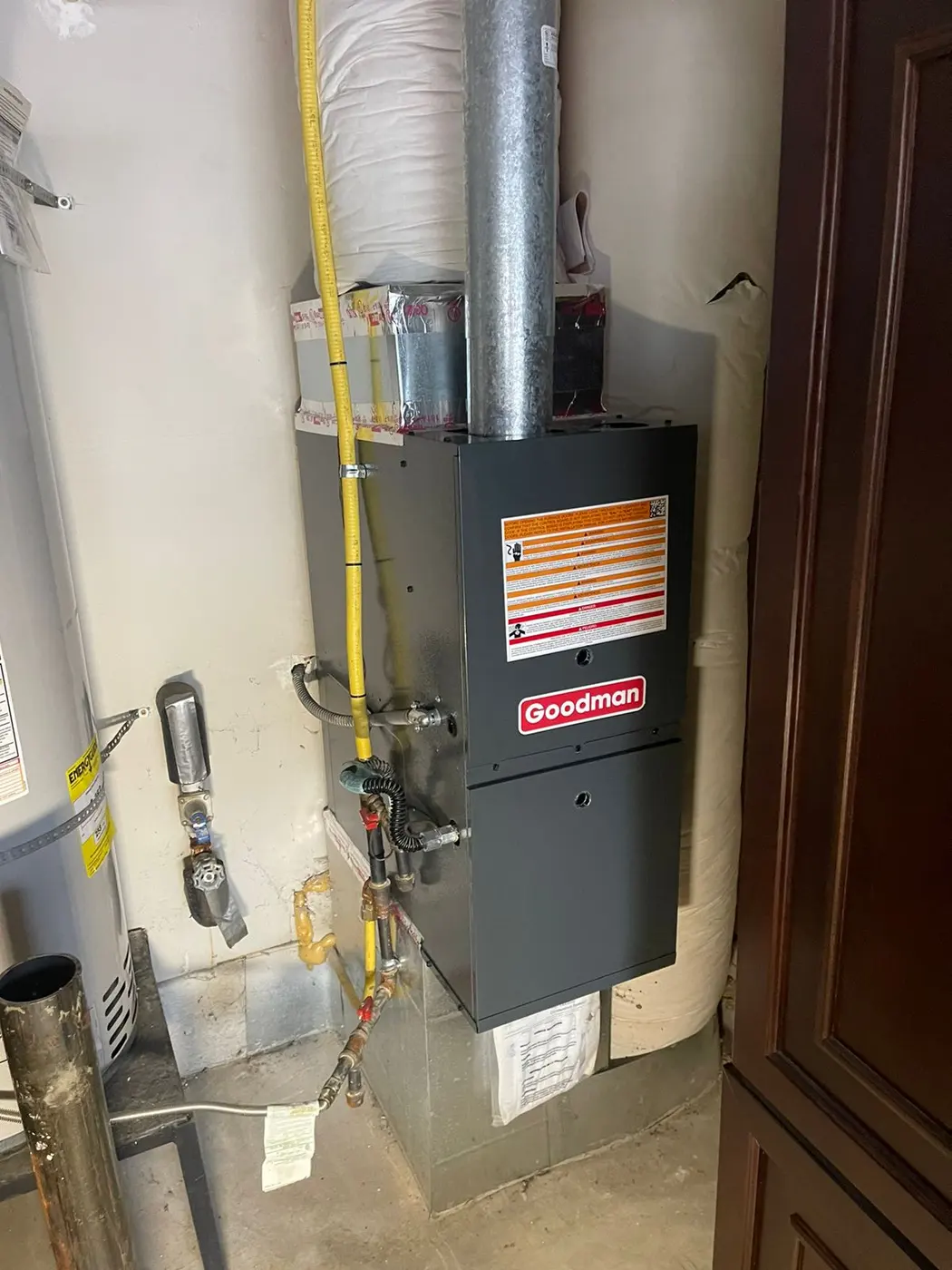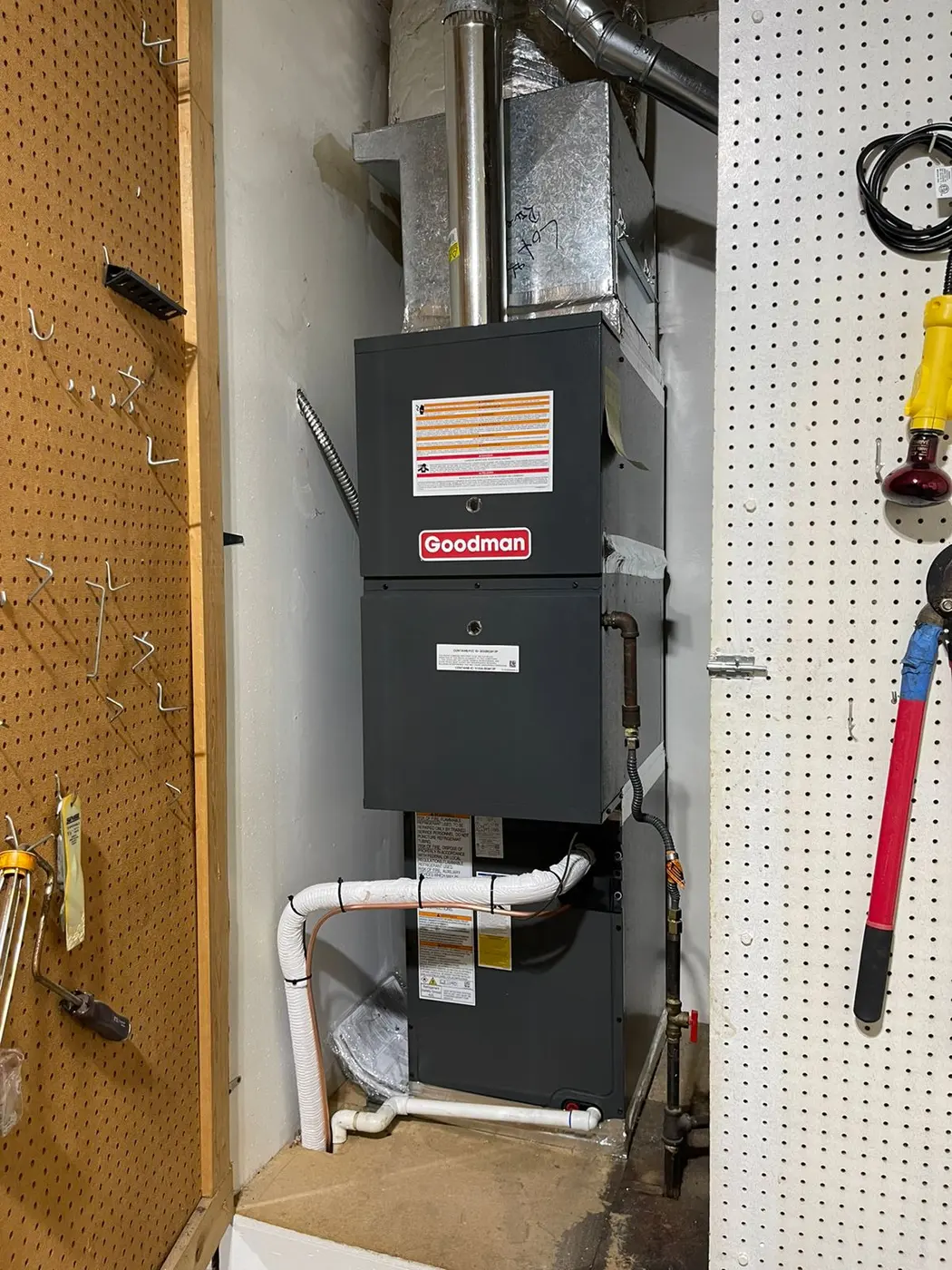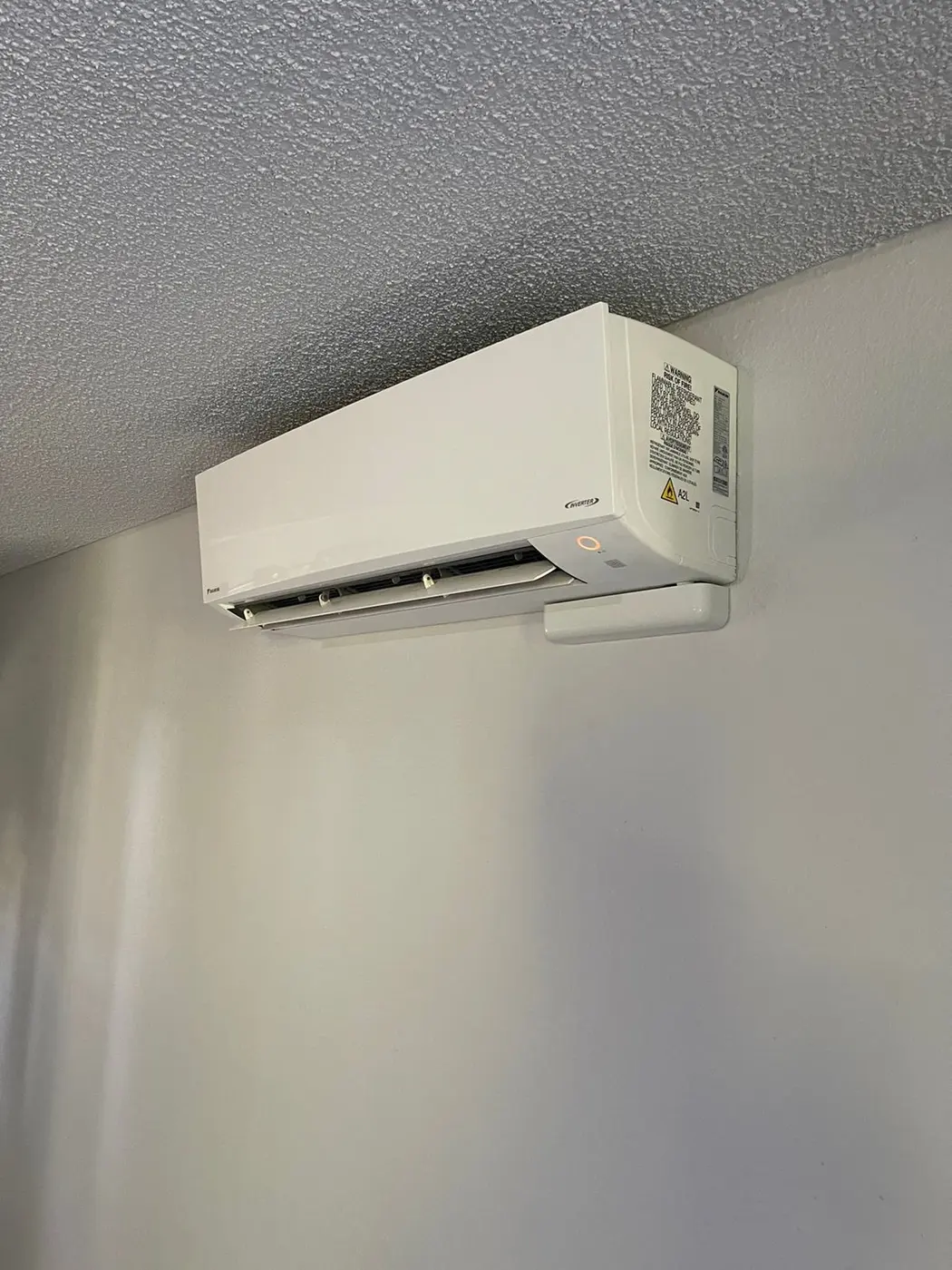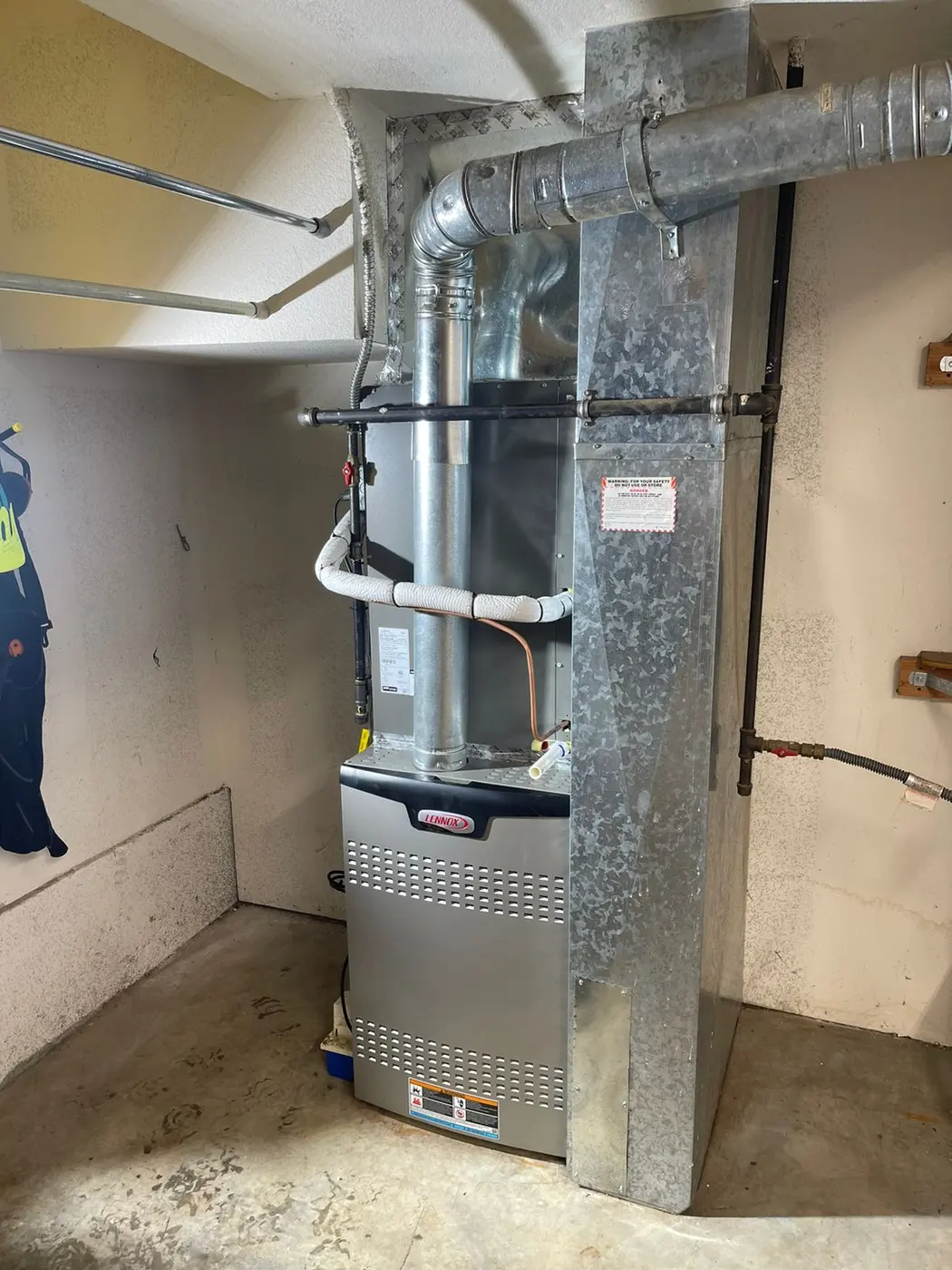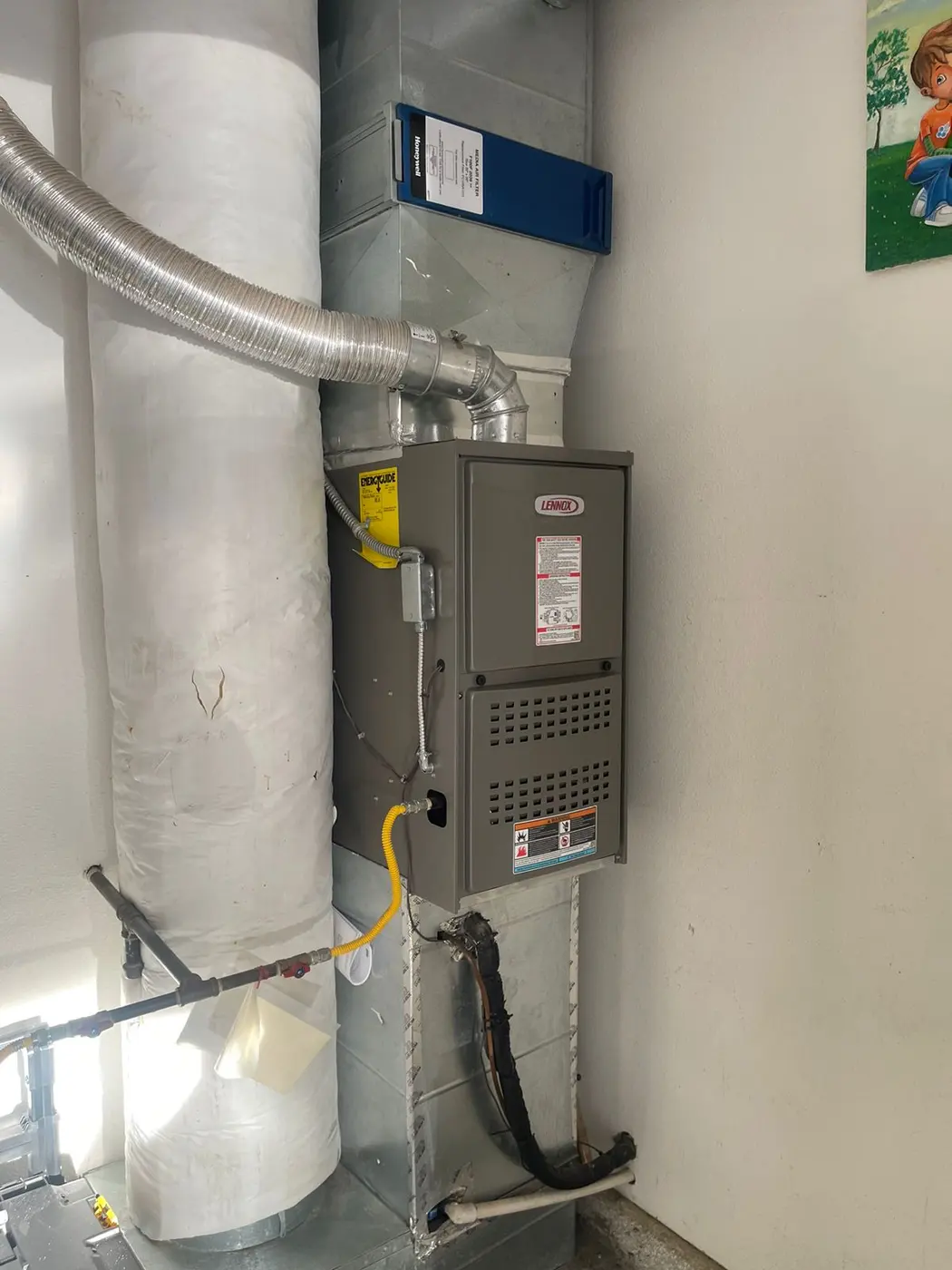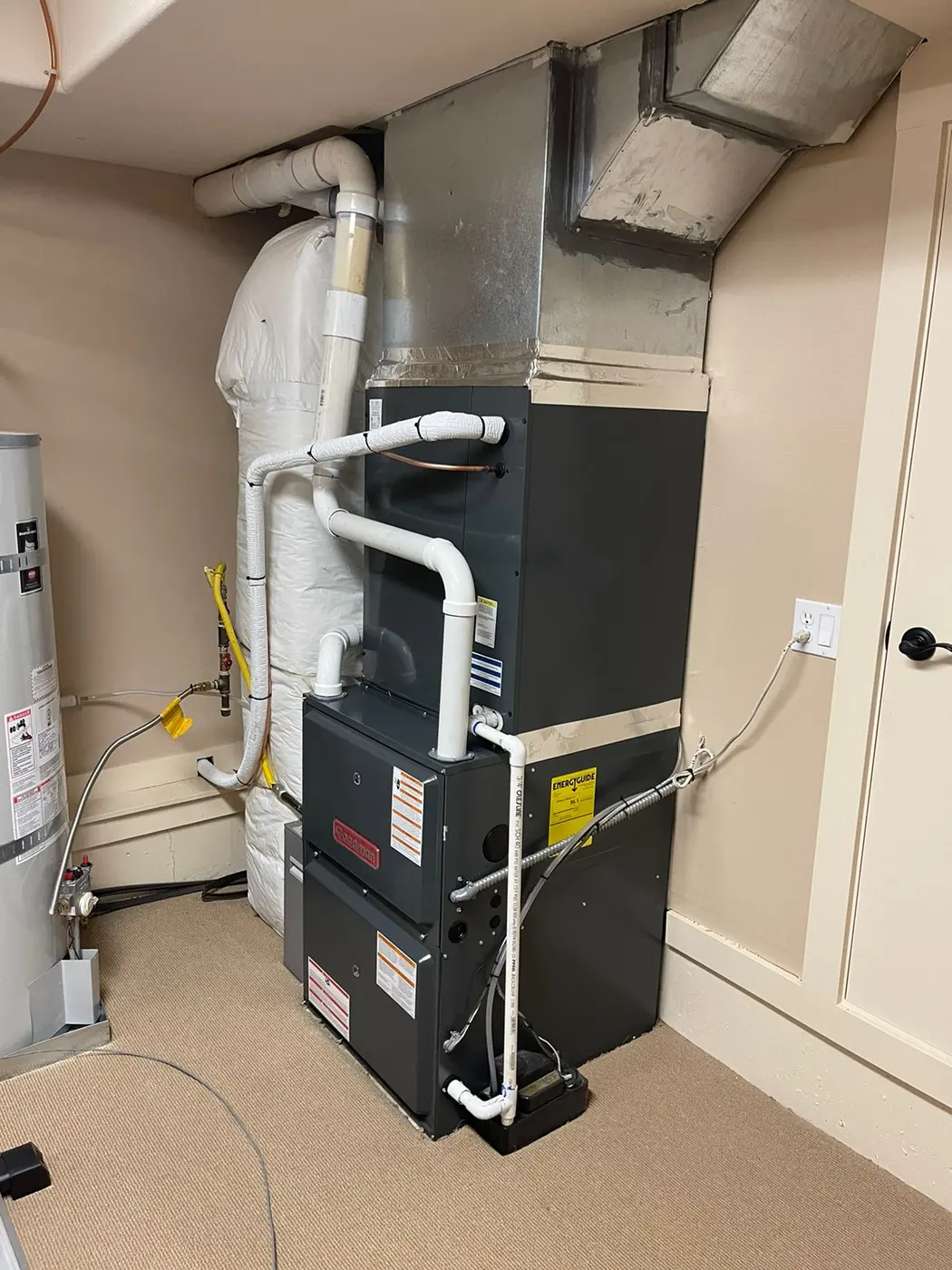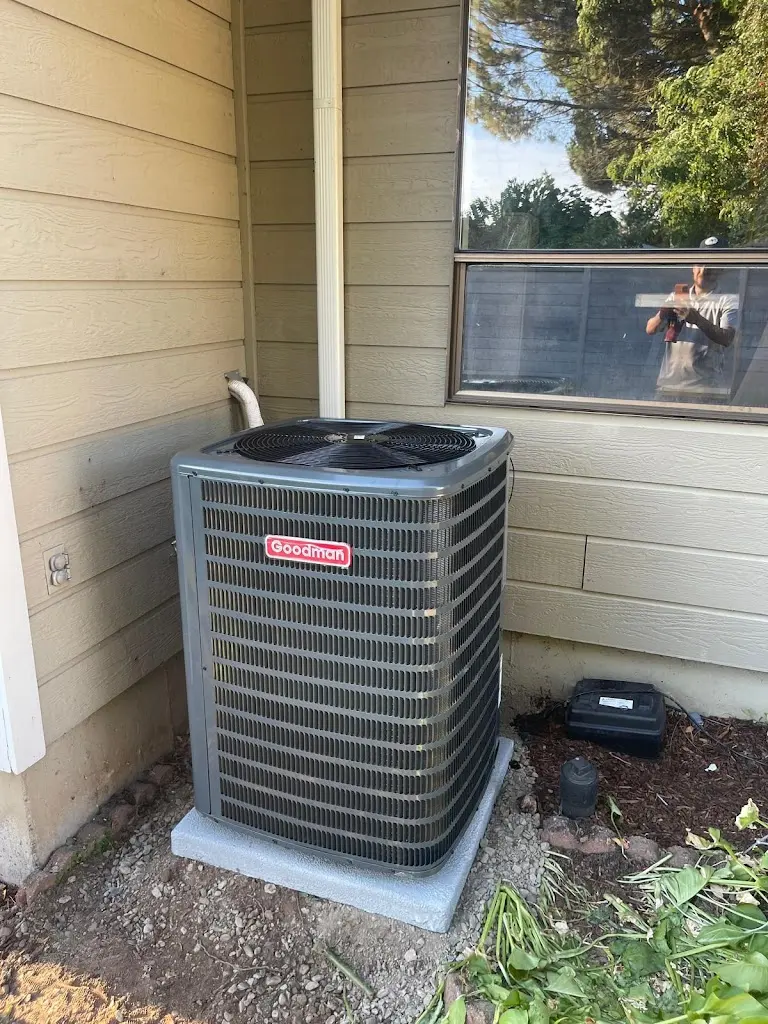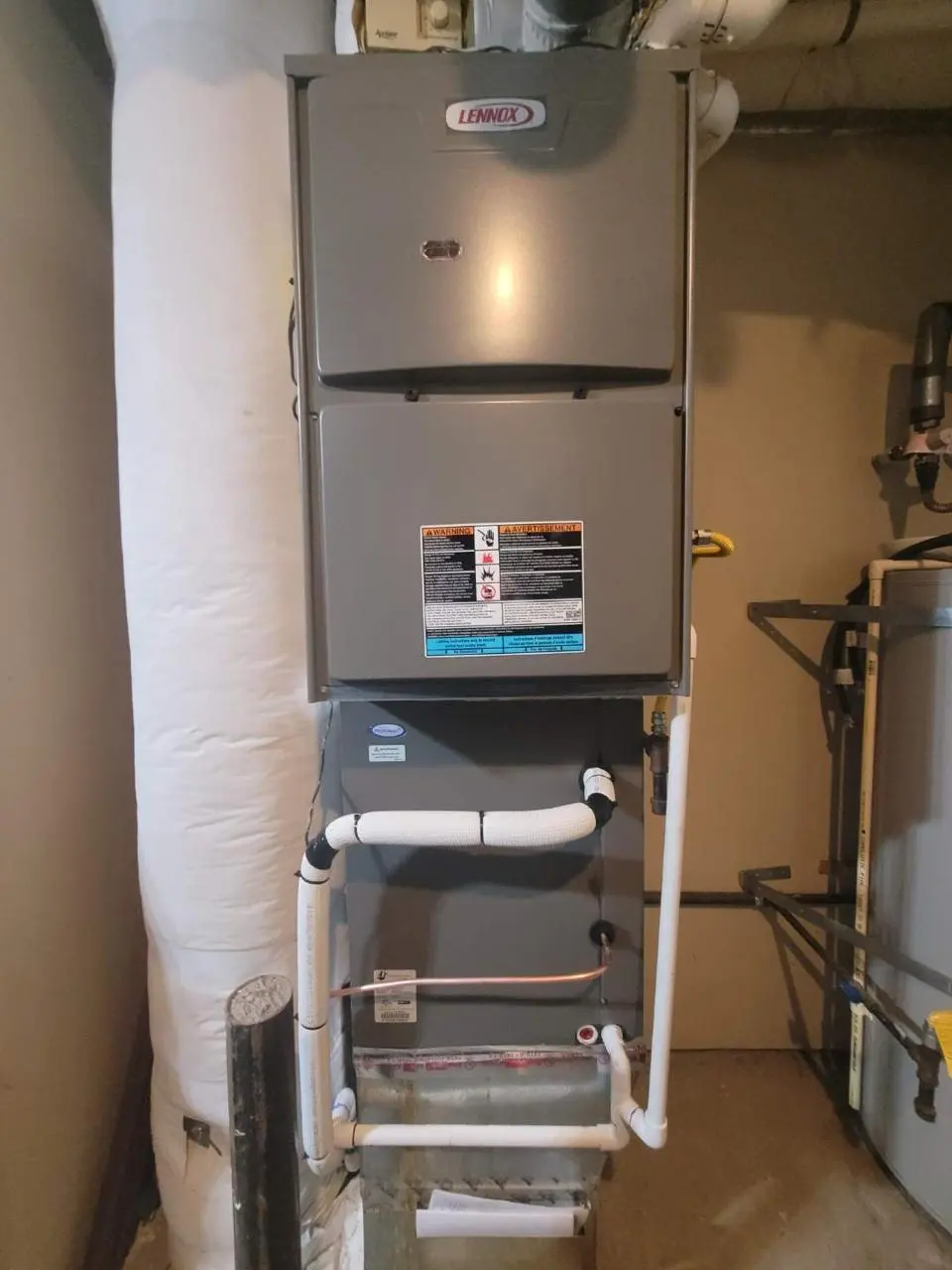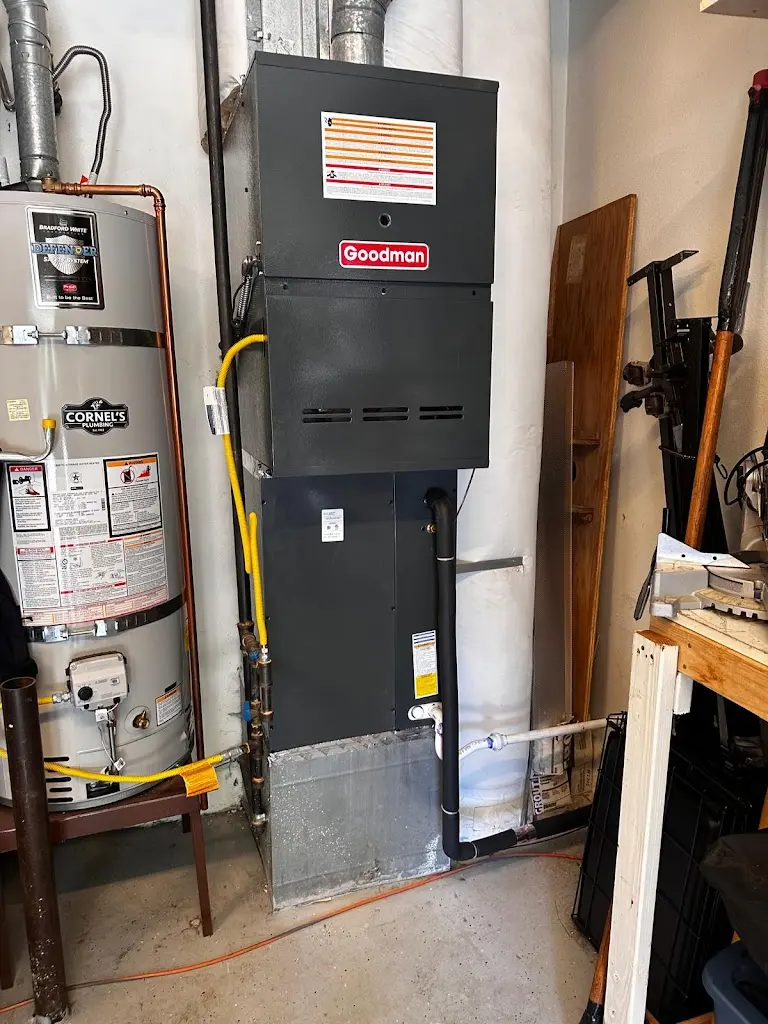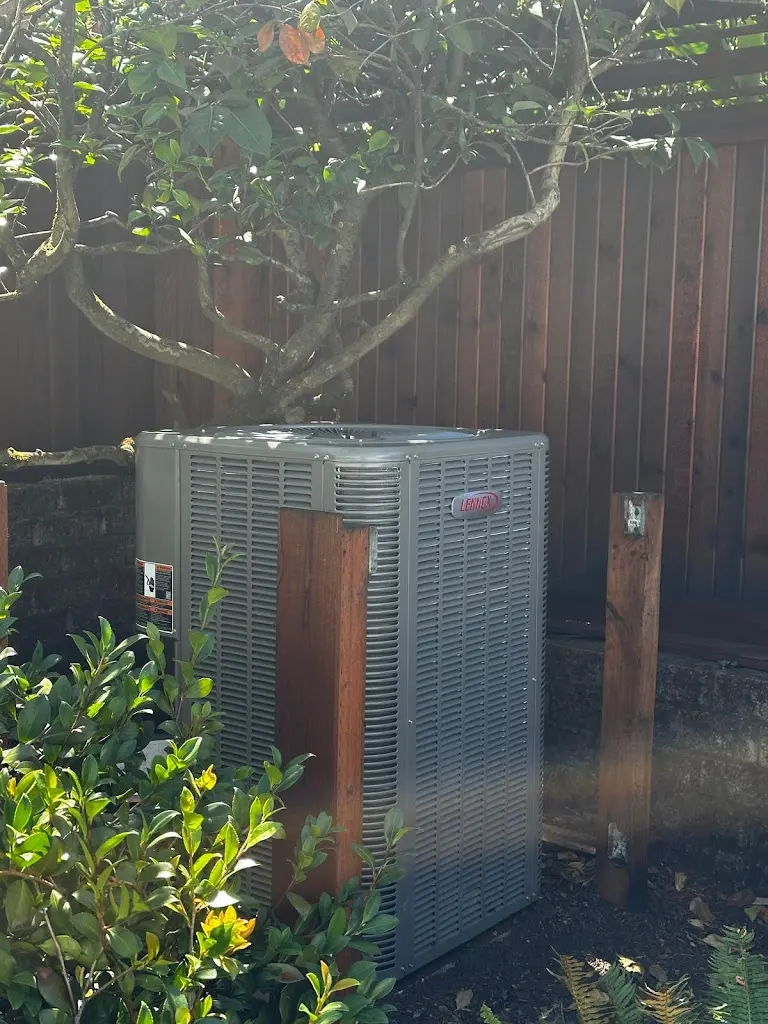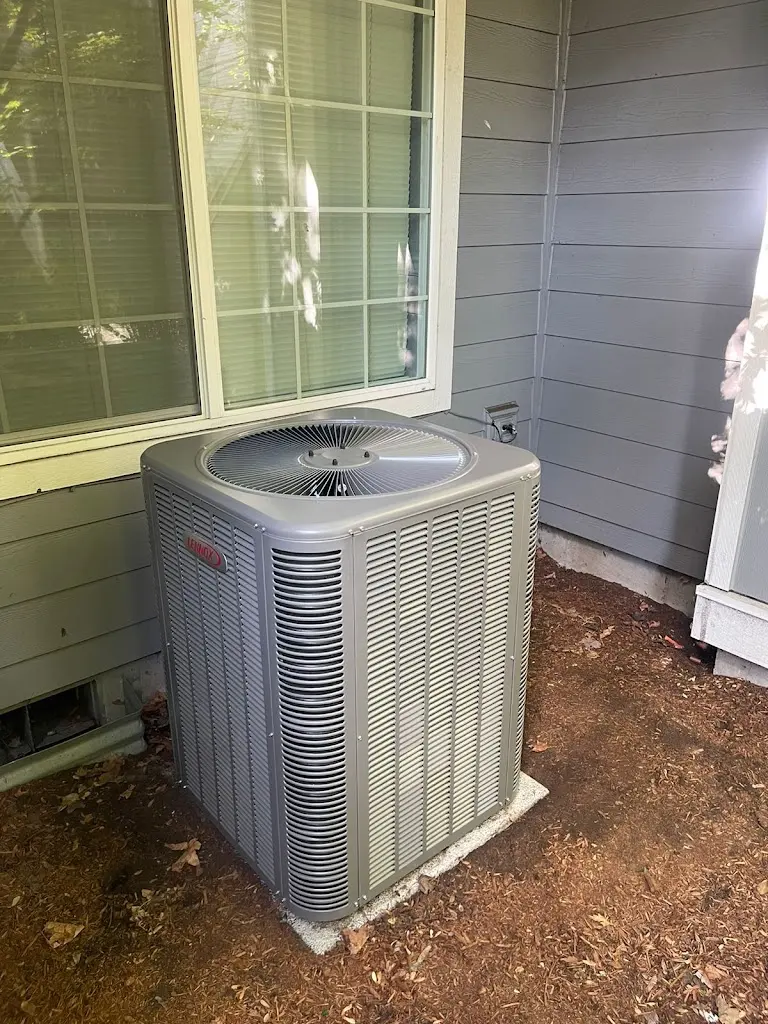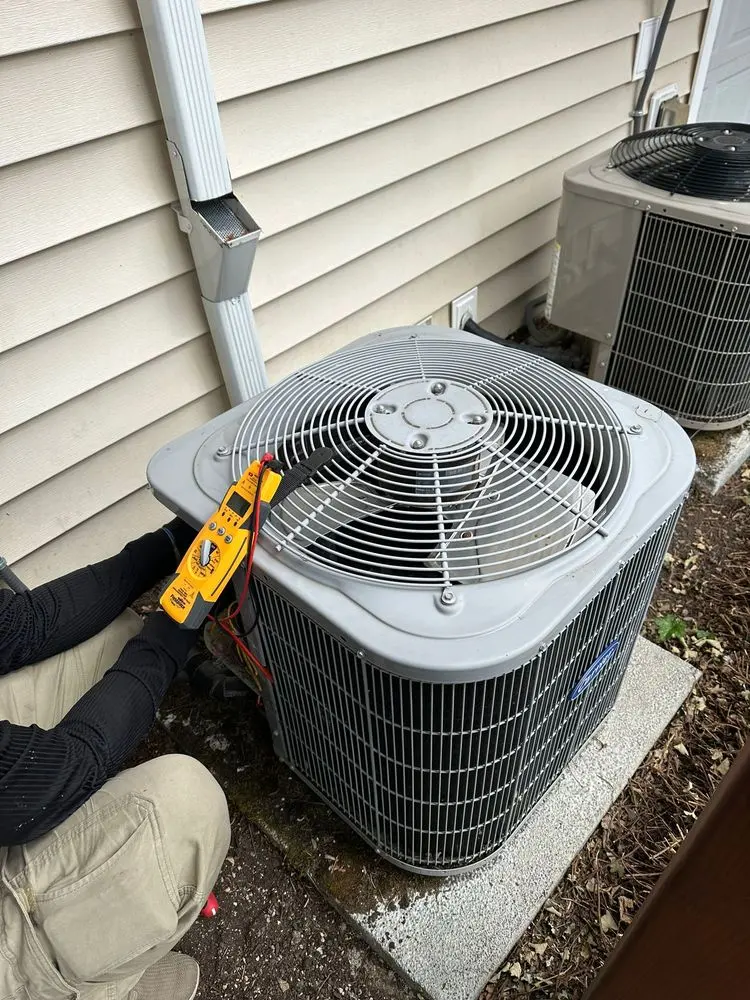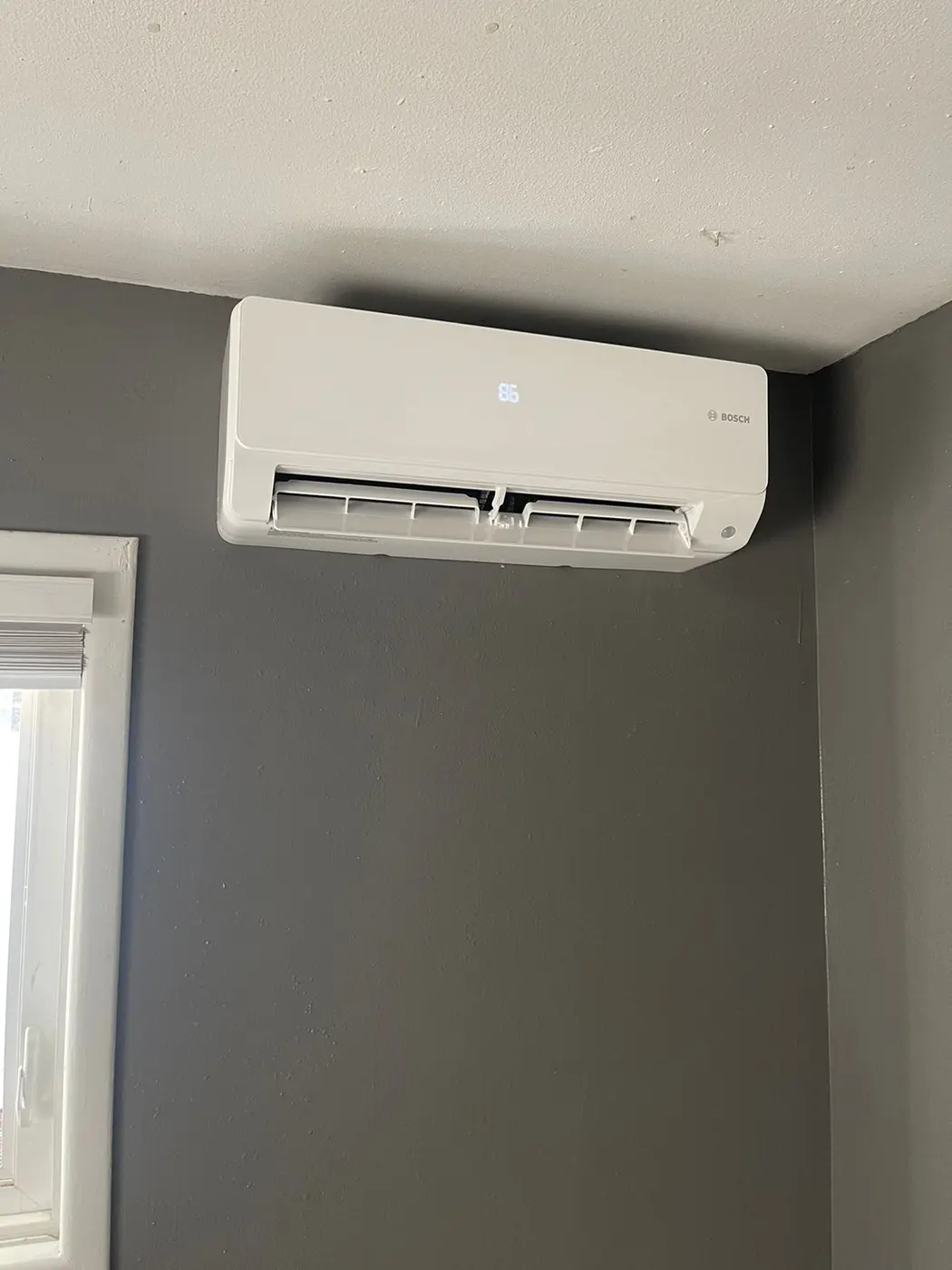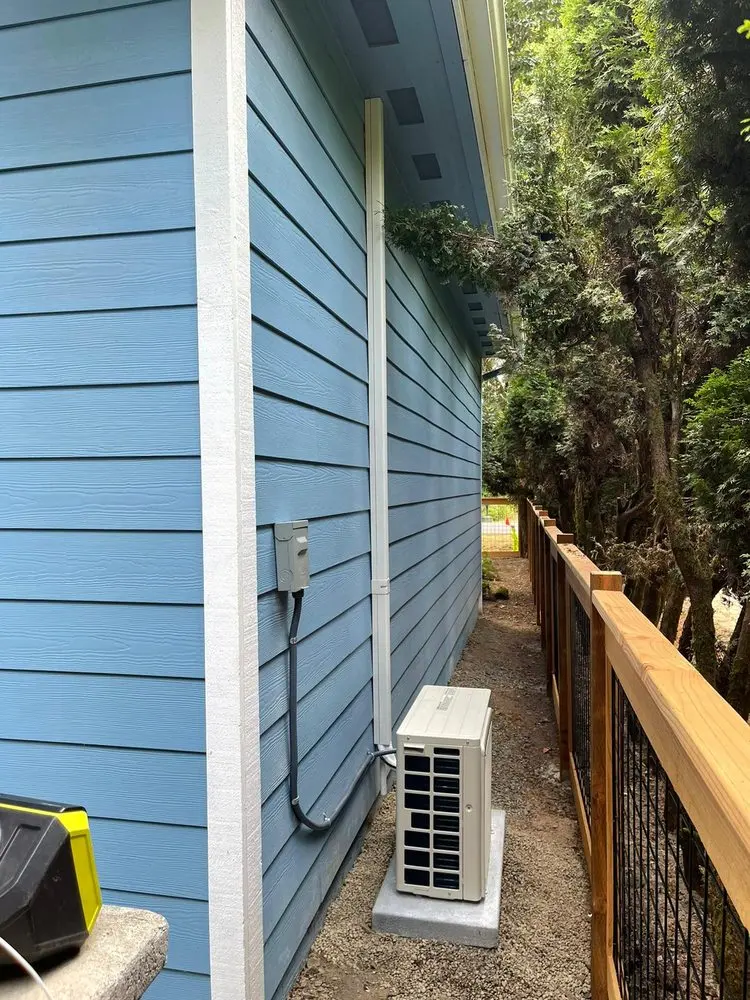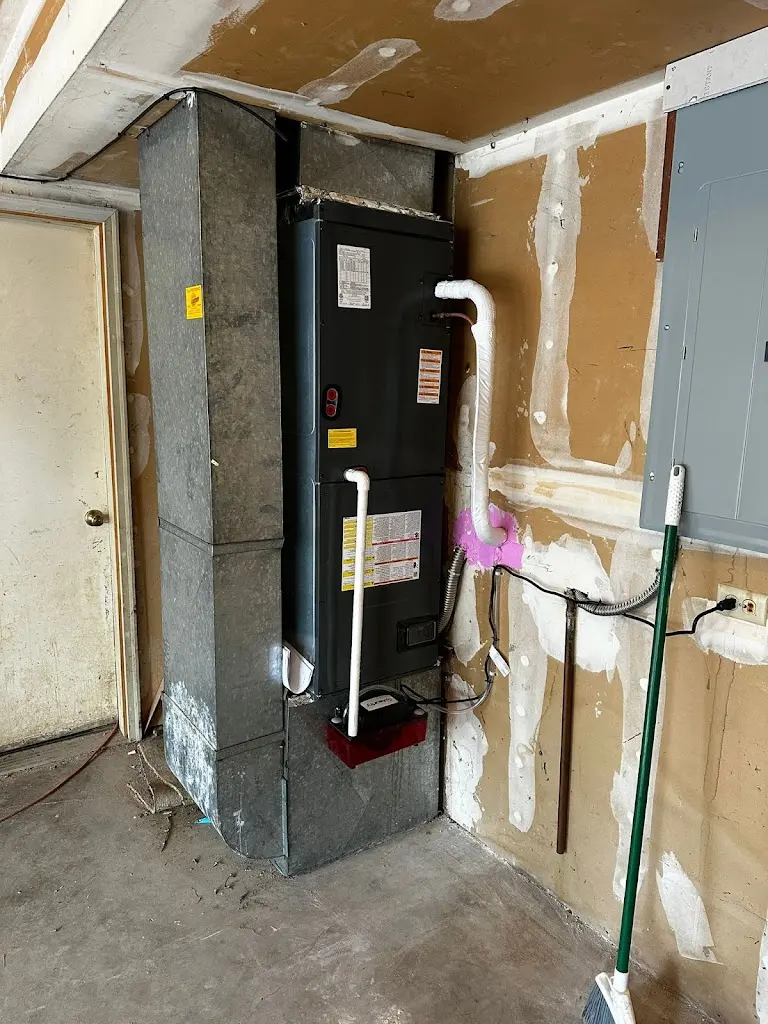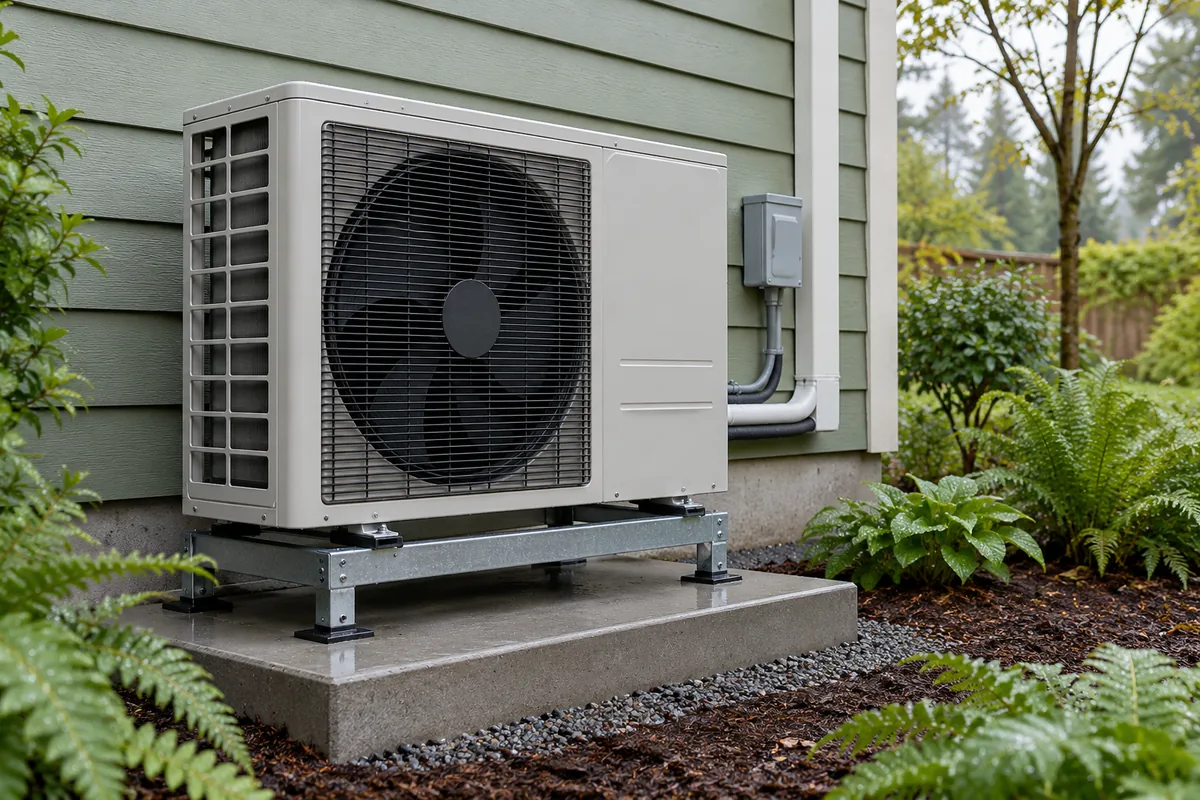




Heat Pump Installation and Energy Use in Salem
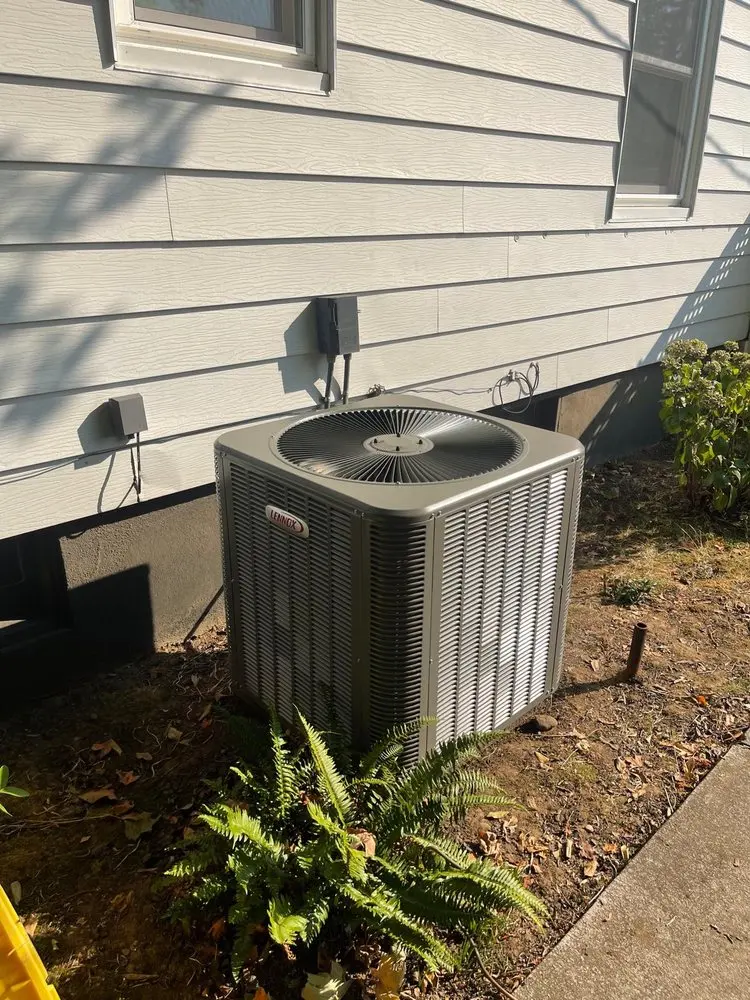
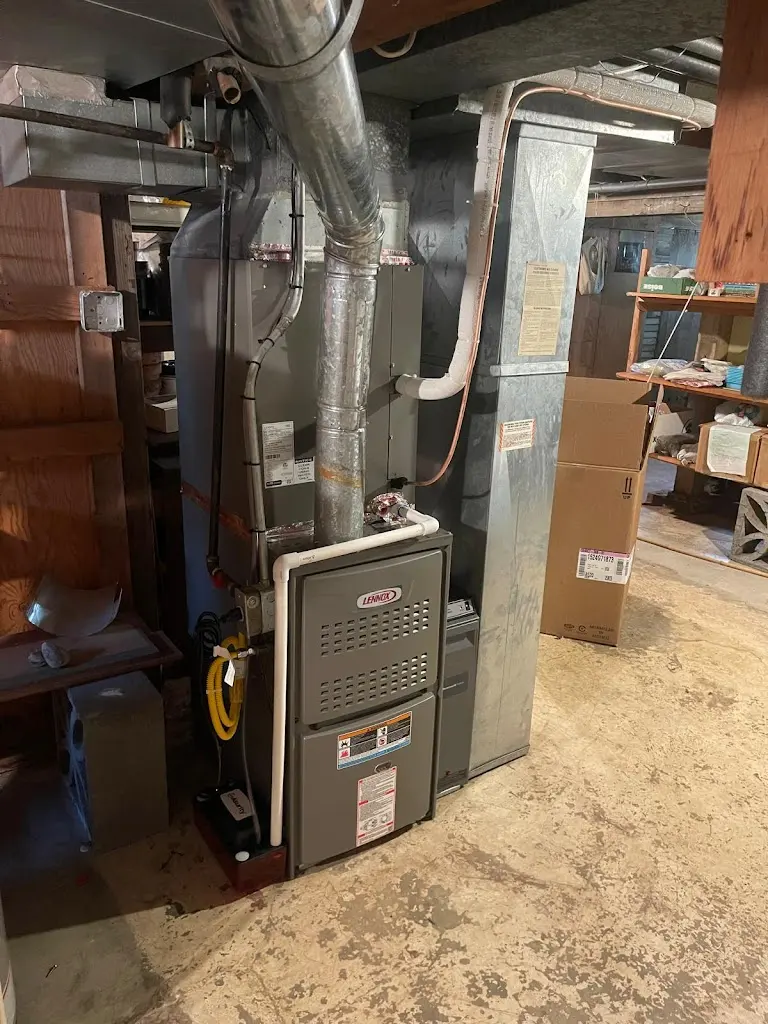
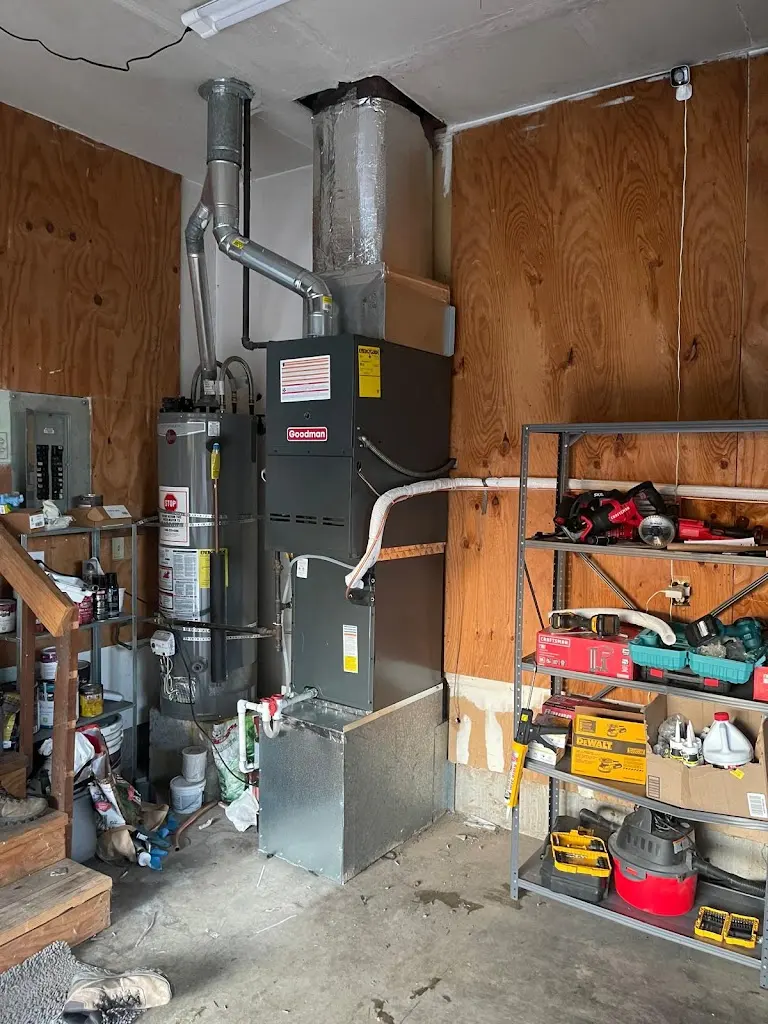
HVAC & Appliance Repair Guys provides heat pump installation in Salem, OR. If lower energy use is one reason for the change, explain what you want to compare. Replacing electric resistance heat presents a different starting point from replacing a gas furnace or an older heat pump. We offer a free on-site estimator visit for installation and replacement.
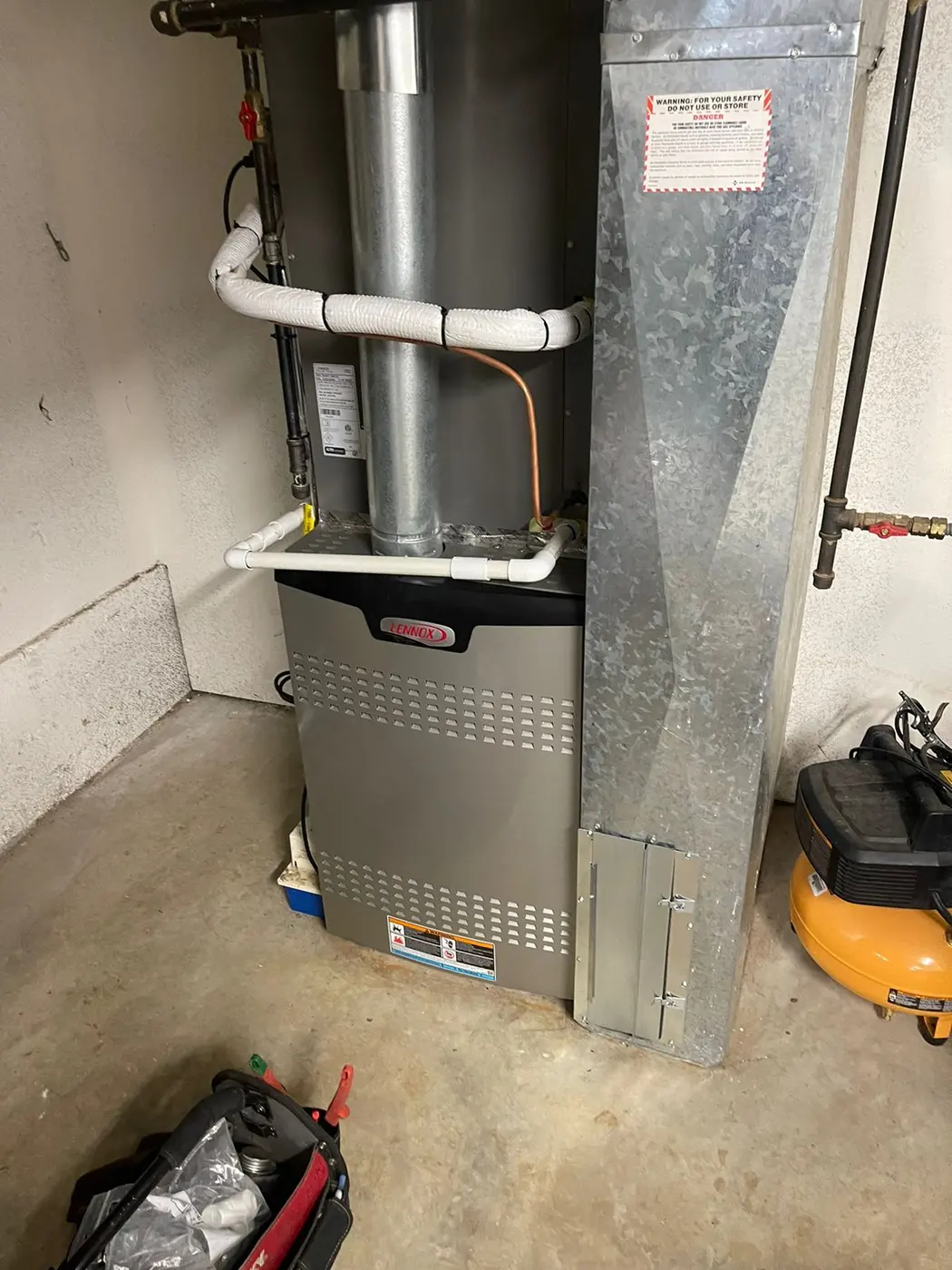
Describe the equipment now serving the home and which functions it provides. You may also want to add cooling where none existed before. That adds a new use to the comparison. A proposal should be clear about the comfort it adds as well as the equipment it replaces.
Our heat pump installation service covers the full project review. The estimate should connect the energy goal with the heating and cooling job. A product efficiency rating is useful information, but it cannot define the whole plan. The home and intended system use still matter.
Heating Efficiency, Cooling Efficiency and Capacity
Heat pumps have separate seasonal efficiency ratings for heating and cooling. HSPF2 describes heating efficiency, while SEER2 describes cooling efficiency. They address different operating functions. A strong cooling rating alone does not explain the heating choice, and neither rating states the exact amount of a future household bill.
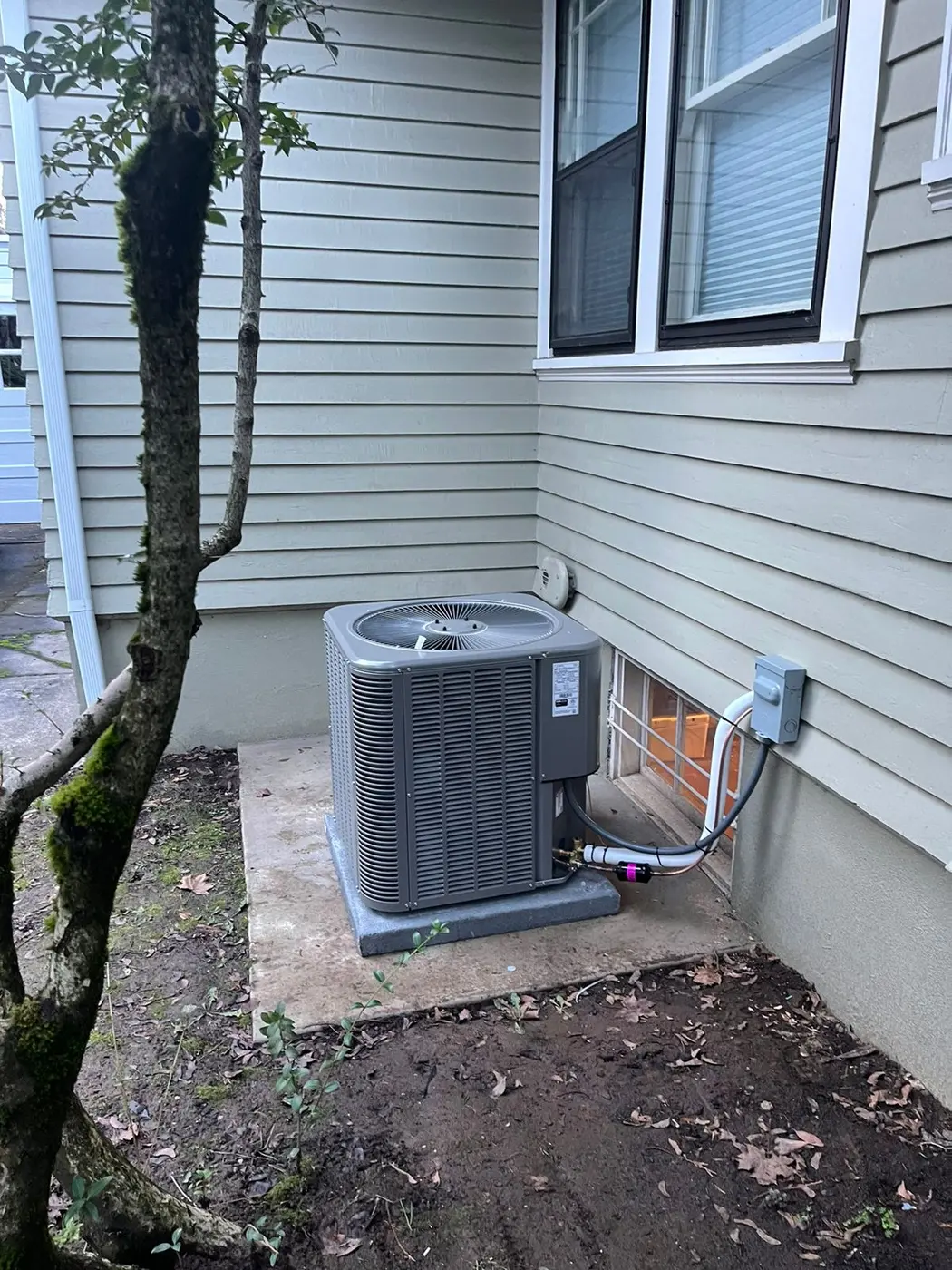
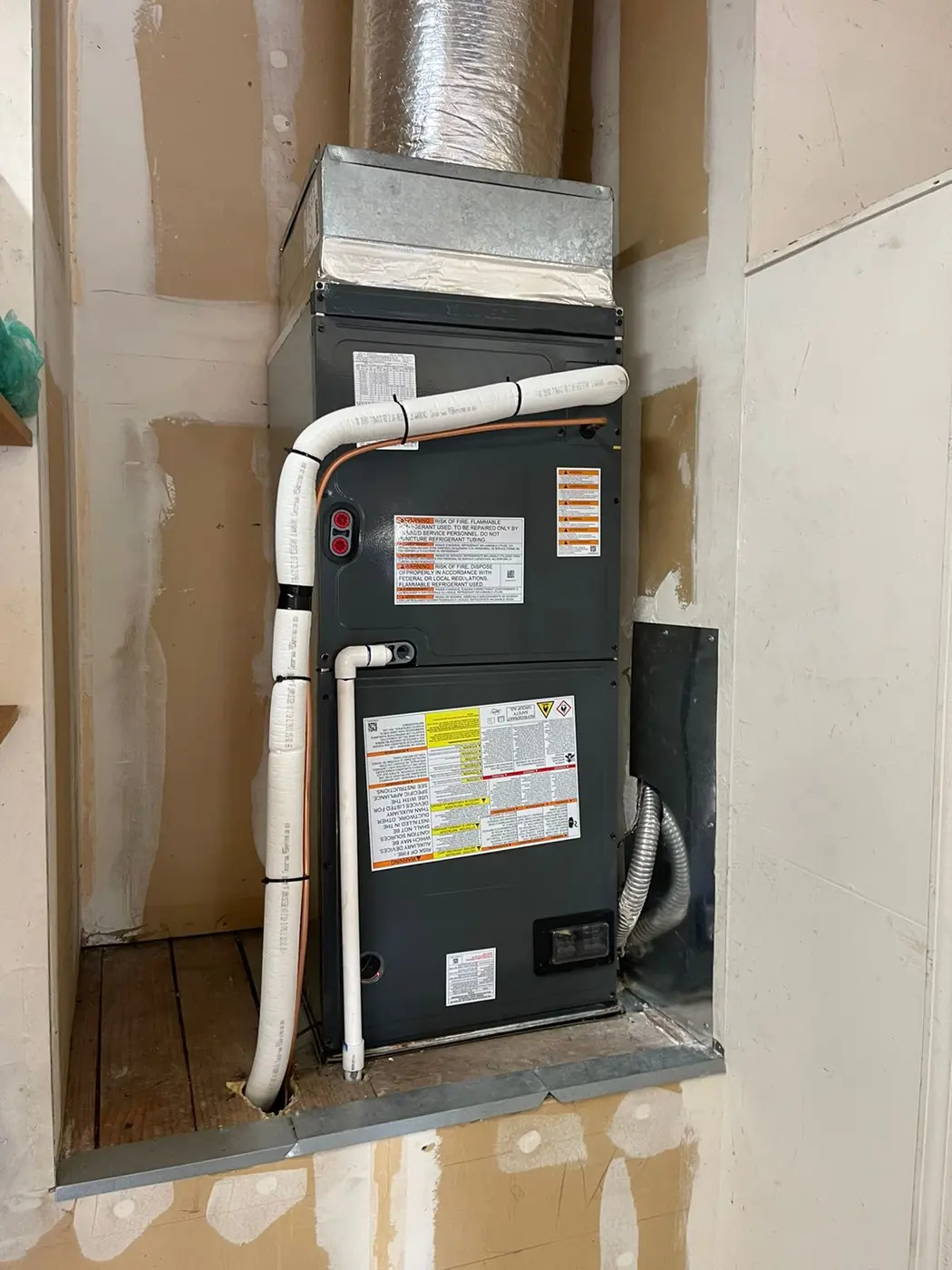
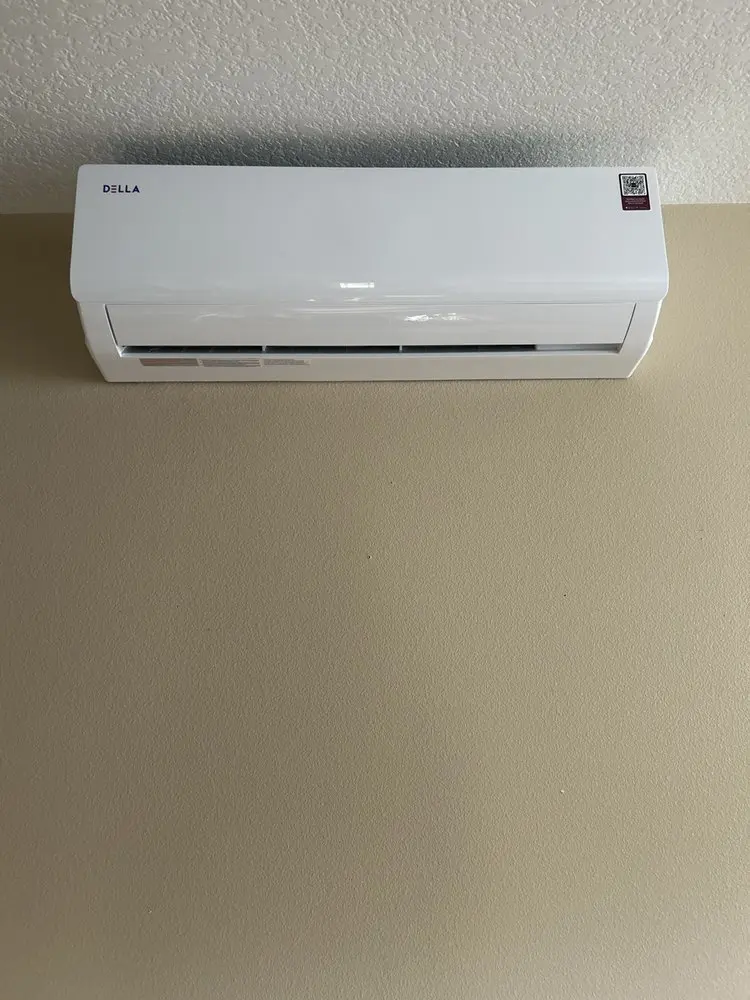
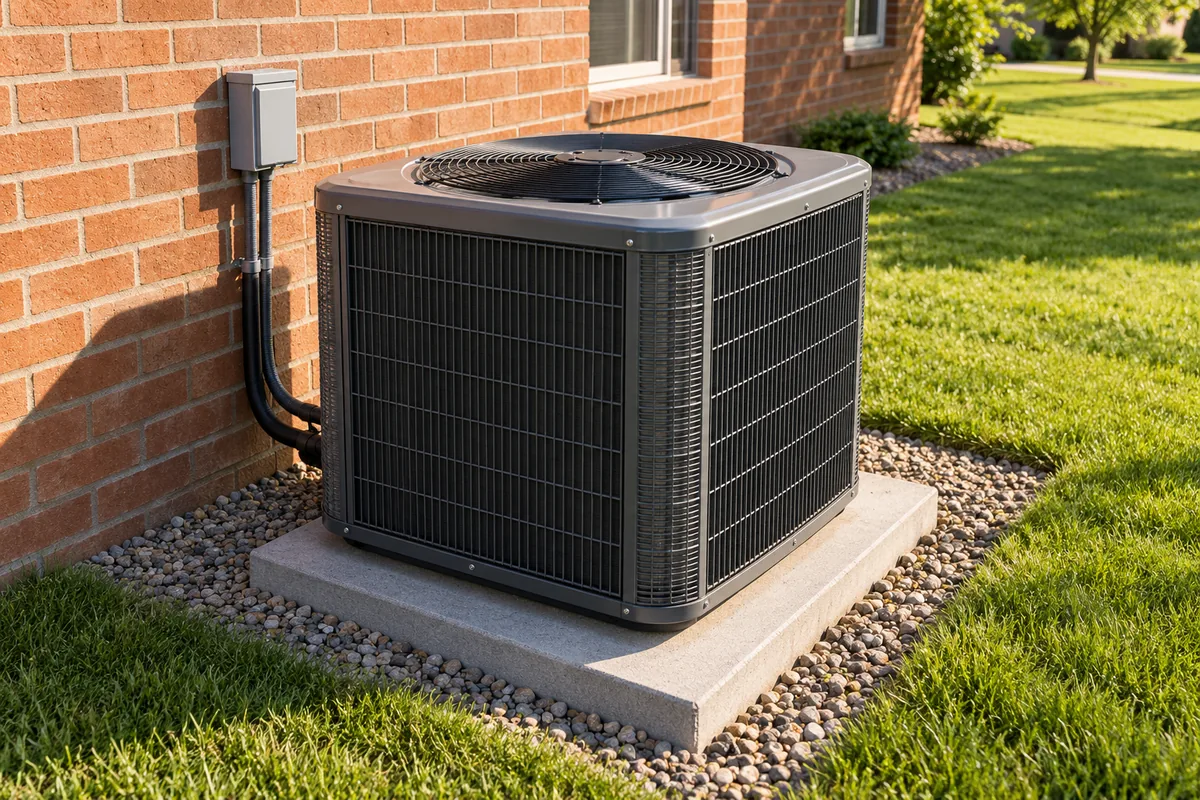
Ask which complete equipment combination supports the proposed ratings. The indoor unit, outdoor unit and controls belong in that discussion. If part of the existing setup will stay, identify it in the quote. Comparing only the most prominent number beside an outdoor model can leave out a difference in the installed system.
Keep capacity separate from efficiency too. The equipment must fit the assessed heating and cooling need. A higher rating is not a reason to skip the sizing or air-delivery review.
Ask how each option addresses the rooms that prompted the project. Include comfort problems that began before the current fault.
Energy Bills and Changes in Household Use
Past bills can help describe household use, but they may cover much more than heating. Note which appliances and other systems use the same energy source. Explain changes in occupancy, schedules or the spaces you heat. Those details help prevent a broad household total from becoming an assumed measurement of one piece of equipment.
If the replacement changes the heat source, compare the role of each fuel before and after the work. More electricity use does not, on its own, describe the change in total heating cost. The old heating source may now do less work. Any comparison needs clear assumptions about both the equipment and energy use.
One very warm or cold month is not a complete forecast. Weather, settings and the amount of space you heat or cool can affect the result. Ask which assumptions support an operating-cost estimate; uncertain inputs cannot establish a fixed saving or payback date.
Comparing Complete Installation Options
Compare the installed price and included work before deciding what a higher-rated option adds. One quote may change indoor equipment or controls that another keeps. It may also address an air-delivery concern. Those differences need explanation alongside the product rating so you can assess the project you would actually approve.
A broader change can also affect a retained heat source. Our HVAC installation service in Salem covers that wider plan.
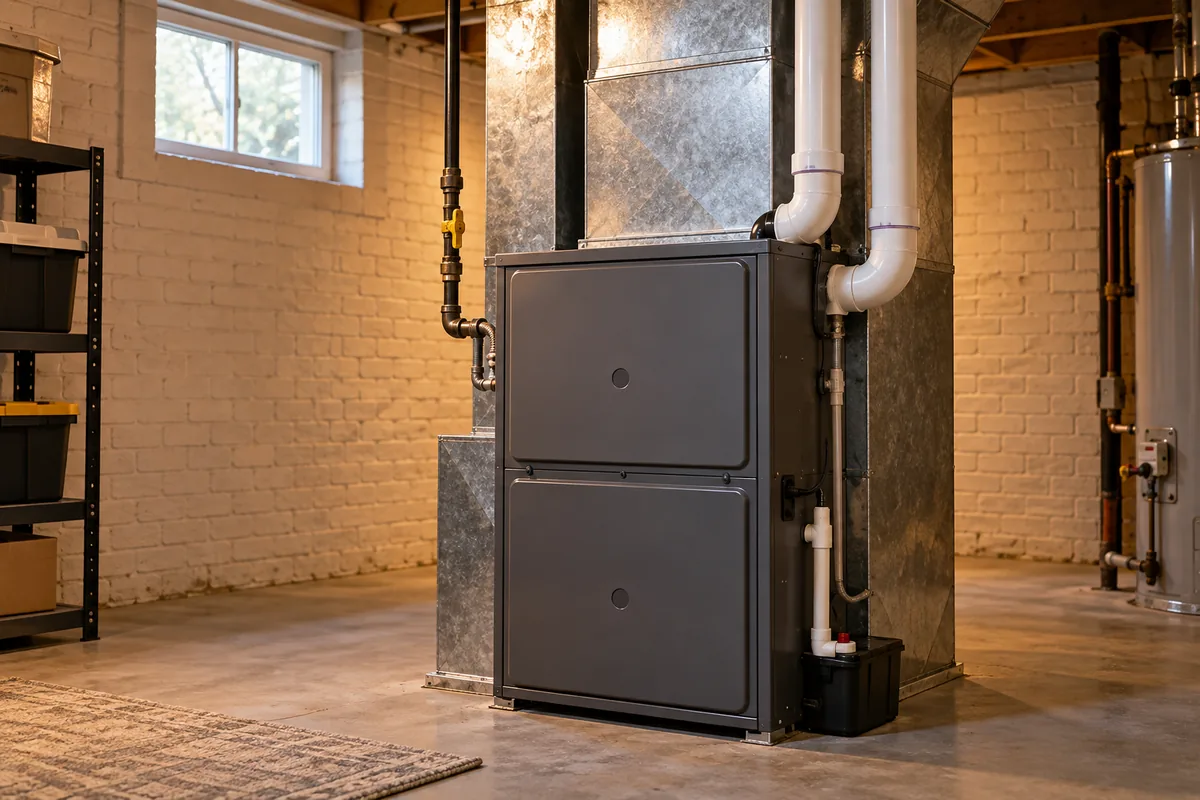
Define the role of each component in the finished arrangement. If one option keeps the furnace and another removes it, identify that difference. Compare the related work too.
If an active fault is driving high use or lost comfort, our heat pump repair service in Salem can assess that concern. Repair diagnosis is separate from the free installation estimate. A replacement decision can use confirmed findings without assuming the current bill proves which part has failed.
Installation Checks and Everyday Comfort
Before installation, agree on the equipment, work scope and expected interruption to heating or cooling. Keep the original comfort and energy goals with the proposal. At handover, review normal controls and any schedule you plan to use. Ask which operating checks support the finished setup and whether any work remains.
During normal use, report a room that remains uncomfortable without waiting for several billing cycles. Describe the mode, setting and observed result. A future bill may provide context, but it cannot replace a direct account of a comfort fault. Keep that concern separate from a general comparison of household spending.
Keep the final model details if the proposal changes during installation. Later energy comparisons should reflect the equipment actually installed and how you use it. An efficiency rating does not guarantee the same saving in every home.
Contact HVAC & Appliance Repair Guys to request a free on-site heat pump installation estimate in Salem and discuss your heating, cooling and energy-use goals.
Frequently Asked Questions
Will a more efficient heat pump always lower my total bill?
A rating alone cannot promise that result. Energy prices, weather, household use and the condition of the old equipment affect the comparison. Adding cooling may also add a function you did not use before. Discuss those factors during the estimate instead of relying on a fixed dollar-saving claim.
Should I bring energy bills to the estimator visit?
You can share usage information that helps explain your concern. Include the period covered and any major change in how you used the home. A bill is supporting context rather than a stand-alone equipment test. You do not need a perfect history to request an installation estimate.
Can I compare two efficiency options without choosing the most expensive one?
Yes. Ask what each complete option changes in equipment, required work and normal operation. Keep your stated comfort goals the same for the comparison. A higher price may cover more than an efficiency difference. Identify those additions before deciding what matters to you.
What if I plan to heat more rooms after the upgrade?
Explain that goal before the estimate is final. The new project would then provide more service than the old setup, which changes the basis for an energy-use comparison. Identify the rooms and their intended use. The proposal should account for that expanded job instead of assuming unchanged demand.
Request Heat Pump Installation in Salem, OR
For heat pump installation in Salem, OR, call HVAC & Appliance Repair Guys or submit a service request through the form on this page.