



Garbage Disposal Repair for the Current Symptom
HVAC & Appliance Repair Guys provides garbage disposal repair in Woodburn for operating faults and leaks at the unit or its connections. The current source and condition determine the suitable task. Describe the noise, shutdown or water release, with earlier work and its result as supporting history when available.
If a concern returns, say when it began and whether it matches the earlier behavior. A new wet area may involve another connection. A unit that now stays silent raises a different question from a previous drip. The current finding should guide the next repair.
Earlier Repairs and Results at Each Sink
Keep the model, sink location, date, task and result when known. A useful record connects the part changed with the original fault.
For multiple units, identify the affected sink and keep its record distinct, qualifying any details recalled from memory.
Sink-Use Leaks and Disposal Operating Faults
A connection can release water while the basin drains even when the motor is not running. That is a source question rather than proof of an operating fault. A disposal that will not start can present the opposite situation. Its silence does not by itself establish a problem in the connected drain.
Compare the timing and location of the present symptom with the old account. Do not run a faulty unit again to reproduce it. Keep hands out and leave it off for assessment.
New Wet Areas and Current Leak Sources
Leak detection in Woodburn can help when the origin of moisture is unclear. Water can travel before it gathers under the disposal. The first wet area and the lowest drip may therefore differ. An old equipment repair does not settle that source question.
A current mounting or discharge leak may need different work from an earlier operating repair. The source finding should identify the new task.
Normal Operation between Recurring Faults
Note roughly how long normal operation lasted and whether the current sound or shutdown follows the earlier pattern. Approximate dates are useful when clearly identified as estimates.
Report resets or adjustments already attempted and the response afterward. Do not retry the unit to improve the account.
Separate Pipe Repairs and Equipment Options
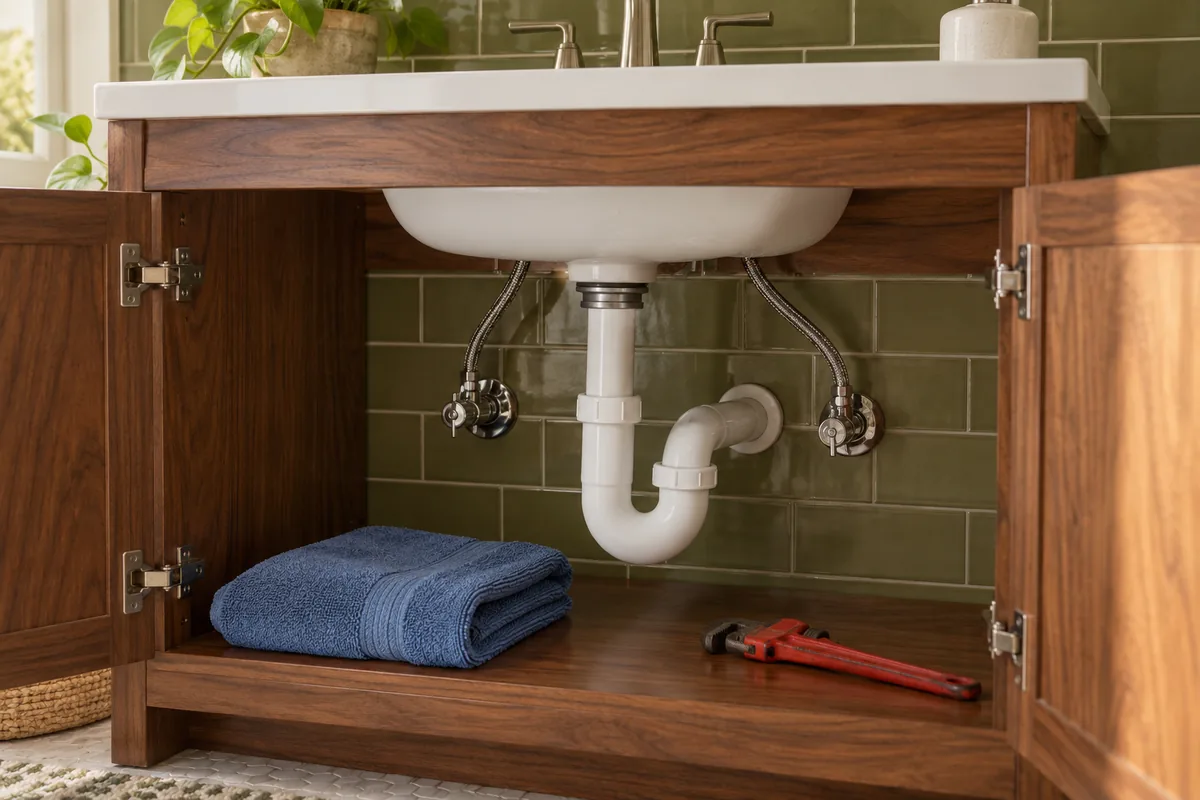
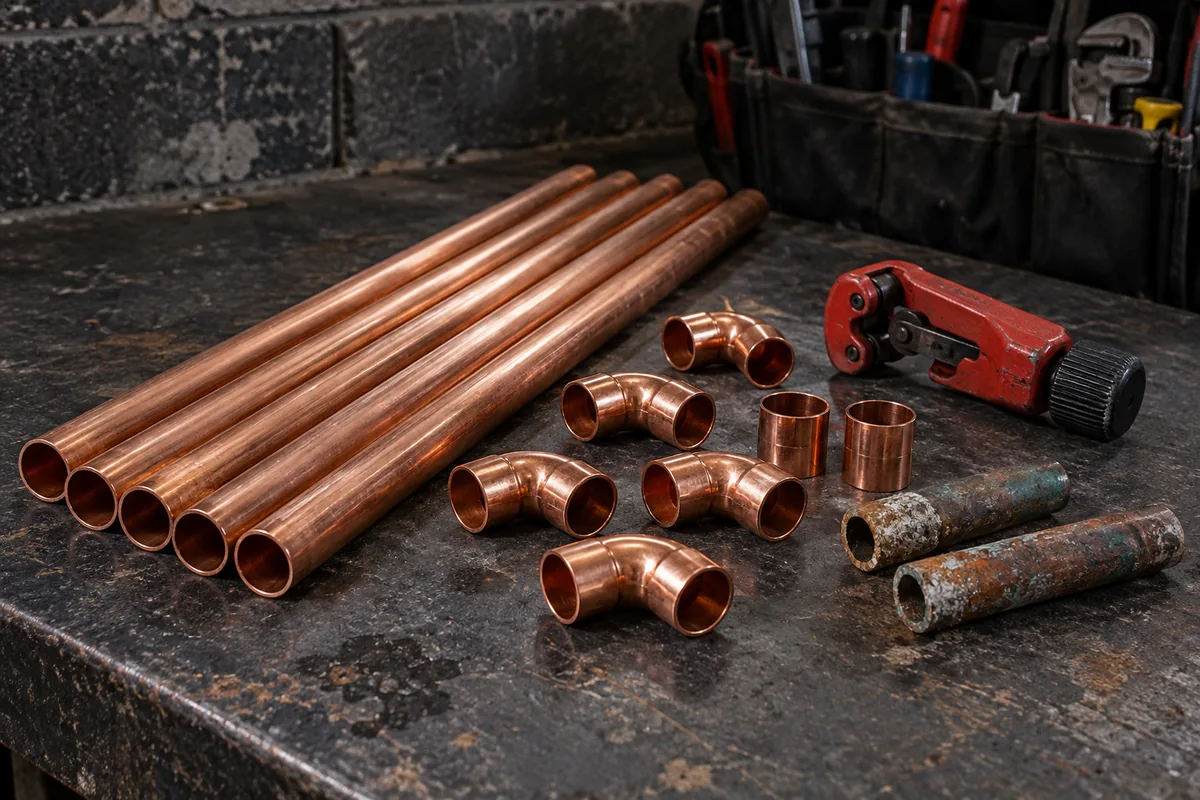
Pipe repair in Woodburn addresses damaged connected piping or joints. Identify its defect and affected section separately from equipment-part work.
Compare repair with replacement from the current condition, including access, retained connections and any fitting changes.
Separate Drain Restrictions and Finish Restoration
A sink that drains poorly can have a restriction beyond the unit. Replacing or restoring the disposal does not clear it by itself. Describe standing water separately from the motor response.
Clarify cabinet or finish restoration separately from stopping the source. The agreement should identify included and remaining material work.
Operating, Leak and Drainage Results
Completion checks should address the fault and relevant connections repaired during this visit. Equipment operation, a dry joint and clear drainage are distinct results.
Save the current work and result with earlier records. A later concern still needs its own symptom and source assessment.
Request garbage disposal repair in Woodburn from HVAC & Appliance Repair Guys through the service form below. Describe the current noise, shutdown or leak and how long normal operation lasted after earlier work; leave a faulty unit off.
Frequently Asked Questions
Does a similar noise prove the same internal problem?
No. The current condition still needs assessment. Similar sounds can occur in different fault patterns.
Request Garbage Disposal Repair in Woodburn, OR
For garbage disposal repair in Woodburn, OR, call HVAC & Appliance Repair Guys or submit a service request through the form on this page.