



Gas Line Repair and Route Changes in Oregon City
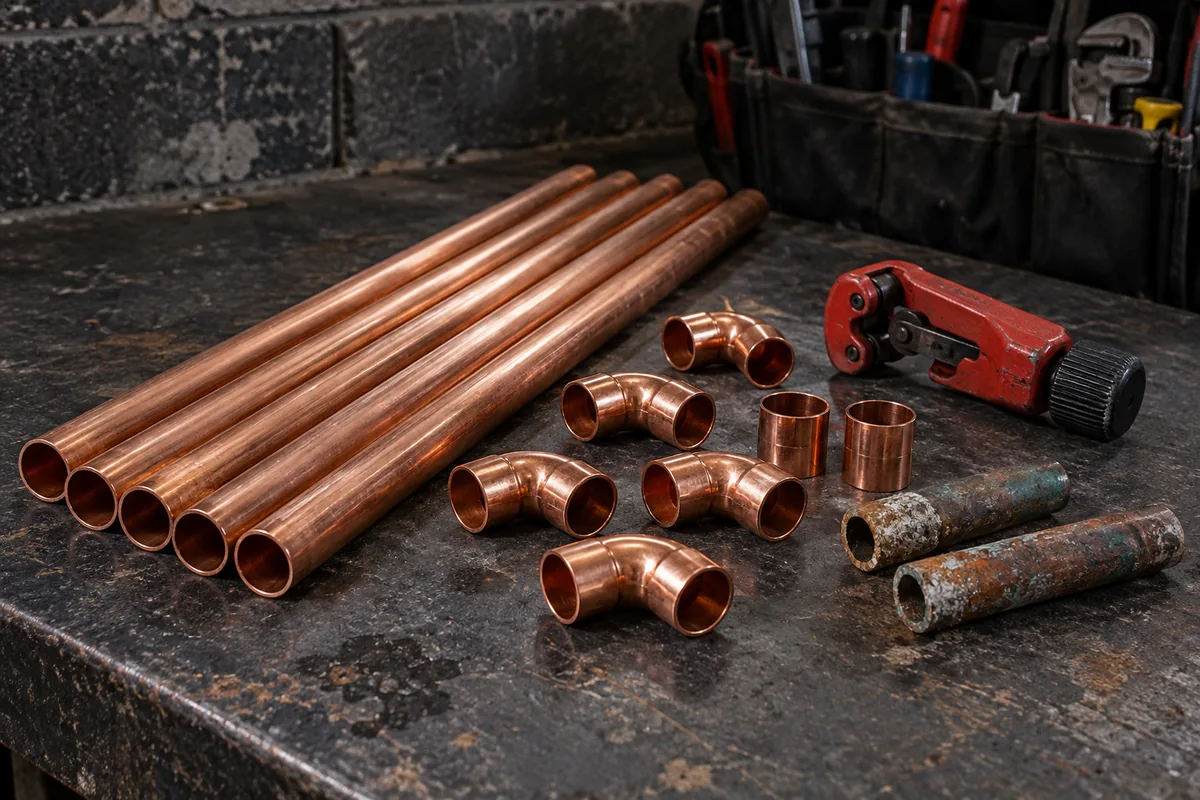
HVAC & Appliance Repair Guys provides gas-line repairs, appliance additions and relocation work in Oregon City. The equipment’s fuel requirements and the supply path determine which piping and connections need attention. A visible section is only part of the route; concealed branches and shared demand may also affect the plan. If you suspect an active gas leak, leave the area at once. Avoid flames, electrical switches and phone use nearby. From a safe location, call 911 for emergency help. Do not wait for a routine appointment or try to find the leak.
Provide reliable records if available and describe limits on access. State which parts of the route you know and which remain uncertain. Do not open fittings or expose piping to fill gaps in the initial account. The service review should determine how to assess those details within the planned task.
The Final Connection Is Only One Endpoint
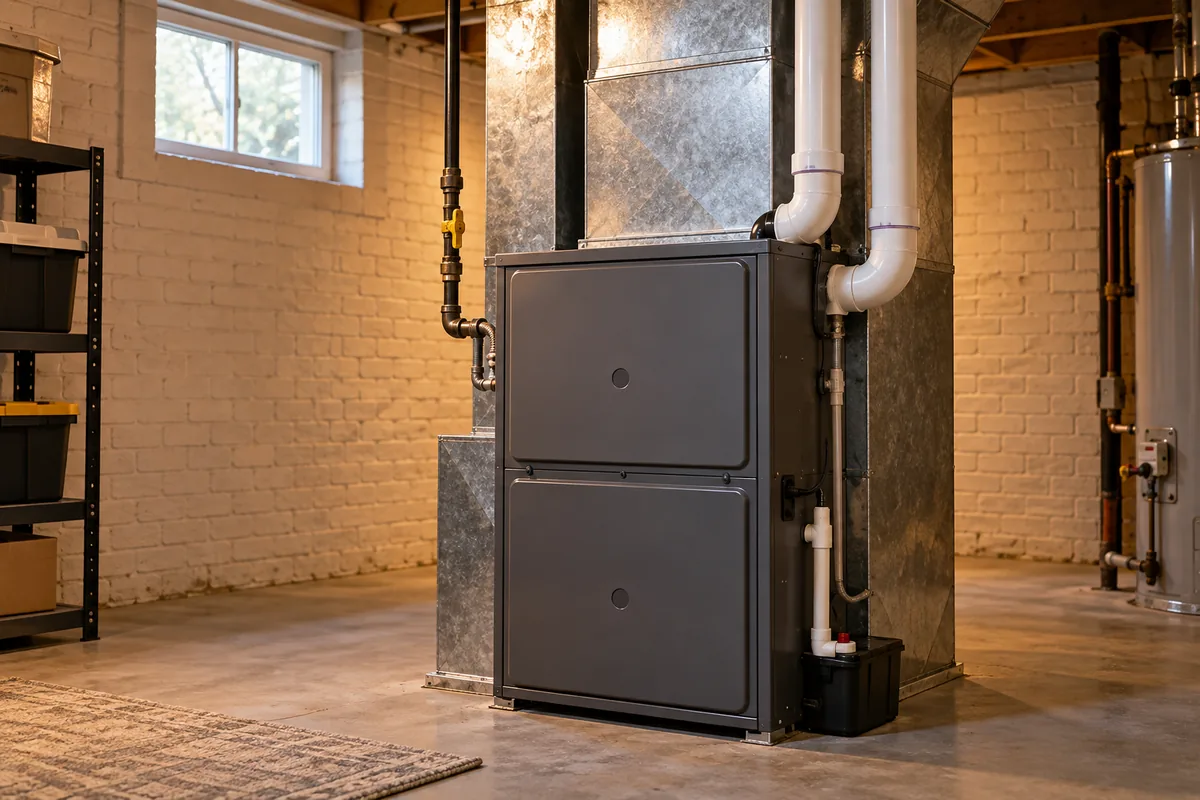
The connection beside an appliance is the end of a longer supply path. A change there may rely on an existing branch farther back in the arrangement. Other equipment can share part of that route. The review needs to account for that relationship before it decides which sections can serve the new demand.
Confirm the start and endpoint of the changed section, the existing supply it relies on and the appliance it will serve. Those details define a route extension more clearly than its visible length alone.
Appliance Model, Fuel and Destination
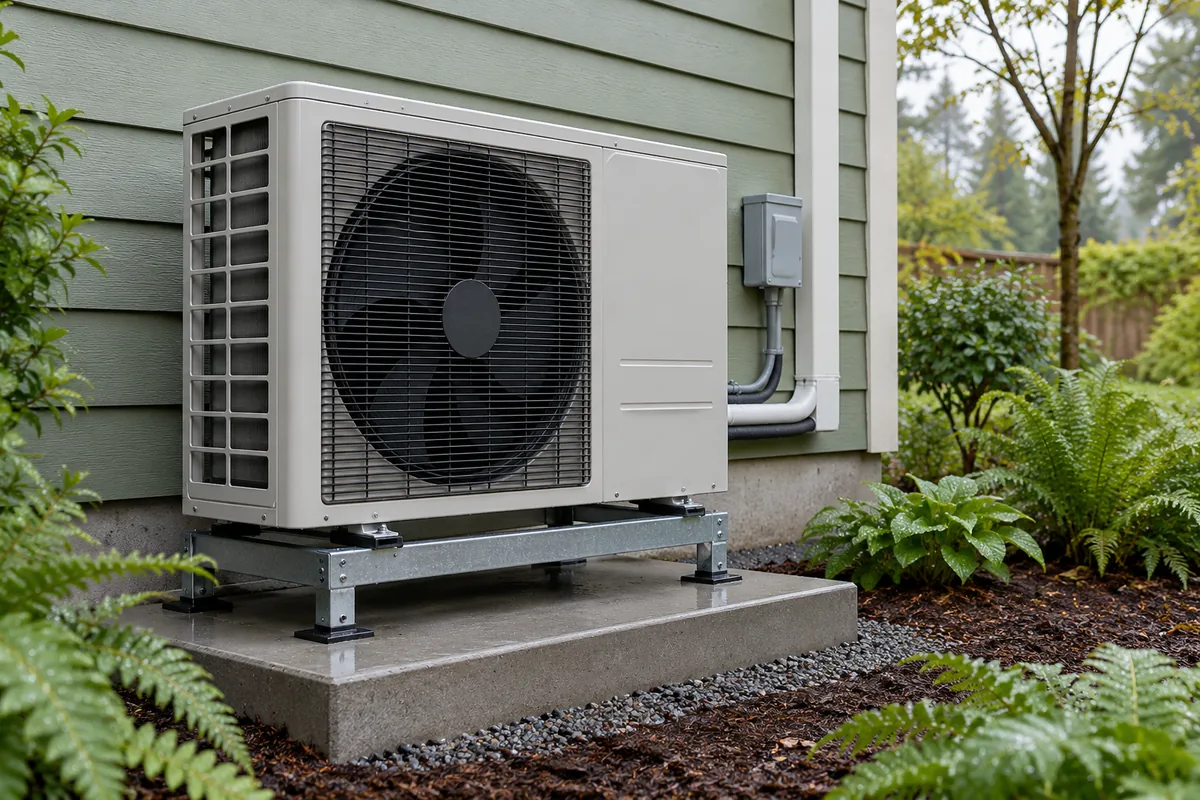
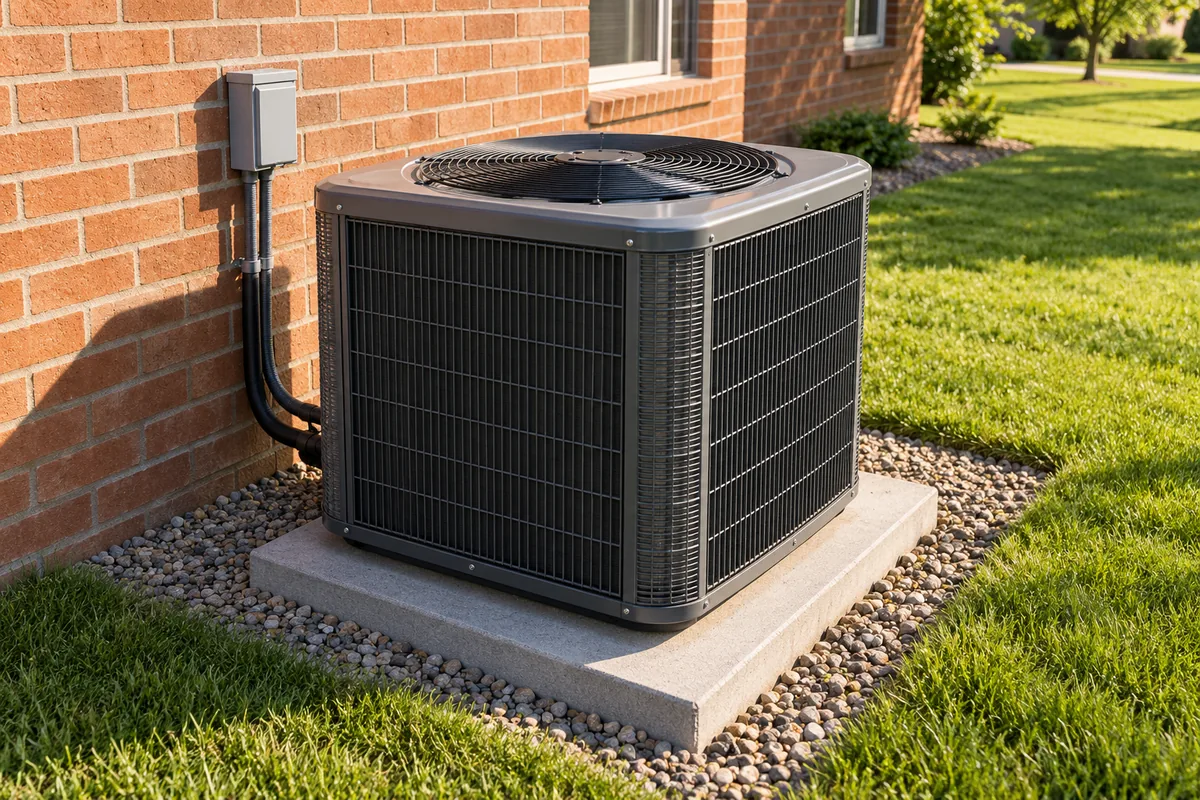
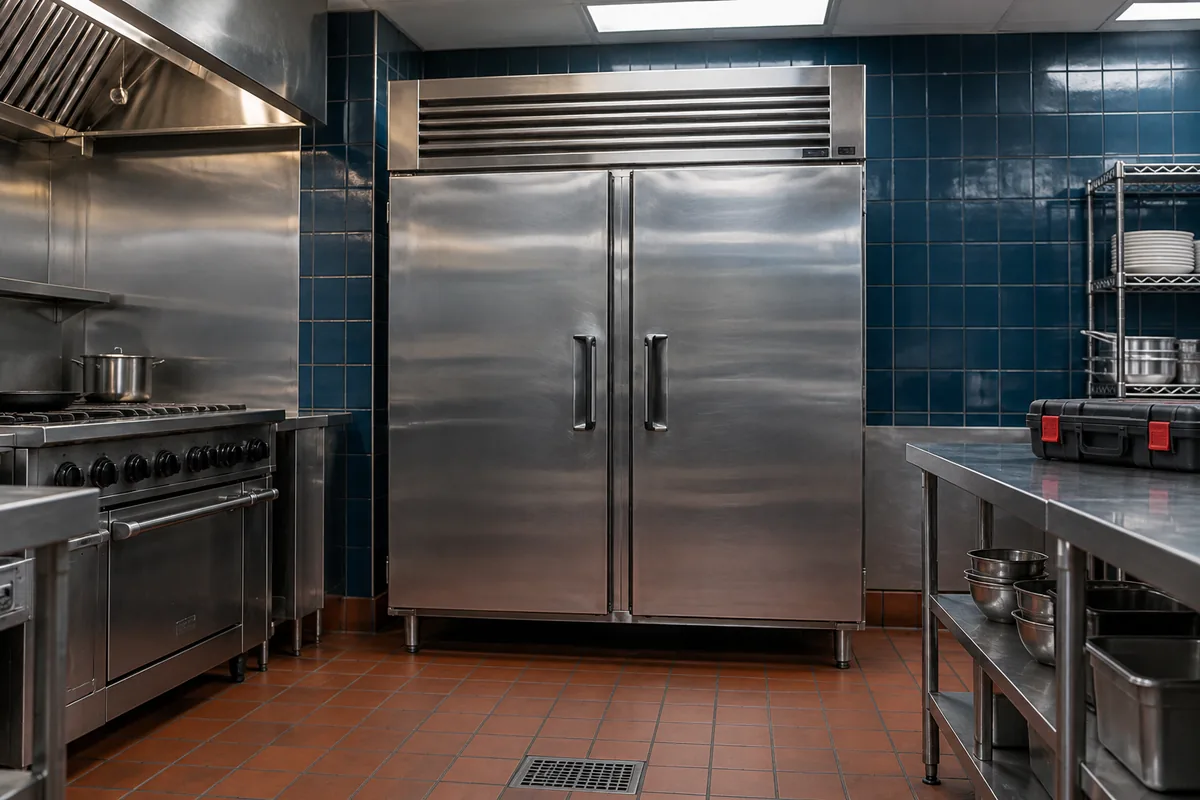
Share the intended fuel and exact model when you have chosen it. A natural gas appliance and another fuel setup may raise different requirements. A new unit may also differ from the one it replaces. The route review should use the current equipment choice, not a guess based on the room or an old connection.
Identify an undecided model or location before finalizing the scope. Update the plan if either changes so the piping assessment reflects the equipment and destination you actually choose.
Existing Records and Concealed Branches
Share earlier drawings or work records with their dates and known later changes. They can explain concealed routes, but their documented scope is not proof of the entire current layout.
The assessment needs to establish the supply relationships relevant to the project, including any hidden branch or shared section. The easiest pipe to see may not define the full task.
Access Openings and Surface Restoration
Tell us about finished surfaces or restricted spaces that may affect the route. Describe them without removing covers, opening gas connections or moving equipment. Any opening needed for the task should be agreed as part of the work; you do not need to expose the piping before requesting service.
Access and restoration of the surrounding surface are separate tasks. The agreement should say which are included. A gas-piping repair in Oregon City does not automatically cover a wider remodeling project.
Water Heater Installation and Other Plumbing Tasks
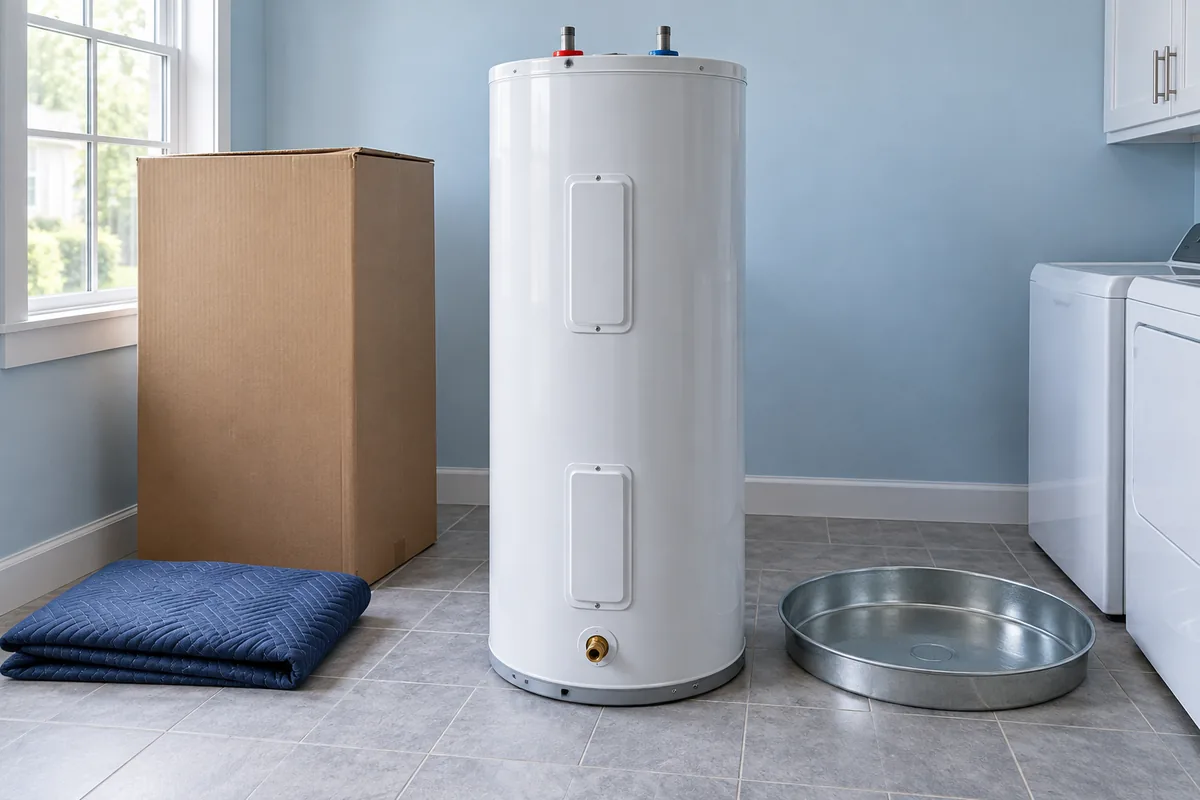
Water heater installation in Oregon City has its own equipment scope. If a heater change raises the gas supply question, name both tasks in the request. The proposal should explain which work concerns the unit and which concerns the route supplying it. Their connection does not make the two scopes identical.
A plumber in Oregon City can assess other water or drain needs separately. Identify their locations and purposes. They may share access with gas piping while still requiring different work.
Route Changes, Price and Completed Work
If a finding changes the route, we explain the revised scope before adding work. The update should show which endpoint, connection or access requirement changed and how it affects the price.
Retain the equipment served, affected route, relevant checks and any remaining appliance or surface task. The result covers the assessed scope; future work needs review against its own requirements.
Contact HVAC & Appliance Repair Guys to request gas-line repair, an appliance addition or relocation in Oregon City. For a suspected active leak, take the emergency steps above instead of waiting for a routine appointment.
Frequently Asked Questions
Does one exposed pipe reveal the concealed supply route?
No. It shows only the visible section. The project review needs to establish any hidden branches or shared supply relationships relevant to the proposed task.
Should the endpoints be clear before I approve the work?
Yes. They help identify the affected route and connections. The agreement should explain which equipment the changed section will serve.
Can a route plan change when I choose a different appliance?
Yes. A new model or fuel requirement can affect the supply question. Share that choice before relying on the earlier piping scope.
What if the only available drawing is old?
Provide it with its date and any known later changes. Its information can help the review without proving that the current layout matches every detail.
Request Gas Line Services in Oregon City, OR
For gas line services in Oregon City, OR, call HVAC & Appliance Repair Guys or submit a service request through the form on this page.