



Water Heater Installation in Oregon City
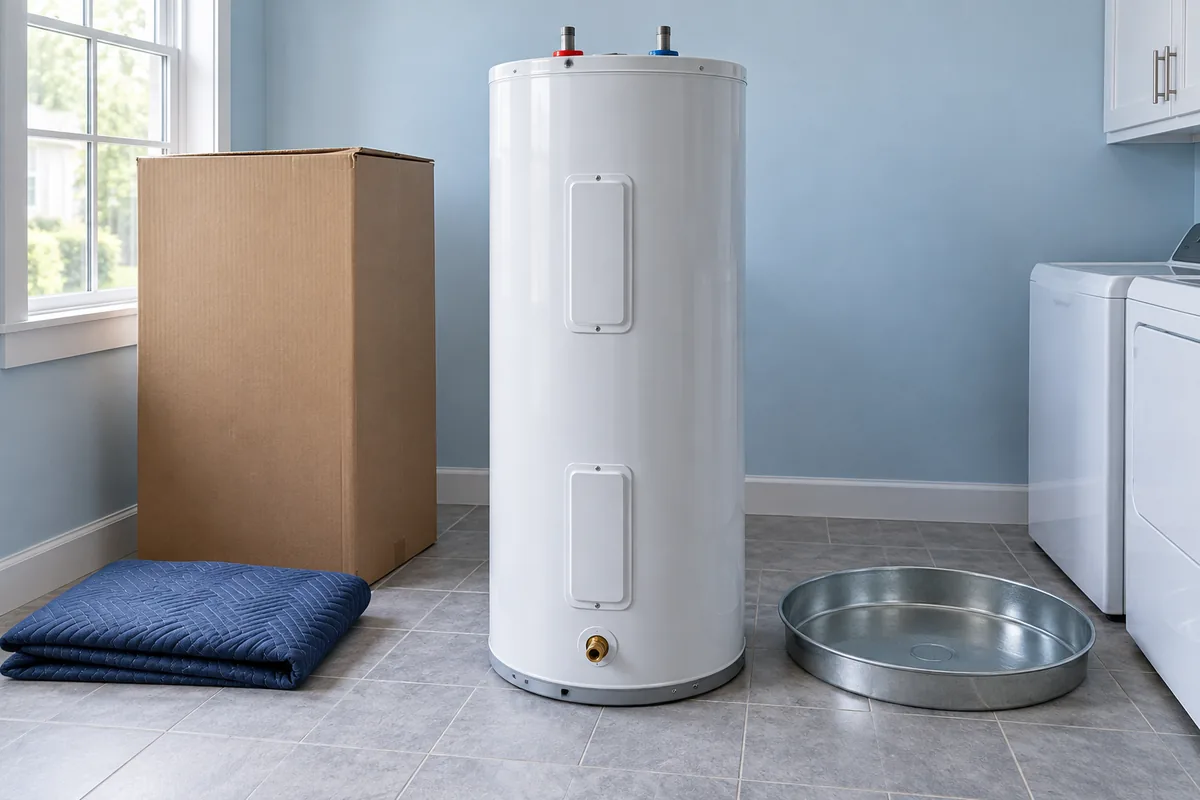
HVAC & Appliance Repair Guys provides water heater installation in Oregon City. Choose equipment for the intended hot-water demand, location and connections, with removal and delivery routes included in the plan. A unit can fit its final position while still requiring work to reach that space.
Describe stairs, a separate entrance or a restricted passage to the equipment area. Use details you know and keep any uncertainty clear. The site determines the relevant access plan. We do not assume every property needs the same removal method or installation work.
Equipment Routes, Dimensions and Access Contacts
Name the entrance that leads to the unit and any turn, step or door along the way. A wide room does not establish that the approach to it is equally open. The current heater’s presence is useful context. It does not prove that a different model can use the same route without review.
If you have reliable measurements, share what they describe. A doorway measurement and the space around the installed unit answer different questions. If a dimension is unknown, say so. You do not need to move equipment or remove a panel to make the estimate request complete.
Mention cabinets, finishes or storage changes that may affect access since the previous installation. We plan from the present layout.
When arranging the estimate, identify who can open locked or shared spaces along the route. Property entry alone may not provide access to the entire equipment area.
Old-Heater Removal, Placement and Finish Restoration
The old unit and new equipment can have different dimensions. Their routes out and in both need attention. Ask how the proposal handles those tasks. An equipment-only price does not explain removal or placement by itself.
Confirm enclosure or surface work needed for access and any restoration included in the estimate. Opening a finish and restoring it may be separate tasks.
Leave the current heater and connections intact while planning. Describe access limits; do not disconnect a line or shift the tank to test an idea.
Heater Relocation and Existing-Location Requirements
A proposed move can change piping routes, energy connections and service access. Identify the location you want before choosing equipment for it. A convenient spot does not establish the work needed to use it. We review the model and site together. If gas-supply piping work is needed, discuss gas line services and confirm whether it is included in the installation proposal.
Keeping the old location also requires a model check. A similar tank capacity can still mean different dimensions or connection positions. The unit needs room for the access its design requires. We consider that layout along with intended hot-water output.
Hot-Water Capacity and Installation Connections
The proposal should identify the unit, connection work and any access task. Moving the heater to another position changes that project. If your goal is to address a current fault, water heater repair in Oregon City concerns a different service.
Explain the uses that overlap and whether the earlier supply met your needs. A storage heater’s volume and recovery rate affect supply during busy periods. A tankless model has a flow limit linked partly to the required temperature rise. Review those output needs alongside dimensions, water connections and energy requirements.
Installation Estimates, Scheduling and Start-Up Checks
Planned installation estimates are free. Before the visit, review equipment, removal, placement, connections and access work. We explain any additional task and price change before proceeding.
We discuss timing and the interruption the installation needs. Identify the contact who can approve changes as well as the person providing entry. After the agreed work, we check the relevant operation and connections. We explain basic use and care for the selected unit and the completed scope.
Contact HVAC & Appliance Repair Guys to request a free planned water heater installation estimate in Oregon City. Describe hot-water needs, the proposed location and the route for removing and delivering equipment.
Frequently Asked Questions
Does a replacement always stay in the existing position?
The location is a project decision. A proposed move needs its own routing and connection assessment.
What if I do not know the doorway or equipment dimensions?
Keep that detail uncertain instead of guessing. Share the model and layout information you do have. We discuss which site details the installation plan needs to confirm.
Can removal and installation have different access needs?
They may, particularly when the new equipment differs. Both belong in the planning discussion.
Request Water Heater Installation in Oregon City, OR
For water heater installation in Oregon City, OR, call HVAC & Appliance Repair Guys or submit a service request through the form on this page.