


Trane HVAC Maintenance for Heating and Cooling
HVAC & Appliance Repair Guys provides Trane HVAC maintenance in Portland Metro. Care follows the installed equipment, its heating and cooling use, completed work and current operating changes. The last service date is useful context, but does not describe every task or condition.
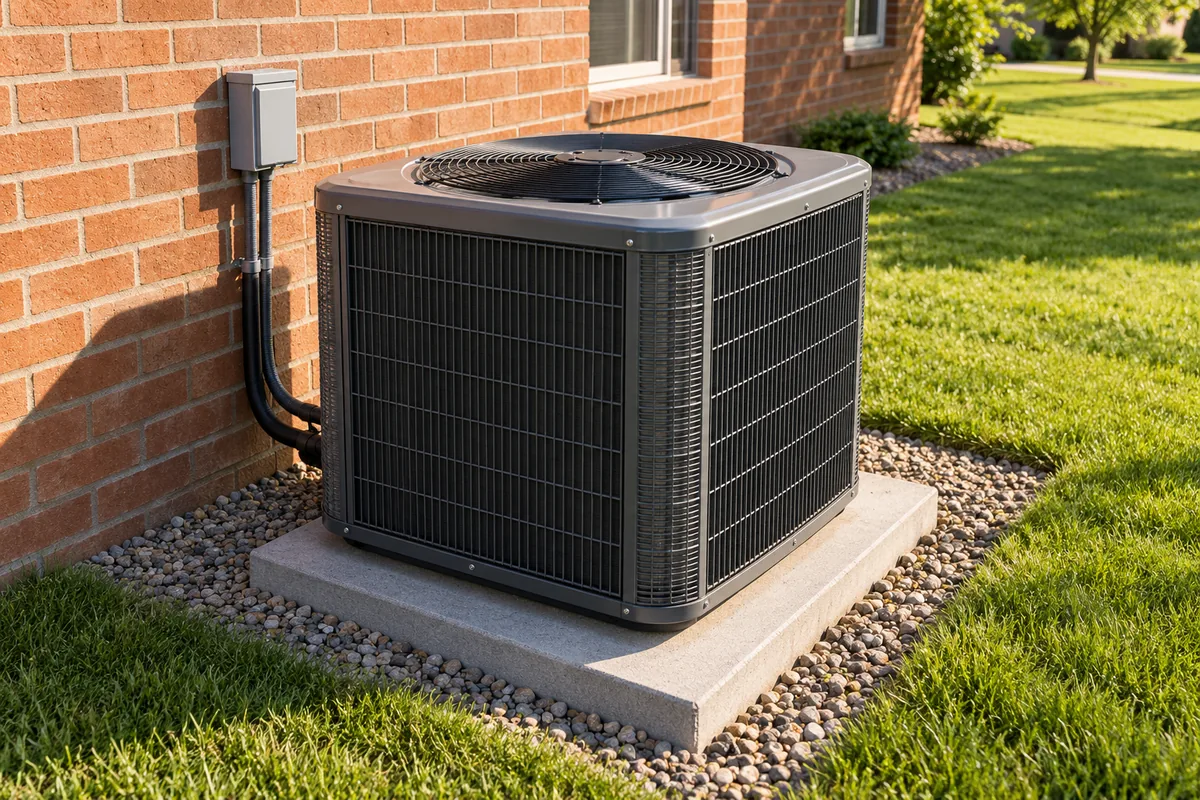
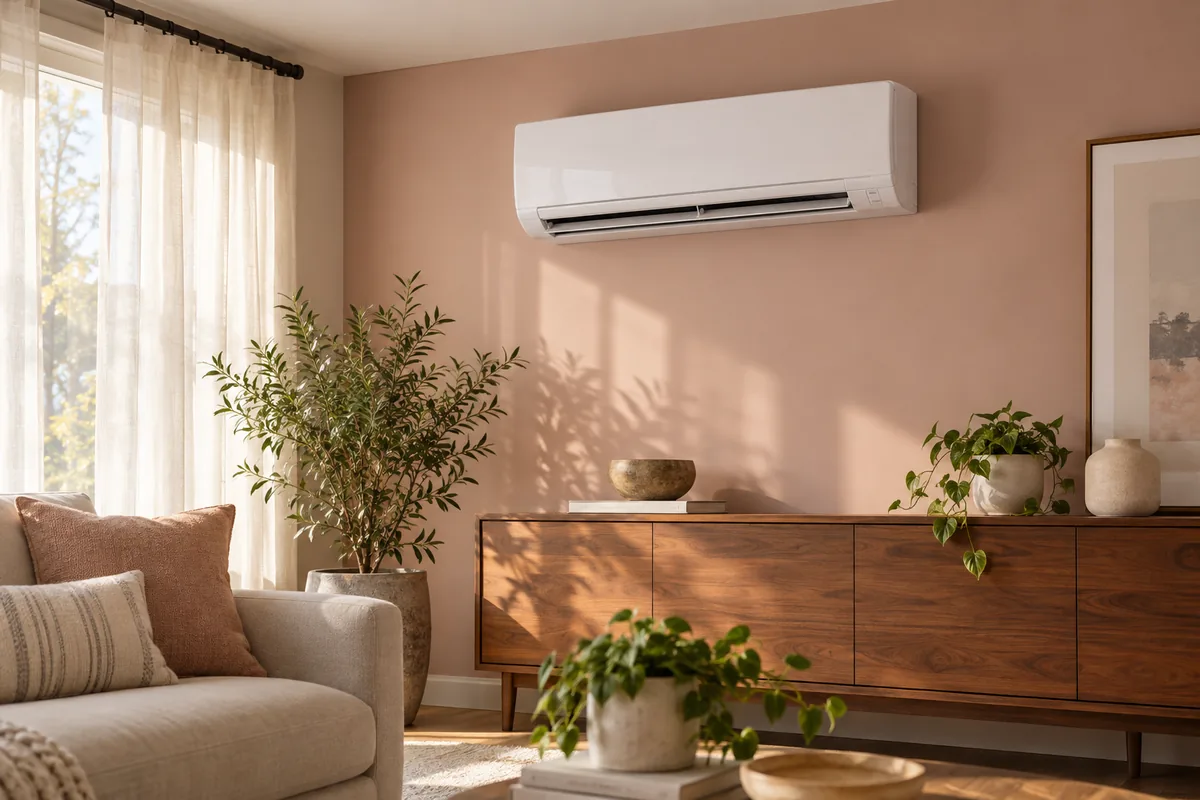
Our HVAC maintenance service helps define the scope for the current setup. Tell us if the home uses a heat pump, a furnace with an air conditioner, or more than one system. Name any unit that serves a separate room or area. Keep the care request tied to the actual equipment. For separate cooling equipment, see Trane AC maintenance.
Tell us whether you want routine upkeep, a seasonal review or help with a new concern. If a fault prompted the request, describe it when booking so the visit can address that need as well as any overdue care.
Cold-Weather Heat Pump Operation
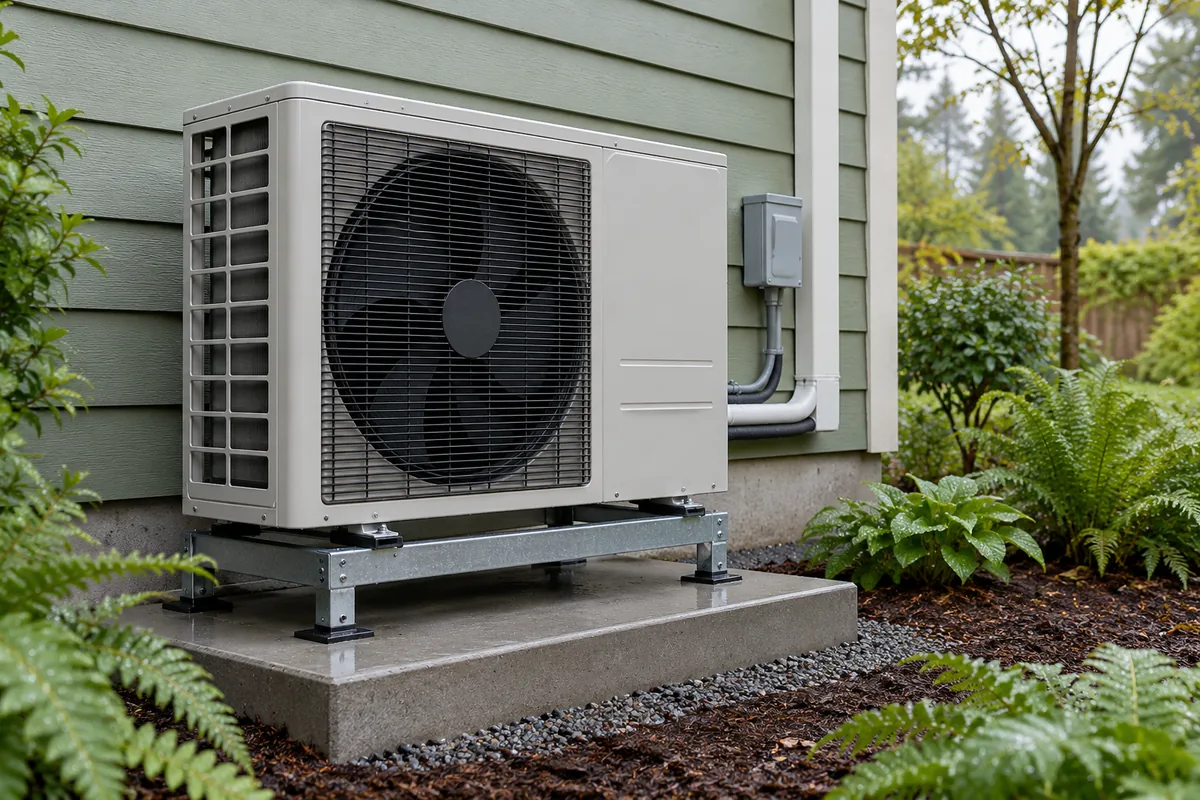
A heat pump can run a defrost cycle during cold, damp conditions. That cycle clears frost from the outdoor coil, and steam can appear during the process. A brief change in the way the unit runs can have this context. It does not mean that every outdoor change is a fault.
At the same time, ice that persists or a loss of heat needs a clear report. Note what you saw and whether the system returned to normal heating. Do not chip ice, reach into the unit or try to force a defrost cycle. Leave the cause and any needed work for the service review.
Our heat pump maintenance service covers the care needs of that equipment. Include the operating mode and any exact control message in the request. If you know when the change began, record it. A short note from normal use is enough to start the discussion.
Indoor Filters, Airflow and Equipment Care
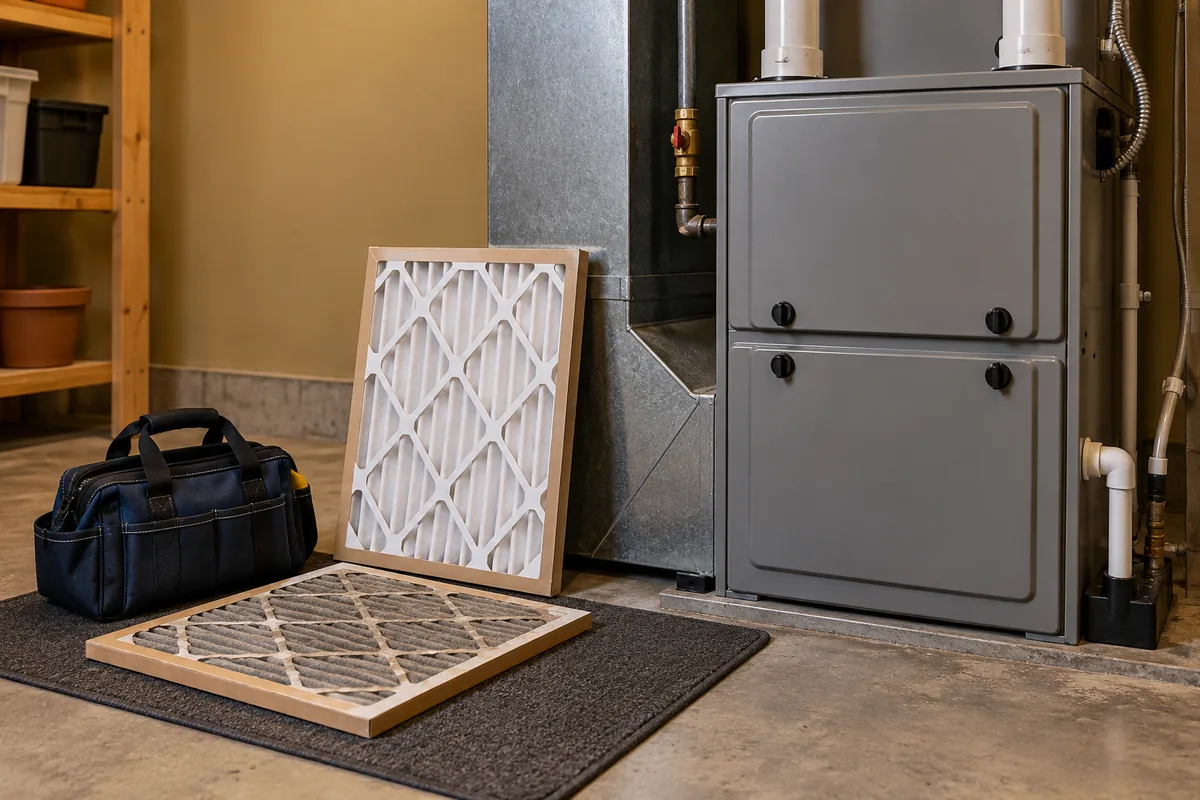
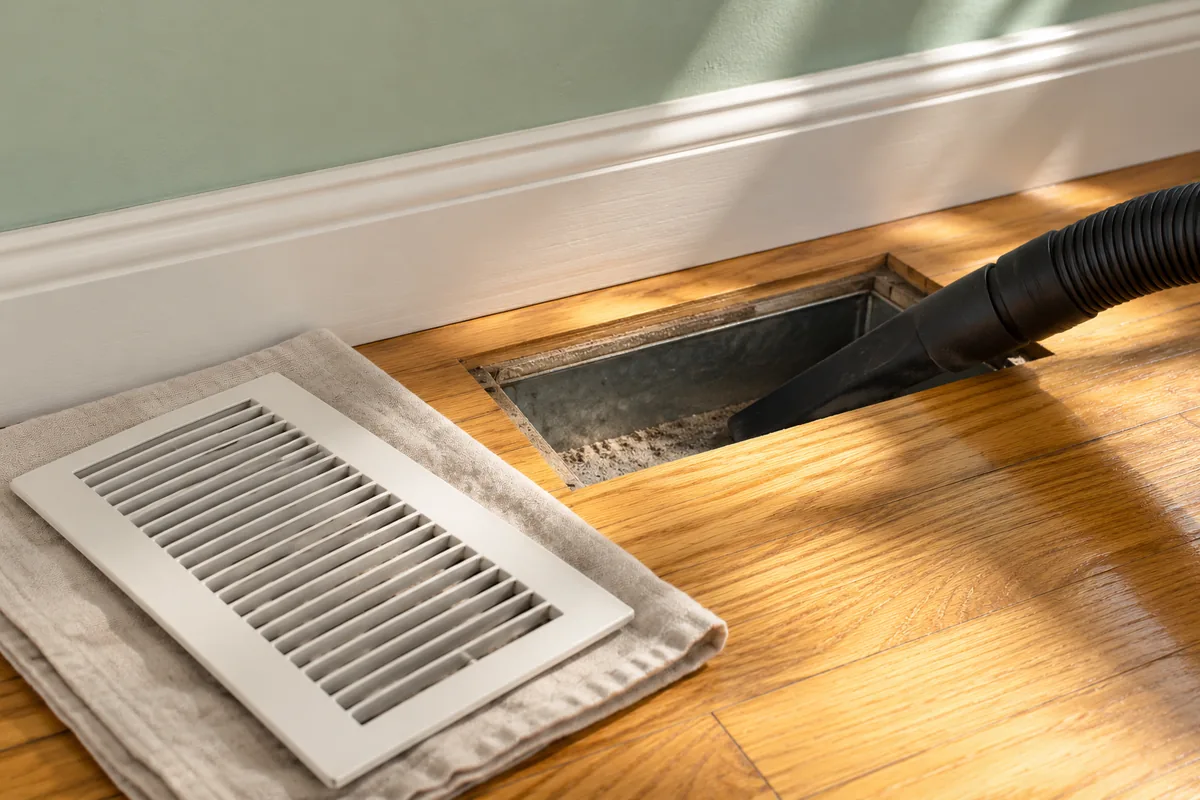
The outdoor unit is not the whole care scope. Indoor filters, airflow and the parts inside the unit also matter. Keep the filter size, type and last known care date available. A clean filter does not verify the condition of every other component in the air path.
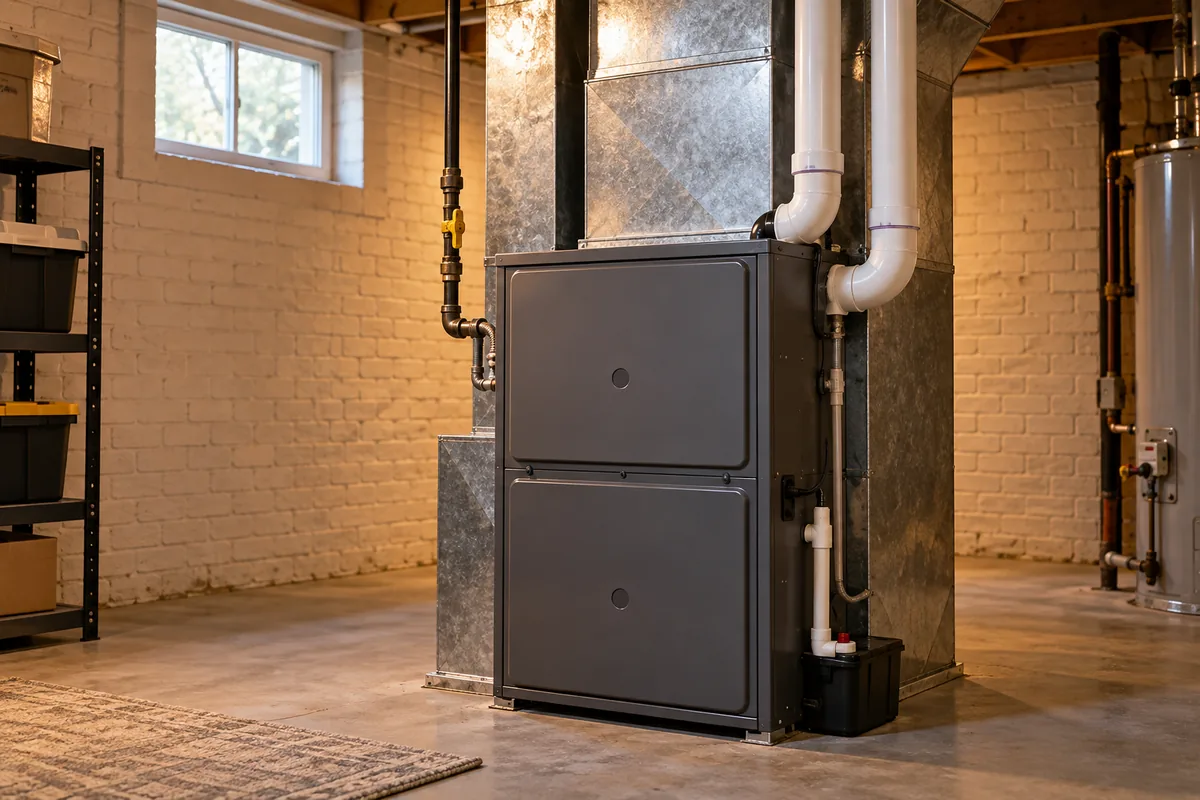
For furnace equipment, our furnace maintenance service addresses that scope. Mention whether a concern appears in heating, cooling or fan use. The indoor blower can have a role beyond heating alone. The visit plan should identify which parts and functions it will review.
If one room feels different from the rest, name the room and describe the change. Include any new furniture near a vent or return. Do not close vents or change service settings as a test. The inspection needs the normal-use context so it can address the concern you actually have.
Previous Care and Current Maintenance Scope
Share earlier findings and completed inspections, cleaning or repairs. Leave unconfirmed tasks and dates open rather than treating the history as complete.
Confirm the equipment and tasks before work begins. The model, condition and access affect the scope; retain any check or task that needs another visit with the findings.
Past care does not settle every new concern. A change after a filter task or repair may be useful context, but timing alone does not prove a cause. Record what changed and what stayed the same. That gives the service review more to work with than a guessed failed part.
Operating Faults and Repair Decisions
Our Trane HVAC repair service addresses current operating faults. Tell us if the equipment will not start, shuts down often or cannot provide heating or cooling. These details belong in the appointment request. Routine care may still be due, but it does not replace the need to assess the fault.
Before approving extra work, review the finding, purpose, included tasks and price. Keep a proposed repair distinct from maintenance already completed.
No tune-up can prevent every future failure. Keep deferred tasks and the reason for deferral with the open findings so later service can address them.
Equipment Access and Completed Service
Clear stored items from the normal route to indoor equipment and explain how to reach the outdoor unit. Tell us about locked areas or other limits before the visit. You do not need to open covers to prepare. Share model details you can read safely or already have in the records.
If another person will be at the property, give them the equipment scope and main concerns. Make clear who can approve added work. Access to the site and approval for a repair are different matters. Keeping them clear helps the visit follow the plan.
Save findings for the correct unit and mode, including completed work, check limits and return tasks. Add filter care as it occurs to support the next visit.
Frequently Asked Questions
Does steam from a heat pump always mean it needs repair?
Steam can occur during a normal defrost cycle. Note the timing and whether normal heat returns. Report ice that persists, loss of heat or repeated unusual changes. Do not assume that defrost explains every new concern.
Should I wait for cold weather to mention a heating concern?
Include the concern whenever you arrange service. Describe when it occurred and what the system did afterward. The visit plan can address it or clearly record which check needs different conditions.
Does a cooling visit cover every heating component?
Confirm the scope for the installed system. A cooling result does not verify every heating task, especially where separate equipment provides heat. Keep the components and checks clear in the service record.
What if I only know the date of the last visit?
Share that date and any notes you have. Say which tasks you cannot confirm. An incomplete record can still help plan service without turning unknown work into an assumed fact.
Request Trane HVAC Maintenance in Portland Metro
Contact HVAC & Appliance Repair Guys to request Trane HVAC maintenance and discuss heating, cooling and any change in seasonal operation.
For Trane HVAC Maintenance in Portland Metro, call HVAC & Appliance Repair Guys or submit a service request through the form on this page.