



Mini-Split Maintenance in Portland
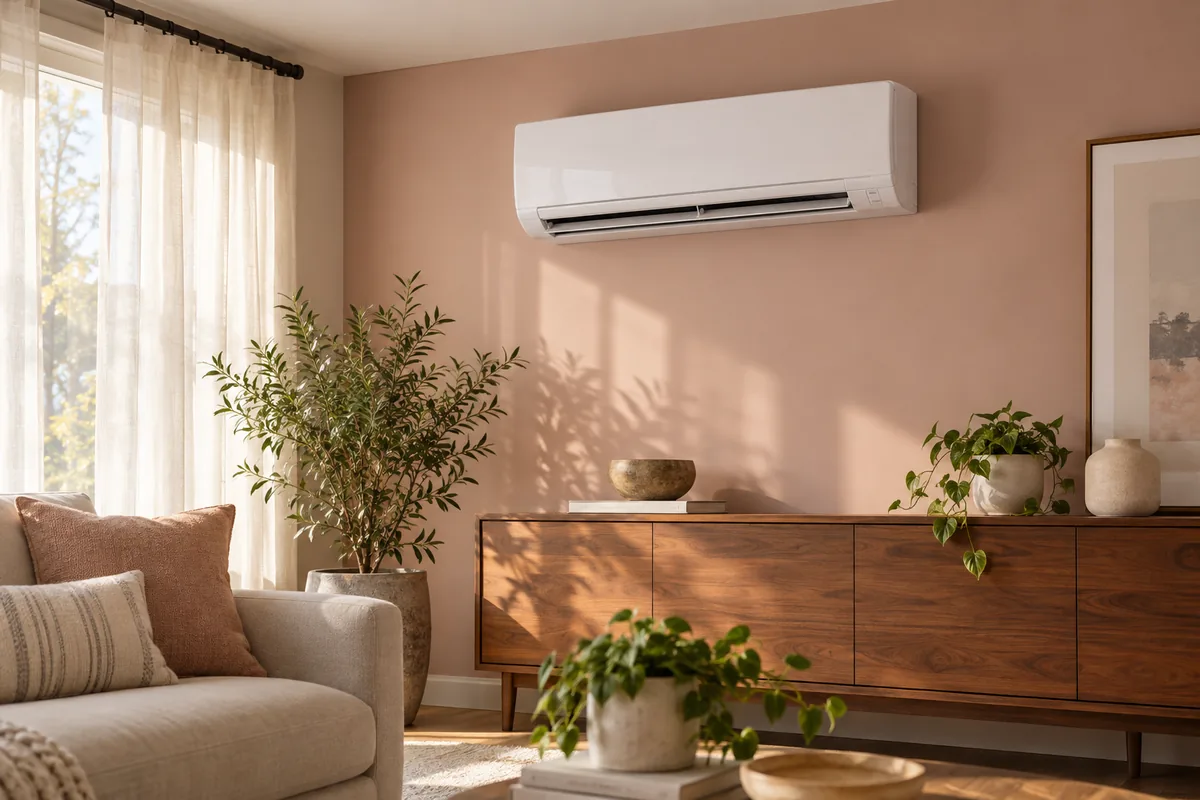
HVAC & Appliance Repair Guys provides mini-split maintenance in Portland, OR. Professional care may address indoor coils, air-moving parts, drains and connected outdoor equipment alongside filter needs. An incomplete history does not establish which tasks are due or prove the system needs replacement. The installed model, current condition and findings guide a useful starting scope.
Our mini-split maintenance service follows an agreed scope for the installed equipment. List the room units you want included and any outdoor equipment you can identify safely. If you do not know how the units connect, leave that detail open.
Keep the normal controls available and tell us which rooms and functions you use. Let us know which details are uncertain. You do not need to run unfamiliar modes or open equipment before the visit.
Included Equipment, Maintenance Tasks and Price
Confirm included heads, connected equipment, tasks and price. A first visit does not automatically include every cleaning procedure or repair part.
Mention limits on room entry or access to the equipment. A locked room, high mounting point or enclosed area may affect the plan. The team can explain what access the visit requires. Do not remove fixtures or dismantle a unit to fill a gap in the equipment information.
Owner care should follow the installed model’s instructions and stay within safe access. An unknown service date is not a reason to use an unfamiliar cleaning method. Discuss professional-access tasks and any limits on the planned checks.
Added Work and Current Faults
Review an added recommendation on its finding, proposed task and intended result. Incomplete history alone does not establish a replacement need.
For a current fault, our mini-split repair service in Portland provides a separate diagnostic assessment. Describe the fault when arranging service and confirm the repair scope and price before approval. Routine maintenance does not automatically resolve a loss of cooling or another operating problem.
Keep checked functions, results and any limits tied to the relevant head. Completed cleaning does not answer every operating concern.
Unknown Service History and Current Condition
A missing receipt leaves the care date unknown, while a clean cover does not establish internal condition. Keep known facts and historical gaps distinct from current findings.
Match older records to equipment names, locations and completed tasks where possible. Leave uncertain matches open instead of applying another system’s history.
Describe recent behavior in ordinary terms. Say which room felt different, what the head did and when you noticed it. Avoid turning an unknown past into an assumed cause for a current symptom. The condition today and the lack of records are separate pieces of information for the technician.
Completed Care and Future Maintenance
Use the work order as a dated record of the units covered, completed tasks and open recommendations, even if earlier paperwork never appears.
Plan future care from each model and the findings. Share pending decisions with anyone managing the equipment rather than assigning one schedule because all records were missing.
Request mini-split maintenance in Portland from HVAC & Appliance Repair Guys. List the units and rooms to include, share the care history you know and report any current operating fault.
Frequently Asked Questions
Do I need the original installation paperwork to arrange maintenance?
Share any records you have and describe the equipment and room locations you know. Let us know which information is missing so we can clarify the service scope.
Does unknown service history mean the equipment is overdue for every task?
No. The missing history does not establish which tasks the equipment needs today. Review the installed model, current condition and proposed work with the technician.
Can the first care visit serve as my new service record?
Keep the completed work order as a dated record of that visit. It should distinguish the equipment checked, work performed and any remaining concern. It does not prove what happened before the appointment.
Request Mini-Split Maintenance in Portland, OR
For mini-split maintenance in Portland, OR, call HVAC & Appliance Repair Guys or submit a service request through the form on this page.