


Mini-Split Repair in Portland
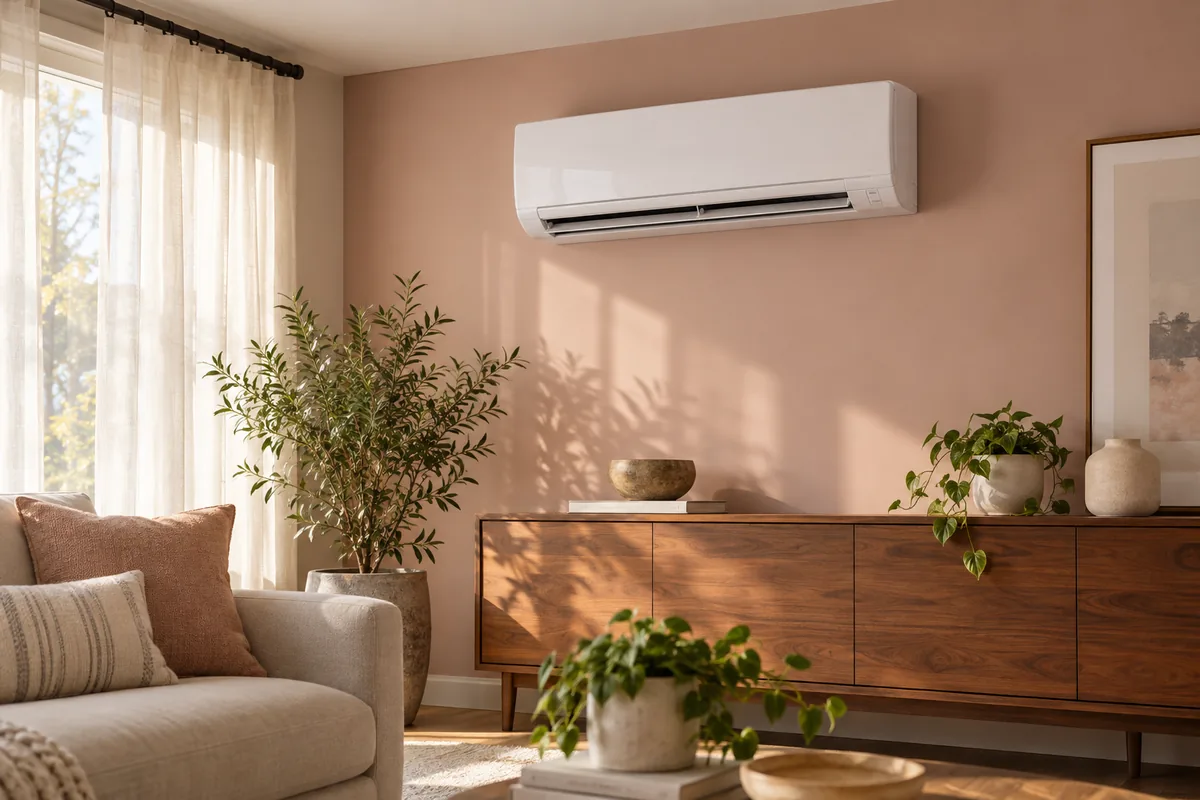
HVAC & Appliance Repair Guys provides mini-split repair in Portland, OR, for lost heating or cooling, weak airflow, indoor water and control faults. Identify the affected head and any display message. If the problem appeared after time off, include when you last used it and what changed on its return.
Our mini-split repair service starts with the current fault. The head may stay off, move air without cooling or stop before the room feels right. These are different reports. Time off alone does not tell us which part needs work.
Heating, Cooling and Airflow After Time Off
Tell us which mode you used before and which one you need now. Earlier cooling does not establish present heating performance. Also distinguish weak airflow from air that moves normally but fails to change the room temperature; those patterns can call for different checks.
If you did not use the system before, explain that its history is unknown. Share any existing model details or work record. You do not need to guess its age or past faults. The visit can begin with the equipment and the response you can describe.
Current Messages and Stop-Use Conditions
Keep the exact message from the normal display if one appears. Note which head shows it and whether other room units still work. An existing photo can help preserve a brief event. Leave covers and hidden settings in place for the assessment.
Do not use repeated resets to make an idle unit run. If you see ice, an indoor leak or signs of damage, stop use and report them. Keep clear of wet electrical parts. The technician can decide how to check the unit without you forcing another event.
Routine Care and an Active Fault After Time Off
Planned mini-split maintenance can address normal care needs. A head that fails on its return to use still needs that fault in the request. Time off is useful history, but it does not prove that cleaning is the full repair. Keep the present loss of comfort clear.
If someone has already cleaned a filter or changed a setting, describe the task and its result. A brief return to comfort can add context. It does not explain why the first problem occurred. The assessment should use current findings along with that history.
Repair Scope, Access and Operating Results
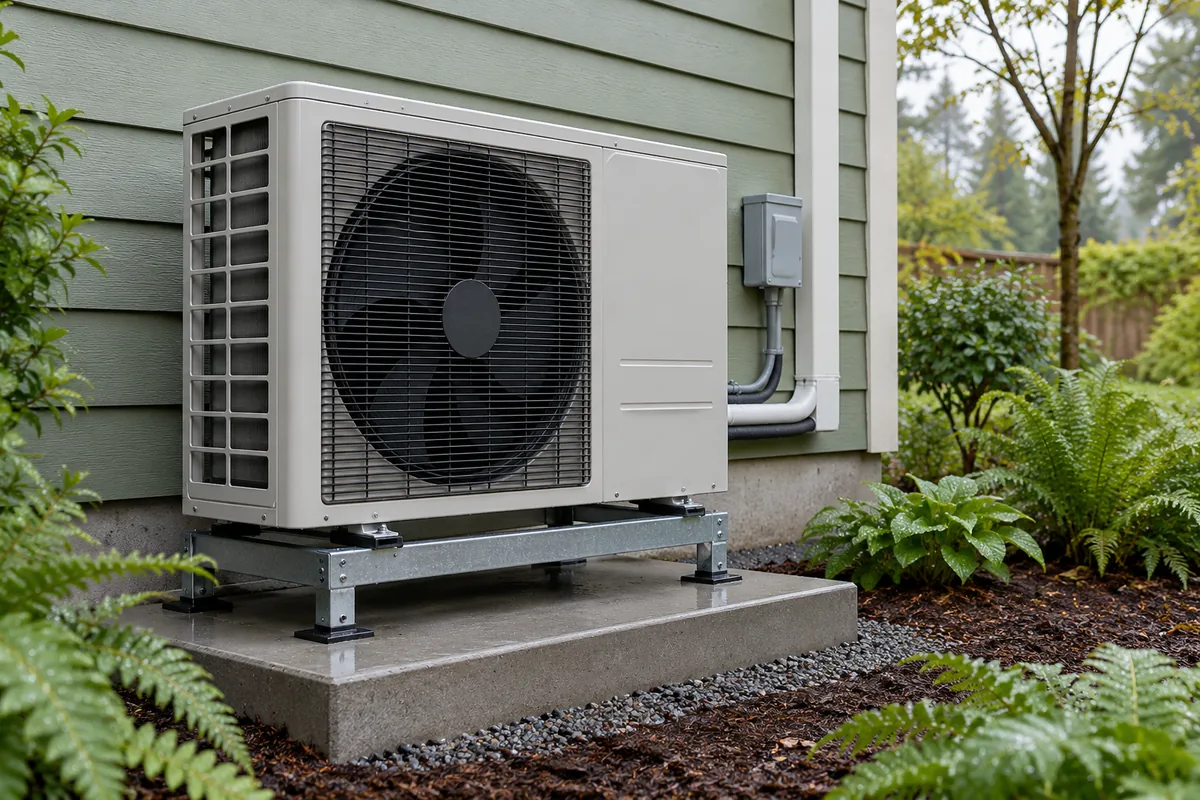
For the Portland visit, prepare a route to the affected head and its normal control. Mention locks or other access limits before arrival. Share the outdoor unit location if known. You do not need to trace lines or reach a difficult label.
Ask what the technician found, how the proposed work addresses it and what it costs. Confirm any parts or return-visit needs and any question that still requires assessment before approval.
After work, discuss the result in the mode that prompted the request. A start alone does not show that the room receives the expected heat or cooling. Keep any test limit and open recommendation with the work record. If trouble returns, report what changed and when. Contact HVAC & Appliance Repair Guys to request mini-split repair in Portland.
Frequently Asked Questions
Does time off mean the system needs new parts?
No. The idle period is history, not a diagnosis. Describe the response you see now. The technician needs findings that support a repair before choosing a part.
Should I run the unit for a fixed time before the visit?
There is no single test period for every model and fault. Report the ordinary use you already observed. Do not force damaged or leaking equipment to run for the appointment.
What if I do not know when the unit last worked?
Say that the earlier history is unknown. Describe the current room result and any display message. Existing records can help if you have them, but missing history does not prevent a request.
Request Mini-Split Repair in Portland, OR
For mini-split repair in Portland, OR, call HVAC & Appliance Repair Guys or submit a service request through the form on this page.