



Mini-Split Maintenance in Sherwood
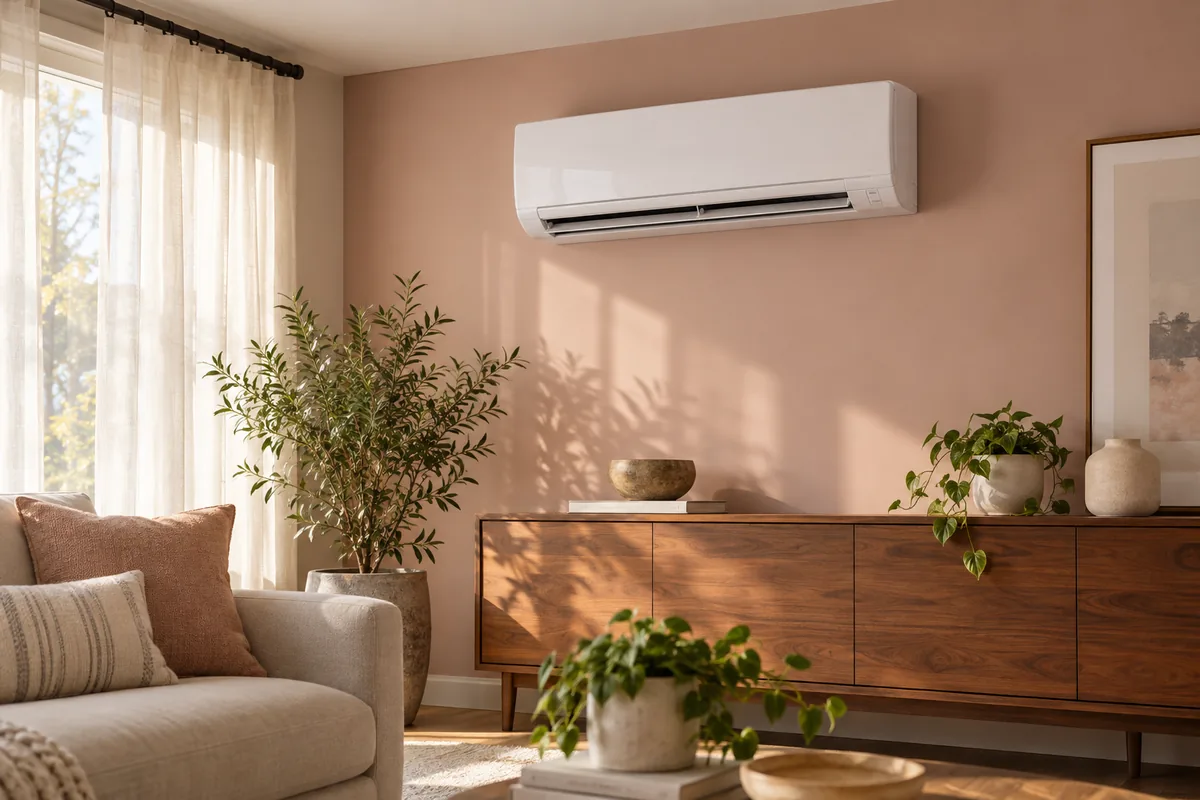
HVAC & Appliance Repair Guys provides mini-split maintenance in Sherwood, OR. Filters, coils, air-moving parts and drainage need care suited to the indoor unit, with connected outdoor equipment also considered. A ceiling unit may have different parts and access from a wall head. Describe its position and known model so the visit fits the equipment actually installed.
Our mini-split maintenance service starts with the equipment and tasks agreed for the visit. Explain whether the indoor unit sits within the ceiling or in another position you can describe from below. Do not assume that every ceiling grille belongs to the ductless system. Existing equipment records can help clarify what serves the room.
Describe the visible setup and share existing records or a safe floor-level photo if available. Do not remove grilles or panels to identify a model; leave uncertain details open.
Owner Care and Enclosed Equipment Work
Owner care depends on the installed model and safe access to the intended user areas. The method used on a wall head should not become an automatic instruction for a ceiling unit. Different filter parts can also have different care requirements. If you cannot confirm the task, leave it for the service discussion.
A filter task does not establish coil, fan or drainage condition. Confirm which components receive inspection, cleaning or operating checks; those are distinct results.
Do not force a cover, detach a panel or try an unfamiliar cleaning product before service. Report any care already performed and any part that no longer sits as it did. Leave enclosed parts for assessment.
Current Faults and Routine Maintenance
If the unit is dripping, making a new sound or no longer meeting the room need, say so before arranging routine maintenance. Include the function you were using and the location you noticed. The ceiling position alone does not establish the cause. The technician needs to relate the symptom to the actual equipment findings.
Our mini-split repair service in Sherwood addresses active faults that need diagnosis. A separate repair may involve different tasks and approvals from planned care. Review its scope and price before work proceeds; cleaning is not an established remedy for a problem whose cause remains unknown.
Visible water deserves its own clear account, even if it appears only once. Describe the mark or drip from a safe position and avoid opening the ceiling to trace it. A stain does not by itself identify the part that needs work. Keep any damage to the surrounding finish separate from the proposed equipment service.
Model Details and Safe Ceiling-Unit Access
Use available records to identify the indoor unit and known outdoor connection. Similar grilles can conceal different arrangements.
Describe mounting position, fixed furniture and entry limits from below. Do not move fixed objects or climb to work out the service method.
Confirm access preparation before changing the room. Opening ceilings or exposing equipment is not routine preparation for a request.
Included Care, Costs and Remaining Tasks
Confirm included indoor and connected equipment, tasks, price and access limits before approval. A room-unit service does not imply inspection of every hidden area.
Keep completed tasks, findings and operating-check conditions with each room and model. Identify access-limited tasks, open recommendations and their next steps.
Use the actual model guidance and safe access for future owner care. Raise uncertain tasks before adopting another unit’s method or interval.
Request mini-split maintenance in Sherwood from HVAC & Appliance Repair Guys. Describe the ceiling or wall-mounted unit from a safe position, share available model details and report any water or operating concern.
Frequently Asked Questions
Can I book care by describing the unit as a ceiling cassette?
Use that description if it matches the equipment you know. Provide existing model records or a safe floor-level photo where available. The team still needs to confirm the unit and scope before agreeing to model-specific work.
Should I remove the ceiling panel to help identify the model?
Do not open the ceiling or dismantle equipment to prepare a request. Share the records and visible details you already have. Explain any information you cannot safely obtain so the appointment plan can account for it.
Does maintenance include repairing a stained ceiling?
Keep the equipment work and surrounding finish damage as separate questions. Review what the proposed service includes. An assessment of the indoor unit does not automatically include restoration of the room surface.
Request Mini-Split Maintenance in Sherwood, OR
For mini-split maintenance in Sherwood, OR, call HVAC & Appliance Repair Guys or submit a service request through the form on this page.