



Mini-Split Repair in Sherwood
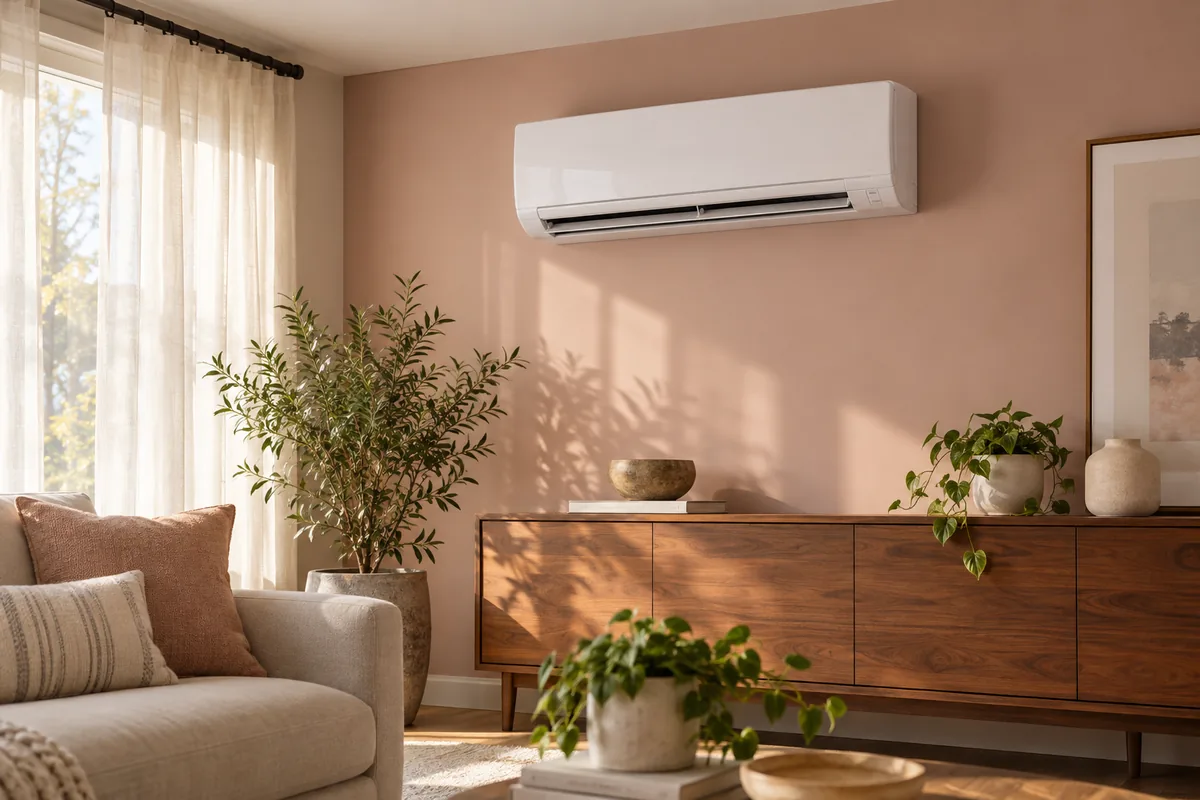
HVAC & Appliance Repair Guys provides mini-split repair in Sherwood, OR. Describe any change in airflow, sound, heating or cooling and identify the affected indoor unit. If the change followed filter care, explain what was cleaned or handled without assuming that the task caused the fault.
Our mini-split repair service assesses the present equipment condition. Say whether airflow weakened, a sound appeared or the room stopped reaching its usual comfort. Keep those changes separate if more than one occurred. The technician needs the actual symptoms before deciding which checks or repair steps they support.
If someone else performed the care, share the work you know about and any record available. Leave the exact scope unknown when you cannot confirm it.
Operation Before and After Filter Care
Explain whether the head already had a comfort problem before the filter care. A task intended to improve weak airflow differs from routine care followed by a new symptom. Keep the original complaint in the service request. A partial improvement should not hide a remaining fault that still needs assessment.
Describe what happened on the next period of ordinary use. The head may have sounded normal at first, then developed a change as it ran. It may also have shown the new behavior immediately. You do not need to restart it repeatedly to make that sequence more precise.
Mention how long an improvement lasted and what returned. A temporary improvement or lack of change can guide questions without identifying the cause.
Airflow, Sound and Temperature Changes
A filter restriction can affect airflow, but the feel of the air does not describe every part inside the head. Say whether the stream is weaker or whether it moves normally at the wrong temperature. Those are different observations. A clean-looking filter does not establish that the full air path and cooling or heating functions work correctly.
For a new sound, describe when you hear it and where it seems strongest from a safe position. Do not press on a cover or reach into the outlet. The technician can assess the source alongside the operating concern.
Keep a visible message with the mode in which it appeared. If the screen later clears, describe that change too. A message can guide equipment checks without proving the repair on its own. Leave covers and internal settings in place rather than trying to find a hidden indicator.
Filter Requirements, Covers and Stop-Use Conditions
Filter types and care requirements can vary with the installed equipment. Describe the item you handled and any method or product you already used. Do not assume every filter should receive the same treatment. The assessment needs the actual model and condition, not a new care experiment before the appointment.
If a cover no longer sits as it did before, report the visible change without forcing it into place. Stop use when damage or an unsafe condition is apparent. Keep small loose items you already removed in a safe place for the visit. Do not remove more parts to search for an explanation.
If you notice visible ice or water escaping indoors, stop using the affected unit and describe the location. Keep away from wet electrical parts. There is no need to melt ice with heat, flush a drain or run the head for a demonstration. The technician can decide how to assess the condition and related symptoms.
Affected Units and Safe Service Access
Identify the room and indoor head involved when arranging service. Mention any other head that has a separate concern, while keeping its care history distinct. Units at the same property may have different equipment or service histories. A fault at one head does not show that every unit needs the same work.
Explain access to the head and the location of its normal control. Mention furniture you cannot safely move or a difficult mounting height in advance. Existing model information is useful when you have it. You do not need to climb to a label or expose connections before requesting repair.
Our HVAC repair service in Sherwood covers additional equipment concerns. Identify that system and its own response when booking.
Repair Findings and Separate Installation or Care
Ask how the findings support an adjustment, cleaning task or part replacement, and review the price before approval. If comparing new equipment, mini-split installation needs a separate equipment selection and project estimate.
If the head works normally during the visit, share the earlier pattern and ask what the checks established. Confirm any further observation or assessment needed.
Future mini-split maintenance covers planned care. Keep any unresolved noise, airflow or temperature concern explicit when arranging service.
Airflow and Comfort After Repair
After work, discuss airflow and room comfort as well as the repaired part. Ask about any testing limit or concern that remains, and keep the completed work for follow-up. Contact HVAC & Appliance Repair Guys to request mini-split repair in Sherwood.
Frequently Asked Questions
Does a problem after cleaning prove that cleaning caused it?
No. The timing belongs in the history, but the equipment needs assessment. Explain the task and what changed afterward. The findings should establish the cause before a repair recommendation.
Should I remove the filter again to show the technician?
Share details or photos you already have and leave unfamiliar parts for the visit. You do not need to repeat a care task to prepare. Describe any access or cover problem when arranging service.
What if the filter care helped only for a short time?
Include the temporary improvement and the symptom that returned. That result adds context without proving the full repair. Keep the active problem in the appointment request even when more care may also be useful.
Request Mini-Split Repair in Sherwood, OR
For mini-split repair in Sherwood, OR, call HVAC & Appliance Repair Guys or submit a service request through the form on this page.